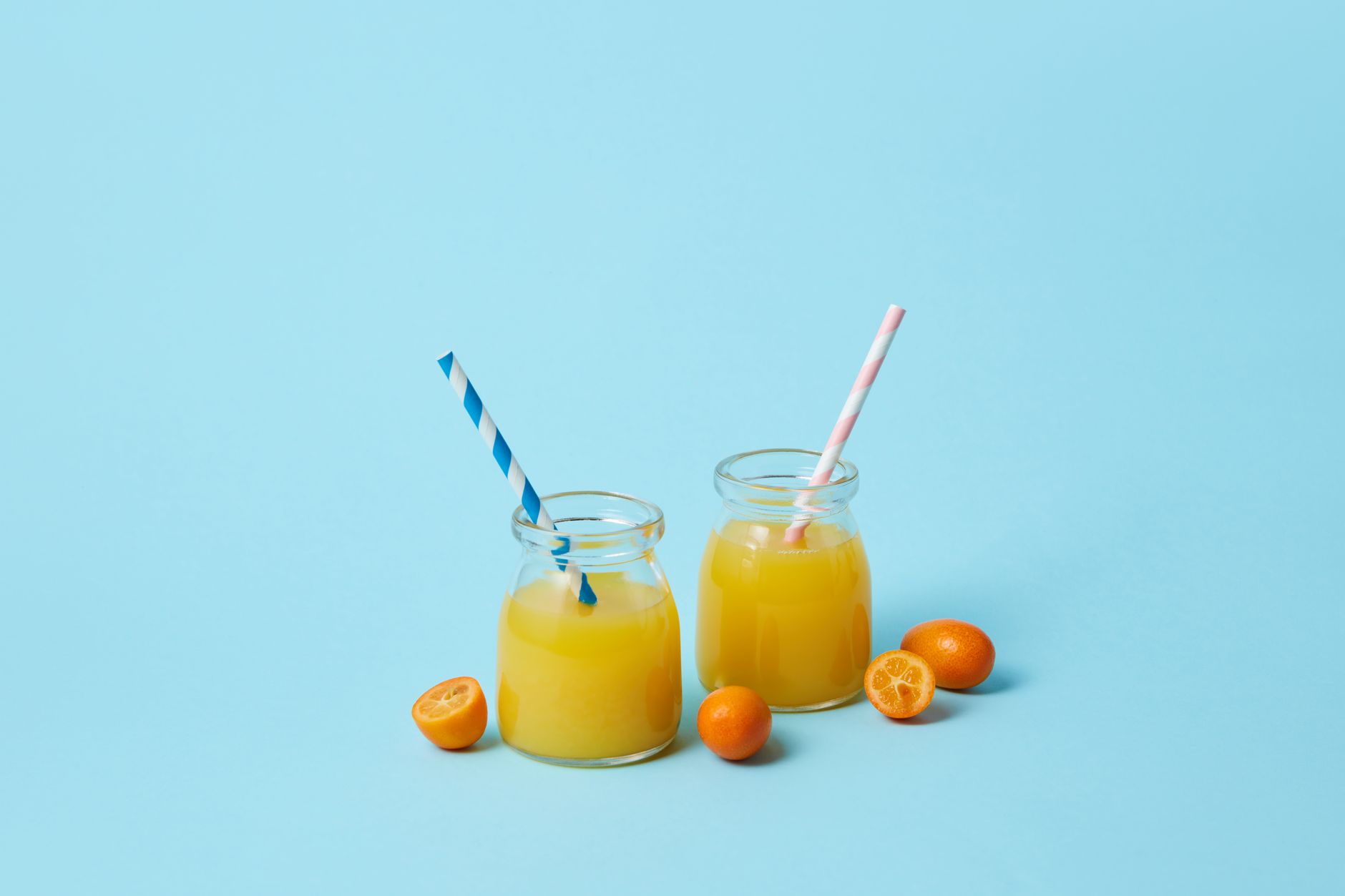
Have you ever stood in the grocery aisle, staring at rows of bottles and cartons labeled juice, wondering which one will actually taste good and be worth your money? Youre not alone. Ive been there, holding a bottle of something labeled 100% while trying to decipher whether that really means healthy or just cleverly marketed. Lets take a friendly stroll through the world of juice drinks togethersimple, honest, and usefulso the next time you pick a bottle, youll feel confident and maybe even a little excited.
Why Juice Drinks?
Why do we love juice drinks so much? For starters, theyre concentrated bursts of flavor and nostalgiafruit in a glass that often brightens mornings, powers snacks, or becomes the base for a lively mocktail. But beyond taste, juice drinks offer convenience. Need a quick boost of vitamin C? Want something refreshing after a workout? Juice drinks often fit the bill.
That said, not all juice drinks are created equal. Some are pressed and bottled with care, while others are full of added sugars and empty promises. So lets unpack what to look for, from labels to flavor profiles, and how to choose beverages that both taste great and serve you well.
Types
Heres a quick tour of common types of juice drinks youll see:
- 100% Fruit Juice: This is pure juice from fruitswhat youd get if you squeezed an orange or blended an apple. Its usually higher in natural sugars but also contains vitamins and sometimes fiber if it's pulpy.
- Juice Drinks (Blends): These are fruit juice mixed with water, sweeteners, or other flavorings. They can be lower in calories but may include added sugars.
- Juice Concentrate: Juice thats had most of its water removed, then later reconstituted. Its convenient and often cheaper, but quality varies.
- Cold-Pressed Juice: Made with a hydraulic press, these retain more nutrients and taste fresh. Theyre usually pricier and perishable.
- NE/E (Not from Concentrate/From Concentrate): Labels like from concentrate or not from concentrate tell you about processingeach has pros and cons for flavor and nutrition.
- Vegetable Juices: Think carrot, beet, or green mixes. These can be lower in sugar and offer different nutrients.
How to Read Labels
Labels can be confusing, but once you know what to look for, choosing a better juice drink becomes much easier. Here are a few tips I wish Id known sooner:
- 100% Juice means just that: Its fruit juice with no added sugars, though natural sugars are still present. Great choice if you want nutrients without extra sweeteners.
- Watch for Added Sugars: Ingredients like high-fructose corn syrup, cane sugar, or fruit juice concentrate can spike calories. Look at the nutrition facts for grams of sugar per serving.
- Serving Size Matters: Many bottles contain more than one serving. Dont be fooledcalories and sugar add up fast.
- Fiber Content: Whole fruit has fiber; many juice drinks dont. If fiber is important to you, seek options with pulp or pair your juice with whole fruit.
- Check the Ingredients List: Shorter lists usually mean fewer additives. If it reads like a chemistry lesson, consider another option.
Healthy Choices
If you want juice drinks that align with a healthier lifestyle, here are practical picks and tips:
- Pick 100% juice when possible: It provides vitamins without added sugars.
- Dilute when needed: If a juice is too sweet or high in sugar, dilute it with sparkling water or plain water to cut calories while keeping flavor.
- Try vegetable blends: Carrot-apple or green blends reduce sugar compared to pure fruit juice and deliver different nutrients.
- Look for no added sugar labels: Especially for children or if youre watching your intake.
- Make your own: If you have a blender or juicer, homemade juice lets you control what goes in and ensures freshness.
Best Juice Drinks for Kids
Kids often love sweet flavors, and many manufacturers capitalize on that. But we can still make smart choices that feel tasty and responsible.
- Limit portion sizes: Aim for small servings (about 4-6 ounces) and pair juice with a meal to slow sugar absorption.
- Choose 100% fruit juice: Rather than sugary juice drinks, opt for pure juice and consider diluting it with water.
- Offer whole fruit too: Encourage kids to eat whole fruit for fiber and chewing benefits.
- Watch labels: Avoid products with added sugars, artificial colors, or long ingredient lists.
Tasty Recipes
Want to try something fun at home? Here are a couple of easy recipes that feel fancy but are stress-free. I often make these when friends come overand theyre always a hit.
- Simple Citrus Spritz: Mix half a cup of orange juice, a quarter cup of sparkling water, a squeeze of lime, and a few ice cubes. Garnish with a mint leaf if youre feeling fancy.
- Green Reviver: Blend one small cucumber, a handful of spinach, an apple, and half a lemon with a cup of water. Strain if you prefer juice over a smoothie.
- Beet & Berry Boost: Blend roasted beet (cooled), a cup of mixed berries, and a splash of apple juice. The earthiness of beet pairs surprisingly well with sweet berries.
Storing Juice Drinks
Storage mattersboth for safety and flavor. Here are a few friendly reminders:
- Keep refrigerated: Most fresh and cold-pressed juices must stay chilled and should be consumed within a few days.
- Unopened shelf-stable juices: Can sit in the pantry until the expiration datebut once opened, refrigerate and use within a week or as indicated on the label.
- Freeze for later: Juice freezes well in ice cube trays. Thaw in the fridge and shake well before drinking.
Common Mistakes
Weve all made these missteps at some pointno judgment, just learning.
- Assuming juice equals whole fruit: Juice lacks the fiber and fullness of whole fruit. Its easy to drink a lot more sugar than you would eat.
- Overlooking serving sizes: Calorie and sugar counts multiply if you treat a large bottle as a single serving.
- Ignoring ingredients: Fancy labels can hide added sugars and preservatives. Read carefully.
- Thinking natural means healthy: Natural flavors can still be high in sugar and heavily processed.
How Juice Drinks Fit into a Balanced Diet
I love juice drinks, but balance is key. Heres a simple way to include them wisely:
- Use juice as a small part of a meal (for vitamin kicks) rather than as a primary snack.
- Pair juice with proteins or fatslike yogurt, nuts, or cheeseto slow sugar absorption.
- Rotate with whole fruits and water-based drinks to keep variety and reduce sugar load.
Final Thoughts
Juice drinks can be joyful, healthful, and refreshingwhen you choose them intentionally. Think of them like a treat that can also be nourishing, not as a magic health potion. Little habitsreading labels, keeping an eye on serving sizes, and choosing 100% juice or vegetable blendsgo a long way.
So next time you reach for a bottle, pause for a second. Ask yourself: Am I after flavor, hydration, vitamins, or just a sweet pick-me-up? The answer will guide you to a smarter choice. And if you want, try making one of the quick recipes aboveits a lovely way to connect with what youre drinking and maybe even discover a new favorite.
What do you thinkwill you try diluting your next juice, or maybe making that citrus spritz? Share your experiences and favorite juice combos; I'd love to hear what you discover. If you have any questions or need recommendations for specific brands or flavor pairings, ask awayI'm happy to help!
FAQs
What are juice drinks and how do they differ from 100% juice?
Juice drinks are blends that may include water or added flavors, while 100% juice is pure fruit juice with no added sugars.
How should I read juice labels for healthier choices?
Look for 100% juice in the ingredients, check for added sugars, serving sizes, and fiber content if pulp is present.
Is vegetable juice a good alternative?
Yes, vegetable blends can lower sugar content while delivering nutrients; pair with fruit for flavor.
What’s a smart serving size for kids?
Limit to 4-6 ounces per serving and pair with meals to slow sugar absorption.
How can I make juice drinks healthier at home?
Use whole fruit occasionally, dilute with water or sparkling water, or blend vegetables with fruit for fiber.