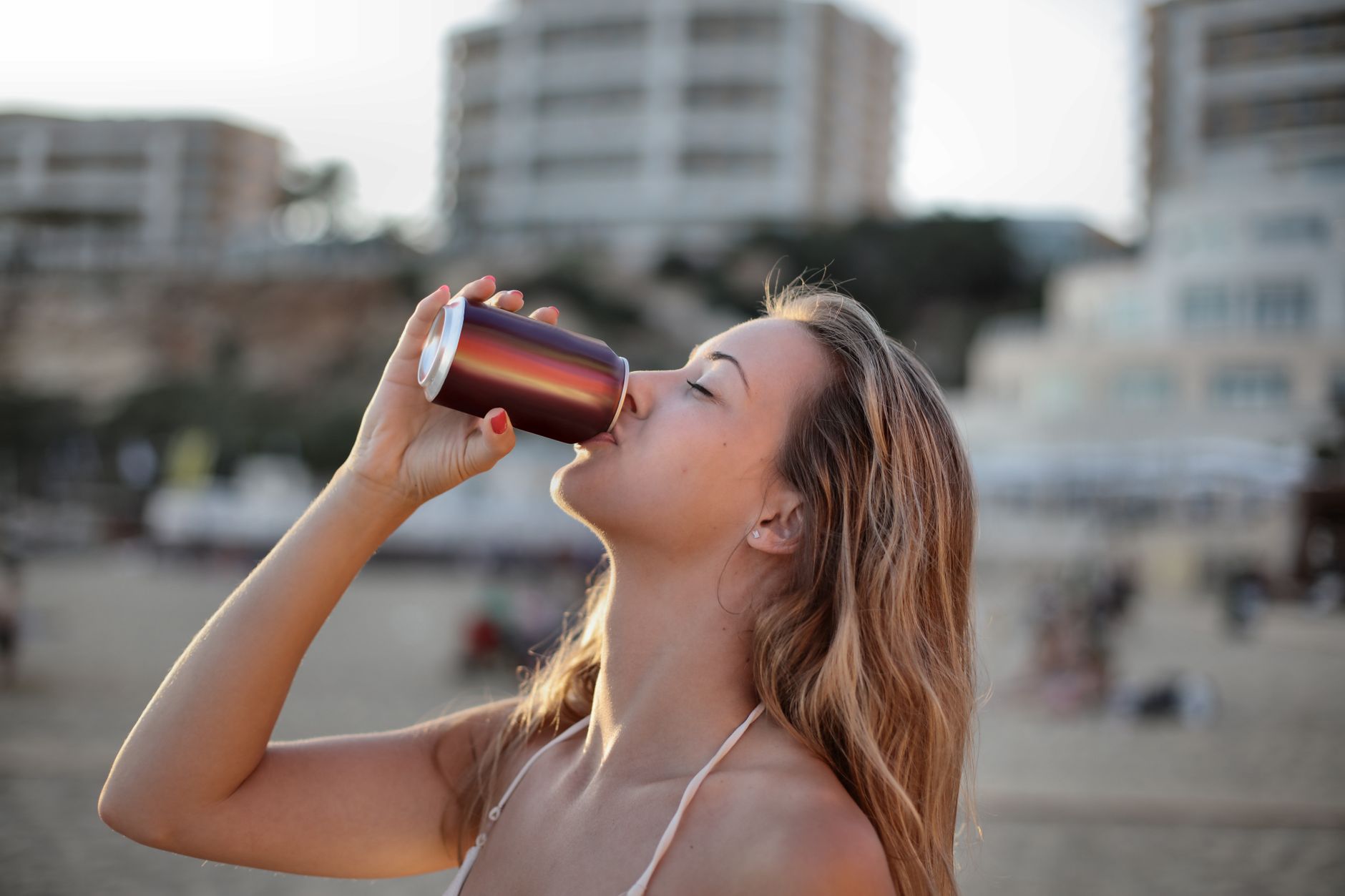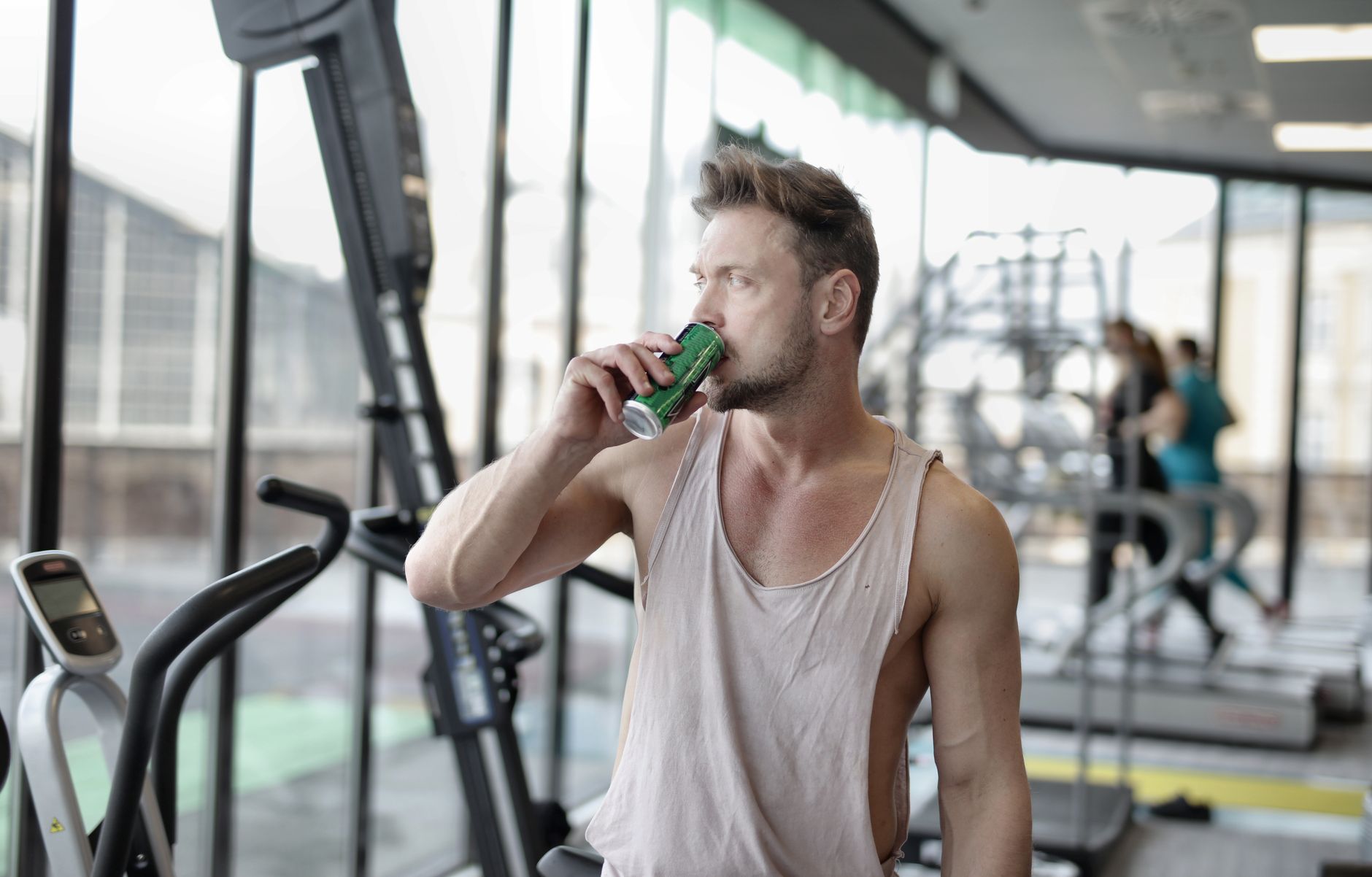
Have you ever grabbed an energy drink before a long study session, workout, or late-night shift and felt like you could conquer the world? Youre not alone. Energy drinks are everywhere, marketed as tiny power-ups in a can. But before you make them a daily habit, it helps to understand whats inside, how they affect your body and mind, and when they can be helpfulor harmful.
What Are They
At their core, energy drinks are beverages formulated to boost alertness, increase focus, and stave off fatigue. The most common active ingredients are caffeine, sugar (or artificial sweeteners), vitamins like B12, and a mix of herbal extracts such as taurine, guarana, and ginseng. Think of them as caffeinated cocktails engineered to give you a quick lift.
How They Work
So, what actually happens after you crack open a can? Caffeine is the main player. It blocks adenosine, a brain chemical that signals tiredness, which makes you feel more awake. Sugar adds a rapid spike in blood glucose that your body taps into for quick energy. Then there are the other helperstaurine may influence neurotransmitter activity, and B vitamins participate in energy metabolism. Together they create that noticeable surge in concentration and physical drive.
Typical Benefits
Energy drinks do offer some real, tangible benefits when used properly. They can:
- Increase alertness and reduce perceived fatigue for a few hours.
- Improve short-term cognitive performance and reaction time.
- Enhance endurance and perceived exertion during workouts for some people.
- Serve as a convenient, quick pick-me-up in busy or demanding situations.
If you need a temporary boost to cross a deadline or finish a late-night project, an energy drink can be useful. Just treat it like a toolnot a daily crutch.
Potential Risks
And now the part many of us skip thinking about: energy drinks can carry risks, especially if misused. Common concerns include:
- Jitters, anxiety, and insomnia from too much caffeine.
- Rapid heart rate or palpitations in sensitive people.
- Blood sugar spikes if the drink is high in sugar, followed by a crash.
- Potential interactions with medications or underlying conditions.
- Higher caloric intake and dental issues from sugar-heavy options.
Young people, pregnant people, and anyone with cardiovascular, anxiety, or certain metabolic conditions should be particularly cautious. When in doubt, ask your healthcare provider.
How Much Caffeine Is in a Can?
Caffeine content varies widely. A typical energy drink can have anywhere from 50 to over 300 milligrams of caffeine per serving. For context, a standard cup of coffee is around 80120 mg. Most health authorities suggest keeping total daily caffeine under 400 mg for healthy adults. Thats about three to four cups of coffeeor one strong energy drink and a cup of coffee. Exceeding that can push you into uncomfortable or unsafe territory.
Choosing the Right Option
Not all energy drinks are created equal. If you decide to drink them, here are a few simple rules to make smarter choices:
- Check the label for caffeine content and serving size. Some cans contain two servingsso you might be getting double the listed caffeine if you drink the whole thing.
- Prefer lower-sugar or sugar-free options if weight or blood sugar is a concern.
- Avoid mixing with alcoholthis masks intoxication and increases risk-taking behavior.
- Look for transparent ingredient lists. If a product hides amounts behind proprietary blends, be cautious.
When to Use Energy Drinks
There are moments when an energy drink is a reasonable choice. Consider these scenarios:
- You need short-term, immediate alertness (e.g., finishing a time-sensitive project).
- You have a long, physically demanding shift and need a discrete boost.
- Youre exercising and want to try a pre-workout liftalthough there are dedicated pre-workout products that might be more suitable.
But if youre using them daily to fight chronic fatigue, its worth reflecting on the root causesleep, stress, nutrition, or medical issues might be the real problem.
Alternatives That Also Work
If youre not wild about the idea of relying on canned stimulants, there are gentler, sustainable ways to boost energy:
- Quality sleep: Consistent sleep is the backbone of sustained energy.
- Balanced meals and hydration: Low blood sugar and dehydration are sneaky energy thieves.
- Short naps: A 2030 minute power nap can refresh you without the crash.
- Caffeine from tea or coffee: These give a more predictable dose and often come with fewer additives.
- Movement breaks: A brisk walk or a few quick stretches elevates blood flow and alertness.
Try pairing small lifestyle changes with occasional caffeine boostsits a much kinder long-term approach.
Practical Tips to Reduce Side Effects
If you enjoy energy drinks but want to limit negative effects, these small habits can help:
- Space out your caffeine. Avoid late-afternoon or evening drinks to protect your sleep.
- Combine with food. A light snack can blunt the blood sugar roller-coaster.
- Start with a half-can to assess toleranceespecially if youre trying a new brand.
- Read labels every time. Formulas change, and one batch might be stronger than the last.
- Avoid frequent mixing with other stimulants such as high-caffeine supplements.
Energy Drinks and Exercise
Many athletes and gym-goers use energy drinks as pre-workout fuel. They can enhance focus and perceived stamina for short-term activities. But keep a few things in mind:
- Dehydration risk: Caffeine is a mild diuretic. Make sure to hydrate before and after exercise.
- Choose products made for athletes if youre training intensely. Some energy drinks contain ingredients that might cause stomach upset during vigorous activity.
- Listen to your body. If you feel dizzy, overly anxious, or irritable, stop and hydrate.
Special Populations: Who Should Be Careful
Certain groups should minimize or avoid energy drinks altogether:
- Teens and adolescentsdeveloping bodies are more sensitive to caffeine.
- Pregnant or breastfeeding peoplehigh caffeine intake is discouraged.
- People with heart conditions, high blood pressure, or anxiety disordersstimulants can worsen symptoms.
- Those on certain medicationscaffeine and herbal components can interact with prescriptions.
If any of this applies to you (or someone you care for), its best to check with a healthcare professional before making energy drinks a habit.
Mindful Consumption: A Quick Checklist
Heres a short checklist you can use next time you reach for an energy drink:
- Why do I want this? (Immediate need or routine habit?)
- How much caffeine will I be getting total today?
- Am I hydrated and have I eaten recently?
- Is there a non-stimulant alternative I could try first?
Asking these simple questions helps you stay in control instead of being carried by the buzz.
Final Thoughts
Energy drinks can be a useful toollike a jolt of espresso in a sleek canwhen used thoughtfully. Theyre great for short-term alertness, occasional late nights, or pre-workout boosts. But because they can lead to jitteriness, sleep disruption, and dependency if overused, its wise to treat them sparingly and mindfully.
Remember: sustained energy comes from good sleep, balanced nutrition, movement, and stress management. Energy drinks can be part of an energetic life, but they shouldnt be the whole story. Whats your experience been likehave these drinks helped you power through a tough day, or left you craving a nap afterward? Share your thoughts, and if you have questions, Im happy to chat more about safe caffeine use and better alternatives.
FAQs
How much caffeine is typically in an energy drink?
Most energy drinks provide 50–300 mg of caffeine per serving, and daily caffeine should stay under about 400 mg for most adults.
Are energy drinks safe for teens or pregnant people?
Teens and pregnant people should limit or avoid energy drinks due to caffeine sensitivity and potential risks; consult a healthcare provider for guidance.
Can energy drinks improve exercise performance?
They can help with short-term focus and perceived endurance for some people, but hydration, tolerance, and stomach comfort matter.
Do energy drinks disrupt sleep?
Yes. Caffeine can interfere with sleep, especially if consumed late in the day; avoid evening use to protect sleep quality.
What are safer ways to use energy drinks?
Choose lower-sugar options, pair with food, avoid mixing with alcohol, and consider non-stimulant strategies like sleep, nutrition, and movement for sustained energy.