If youve ever wondered whether cast iron skillets are truly worth the hype, you probably encountered a mix of facts, fears, and folklore. Cast iron skillets have been kitchen staples for generations, praised for durability and heat retention. But myths about cleaning, safety, seasoning, and more often confuse new users. Lets clear the air with trusted advice so you can enjoy all the perks of cast iron cooking without the guesswork.
Soap and Cleaning
Why is Soap a Common Concern?
Many people hesitate to wash cast iron skillets with soap, fearing it strips the prized seasoning layer. This seasoning is a natural non-stick coating built by polymerized oils baked into the skillet surface over time. Soap can break down these oils, reducing non-stick properties.
How to Properly Clean Cast Iron Skillets Without Damaging Seasoning
You can use mild dish soap occasionally without damaging a well-seasoned skillet. The key is moderation and gentle scrubbing. Hot water and a brush or sponge are usually enough. Avoid harsh detergents or soaking the pan.
Step-by-Step Guide: Washing with Mild Soap Versus Just Hot Water
- Rinse skillet with hot water immediately after cooking.
- Use a stiff brush or non-metal sponge to remove stuck-on food.
- If needed, add a small squirt of mild dish soap and scrub gently.
- Rinse thoroughly to remove soap residue.
- Dry the skillet immediately with a clean towel to prevent rust.
Expert Tips on Drying and Oiling After Washing
After drying, heat your skillet briefly on the stovetop or oven. Then apply a thin layer of cooking oil to the surface while its warm. This step helps maintain seasoning and prevents rust.
Safety Concerns
Are There Health Risks from Iron Leaching?
Cast iron skillets do release small amounts of iron into food, especially acidic dishes. For most people, this naturally boosts dietary iron intake, which is a plus for those needing more iron.
Who Should Be Cautious?
People with conditions like hemochromatosis, where the body stores too much iron, should consult a doctor before frequent use.
Benefits of Cast Iron Cooking for Iron Intake
According to the USDA FoodData Central, cooking in cast iron can increase iron content by 5-20% in foods. This is helpful for vegetarians and those with iron-deficiency anemia.
Credible Sources Confirming Safety and Benefits
Health organizations generally regard cast iron as safe. Its chemical-free, unlike some non-stick coatings that degrade at high heat. Using properly maintained cast iron reduces risks of toxins.
Non-Stick Properties
Understanding Seasoning and Its Non-Stick Surface
Cast iron isnt inherently non-stick like Teflon-coated pans. Its slick surface comes from layers of polymerized oil baked into the metal, creating a smooth, durable patina that improves with use.
Why Cast Iron Cooks Differently
Food cooked on cast iron sears beautifully but may stick during a skillets seasoning development phase. Proper preheating and maintaining seasoning minimize sticking.
Maintaining Non-Stick Seasoning: Tips and Mistakes
- Avoid cooking acidic foods too long initially (covered more below).
- Clean gently; dont scrub off seasoning layers.
- Regularly oil after cleaning and store in a dry place.
Real-Life Examples: Sticky vs Well-Seasoned Skillets
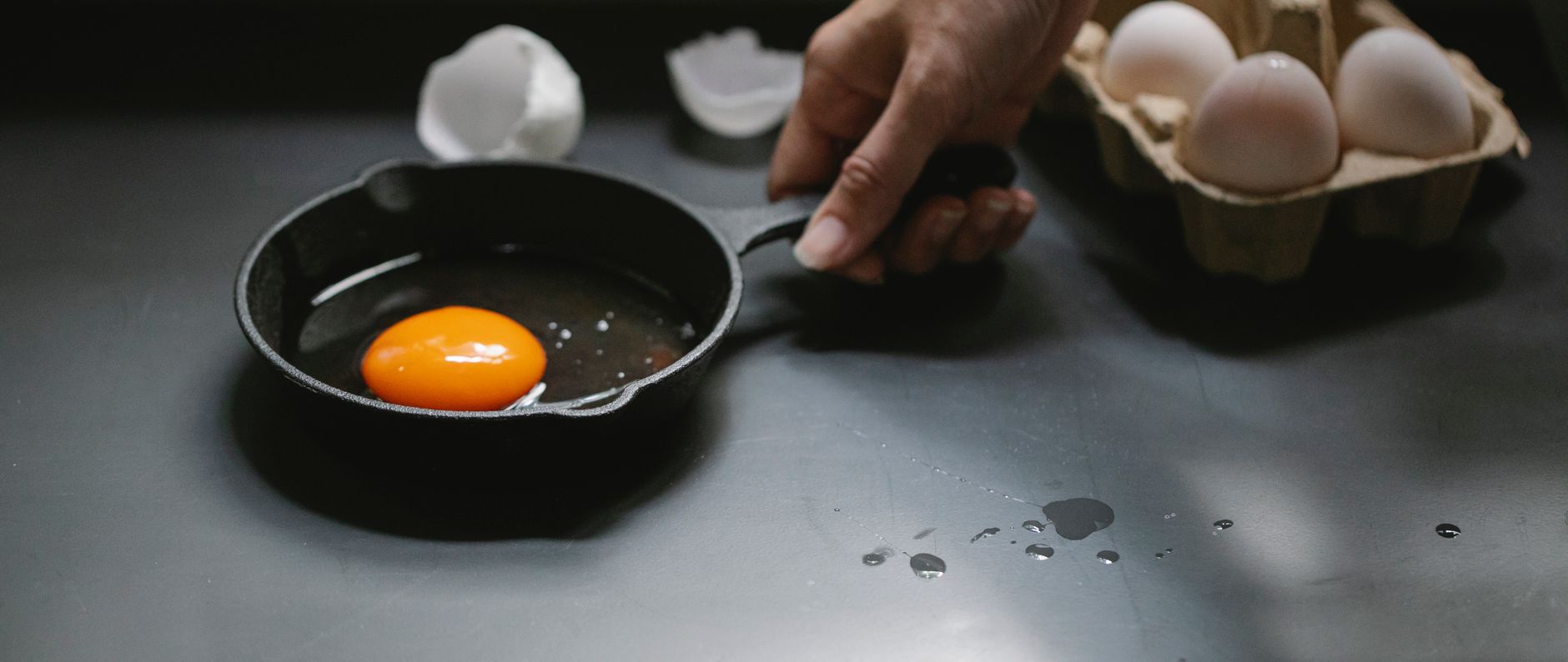
A new cast iron may cause eggs to stick, while a well-seasoned skillet lets them slide off easily. Patience and care build this difference.

Heating and Hot Spots
Heat Retention vs Heat Distribution
Cast iron holds heat incredibly well, but it doesnt distribute heat evenly like aluminum pans. Thick cast iron can have hot spots, requiring attention to cooking technique.
Managing Hot Spots and Heating Techniques
To avoid uneven cooking, preheat your pan on medium heat for 510 minutes. Adjust heat or move food frequently to prevent burning in hot zones.
Comparison with Stainless Steel and Aluminum
Unlike the faster heating of aluminum or stainless steel, cast iron excels at steady, long-term heat retention perfect for frying and simmering at constant temperature.
Using Metal Utensils
When Metal Utensils Are Safe
Metal spatulas and forks are safe if used gently. Cast irons hard surface withstands metal, but avoid scraping aggressively to protect seasoning.
Pros and Cons of Different Cooking Tools
- Wood or silicone utensils preserve seasoning best.
- Metal tools offer precision but risk scratching if misused.
Expert Recommendations for Tools
Many chefs prefer a mixmetal spatulas for searing steaks, wooden spoons for stirring. Key is avoiding scraping or scraping with force.
Soaking Skillets
Why Soaking Causes Rust and Damage
Soaking traps moisture in the skillets pores, causing rust and deterioration of seasoning. This shortens your skillets lifespan.
Proper Cleaning for Stuck Food
Use coarse salt and a little water to scrub tougher food bits without waterlogging. Heat and scraping with a spatula on warm skillet is also effective.
Quick Cleaning Hacks
- Sprinkle kosher salt and scrub with paper towel or brush.
- Simmer water in skillet briefly to loosen residue.
Rust Removal and Restoration
How Rust Forms
Rust happens when water isnt dried quickly or oiling is skipped. Exposure to moisture overnight or longer causes oxidation.
Restoring a Rusty Skillet
Use steel wool or fine sandpaper to scrub rust away. Wash and dry completely. Then re-season by coating with oil and baking upside down at 450F (230C) for 1 hour.
Stories of Skillet Revival
Many cast iron lovers swear by restoring vintage or forgotten pans with this simple method. It brings back cooking performance and a natural patina.
Re-Seasoning Importance
Why Re-Seasoning Extends Life
Seasoning protects metal from rust and creates smoother cooking surfaces. Without refresh, seasoning cracks or wears down, causing sticking and rust.
Signs Your Skillet Needs Re-Seasoning
- Food sticks persistently
- Rust patches appear
- Dull, uneven black finish instead of shiny patina
Easy Home Re-Seasoning Methods
Clean skillet thoroughly, dry, apply a thin coat of flaxseed or vegetable oil. Bake upside down at 450F for 1 hour, cool in oven. Repeat if needed.
Cast Iron Budget
Budget vs Premium Skillets
Some cheap skillets are unrefined with rough surfaces or factory pores that hinder seasoning. Higher-end models smooth the metal, making seasoning easier and more durable.
Finding Quality Without Overspending
Look for brands with centuries of tradition or good reviews. Used vintage skillets, if cleaned and restored, offer excellent value.
Used/Vintage Cast Iron Care Tips
Inspect for cracks or warping. Restore seasoning carefully to ensure safe and effective cookware.
Acidic Foods in Cast Iron
How Acidic Foods Affect Seasoning
Acidic ingredients like tomatoes or lemon can erode seasoning and increase metallic taste initially.
Safe Cooking Practices with Acid
Use well-seasoned cast iron or cook acidic dishes for short periods. Follow with re-oiling to maintain the surface.
Recipes and Tips
Try quick tomato sauces on seasoned skillets but avoid all-day braising high-acid foods in new pans.
Washing Frequency
Not Washing vs Washing Incorrectly
Some think cast iron should never be washed, but regular cleaning prevents food buildup and bacteria.
Recommended Cleaning Routines
Clean after every use with hot water and brush. Wipe dry and oil lightly. Avoid long soaks or dishwasher use.
Cooking Surface Compatibility
Use on Different Stovetops
Cast iron works on gas, electric, induction, and in oven settings. On induction, ensure the pans base is flat for proper contact.
Best Practices Per Surface
Preheat slower on electric to avoid cracking. On gas, moderate flames prevent overheating handles.
Over-Seasoning Risks
What Happens if You Overseason
Too much seasoning creates uneven sticky patches that ruin the surface and flavor.
Fixing an Overseasoned Skillet
Scrub off layers with steel wool, wash with soap, dry, and re-season in thin, even coats.
Vintage vs Modern
Pros and Cons
Vintage skillets have smoother surfaces but might lack some modern coatings or design improvements. Modern pans can have better heat distribution or lighter weight.
Manufacturing Changes
Todays skillets may be preseasoned at factory, saving time but requiring less customization.
Durability Limits
Realistic Lifespan
Cast iron can last decades with care, but cracking, chipping, or severe rust will shorten life.
Care Tips to Extend Life
Dry immediately after washing, oil regularly, avoid dropping or thermal shock (dont plunge hot pan into cold water).
When to Repair Versus Retire
Minor rust and surface damage can be repaired. Warps or cracks often mean its time to replace.
Is cast iron skillets actually Halal what should I check?
Cast iron skillets themselves are made of metal and inherently Halal. When buying Halal-certified cookware bundles or pre-seasoned pans, look for certification logos from trusted bodies such as JAKIM, HMC, or IFANCA to ensure compliance with Halal manufacturing standards. Always check for any added coatings or oils that might contain animal-derived ingredients.
Can I cook acidic foods in cast iron without harming the skillet?
Yes, but only if your skillet is well-seasoned. Cook acidic foods like tomato sauces briefly to avoid breaking down seasoning. Re-oil the surface after cooking. Avoid long braises with acidic ingredients on new pans.
How often should I re-season my cast iron skillet?
Re-season after about 34 months of regular use or whenever food starts sticking. If rust appears, immediate re-seasoning is necessary. Home seasoning takes about an hour at 450F per cycle.
Can I use metal utensils without damaging the skillet?
Yes, light use of metal utensils is safe. Avoid scraping hard or scraping off seasoning layers. Wood or silicone tools are gentler options for preserving seasoning.
What is the best way to clean a stuck-on burnt food from cast iron?
Add coarse kosher salt and a small amount of water, then scrub with a paper towel or brush. Alternatively, simmer water in the skillet for 5 minutes to loosen debris before scrubbing.
Are vintage cast iron pans better than new ones?
Vintage pans often have smoother surfaces that season well. However, new pans benefit from factory seasoning and improved designs. Both perform well with proper care.
Can I use cast iron on an induction stove?
Yes, cast iron works on induction stoves if the base is flat and clean for contact. Avoid warped pans which wont work efficiently on induction cooktops.
Buying Tips for Cast Iron Skillets
One overlooked mistake is choosing very cheap skillets that have rough surfaces. These pans are harder to season and tend to rust faster. Investing in a recognized brand or restored vintage skillet delivers better long-term value.
Dont be tempted by overly glossy factory seasoning that flakes easily. Look for a matte, slightly textured finish as a sign of quality.
Expert tip: If buying used, inspect closely for cracks or warping. A solid skillet with minor rust can be restored to like new with simple re-seasoning steps.
| Certification | Price Range | Common Formats | Shelf Life | Key Allergens |
|---|---|---|---|---|
| None (metal cookware) | $20 - $150+ | Skillet, griddle, Dutch oven | 10+ years with care | None (metal) |
You may also like exploring the broth vs stock differences to enhance your soup recipes or check the best foods for fiber guide for healthy meal ideas that complement hearty cast iron dishes.
Final Thoughts
Understanding cast iron skillets beyond common myths helps you unlock their full potential. These pans are durable, versatile, and naturally Halal cookware that, with proper care, serve your kitchen for years. Next time you shop or cook, remember the truths behind these myths and enjoy confident, healthy meals with your cast iron skillet. Feel free to share your own tips or questions below!
FAQs
Is cast iron skillets actually Halal — what should I check on the label?
Cast iron skillets are inherently Halal as they are made from metal. When purchasing pre-seasoned or cookware bundles, check for certification logos from trusted bodies like JAKIM, HMC, or IFANCA to ensure Halal manufacturing standards and verify no animal-derived coatings are used.
How long do cast iron skillets last with proper care?
With regular maintenance such as drying promptly and re-seasoning, cast iron skillets can last decades. Rust, cracks, or warping will shorten lifespan, but minor damage can often be repaired to extend usability.
How do cast iron skillets differ from non-stick pans?
Cast iron skillets develop a natural non-stick surface through seasoning rather than synthetic coatings. They retain heat better and can last longer, but require proper care to maintain their non-stick patina, unlike Teflon pans which can degrade.
Are cast iron skillets safe for everyday cooking?
Yes, cast iron skillets are safe for daily use. They may release beneficial iron into food, though people with iron-related conditions should consult a doctor. Proper cleaning and seasoning preserve safety and performance.
Where can I buy quality cast iron skillets?
Quality cast iron skillets can be found at reputable kitchenware retailers, specialty cooking stores, and online marketplaces. Consider well-known brands or restored vintage pans for better durability and seasoning potential.