Grilling pork cuts can be tricky if you dont know which pieces perform best on the grill. Some cuts bring rich flavor and juiciness, while others can turn tough or dry quickly. Understanding the right pork cuts grilling options ensures every BBQ is a success and your meat stays tender and delicious.
Best Cuts for Grilling
What Makes a Pork Cut Ideal for Grilling?
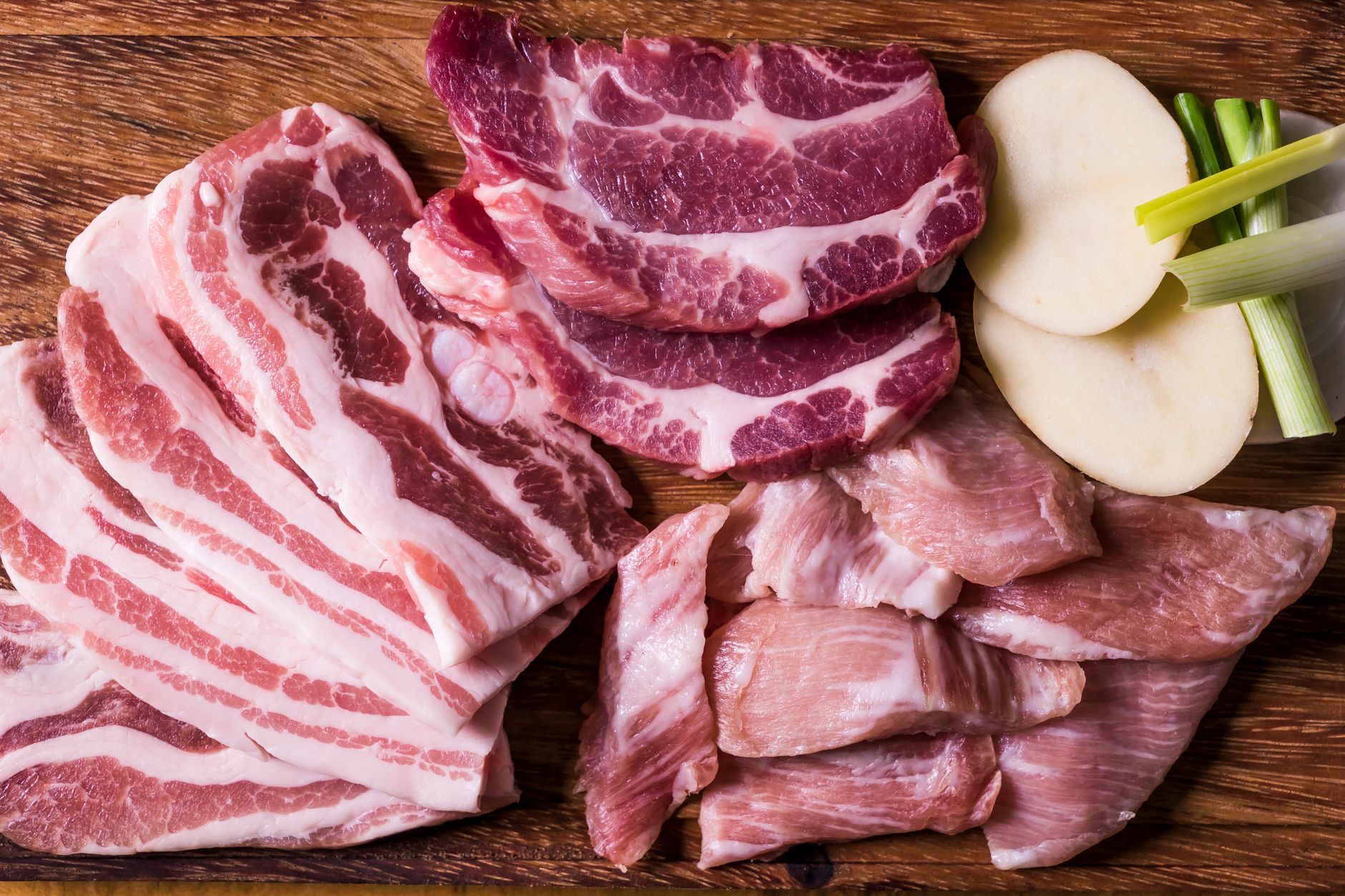
When choosing pork cuts grilling, fat content, tenderness, and thickness are key factors. A properly marbled pork cut melts into juicy tenderness over heat. Marbling refers to intramuscular fat, which helps keep the meat moist while cooking. Thickness also matters: thinner cuts cook fast but risk drying out, while thicker cuts need longer, controlled heat to avoid toughness.
Why marbling matters on the grill
Marbling enhances flavor and juiciness during grilling by slowly rendering fat inside the meat. This prevents dryness and gives that luscious bite everyone craves. Cuts high in intramuscular fat will remain moist even over high flame, especially when balanced with the right grilling technique.
Importance of thickness and cooking time
Thicker cuts take longer for heat to penetrate, so grilling should be indirect or over lower heat. Thin slices benefit from short, direct grilling to avoid becoming tough. Balancing thickness with time helps preserve texture and flavor for each cut.
Top Pork Cuts to Put On Your Grill
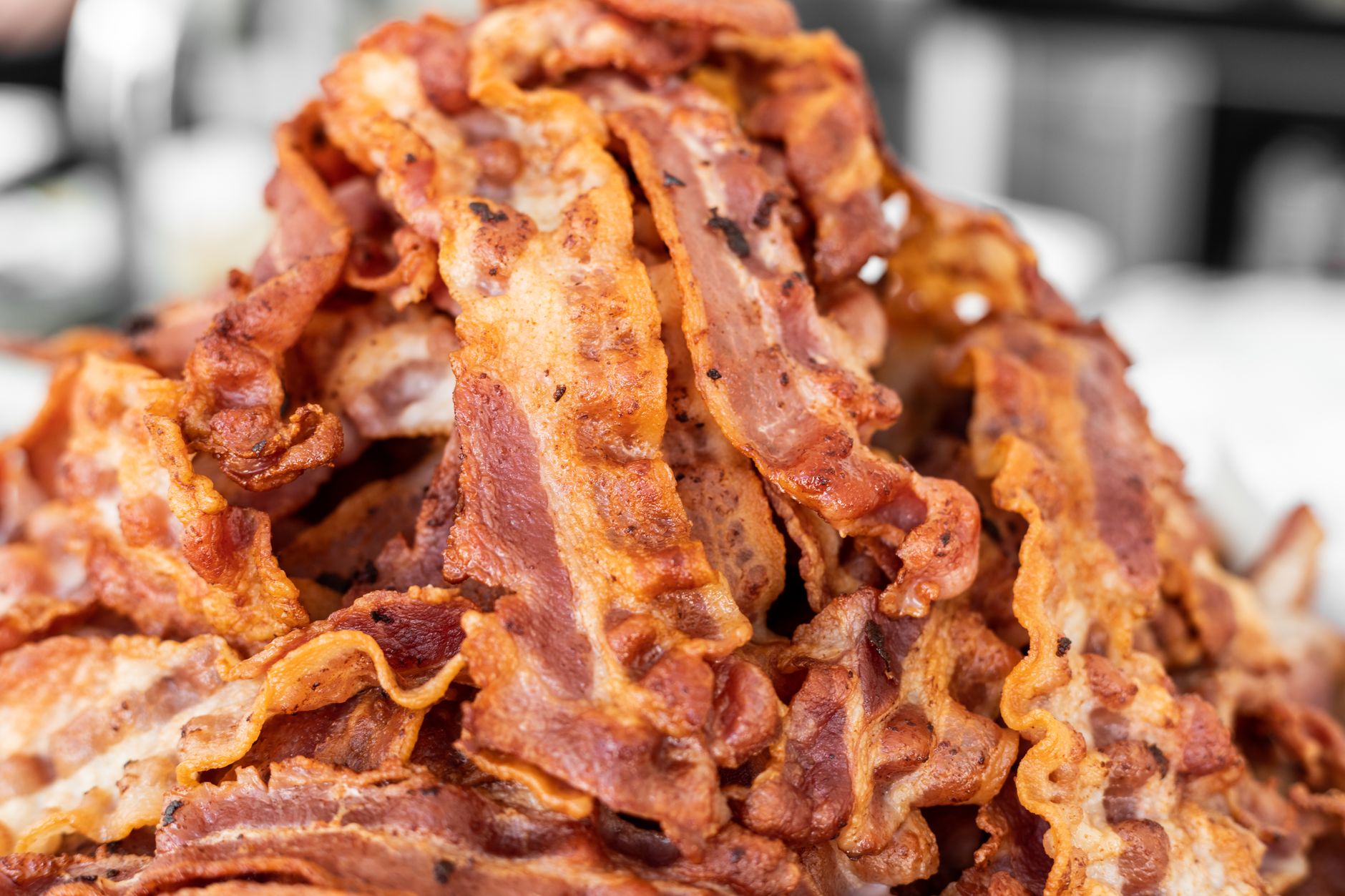
Pork belly the fatty, flavorful king of barbecue pork cuts
Pork bellys heavy fat content makes it grilling gold. When cooked right, the fat crisps while the meat inside stays tender and juicy. Try scoring the skin side for crispiness, then cook over indirect heat to render fat without burning. This cut pairs perfectly with smoky, sweet rubs.
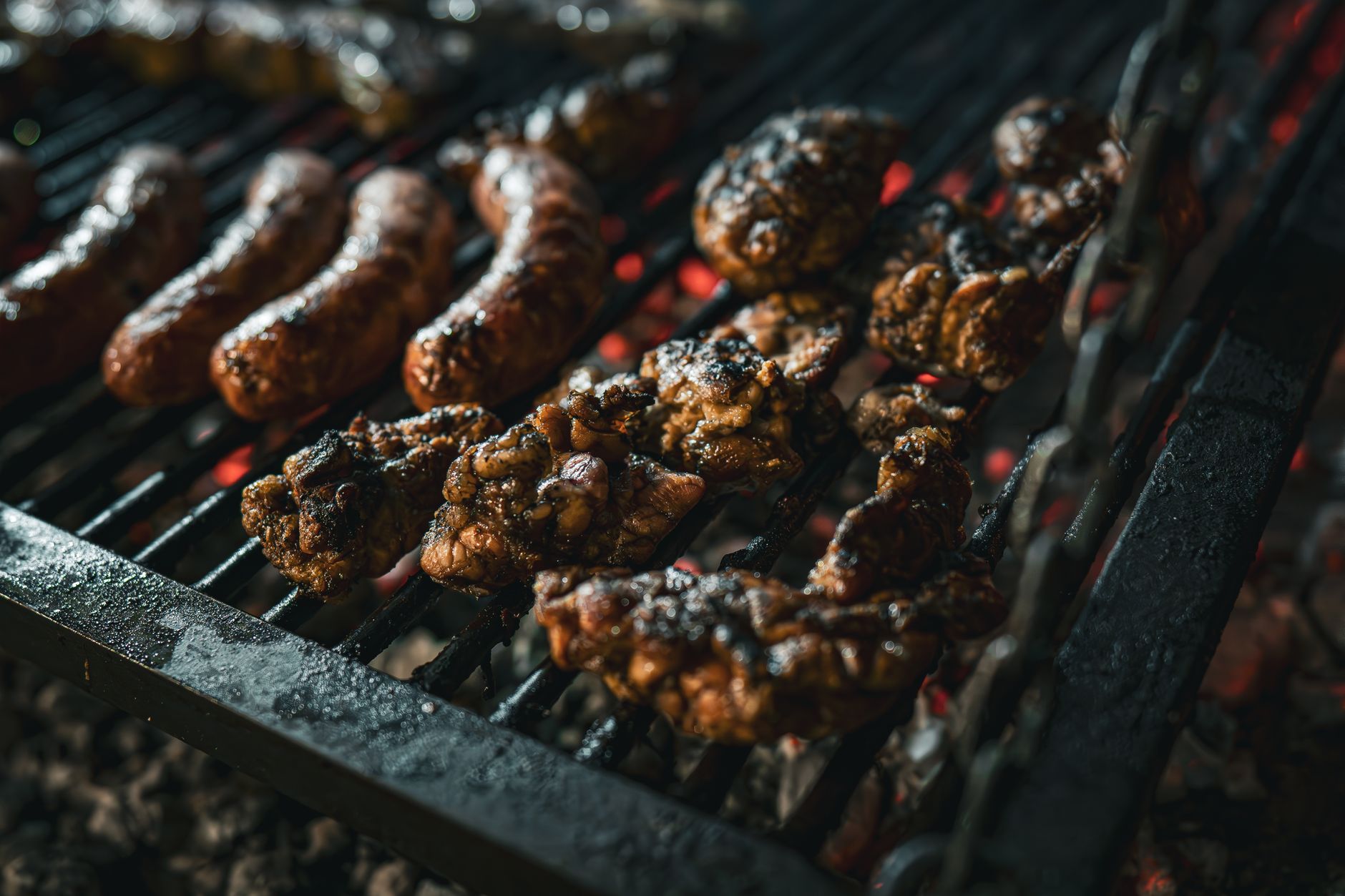
Pork chops bone-in vs. boneless, which grills better?
Bone-in pork chops usually offer better flavor and moisture retention than boneless. The bone conducts heat slowly, helping juices distribute evenly through the meat. Thick-cut chops (around 1.5 inches) are ideal; grill over medium-high heat for 68 minutes per side, aiming for a slightly pink center at 145F internal temperature.
Baby back ribs how to get that smoky, fall-off-the-bone texture
Baby back ribs require patience but reward you with rich flavor. Slow cooking over indirect heat with wood chips infuses smoke while breaking down collagen. Wrap ribs in foil halfway through to lock in moisture. Finish over direct flame briefly for appealing caramelized edges.
Shoulder butt (Boston butt) slow, indirect grilling secrets
This cut is perfect for low-and-slow grilling or smoking. The high fat and connective tissue break down over long cooking, creating tender pulled pork. Maintain a grill temperature around 225250F, cooking for 68 hours depending on size, until the internal temperature hits 195203F.
Expert Tips for Perfectly Grilled Pork Cuts
Marinades and rubs that enhance pork flavor
Use acidic marinades (apple cider vinegar, citrus) to tenderize and balance rich pork flavors. Dry rubs with brown sugar, smoked paprika, garlic powder, and black pepper create flavorful crusts. Avoid heavy salt until just before grilling to prevent moisture loss.
Optimal grill temperature and timing by cut
- Thin chops: medium-high heat, 57 minutes per side
- Pork belly: indirect heat, 225275F, 1.52 hours
- Ribs: low heat 225F for 46 hours
- Shoulder butt: 225250F for 68 hours
How to rest pork after grilling for maximum juiciness
Rest grilled pork 510 minutes loosely tented with foil before cutting. This lets juices redistribute, avoiding dryness. Skipping rest causes meat to lose moisture when sliced immediately.
Cut to Avoid Grilling
Why Some Cuts Dont Work on the Grill
Tough, sinewy textures or overly lean cuts dont hold up well to quick grilling. Some cuts dry too fast, others remain chewy despite long cooking. Knowing which pork cuts grilling is not ideal saves you time and disappointment.
Specific Cuts to Skip on the Grill
Pork loin roast why it dries out quickly
This lean, low-fat cut has great flavor but dries easily over direct grill heat. Its better roasted or sliced thin and cooked quickly to avoid toughness.
Pork shanks too tough and sinewy for direct grilling
Shanks contain a lot of connective tissue that require slow, moist heat rather than flame. Grilling usually results in tough, rubbery meat.
Ham hocks better suited for slow cooking or braising
Ham hocks need low heat and moisture for many hours to break down collagen. Grilling doesnt provide enough time or moisture, making them unsuitable.
Alternative Cooking Methods for Tough Cuts
Braising and slow roasting explained
Braising uses liquid, low heat, and long cooking times to transform tough pork cuts into tender meals. Slow roasting at lower temps also softens connective tissue. These methods often yield more forgiving results than grilling for certain cuts.
When to use smoking or sous-vide
Smoking adds low, indirect heat plus flavor, ideal for tougher cuts like shoulder butt. Sous-vide offers precise temperature control, ensuring tenderness before finishing on the grill for char.
Essential Pork Grilling Guide
Preparing Your Pork Cuts for the Grill
Trimming and seasoning: best practices
Trim excess silver skin or thick fat caps for even cooking. Season pork with salt 1520 minutes before grilling for moisture retention. Apply marinades or rubs 14 hours ahead, depending on intensity desired.
Brining pork does it really help?
Soaking pork in salted water for 30 minutes to 4 hours improves juiciness and flavor. Brining is especially helpful for leaner cuts like chops or loin but less necessary for fatty pieces like pork belly.
Safety and Doneness Tips for Grilling Pork
Target internal temperatures to ensure safety without drying out
The USDA recommends 145F internal temperature for pork, followed by 3 minutes rest. This ensures safety while preserving juiciness, avoiding overcooked, dry meat often seen with old standards of 160F.
Using a meat thermometer correctly
Insert the thermometer into the thickest part of the cut, avoiding bones. Check temperature early to prevent overshooting. Digital instant-read thermometers offer fast, reliable results.
Troubleshooting Common Pork Grilling Mistakes
Handling flare-ups and uneven cooking
Flare-ups from dripping fat cause charring. Manage them by moving meat to cooler areas, using a spray bottle to control flames, or trimming excessive fat beforehand.
Fixing dry or tough pork
If pork turns dry, slice thinly and serve with sauces or dips to compensate. Tough meat benefits from slicing against the grain and pairing with moist side dishes.
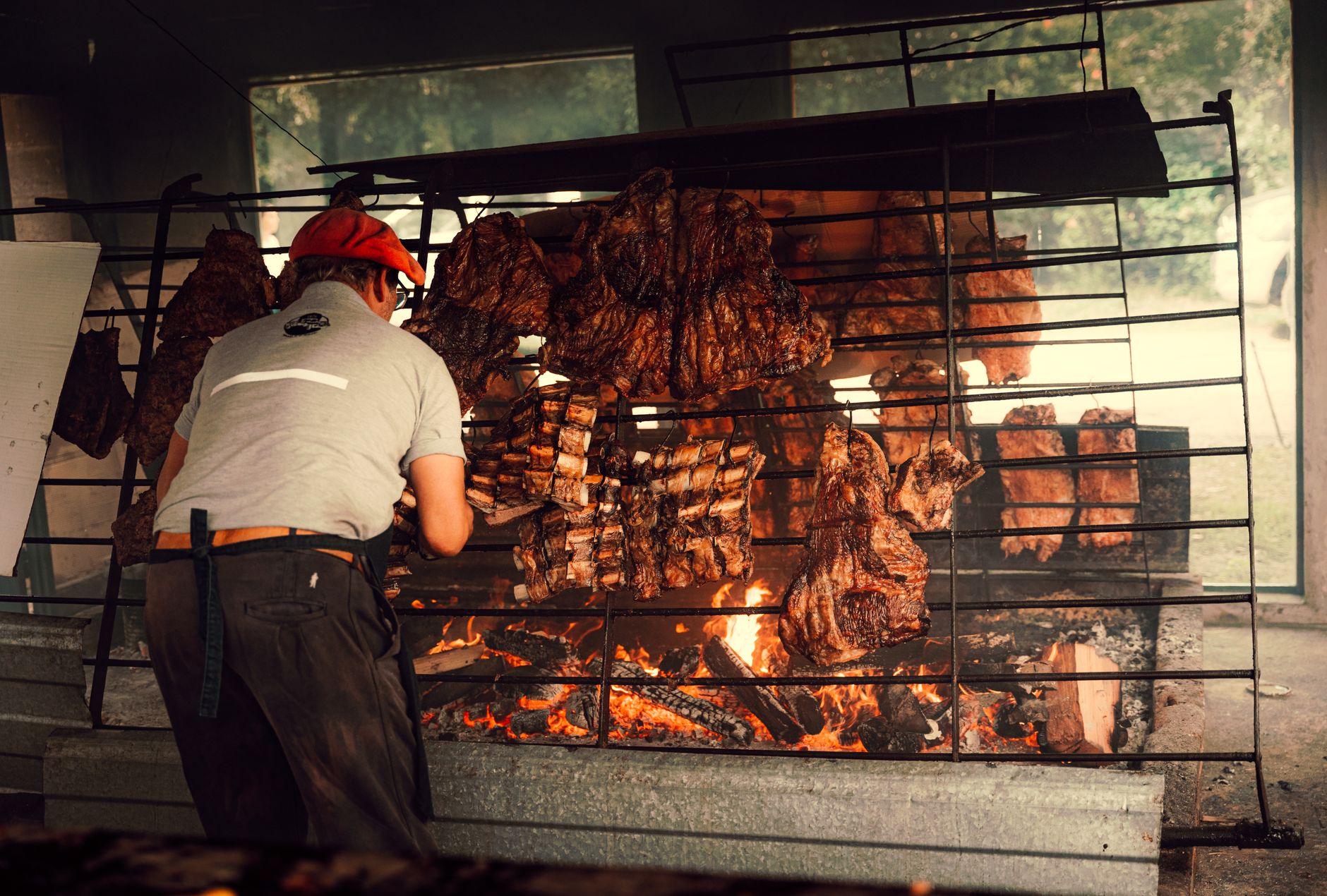
Balancing Benefits and Risks
Health Considerations with Different Pork Cuts
Fat content and nutritional trade-offs
Fatty pork cuts contribute more calories and saturated fat, which some prefer to moderate for health reasons. Lean cuts offer protein with fewer calories but sacrifice some juiciness. Prioritize balance based on your dietary needs and flavor preference.
Potential risks of charred meats and how to reduce them
Excess charring forms harmful compounds like HCAs and PAHs. To limit these, avoid direct high flames, flip often, marinate beforehand, and trim burnt edges before eating.
Ethical and Quality Sourcing of Pork Cuts
How choosing quality pork impacts flavor and health
Opt for pork certified under respected bodies like JAKIM, HMC, or IFANCA for Halal compliance and safe handling. Higher-quality pork from trusted farms often tastes cleaner and reduces exposure to antibiotics or hormones.
Trusted sources and certifications to look for
Look for clear Halal logos, traceability labeling, and lean or natural claims. These help ensure the pork is Halal-certified and made with health-conscious standards you can trust.
When managing your meat prep or slicing pork cuts for the grill, a quality Meat slicer can make a big difference in texture consistency and cooking results.
When is the best time to eat grilled pork?
Grilled pork is best enjoyed fresh off the grill while warm and juicy. Eating immediately after the recommended rest window ensures optimal flavor and texture. Serve with fresh sides to balance the rich meat.
Is grilled pork safe for Halal diets?
Pork itself is not Halal according to Islamic dietary laws. However, this guide is for informational and culinary knowledge purposes only. Always choose Halal-certified meats from trusted sources with official JAKIM or equivalent logos if abiding by Halal guidelines.
How long should I let pork rest after grilling?
Rest pork cuts for 5 to 10 minutes covered loosely with foil after grilling. This allows juices to redistribute and prevents drying out once sliced.
Can I marinate pork overnight?
Yes, marinating pork cuts for up to 24 hours deepens flavor and tenderizes meat, especially for leaner cuts. However, avoid acidic marinades longer than 8 hours to prevent mushy texture.
What temperature should I grill pork chops?
Grill pork chops over medium-high heat around 375400F for about 68 minutes per side, reaching 145F internal temperature for safe and juicy results.
Are cured pork cuts good for grilling?
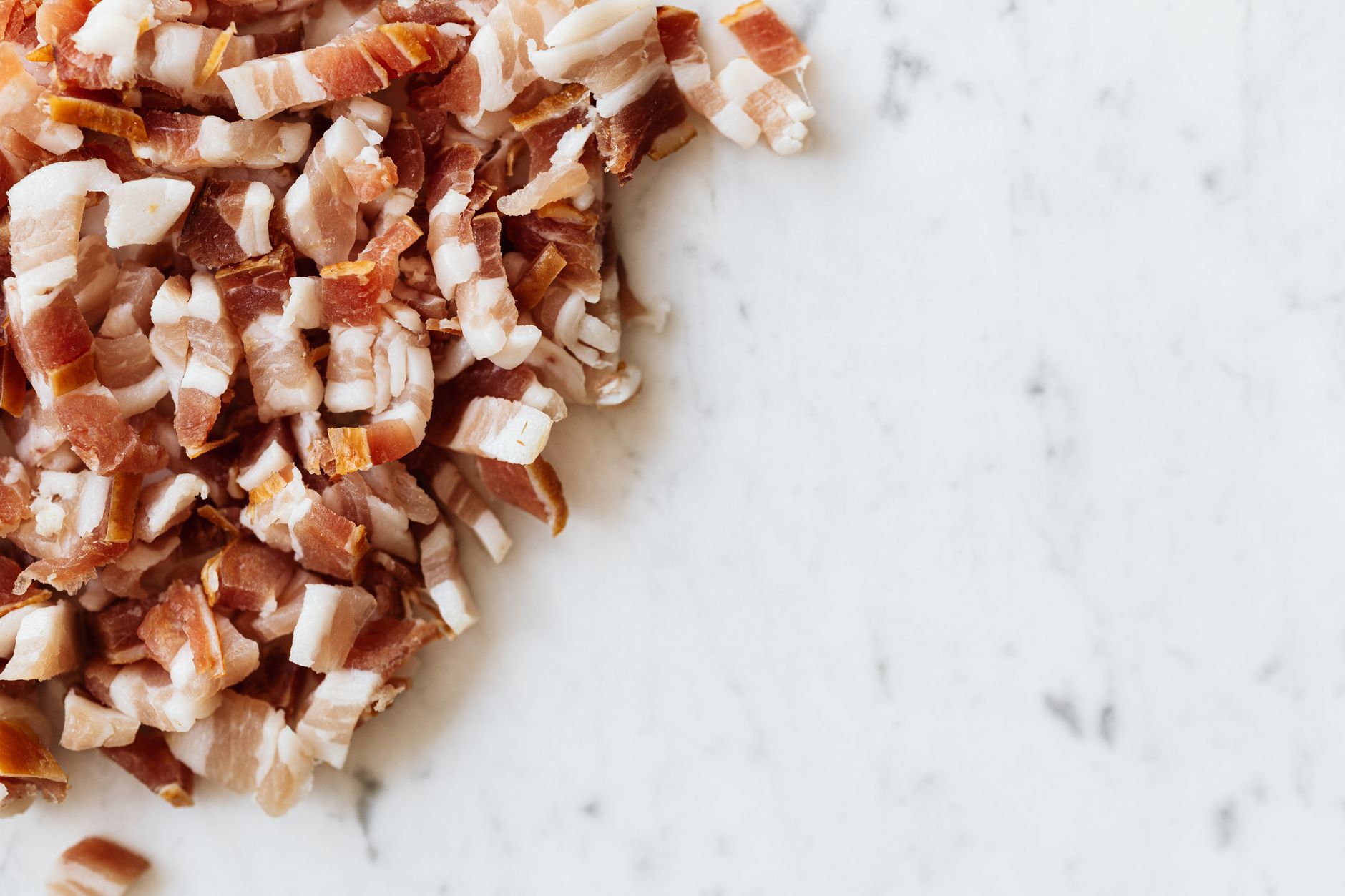
Cured pork cuts like ham or pancetta can be grilled but require careful attention to avoid over-salting or burning. Use indirect heat and short grilling times.
Why did my grilled pork turn dry?
Dry pork usually means overcooked or cooked at too high heat for too long. Use a meat thermometer to hit 145F, avoid flare-ups, and rest meat before slicing.
Pro Tips for Pork Grilling Success
- Never skimp on a digital meat thermometer. Guesswork leads to dry or unsafe meat.
- Trim away large fat caps that cause flare-ups but leave thin marbling intact.
- Use a two-zone grill setup: direct flame for sear, indirect for finishing thick cuts safely.
- Experiment with wood chips (apple, hickory) for nuanced smoky notes.
- Resting pork is non-negotiable for juicy resultspatience pays off.
For advice on safely handling poultry alongside your pork dishes, see our detailed guide on Thaw chicken safely. Proper thawing complements grilling success and kitchen safety.
More You Might Like
Discover how to properly store and handle dairy products to keep your kitchen running smoothly and your family healthy. Or explore Halal-certified bakery items perfect for pairing with grilled meals to complete your dining experience.
Ready to up your BBQ game? Start selecting the right pork cuts grilling for your next cookout and enjoy vibrant, juicy results made easy with these tips. Feel free to share your grilling stories or questions in the comments below!
FAQs
Is Pork cuts grilling actually Halal — what should I check on the label?
Pork itself is not Halal according to Islamic dietary laws. If you require Halal food, avoid pork and choose meats certified by trusted bodies like JAKIM or IFANCA. Look for clear Halal logos and official certifications on packaging to ensure compliance with Halal guidelines.
When is the best time to eat or drink Pork cuts grilling?
Grilled pork is best enjoyed fresh off the grill, after resting 5 to 10 minutes to allow juices to redistribute. Eating it warm and juicy ensures optimal flavor and texture. Serve immediately after resting with fresh sides for the best experience.
How long can grilled pork keep after opening or cooking?
After grilling, store leftover pork in an airtight container in the fridge and consume within 3 to 4 days for safety and quality. Always reheat thoroughly before eating to maintain flavor and prevent foodborne illness.
What is the difference between pork cuts grilling and other cooking methods?
Pork cuts grilling uses direct or indirect heat to add a smoky flavor and crisp exterior. Other methods like braising or slow roasting use moisture and low heat to tenderize tougher cuts, which grilling alone cannot achieve.
Where can I buy quality pork cuts suitable for grilling?
Purchase pork cuts from reputable butchers or stores that offer Halal-certified or high-quality meats. Look for clear labeling, freshness indicators, and certifications such as JAKIM or IFANCA to ensure safety and flavor.