Deboning chicken thighs might sound tricky, but once you get the hang of it, it becomes a straightforward process. Learning how to debone chicken thighs not only makes your meals more versatile but also ensures tender, boneless meat ready for any recipe. With a few essential tools and simple steps, youll save time and avoid wasting delicious meat stuck to the bone.
Tools You Need
What Knife Works Best for Deboning Chicken?
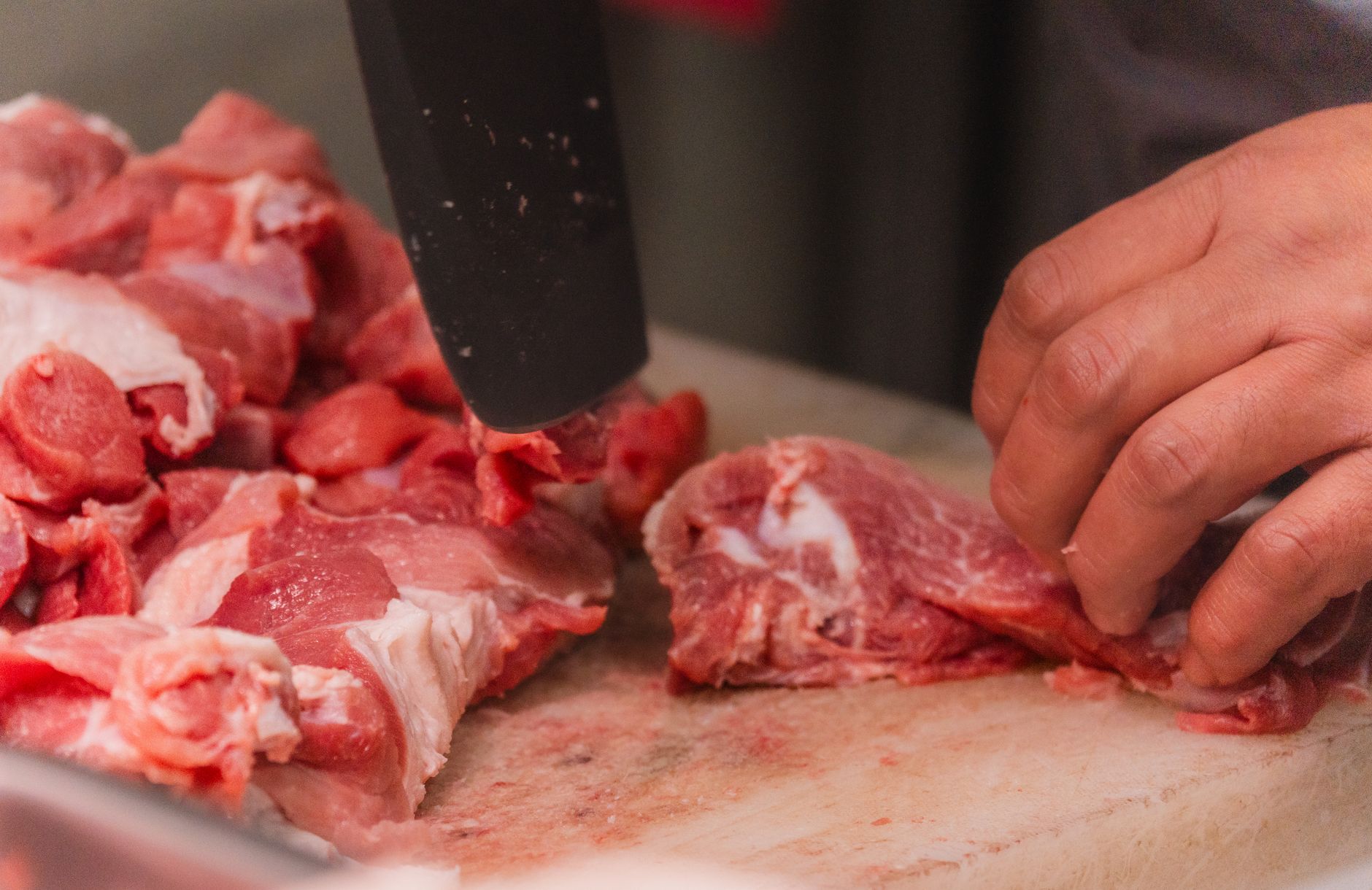
The ideal knife for deboning chicken thighs is a boning knife. It has a narrow, sharp blade that flexes easily, letting you cut close to the bone without tearing the meat. Compared to a paring knife, the boning knifes shape allows more control and precision, especially when working around joints and cartilage.
If you dont have a boning knife, a very sharp paring knife can work, but it might require more careful handling to avoid accidental slips and uneven cuts.
Are Other Tools Helpful?
Tweezers or kitchen pliers come in handy to remove small pin bones and cartilage fragments that remain after the major bones are taken out. Kitchen shears can help snip through tough parts like connective tissue or skin when needed.
Preparing Your Workspace
Use a clean, stable cutting boardpreferably plastic or glass for easy sanitation. Have plenty of paper towels and a bowl nearby for bones and scraps. Keeping your workspace organized reduces the chance of contamination and speeds up the process.

Step-by-Step Deboning Guide
How to Trim Excess Fat and Skin?
Before deboning, trim any extra fat or loose skin. This reduces mess and makes handling easier. Removing excess fat also helps the meat cook more uniformly and results in a cleaner taste.
How to Score Along the Bone?
Place the chicken thigh skin-side down with the bone visible. Using your boning knife, make a shallow cut along both sides of the bone to loosen it from the meat. The goal is to expose the bone gently without cutting too deep into the flesh.
How to Slice the Bone Away Without Tearing?
Hold the bone with your non-dominant hand, then carefully slide the knife along the bones curve, cutting the meat free. Keep the blade angled slightly toward the bone to avoid wasting meat. Use small, precise strokes rather than forcing the knife. Your hand placement should protect your fingers while giving control over the cut.
How to Remove Smaller Bone Fragments?
After the main bone is out, run your fingers gently over the meat to find any pin bones or cartilage fragments. Use tweezers to pull these out carefully. This step prevents unpleasant surprises when cooking or eating.
Should You Remove Skin Before or After Deboning?
Its generally easier to keep the skin on while deboning to maintain the meats integrity and help with grip. However, if your recipe calls for skinless thighs, you can remove the skin either before or after deboning, depending on your comfort level. Skin-on thighs hold together better during this process.
Common Mistakes to Avoid
- Cutting too deep and wasting meat stuck to the bone.
- Rushing, leading to jagged cuts or bone shards mixed in with meat.
- Using a dull knife that tears rather than slices.
- Not removing all pin bones, which can be dangerous when eating.
Deboning Tips & Tricks
Quick Hacks to Speed Up Deboning
Work on room-temperature chicken thighs for easier cutting. Cold meat is firmer and can be tougher to handle. You can also partially freeze the thighs for 1520 minutes before deboning, which firms the meat without freezing solid and makes clean cuts easier.
How to Keep Meat Intact?
Maintain a slow, steady slicing motion instead of applying heavy pressure. Supporting the thigh properly while cutting prevents tearing or shredding the flesh. Using a flexible boning knife greatly helps maintain the meats shape.
Safe Handling to Avoid Contamination
Wash hands and tools thoroughly before and after handling raw chicken. Use separate cutting boards if possible. Always sanitize surfaces immediately to prevent cross-contamination. Remember: raw poultry must be kept cold before and after deboning and cooked promptly.
Practice Makes Perfect
If youre new to deboning, start with larger pieces and take your time. Watch videos or consult butchers techniques to build confidence. Over time, youll develop speed without sacrificing precision.
Using Boneless Chicken Thighs
Why Choose Boneless Thighs?
Boneless chicken thighs cook faster and are easier to eat, making them perfect for quick meals. Their rich flavor and tender texture suit stir-fries, grilling, braises, and curries. They also absorb marinades better without the bone barrier.
Popular Dishes for Boneless Thighs
- Spicy chicken stir-fry with vibrant vegetables
- Grilled chicken thigh kebabs marinated in garlic and herbs
- Slow-cooked chicken thighs in rich tomato sauce
- Air-fried crispy boneless thighs seasoned with paprika and cumin
Nutritional Comparison
According to the USDA FoodData Central, boneless, skinless chicken thighs provide about 209 calories and 10.9 grams of fat per 100 grams. Bone-in thighs have similar calorie counts but can retain slightly more moisture during cooking, making the texture juicier. Removing the bone reduces cooking time but may require careful handling to maintain tenderness.

Storing Deboned Chicken Thighs
Refrigeration Best Practices
Place deboned chicken thighs in an airtight container or wrap tightly with plastic wrap. Store in the coldest part of the refrigerator at or below 4C (40F). Properly stored, they last 12 days for maximum freshness and safety.
Freezing Guidelines
Wrap thighs tightly in plastic wrap and place in a freezer bag with as much air removed as possible. Label with the date. Raw boneless chicken thighs freeze well for 9 months. Cooked leftovers keep for up to 4 months in the freezer.
Signs of Spoilage
Watch out for foul odors, sticky or slimy texture, and unusual discoloration. Any green or gray hues or sour smells mean you should discard the meat immediately.
Freezing Raw vs. Cooked
Raw boneless thighs freeze better because cooking first can sometimes alter the texture on thawing. However, fully cooked deboned thighs are more convenient for quick meals and freeze well if stored properly.

When is the best time to eat deboned chicken thighs?
Deboned chicken thighs are versatile and can be enjoyed any time of day. They make hearty lunches or dinners, as well as protein-rich wraps or salads for lighter meals. Cooking them fresh soon after deboning ensures maximum juiciness and flavor.
Is debone chicken thighs actually Halal what should I check?
Deboned chicken thighs are Halal if sourced from properly certified providers. Look for certification logos from trusted bodies such as JAKIM, HMC, or IFANCA on packaging. These ensure the chicken was slaughtered and handled according to Islamic law and safe food practices.
How can I sharpen my deboning knife safely?
Use a whetstone or guided sharpening system. Keep the blade angle consistent (around 20 degrees) and sharpen slowly to maintain the thin flexible edge needed for boning. Regular honing before use also prolongs sharpness.
Whats the difference between skin-on and skinless boneless thighs in recipes?
Skin-on boneless thighs offer more moisture and crispy texture when cooked properly. Skinless versions are leaner and better for low-fat diets but can dry out if overcooked. Choose according to recipe needs and personal preference.
Are there alternatives to debone chicken thighs at home?
Some stores sell pre-deboned chicken thighs, saving prep time. You can also ask your butcher to debone poultry. However, learning the skill helps control freshness, minimize waste, and tailor cuts for specific dishes.
How does deboning affect cooking time?
Deboned chicken thighs cook 2030% faster than bone-in counterparts. This lets you prepare meals quicker and experiment with delicate cooking methods like quick sauting without worrying about undercooked bones.
Can I use a meat grinder to process deboned chicken thighs?
Absolutely. A meat grinder is perfect for turning deboned thighs into ground chicken for burgers, meatballs, or sausages. Make sure the chicken is cold, and clean the grinder thoroughly to maintain quality and food safety.
Pro Tips for Perfect Deboning
- Invest in a quality boning knife: A sharp, flexible blade saves time and prevents accidents.
- Keep your chicken cold: Slightly chilled meat firms up and makes cleaner cuts easier.
- Take your time the first few tries: Rushing leads to wasted meat and injuries.
- Use gentle strokes: Dont press hard; let the knife do the work around curves and joints.
- For an expert upgrade: After deboning, consider marinating boneless thighs to enhance tenderness and flavor.
More You Might Like
- Wondering about Capicola vs prosciutto? Learn the key differences between these delicious cured meats and their Halal alternatives.
- If you enjoy making homemade sausages or patties, check out our guide on the best Meat grinder options for your kitchen.
Conclusion
Knowing how to debone chicken thighs opens up countless meal possibilities with tender, boneless meat. With the right tools and technique, the process is simple and rewarding. Next time you shop, look for quality Halal-certified chicken thighs and try deboning at homeyoull gain control over freshness, flavor, and cuts. Feel free to share your own tips or questions in the comments below!
FAQs
Is debone chicken thighs actually Halal — what should I check on the label?
Deboned chicken thighs are Halal only if sourced from certified providers who follow Islamic slaughtering laws. Check for certifications like JAKIM, HMC, or IFANCA on the packaging to ensure the meat complies with Halal standards and safe handling practices.
When is the best time to eat or cook debone chicken thighs?
Deboned chicken thighs are best cooked fresh soon after deboning to maintain maximum juiciness and flavor. They can be enjoyed anytime—perfect for hearty dinners, quick lunches, or protein-rich wraps and salads.
How long can I store deboned chicken thighs after opening?
Store deboned chicken thighs in an airtight container in the refrigerator at or below 4°C (40°F). They remain fresh for up to 1–2 days once opened. For longer storage, freezing is recommended.
What is the difference between deboned chicken thighs and bone-in thighs in recipes?
Deboned thighs cook 20–30% faster and are easier to eat. Bone-in thighs have slightly juicier texture due to retained moisture but take longer to cook. Choose based on your recipe’s cooking time and texture preference.
Where can I buy quality Halal deboned chicken thighs?
Quality Halal deboned chicken thighs are available at specialty Halal butcher shops, trusted grocery stores with Halal sections, or certified online retailers. Always check for proper certification on the packaging.