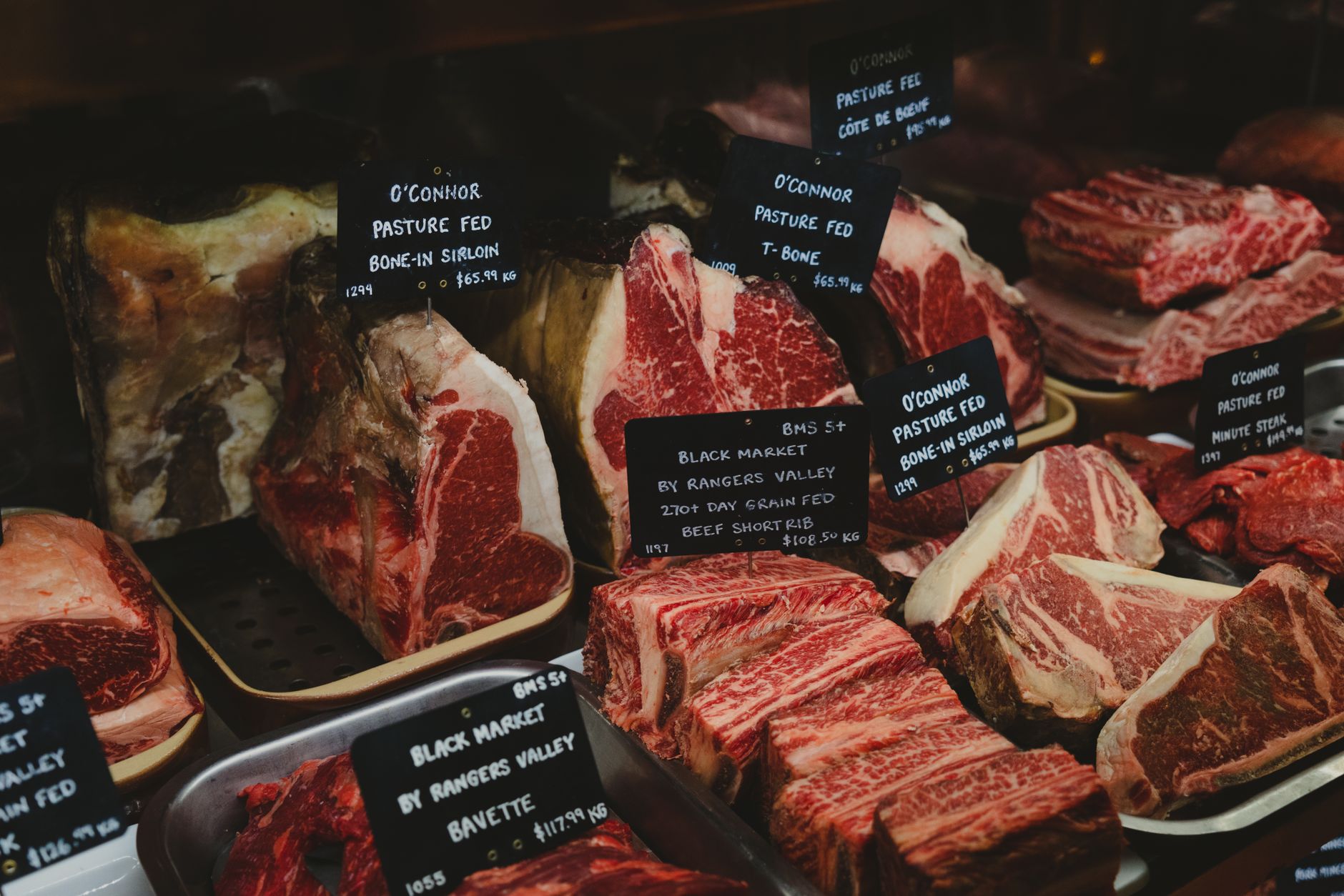
Curious about alligator meat? Its not something you see every day on the dinner table, but alligator meat offers a unique taste experience worth trying. Whether you want to know the best cuts or how to cook this exotic meat perfectly, youre in the right spot. From tenderloin to tail meat, each part brings something special to the plate. Lets explore what makes alligator meat so appealing and how to enjoy it safely and deliciously.
What Is Alligator Meat?
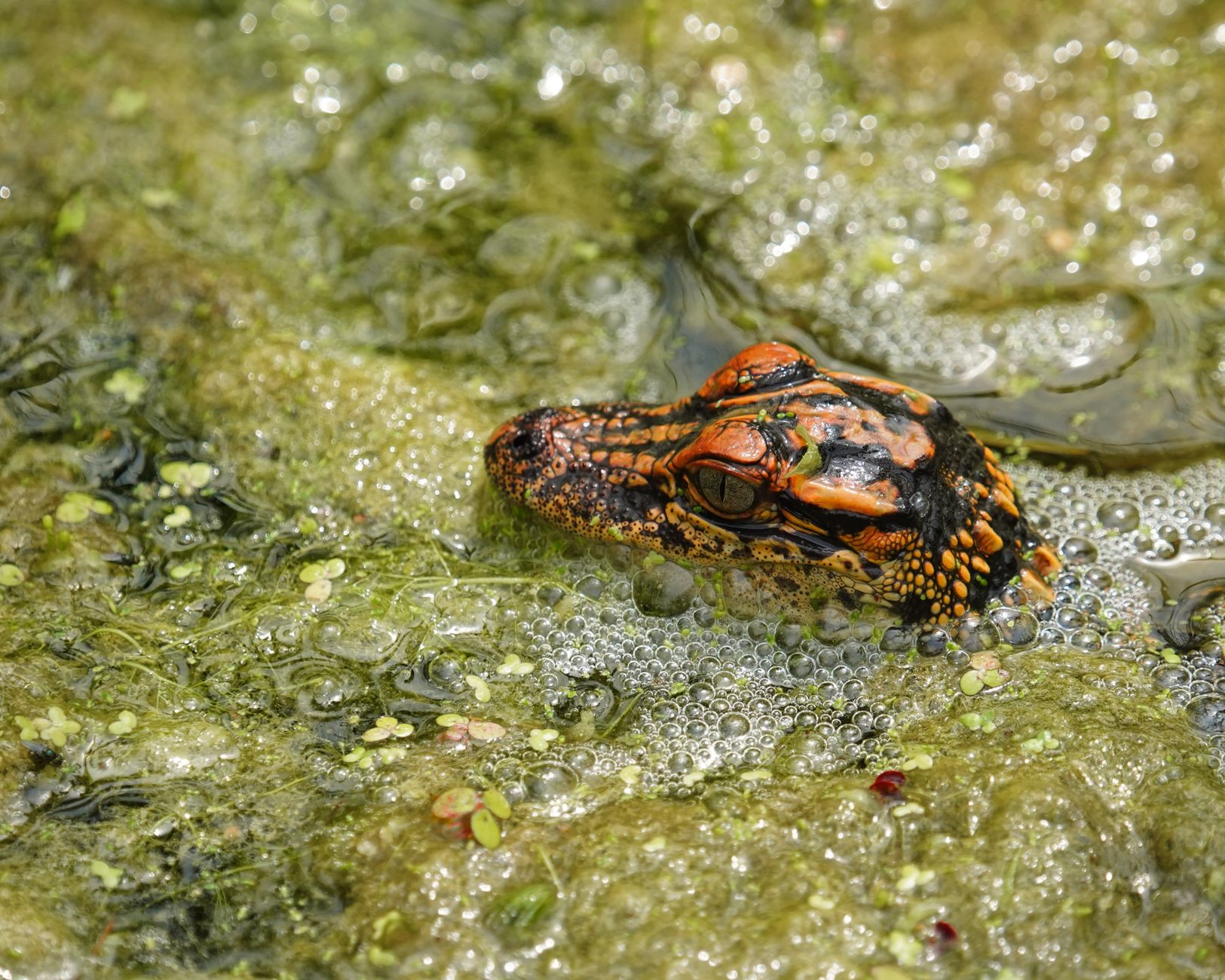
Alligator meat comes from the American alligator, a reptile native to the southeastern United States, farmed mainly for its meat and skin. Its texture is often described as a cross between chicken and fish, with a mildly sweet, slightly gamey flavor. This lean meat is rising in popularity, especially among adventurous eaters and chefs seeking alternatives to traditional proteins.
The growing culinary interest is partly due to its nutritional benefits. Rich in protein and low in fat, alligator meat suits health-conscious consumers looking for a clean-label, nutrient-dense option. Paired with Halal certification from trusted bodies like JAKIM or HMC, it also aligns with dietary restrictions for many.
Is Alligator Meat Safe to Eat?
Safety is always a top priority. Alligator meat sold commercially typically comes from regulated farms where cleanliness and humane practices are monitored. Choosing farmed over wild-caught alligator meat reduces risks like parasites or contaminants. If you buy alligator meat, look for Halal certification logos such as JAKIM or IFANCA to ensure the product meets proper standards.
Proper handling is essential. Always store alligator meat below 4C (39F) and cook it thoroughly to an internal temperature of at least 74C (165F) to eliminate bacteria. People with reptile allergies should exercise caution, as alligator meat could trigger reactions.
Nutritional Profile of Alligator Meat
According to USDA FoodData Central, alligator meat provides approximately 27 grams of protein per 100 grams serving, with just 1.3 grams of fat. Its an excellent lean protein source compared to chicken or pork, featuring essential nutrients like iron, phosphorus, and potassium. This makes it ideal for those watching fat intake or seeking a healthier meat option.
Compared to beef, alligator meat is lower in saturated fat, and its cholesterol content is moderate, supporting heart-healthy eating when enjoyed as part of a balanced diet.
Best Alligator Cuts
Not all alligator meat is created equal. Different cuts come with their own texture and flavor profiles. Knowing which part to choose makes a huge difference in taste and cooking success.
What Are the Tastiest Parts of the Alligator?
The alligators tenderloin is often considered the crown jewel its the most tender and mild-flavored cut. Perfect for grilling or sauting, it resembles a clean white meat texture and doesnt need heavy seasoning.
Next up is the tail meat. This is a beloved cut for chefs and food lovers alike because it balances firmness and juiciness well. It has a richer flavor than the tenderloin and crisps beautifully when fried or grilled.
The legs and ribs are typically tougher and leaner, requiring longer cooking times or moist heat methods like stewing to become tender. These are great for slow-cooked dishes where texture and flavor develop over time.
| Cut | Taste Profile | Best Cooking Method | Texture | Price Range |
|---|---|---|---|---|
| Tenderloin | Mild, tender | Grilling, sauting | Very tender | Moderate |
| Tail Meat | Rich, flavorful | Frying, grilling | Firm yet juicy | Moderate |
| Legs | Slightly tougher | Stewing, slow cooking | Chewier | Lower |

How to Cook Alligator Meat
Cooking alligator meat can be tricky if youre unfamiliar with it. The key is patience and temperature control to avoid a rubbery or too-dry outcome.
Popular Cooking Techniques
- Grilling: Ideal for tenderloin and tail meat. Use medium-high heat and cook for about 4-5 minutes per side. Marinate with citrus or Cajun spices to enhance flavor.
- Frying: Tail meat shines fried, especially battered or breaded. Cook at 375F (190C) for 3-4 minutes until golden and crispy.
- Slow Cooking/Stewing: Legs and ribs benefit from low and slow methods. Cook in a flavorful broth for 3-4 hours until tender.
Common Mistakes to Avoid
The biggest mistake is overcooking. Alligator meat dries out quickly once past medium, becoming tough and chewy. Another error is under-seasoningits fairly mild, so spices or marinades help it shine. Skipping the marinade step increases dryness risk, especially for less tender cuts.
Alligator Meat Recipes
Here are some easy recipe ideas to help you experiment with alligator meat at home.
| Prep Time | Cook Time | Total Time | Servings | Calories | Diet Tags |
|---|---|---|---|---|---|
| 15 mins | 10 mins | 25 mins | 4 | 280 kcal | Halal, Gluten-Free |
Fried Alligator Tail Bites
Ingredients: Alligator tail meat (500g), buttermilk (1 cup), seasoned flour (1 cup), Cajun spice blend (2 tbsp), salt, pepper, oil for frying.
- Cut tail meat into bite-sized pieces.
- Soak in buttermilk for 1 hour in the refrigerator to tenderize and boost moisture.
- Mix flour with Cajun spice, salt, and pepper in a shallow dish.
- Heat oil in a deep fryer or heavy pan to 375F (190C).
- Dredge marinated meat in seasoned flour, shake off excess.
- Fry bites for 3-4 minutes until golden brown and crispy.
- Drain on paper towels and serve with spicy dipping sauce.
Grilled Alligator Tenderloin with Cajun Spices
- Trim tenderloin meat into medallions about 1-inch thick.
- Make a marinade with olive oil, smoked paprika, garlic powder, cayenne, salt, and black pepper.
- Marinate meat in the fridge for 30 minutes.
- Preheat grill to medium-high heat.
- Grill tenderloin for 4-5 minutes per side, aiming for 74C (165F) internal temperature.
- Rest 5 minutes before slicing and serving.
Slow-Cooker Alligator Stew
- Cut leg meat into chunks.
- In a slow cooker, combine meat, diced tomatoes, onion, garlic, bell peppers, Cajun spice, and broth.
- Cook on low for 6-8 hours or until meat is fork-tender.
- Adjust seasoning and serve with rice or bread.

Eating Alligator Meat
Wondering what to expect? Alligator meats flavor profile mostly sits between mild chicken and subtle fish tastes. The texture changes by cuttenderloin melts in your mouth, while legs are chewier and heartier, rewarding patience in cooking. Different regions, especially southern U.S. states, embrace alligator meat in festivals and restaurants as a beloved delicacy.
Can You Eat Alligator Meat Raw or Rare?
Raw or rare is not recommended due to food safety risks. Alligator meat must be cooked fully to an internal temperature of 74C (165F) to eliminate bacteria and parasites. Unlike some fish or beef cuts that can be eaten rare, alligator meat poses higher health concerns if undercooked.
Allergies and Dietary Restrictions
If you have allergies to reptile proteins or seafood, approach alligator meat cautiously. Consult your healthcare provider before trying it. For Muslims and other Halal consumers, ensure the alligator meat carries certification from recognized bodies like JAKIM or HMC, verifying it meets Islamic dietary laws.
For a halal-friendly option, read more about Halal meat and why certification matters.
Is Alligator Meat Actually Halal What Should I Check?
Not all alligator meat is Halal by default. You should check for certification from trusted Islamic bodies such as JAKIM, HMC, or IFANCA. These ensure the meat complies with slaughtering and processing requirements under Shariah law. Also, confirm the suppliers transparency and traceability to avoid Haram contamination.
When Is the Best Time to Eat Alligator Meat?
Alligator meat is great year-round. However, it‘s especially popular in warm months for grilling outdoors or at festivals celebrating Southern cuisine. For stew or slow cooking, cooler months provide cozy comfort meals. Freshness matters more than seasonalways buy from reliable sources and consume within 57 days refrigerated.
How Do You Store Alligator Meat Properly?
Keep raw alligator meat refrigerated at or below 4C (39F). Use within 57 days of purchase. For longer storage, freeze it at -18C (0F) or below, ideally in airtight packaging. Frozen alligator meat retains quality up to 6 months. Thaw slowly in the refrigerator before cooking.
What Are the Most Overlooked Mistakes When Buying Alligator Meat?
The common mistake is buying without Halal certification or from unknown suppliers. Cheap alligator meat often lacks traceability and may not meet safety standards. Another is ignoring expiration dates or the cut type, leading to tough or unpalatable dishes. Always look for reputable sellers and inquire about origin and certification.
Is It Difficult to Cook Alligator Meat for Beginners?
Cooking alligator meat is straightforward when you follow key tips: dont overcook, marinate tougher cuts, and use appropriate cooking methods for each cut. Grilling tenderloin or frying tail bites are great entry-level approaches. Practice builds confidence, and experimenting with seasoning helps find your favorite flavors.
What Drinks Pair Well with Alligator Meat?
Pair alligator meat dishes with bold but balanced beverages. For grilled cuts, a dry white wine or light beer complements the mild flavor. Spicy Cajun-seasoned alligator pairs well with refreshing lemonade, iced tea, or sparkling water to cleanse the palate.
For a rich slow-cooked stew, consider pairing with red wines like Zinfandel or Shiraz to match the hearty flavors.
Pro Tips for Cooking Alligator Meat
- Marinate Longer: For lean cuts like tenderloin, marinate at least 30 minutes to keep moisture locked in.
- Use a Meat Thermometer: Check doneness precisely. Remove alligator meat at 74C (165F) to avoid dryness.
- Try Spice Blends: Cajun or Creole seasonings bring out the meats natural flavor without overpowering it.
- Rest Meat: Let cooked meat rest 5 minutes to redistribute juices, making every bite juicier.
Want grilling inspiration? This technique might remind you of tips from experts in Coulotte steak grilling, emphasizing patience and heat balance.
More You Might Like
Discover how to choose authentic Halal meat that supports your dietary principles and helps keep your meals healthy and ethical.
Explore easy grilling tips with cuts like coulotte steak to master heat and time control for perfect texture every time.
Conclusion
Alligator meat is a lean, flavorful protein worth trying, especially if you select the tenderloin or tail meat. Cooking with care and seasoning well highlights its unique taste and texture. Next time you shop, check the label for Halal certifications and freshness, or try one of the simple recipes here to enjoy alligator meat safely and deliciously. Feel free to share your experience or favorite cooking method in the comments!
FAQs
Is Alligator meat actually Halal — what should I check on the label?
Not all alligator meat is Halal by default. Check for certification from trusted Islamic bodies like JAKIM, HMC, or IFANCA. These certifications ensure the meat complies with Shariah slaughtering, processing, and handling standards, so look for clear labels or ask your supplier.
When is the best time to eat or drink Alligator meat?
Alligator meat is versatile year-round. It's popular in warm months for grilling or festivals, and great for slow-cooked stews in cooler seasons. Freshness and proper storage matter more than season, so buy from reliable sources and consume within recommended storage times.
How long can you store alligator meat after opening?
Raw alligator meat should be kept refrigerated below 4°C (39°F) and used within 5–7 days. For longer storage, freeze it at -18°C (0°F) in airtight packaging, where it can last up to 6 months without losing quality.
What is the difference between alligator meat and more common meats like chicken or beef?
Alligator meat is a lean protein with a flavor profile between mild chicken and subtle fish. It is lower in fat and saturated fat compared to beef, with a unique texture varying by cut. Unlike beef, it requires thorough cooking for safety and tender preparation methods for tougher cuts.
Where is a good place to buy safe and Halal alligator meat?
Purchase alligator meat from reputable farms or suppliers who provide Halal certification such as JAKIM or HMC. Look for traceability information, clean processing standards, and trusted retailers or specialty halal meat markets to ensure quality and safety.