Knowing how to cut meat against grain changes everything about your meal. Cutting properly affects tenderness, texture, and how easy it is to enjoy each bite. When you dont cut meat against the grain, you often end up with long muscle fibers that make the meat tough and chewy. This simple technique saves you from wasting expensive cuts or struggling to get through your dinner. Heres a trusted guide to mastering the grain and slicing your meat like a pro.
Why Cutting Meat Matters
What Does Grain Mean in Meat?
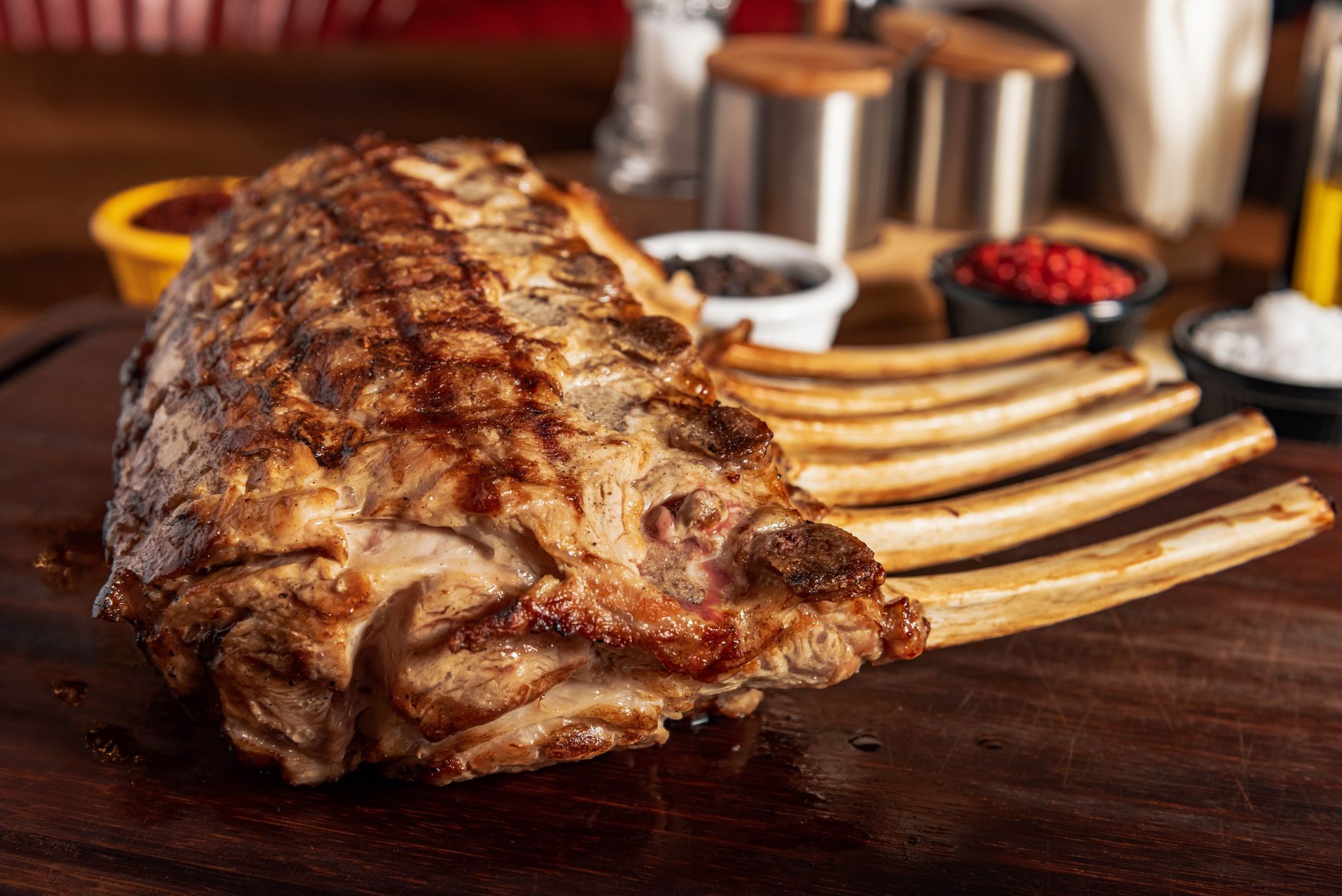
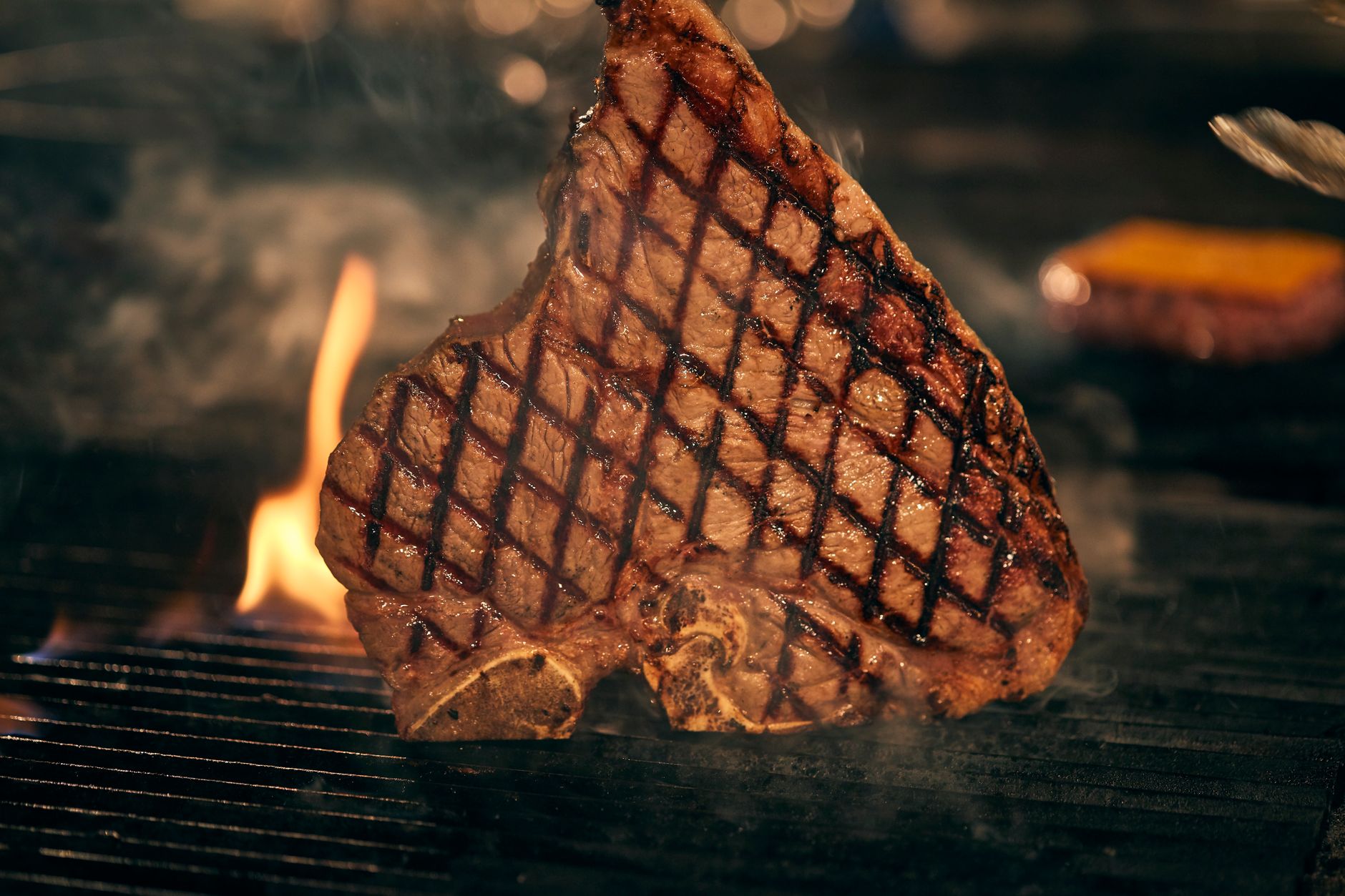
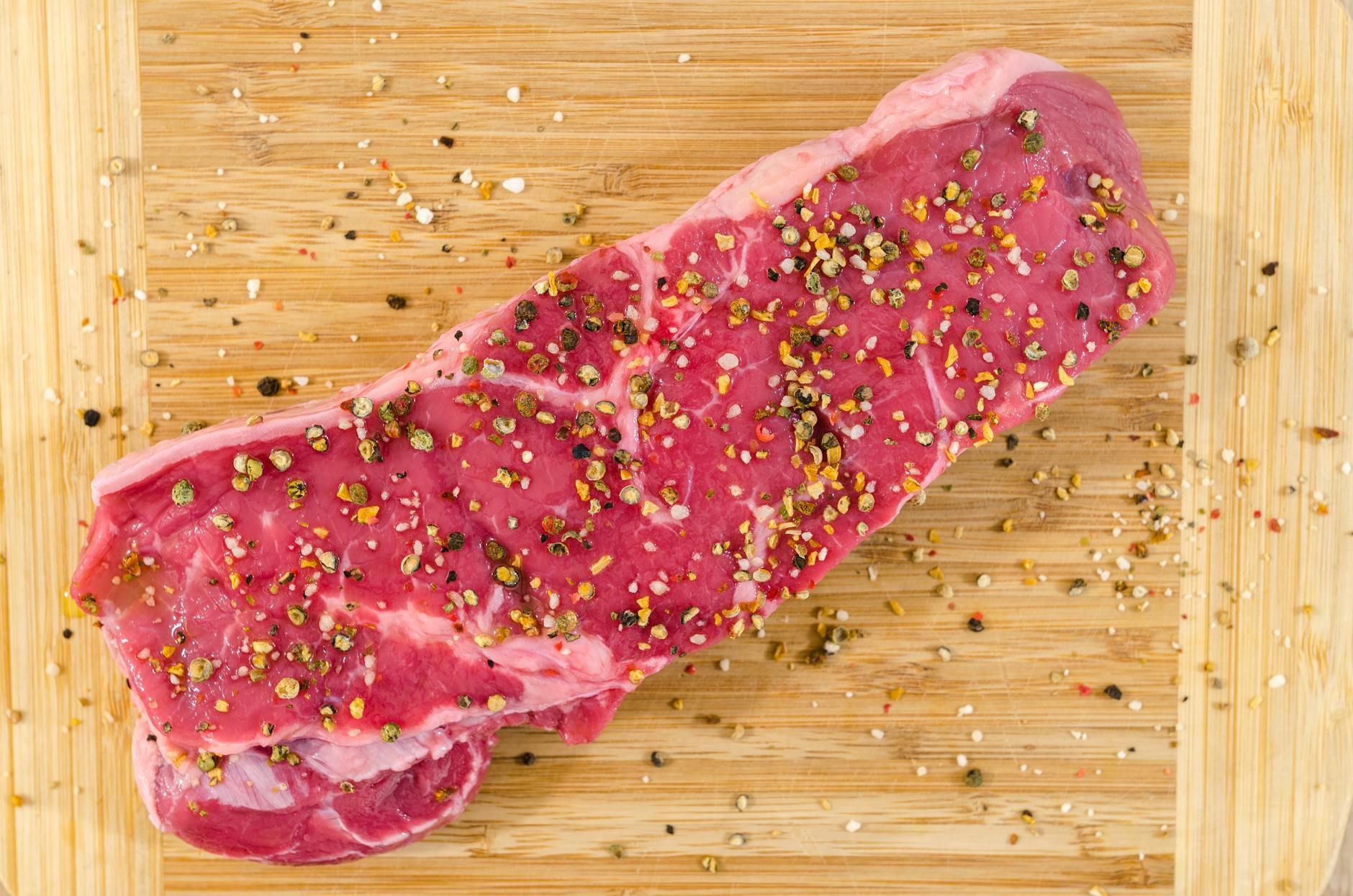
The grain in meat refers to the direction of the muscle fibers running through the cut. These fibers are long, stringy bundles that give meat its texture. When you look at a piece of steak or roast, you can see lines running parallel along the surfacethats the grain. Understanding the grain means knowing how to position your knife so you cut across these fibers rather than along them.
Cutting against the grain shortens the muscle fibers, turning a tough piece of meat into something tender and easy to chew. Conversely, slicing with the grain leaves long fibers intact, resulting in a chewy, stringy mouthfeel that can ruin your dining experience.
How Slicing Direction Affects Texture
Slicing against the grain breaks muscle fibers into shorter pieces, softening the meat. When fibers stay long, they require more chewing effort, making the meat seem tougher. This is especially true for leaner or more mature cuts.
Connective tissues also play a role. These proteins hold muscle fibers together and can cause toughness if not broken down properly. Cutting against the grain disrupts these structures slightly, aiding tenderness. Slow cooking and marinating also help soften connective tissue but correct slicing is the key finishing step.
What Happens When You Cut With the Grain?
Cutting meat with the grain leaves you with intact long strands of muscle. Imagine biting into a stringy rope thats how it feels. This mistake leads to a frustratingly tough bite, even after careful cooking. Its common with cuts like flank steak, brisket, or skirt steak, which naturally have prominent muscle fibers.
Besides texture, cutting incorrectly wastes the effort and money spent purchasing quality Halal meat. Halal-certified meat from trusted sources is meant to be enjoyed tender and flavorful, and slicing with the grain undermines that.
How to Cut Meat Against the Grain
How to Identify the Grain
Spotting the grain before cutting is simpler than it sounds. Run your fingers lightly over the surface the muscle fibers feel like ridges running in one direction. You can also look closely; grain often appears as lines or striations on the meat.
In tougher cuts, the grain is more visible. Look for the direction that the fibers line up, then position your knife perpendicular for slicing. Avoid cutting parallel to these lines.
Best Knives and Cutting Techniques
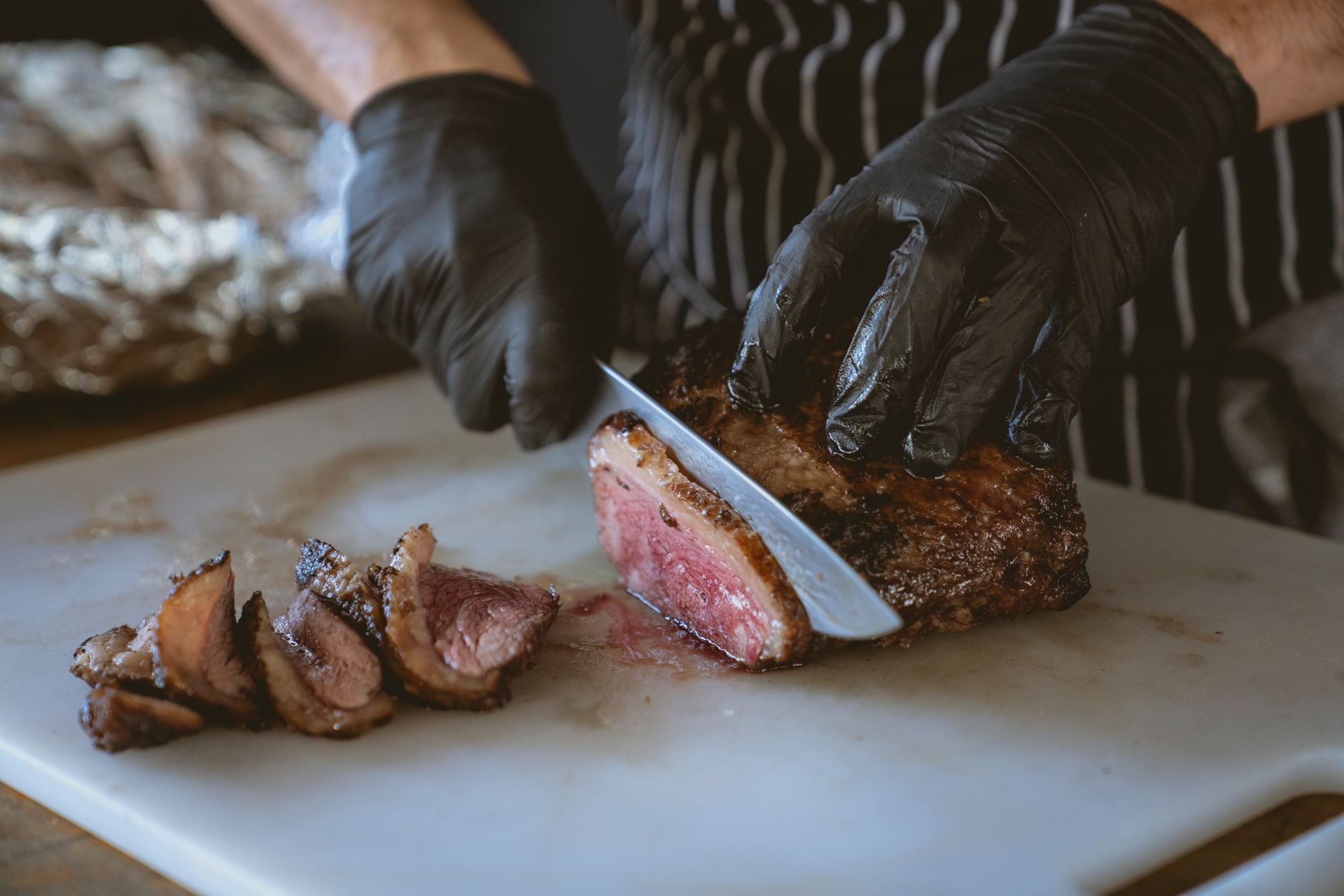
A sharp, long chefs knife or carving knife works best to make clean cuts against the grain. Serrated knives can tear the meat unevenly, but they may be useful on textured crusts.
Hold the knife at a slight angleabout 45 degreesso you expose more fibers on each slice, creating a larger surface area that feels tenderer. Use smooth, even strokes with controlled pressure, avoiding sawing motions.
Tips for Different Cuts
- Steak (Ribeye, Sirloin, Flank): Always cut thin slices perpendicular to the grain to maximize tenderness.
- Roasts (Chuck, Brisket): Slice after resting; locate the grain and slice against it in to inch thick pieces.
- Tough Cuts (Skirt Steak, Flank): These especially rely on slicing against the grain for a soft texture, so take care to identify fiber direction well.
| Cut of Meat | Grain Direction | Cutting Approach |
|---|---|---|
| Flank Steak | Long fibers running lengthwise | Slice thin, across the grain |
| Brisket | Fibers run along length of roast | Cut after resting, across grain in thick slices |
| Skirt Steak | Visible striations across length | Slice thin, perpendicular to grain |
| Chuck Roast | Grain runs lengthwise | Smooth cuts across grain post-cooking |

Common Cutting Mistakes
Cutting With the Grain Accidentally
One frequent mistake is rushing through slicing without checking the grain. The result chewy, stringy meat that can spoil an otherwise great dish. If you realize your cut is off, try recutting the pieces perpendicular to the fibers. It often rescues the meat and improves mouthfeel considerably.
Why Meat Resting Helps
Resting cooked meat for 515 minutes lets juices redistribute, preventing dryness. It firms up the cut just enough to slice cleanly against the grain. Combine resting with correct cutting, and each bite becomes juicier and tenderer. Resting and slicing harmonize to maximize flavor and texture.
Benefits of Cutting Against Grain
Better Tenderness and Flavor
Shorter meat fibers from this technique melt softer on the tongue, lifting the entire eating experience. Because the fibers are broken down, marinades and seasonings penetrate better resulting in richer flavor. This is especially helpful for lean or Halal-certified meats where natural tenderness varies.
Save Money With Cheaper Cuts
Cutting properly is practically a magic trick for cheaper cuts like chuck or brisket. These cuts have great flavor but tougher texture. Slicing against the grain turns them into tender, melt-in-your-mouth favorites. Thats excellent value, especially if you buy from trusted Halal sources.
Besides home cooking, knowing this can protect you from food recalls linked to quality issues. For example, checking the latest meat recalled listeria alerts helps you stay safe by choosing reliable meat suppliers.
When Cutting Against Grain is Less Crucial
Exceptions by Cooking Method
For shredded meats like pulled pork, slow-cooked brisket, or shredded chicken, cutting against the grain is less important because the cooking breaks down fibers thoroughly. Similarly, ground meat loses all grain direction, so slice or shape as needed.
Smoking or braising changes the fiber structure enough that tender slices can be cut along different angles without loss of texture. Still, for quick-cooked steaks or roast beef, grain direction remains vital.
Grain Changes After Cooking?
Yes, certain cooking like sous vide softens fibers making cutting less fussy. But the original grain usually guides the most tender slicing method even after cooking. Remember, marinating and cooking methods complement but do not replace proper cutting.
Enjoying a Halal Meal
When buying Halal meat, look for certification labels like JAKIM, HMC, or IFANCA on packaging. These ensure the meat meets strict religious and sanitary standards. Certified Halal meat, combined with correct cutting, preserves both tradition and texture in every bite.
For smart dining, keep an eye on happy hour deals at local Halal restaurants or stores, where fresh, properly handled meat is usually on offer.
Is cut meat against grain actually Halal what should I check?
Cutting meat against the grain is a preparation technique and doesnt affect Halal status directly. To ensure Halal compliance, check for certification from trusted bodies like JAKIM, HMC, or IFANCA on packaging or at point of sale. These certify that the animal was slaughtered and processed according to Islamic law, guaranteeing your meat is Halal.
When is the best time to cut meat against grain?
The ideal time to cut meat against the grain is after cooking and resting. Resting for at least 510 minutes helps meat retain juices and firms it enough to slice cleanly. Cutting prior to cooking is less common except for trimming and portioning raw cuts for marinating or recipes.
How do I know the grain direction if the meat is marinated?
Marinating doesnt usually change the visible grain. Look closely for the muscle fiber lines or texture before marinating. The grain runs lengthwise across most cuts, so use the same visual method even on marinated meat.
Can cutting against the grain help with tougher Halal meat cuts?
Absolutely. Tough Halal cuts benefit greatly from slicing against the grain. This simple step softens the fibers and improves chewability without extra cooking workperfect for budget-friendly meals or recipes requiring leaner options.
Does cooking method affect how important it is to cut against the grain?
Yes. Quick cooking methods like grilling or pan-searing require precise grain cutting because theres less time to break down fibers. Slow cooking or smoking reduces the need, but best practice still involves identifying and slicing against the grain for optimal results.
What knife works best for cutting meat against the grain?
A sharp chefs knife or carving knife with a thin blade offers the best control for slicing against the grain. Sharpness is key to clean cuts, preventing tearing and preserving texture. Avoid dull or serrated knives unless cutting through crusty edges.
How thin should I cut meat slices against the grain?
Thickness depends on the cut and recipe, but generally to inch slices work well for steaks and roasts. Thinner slices emphasize tenderness by exposing more fibers horizontally, ideal for tougher cuts like flank or skirt steak.
Pro Tips for Tender Slices
- Always rest your meat at least 5 minutes after cooking to lock in juices and firm it for slicing.
- Keep your knife blade sharp and use fluid cuts rather than sawing motions. This prevents tearing muscle fibers.
- If the grain is unclear, use your finger to feel for the direction of the ridgesthis is often easier than visual inspection.
- When cooking tougher cuts, consider marinating overnight with acid (vinegar, citrus) to weaken fibers before slicing against the grain.
- For very lean cuts, such as Halal-certified sirloin, cutting at a slight diagonal angle can further improve tenderness.
More You Might Like
Learn how to protect your kitchen from meat recalled listeria by selecting trusted suppliers and safe storage methods. Interested in budget-friendly Halal options? Check out current happy hour deals at local Halal eateries and markets for tasty savings.
Conclusion
Once you know how to cut meat against grain, your meals become more enjoyable and rewarding. This simple step unlocks tenderness and flavor, especially with Halal-certified meat, turning everyday dishes into memorable ones. Next time you prepare meat, pay attention to the grainits a small habit with big results. Try it yourself, and dont hesitate to share your experience or questions with us!
FAQs
Is cut meat against grain actually Halal — what should I check on the label?
Cutting meat against the grain is a preparation step and does not affect Halal status. To confirm Halal compliance, look for certifications from trusted bodies like JAKIM, HMC, or IFANCA on the packaging or in-store. These ensure the meat was slaughtered and processed according to Islamic law.
When is the best time to cut meat against grain?
The best time to cut meat against the grain is after cooking and resting. Resting the meat 5-10 minutes allows juices to redistribute and firms the meat for clean slicing, ensuring maximum tenderness.
How do I identify the grain direction on marinated meat?
Marinating rarely changes the visible grain in meat. To find the grain direction, look closely for muscle fiber lines or use your fingers to feel ridges running lengthwise. Slice perpendicular to these fibers for best results.
Can cutting against the grain help with tougher Halal meat cuts?
Yes, cutting against the grain is especially effective for tougher Halal cuts like brisket or flank steak. It shortens muscle fibers, making the meat easier to chew and more tender without additional cooking.
What type of knife works best for cutting meat against the grain?
A sharp chef’s or carving knife with a thin, long blade works best for slicing against the grain. This ensures clean cuts that preserve texture and avoid tearing muscle fibers.