Drive through the stunning red-rock landscapes of Sedona, Arizona, and you might do a double take at the local McDonalds. That famous golden "M" is nowhere to be foundreplaced instead by striking blue arches. This unexpected twist on a global symbol is no accident. Sedona McDonald‘s arches are painted blue to respect the natural beauty of the area and comply with unique local rules. Lets explore why this change happened, how it fits the community, and what it means for branding.
Design Choice Explanation
Why Are the Sedona McDonald‘s Arches Blue Instead of Yellow?
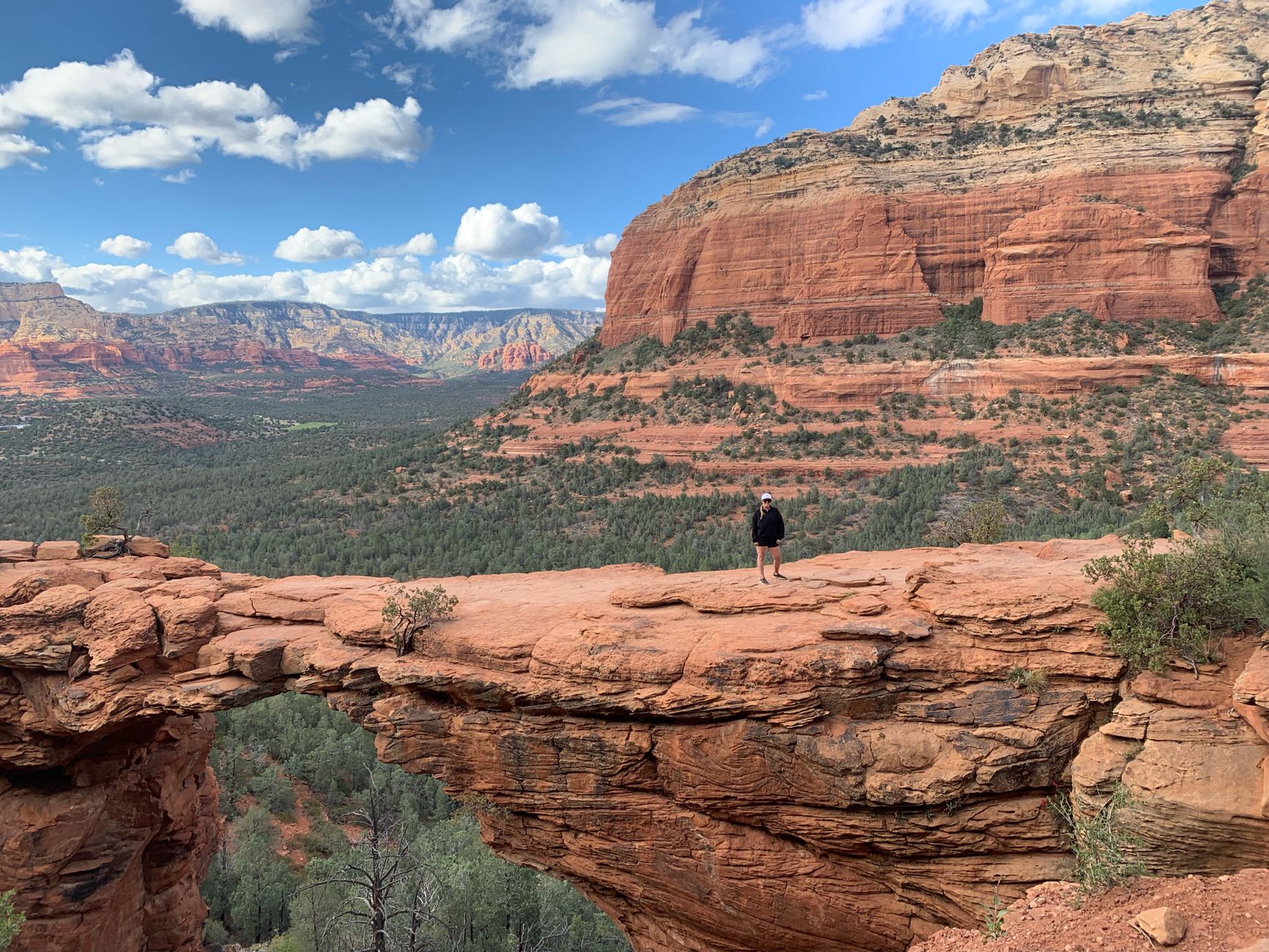
The reason behind the blue arches in Sedona is tied closely to the citys commitment to preserve its iconic red-rock scenery. Sedona is famous for breathtaking desert landscapes and vibrant earth tones. Bright yellow signage would clash with this aesthetic, so the city council implemented specific guidelines to protect its visual environment.
McDonalds worked within these rules by adopting blue archesa color that complements the natural reds and browns, rather than overpowering them. Blue creates a harmonious contrast without disrupting the desert‘s calm and rugged vibe. This is a rare case of a multinational brand adapting its signature look to fit local environmental and community priorities.
This adjustment shows how powerful brands can respect local norms while maintaining recognizability. The blue arches still clearly represent McDonalds, but they now feel like part of Sedonas landscape, rather than an intrusive billboard.
What Are the Local Regulations Influencing McDonalds Design in Sedona?
Sedonas city ordinances on signage are designed to preserve the towns unique aesthetic and natural environment. These rules regulate colors, materials, and lighting allowed for commercial signs, especially in scenic or historic zones.
According to Sedonas Planning and Zoning Department, signage that doesnt blend with the environment can be limited or altered. The city prohibits overly bright or fluorescent colors for exterior signs near natural landmarks. That includes the traditional bright yellow McDonalds arches, which are considered visually jarring amidst the muted desert hues.
Applicants must seek approval from the city for new signage, ensuring compliance with guidelines that prioritize subtlety and integration with natural surroundings. McDonalds blue arches were designed and accepted under these constraints.
How Does the Blue Color Blend With Sedona‘s Environment?
Blue is a surprisingly fitting choice to complement Sedona‘s reds and oranges. While yellow competes with the warm earth tones, blue offers a cooler counterpoint that mimics the sky and some desert wildflowers. It harmonizes with the environment rather than dominating it.
Psychologically, blue is associated with calmness and trustworthinessvalues that align with McDonalds friendly brand personality. The color change also softens the visibility of the large arches, helping them blend into the scenic backdrop. This makes the sign less disruptive but still distinct enough to attract customers.
Unique Branch Designs
How Does Sedona McDonald‘s Design Compare to Other Unique McDonald‘s Locations?
Sedona isnt the only place where McDonalds adjusts its look to fit local character. Worldwide, McDonalds has incorporated various design tweaks to respect culture, historical preservation, or environmental themes. Flagship stores in some cities combine classic branding with local architectural styles or sustainable building materials.
For example, McDonalds in Orchard Road, Singapore features a futuristic glass facade to suit the high-end shopping district. Meanwhile, some European locations retain historic building elements, blending modern menus with centuries-old architecture. In the U.S., several stores feature eco-friendly designs with solar panels and recycled materials.
This flexibility allows McDonalds to maintain a global presence while honoring local identities, an increasingly important factor for community goodwill and brand resilience.
What Are Some Other Examples of McDonald‘s Unique Location Designs?
- McDonalds in Sedona with blue signage replacing yellow arches.
- Stores inside renovated historical buildings in France and Italy, retaining original stonework.
- Environmentally responsible branches in California featuring green roofs and low-energy systems.
- McDonalds in Japan with minimalist interior design emphasizing local aesthetics.
How Has McDonald‘s Branding Changed Over Time to Adapt to Local Needs?
McDonalds has evolved from a rigid, uniform storefront approach in the 1950s to a flexible, locally conscious strategy today. The company now allows variations in architecture, menu items, and signage colors to respect community standards and preferences.
This local adaptation reflects broader corporate sustainability and social responsibility goals. As environmental concerns and cultural sensitivity grow, McDonalds adjusts to reflect values like regional preservation and inclusiveness while maintaining its iconic identity.
These changes often involve collaboration with city planners, architects, and marketing teams, striking a balance between global recognition and local appeal.
Arizona McDonald‘s Facts
Why Does Arizona Host Several Unique McDonalds Designs?
Arizonas rich diversity in natural landscapes and cultural heritage drives many businesses, McDonalds included, to emphasize regional aesthetics. The states tourism industry depends heavily on its iconic deserts, red rocks, and indigenous culture.
McDonald‘s locations in Arizona often reflect these aspects through building styles, signage, or sustainable initiatives. This approach helps build local loyalty and creates a better customer experience that resonates with both residents and visitors.
Arizonas harsh sun and varied terrain also drive innovation in energy-efficient designs and materials for many franchises, aligning with broader health-conscious trends across the food and beverage industry.
Comparison Table: Typical McDonalds vs. Arizona-Specific Design Features
| Feature | Typical McDonalds | Sedona McDonalds | Other Arizona Locations |
|---|---|---|---|
| Arch Color | Yellow | Blue | Mixed (Yellow & Earth Tones) |
| Building Style | Standard modern | Local aesthetic blend (Southwestern) | Varies (Eco-friendly, rustic) |
| Environmental Focus | Standard corporate | Eco-sensitive & visually integrated | Increasing focus on sustainability |
Benefits and Impacts
What Are the Marketing Implications of Changing the Iconic Golden Arches?
Corporate branding hinges on consistency and instant recognition. Changing the golden arches to blue risks diluting that effect. Yet, in Sedonas case, the adaptation strengthens community acceptance and customer goodwill.
Marketing theory suggests that brands balancing global visibility with localized identity often achieve deeper connections with consumers. The blue arches do exactly thatthey maintain the McDonalds shape and global familiarity but tell a story of environmental respect.
This nuance appeals particularly to a health-conscious and eco-aware demographic, aligning well with current food and beverage industry trends emphasizing sustainability.
How Do Locals and Tourists Respond to the Blue Arches?
Many Sedona residents appreciate the effort to keep their towns character intact. The blue arches have become a local curiosity and a source of pride, symbolizing respect for their environment. Tourists often take photos of the unusual sign, sparking conversations and increased interest.
Some visitors do report initial confusion but quickly recognize the brand. Social media posts frequently highlight the blue arches as a unique twist on a familiar sight, boosting McDonalds visibility in a positive way.
Is Sedona McDonald‘s Arches Actually Halal What Should I Check?
Although this article focuses on branding, its good to note McDonalds commitment to Halal standards varies by location. If you seek Halal options, check for certification symbols like JAKIM, HMC, or IFANCA displayed at the store or on official menus.
In particular, verifying ingredients and preparation methods helps ensure compliance with Halal dietary laws. When traveling or eating out, always ask to confirm Halal status, especially at major chains with regional menu differences.
What Makes Sedonas Environmentally Driven Design Unique?
Sedonas emphasis on natural beauty preservation shapes every element of business design. The blue arches are a visible emblem of this environmental sensitivity, reflecting local regulations, community values, and corporate responsibility.
The design focuses on minimal visual intrusion while promoting eco-friendly concepts, an approach that other tourist spots might adopt to balance development and conservation.
Can Other Chains Learn From Sedona‘s Example?
Many national and international brands face pushback when standard signage or buildings clash with local culture or nature. Sedona McDonalds is a case study showing how compromise and localized branding can succeed.
Other chains increasingly consider similar approaches, from color adjustments to materials and lighting, to respect their surroundings and enhance brand authenticity.
Do Unique Locations Affect Brand Loyalty?
Consumers appreciate when global brands show cultural awareness and environmental respect. Sedonas McDonalds blue arches strengthen brand loyalty by demonstrating sensitivity to the community.
This local adaptation can foster repeat business and positive word-of-mouth, especially among health-conscious and environmentally aware customers.
How Does Sedonas Branding Tie Into Broader Food Trends?
Food and beverage trends now prioritize transparency, local sourcing, and sustainability. Sedonas McDonalds signals alignment with these values through its thoughtful design and community partnership.
Customers increasingly seek brands that fit their lifestyle choices, including Halal certification or health-conscious options available in many locations.
Are There Healthier Menu Options at Sedona McDonalds?
Like many modern McDonalds, the Sedona location offers a range of choices catering to health-conscious consumers. Youll find salads, grilled chicken sandwiches, and customizable options that align with balanced diets.
Checking out articles on foods that have high protein can inspire healthier choices beyond fast food.
Where Can I Find Quality Halal Seafood Ingredients Near Sedona?
If youre craving something different, look for trusted suppliers of certified Halal seafood like lump crab meat which can elevate your meals at home and fit a health-conscious diet.
Smart Buying Tips
- Observe Local Branding: When visiting unfamiliar chains, note how branding adapts to local culture for clues on community values.
- Seek Halal Certification: Look for official logos on menus and packaging to ensure compliance with dietary laws.
- Consider Environmental Impact: Support businesses that invest in eco-friendly design and practices, reflective of healthier lifestyles.
- Avoid Misleading Signage: Some colors or claims may distract from true product quality; focus on ingredient lists and certifications.
- Choose Balanced Meals: Opt for menu items with lean protein, vegetables, and whole grains whenever possible for better health.
Most overlooked mistake? Assuming that branding always matches local dietary or cultural needs. Verify key certifications before ordering or buying.
Conclusion
Sedona McDonald‘s arches tell a unique story about balancing iconic branding with environmental and community respect. This rare shift to blue shows how a global brand can honor local identity and natural beauty without losing its essence. Next time you spot a distinctive twist on a familiar sign, consider the story behind itand maybe share your thoughts or experiences with others. Its small changes like these that add rich layers to our food and beverage journeys.
FAQs
Is Sedona McDonald's arches actually Halal — what should I check on the label?
Halal status varies by location. To ensure the Sedona McDonald's arches location offers Halal food, look for certifications like JAKIM, HMC, or IFANCA on menus or packaging. Always ask staff about ingredient sourcing and preparation to confirm compliance with Halal dietary laws.
Why are Sedona McDonald's arches blue instead of the traditional yellow?
The blue color respects Sedona’s natural red-rock environment and complies with city regulations that restrict bright, intrusive signage. Blue blends with the landscape and maintains McDonald's brand presence while fitting local aesthetic rules.
How do local regulations influence the design of Sedona McDonald's signage?
Sedona enforces strict signage rules to preserve its scenic environment, prohibiting bright colors like yellow near natural landmarks. McDonald’s adjusted by using blue arches that complement rather than clash with the desert setting.
How do locals and tourists respond to the blue McDonald's arches in Sedona?
Locals appreciate the respect for natural beauty, viewing the blue arches as a thoughtful adaptation. Tourists find the unique design memorable and often photograph it, enhancing McDonald's local appeal and social media visibility.
Are there healthier menu options available at Sedona McDonald's?
Yes, like many modern McDonald's, the Sedona location offers salads, grilled chicken sandwiches, and customizable items that cater to health-conscious customers seeking balanced meal options.