Okay, lets get right to it if youre someone navigating the gluten-free world, youve probably heard whispers, maybe even outright confusion, about sourdough bread. Wait, isnt bread off-limits if you avoid gluten? you wonder. But heres the kicker: some people with gluten sensitivities still enjoy sourdough without having their guts revolt. Intrigued, right?
So, yeah, sourdough isnt the hardcore enemy many might think it is at least, not for everyone. But before you rush out to buy a loaf of that tangy, chewy goodness, lets unpack what makes gluten free sourdough a bit special, and who should really be cautious. Because, spoiler alert: its not a green light for everyone.
What Makes Gluten Free Sourdough Different?
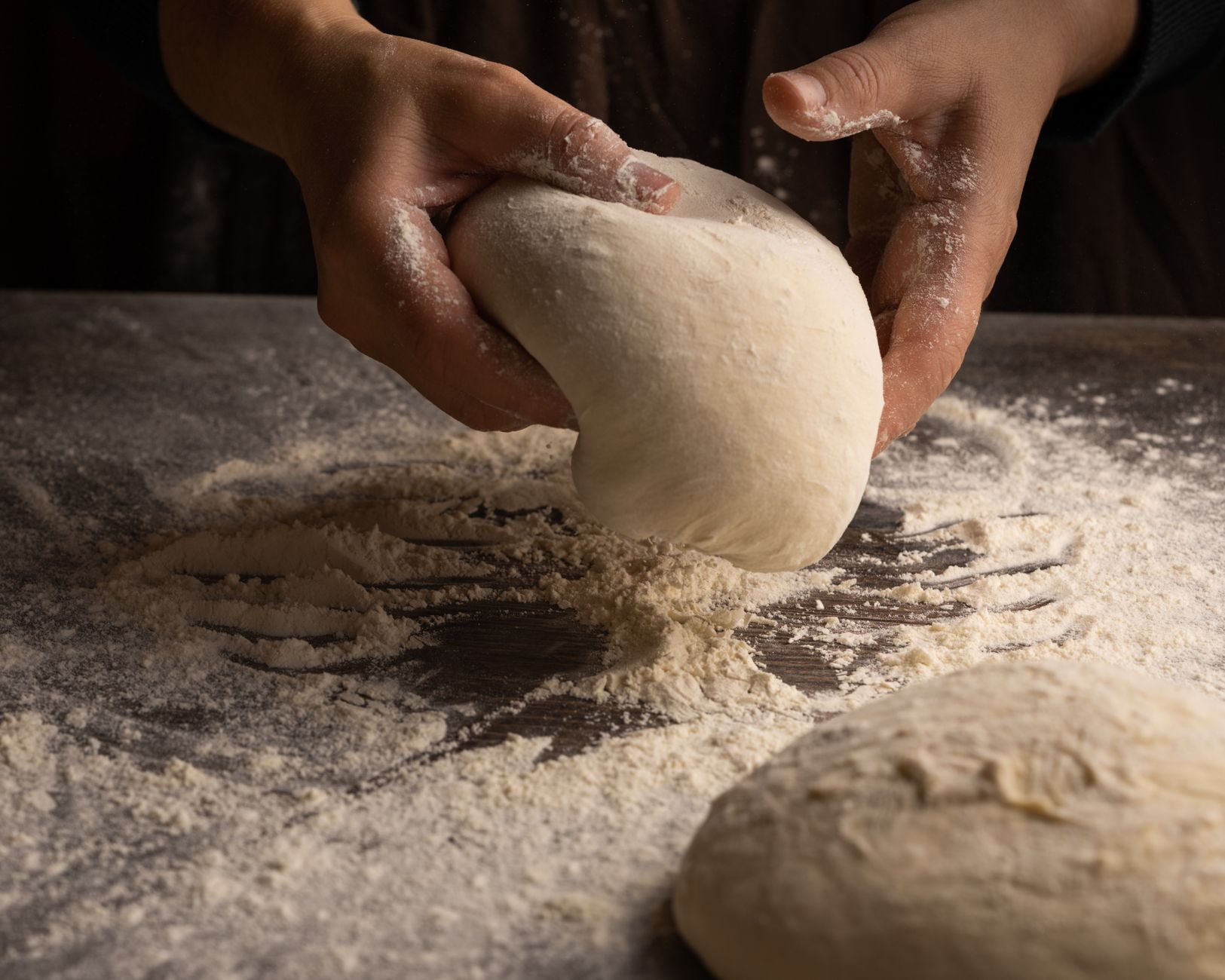
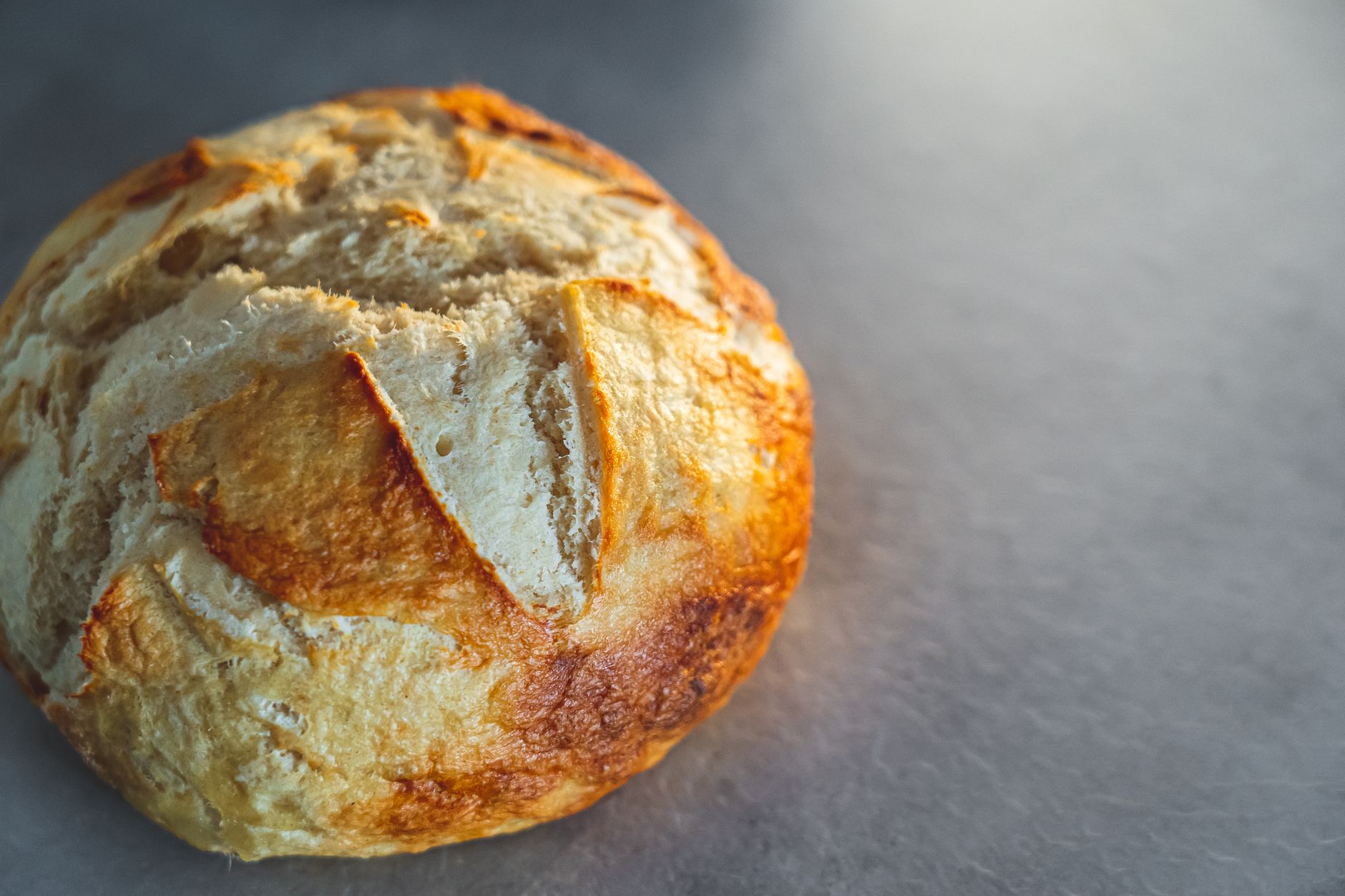
Alright, lets slice into the heart of it. The thing that sets sourdough apart from your typical loaf of bread is this little magic trick called fermentation. You know, the gooey, bubbly process where wild yeasts and friendly bacteria have a full-on party in the dough. During this fermentation dance, some of the gluten proteins the ones notorious for causing trouble get broken down.
This means sourdough can be a low gluten bread compared to its commercial cousins baked with fast-acting yeast. In other words, the gluten isnt completely erased but significantly reduced. Many find this makes sourdough far gentler on their digestion.
But how much gluten actually gets knocked out? Well, most studies show that traditional sourdough fermentation can reduce gluten content anywhere between 20% to 70%, depending on the method and fermentation time. However, this doesnt guarantee gluten free status because, to be officially gluten free, a product needs to have less than 20 parts per million (ppm) of gluten according to regulatory standards.
So regular wheat-based sourdough bread wont make the cut for strict gluten-free diets. But, thankfully, theres a twist: you can make sourdough using naturally gluten free flours like rice, buckwheat, or sorghum and thats what creates genuinely gluten free sourdough bread.
| Bread Type | Gluten Content (approximate) | Suitable for Gluten Intolerance? |
|---|---|---|
| Regular Wheat Bread | 10,000+ ppm | No |
| Traditional Wheat Sourdough | ~1000-2000 ppm (varies) | Maybe, for sensitive individuals |
| Certified Gluten Free Bread | <20 ppm | Yes |
| Gluten Free Sourdough (e.g., rice/sorghum) | <20 ppm | Yes |
But Not Everyone with Gluten Intolerance Should Reach for Sourdough
Heres where things get a little tricky. Gluten intolerance is this broad term that can mean a lot of things from a sensitivity that causes mild discomfort to serious autoimmune reactions in Celiac disease. Those different reactions matter big time when were talking about sourdough bread.
People with non-Celiac gluten sensitivity (sometimes called gluten intolerance foods sufferers) might find sourdough easier on their stomach. Thats because the fermentation reduces the harsh, hard-to-digest gluten fragments and other components like FODMAPs, which often cause bloating. So for them, a slice or two of well-made sourdough might feel totally fine.
But if you have Celiac disease a serious autoimmune condition the story changes. Even trace amounts of gluten can trigger inflammation and damage your intestines. So, unfortunately, sourdough for celiac patients, especially if it isnt made with certified gluten free flours, is a no-go. Its not worth the risk.
And for wheat allergy sufferers? The allergen isnt just gluten but the whole wheat protein package, so sourdough isnt a safe bet either.
The Science Behind Sourdough and Celiac
Several studies have tried to pinpoint whether sourdough is safe for Celiac folks. The verdict? While fermentation reduces gluten, it doesnt consistently eliminate it enough to prevent reactions for those with Celiac disease. Unless the bread is specifically made with gluten free flours and certified testing, it should be avoided.
Luckily, the gluten free sourdough that uses alternative flours fits the bill, offering the same tang and texture but without the risk.
If you want to see how sourdough fits in your gluten intolerance puzzle, its best to check with your doctor or dietitian before taking a bite.
That said, hearing other folks experiences can be strangely comforting. My friend Jamie, who has gluten sensitivity but not Celiac, swears by her local bakerys rye sourdough. Shes been able to enjoy sandwiches without the post-meal bloat that usually tanks her day. Its stories like these that remind us: food is personal, and tolerance varies.
The Surprising Benefits of Gluten Free Sourdough
Beyond the gluten angle, sourdough bread actually packs some healthy perks that make it stand out in the bread aisle. Thanks to the slow fermentation process, it:
- Improves digestion by breaking down complex starches and fibers, making it easier on your stomach.
- Has a lower glycemic index compared to regular bread, meaning it wont spike your blood sugar as fast.
- Boosts nutrient absorption the fermentation process lowers phytic acid levels, which usually block minerals like iron and zinc from being absorbed.
- Contains natural probiotics from the wild yeast and bacteria which may support gut health though baking kills most live cultures, the benefits linger.
So, if your tummy plays nice with gluten free sourdough, youre really getting a little gut-loving bonus every time you enjoy that gently tangy slice.
And for those curious about maintaining a varied, balanced gluten free diet, sourdough can be part of that lineup alongside other gluten free bread options and gluten free snacks. It helps keep things interesting rather than falling into the bland sadly-all-too-often traps of gluten free eating.
Choosing or Baking Your Own Gluten Free Sourdough
If youre thinking, Hey, I want to try gluten free sourdough! youve got two solid routes:
Buying It: What to Look For
First off, hunt for certifications. Make sure the loaf says its certified gluten free and check out the ingredients list to confirm wheat or rye arent hidden in there. Look for local bakeries who specialize in gluten free baking or well-known brands that test rigorously. And don't shy away from asking questions; real experts are usually thrilled to explain their process.
Baking at Home: Your Beginner-Friendly Guide
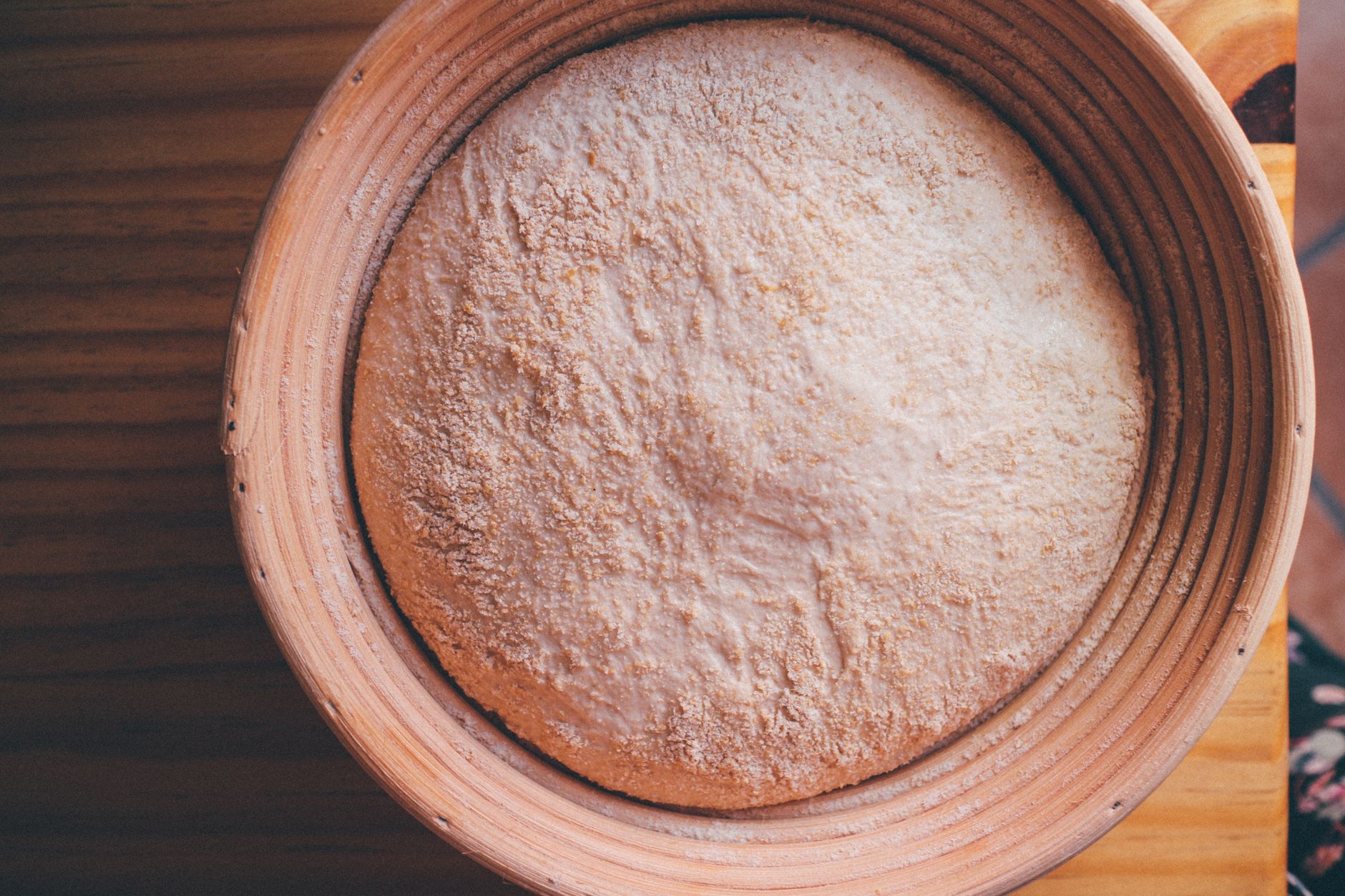
Nothing beats the smell of homemade bread, right? Making gluten free sourdough takes a little patience but its super rewarding. Youll start with a gluten free starter using flours like brown rice, sorghum, or millet. Keep the starter fed regularly thats what keeps those wild yeasts and bacteria lively and happy.
Fermentation times might be longer since gluten free flours behave differently than wheat, but youll learn the quirks. The doughs texture can feel messier (like, real messy) and less elastic, but thats normal.
Want a great step-by-step? There are lots of resources online, plus you can pick up expert tips from seasoned gluten free bakers. Its part science, part art and totally worth trying if you love experimenting in the kitchen.

Balancing Benefits and Risks: Should You Eat Gluten Free Sourdough?
Heres the honest truth: gluten free sourdough can be a delicious, nutritious option for many, but its not a free ticket for everyone with gluten troubles. Understanding your own health, symptoms, and needs is key. A slice could mean comfort and joy for one person and real discomfort for another.
If youre new to sourdough after years of gluten free bread, try small amounts first. Pay attention to how your body reacts. Ask your doctor for advice, especially if youre managing Celiac disease or a wheat allergy.
Being informed empowers you to make choices that nourish, not sabotage, your well-being. And hey, having a few trusted gluten free sourdough bread recipes or bakery spots up your sleeve never hurts either.
By the way, if youre interested in exploring broader food options that fit a balanced lifestyle, you might want to check out some great recipes for foods high in protein and low in carbs a combo that keeps energy steady and hunger satisfied.
Your Take?
So, what do you think? Does gluten free sourdough sound like something you want to give a try? Or are you already rocking it and have some cool tips or stories to share? Id love to hear whats worked for you or any questions you have this stuff can get complicated, but talking it through helps.
After all, whether it's a slice of warm sourdough or a crunchy gluten free snack, the goal is the same: enjoying food that feels good inside and out.
FAQs
Is gluten free sourdough safe for people with Celiac disease?
Only gluten free sourdough made with certified gluten free flours is safe. Traditional wheat-based sourdough still contains gluten levels that could harm those with Celiac disease.
How does sourdough fermentation affect gluten content?
Fermentation breaks down gluten proteins, reducing gluten content by 20% to 70%, but it rarely reaches the safe threshold for strict gluten free diets unless made with gluten free flours.
Can people with non-Celiac gluten sensitivity eat sourdough?
Many with non-Celiac gluten sensitivity find sourdough easier to digest because fermentation lowers gluten and FODMAP levels, though individual tolerance varies.
What gluten free flours are used to make gluten free sourdough?
Common gluten free flours for sourdough include rice, buckwheat, sorghum, millet, and brown rice—all naturally gluten free and suitable for fermentation.
Can I bake gluten free sourdough at home?
Yes, baking gluten free sourdough at home involves creating a gluten free starter and patient fermentation. It requires specific flours and time but is very rewarding.