You are standing in a Mexican restaurant, menu in hand, and the options read "flautas" and "taquitos." They both look like crispy rolled tortillas stuffed with something delicious. But ordering the wrong one could leave you disappointed. The truth is, flautas vs taquitos confusion is common, but the differences are real. Size, tortilla type, rolling technique, and even the way they are cooked set them apart. By the end of this article, you will know exactly what to order and how to make both at home.
What Are Taquitos?
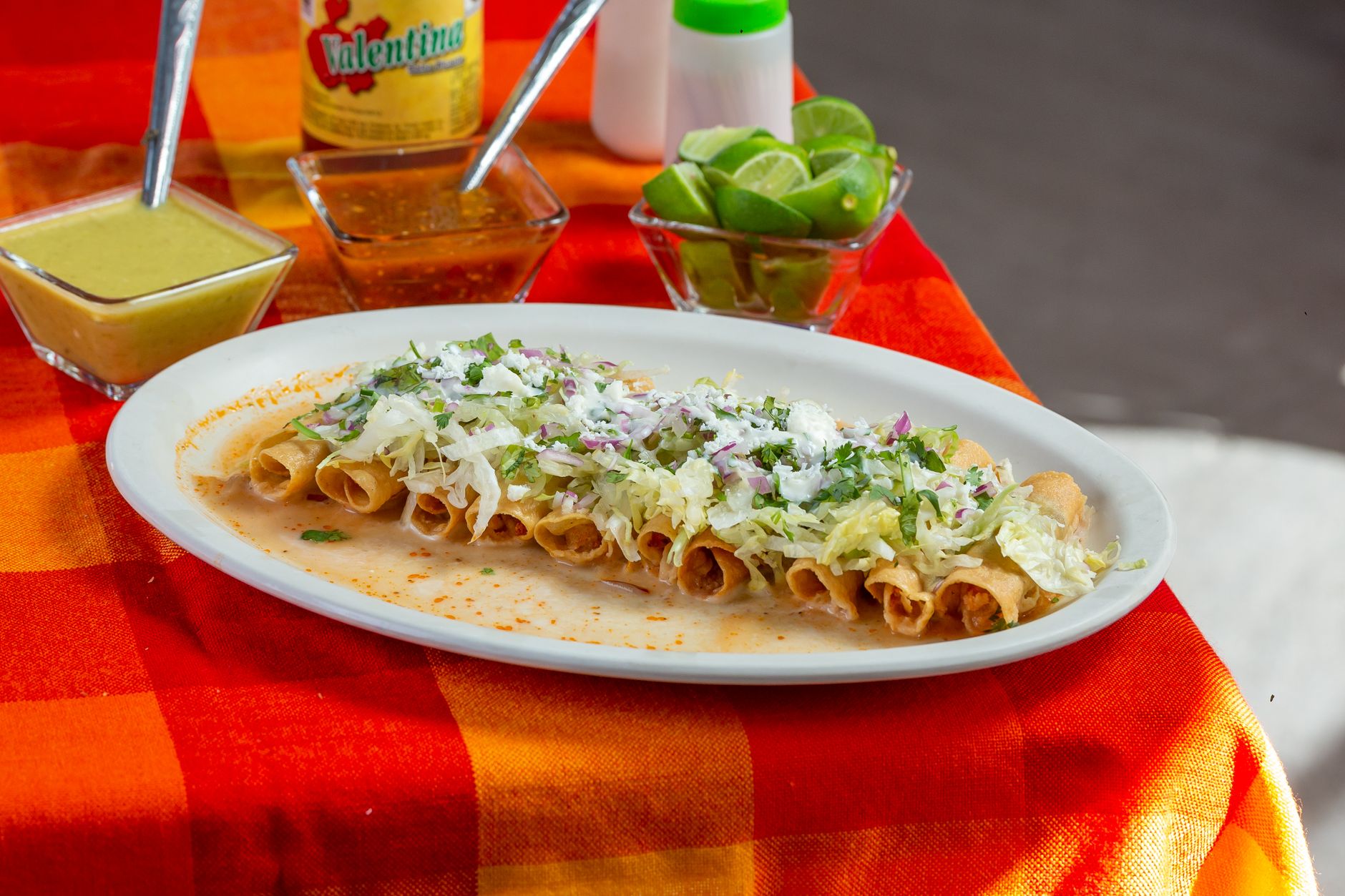
Taquitos are small, tightly rolled corn tortillas filled with savory ingredients. They are a staple of Mexican street food and a popular appetizer in restaurants across the United States. The name itself means "little tacos" in Spanish, which explains their compact size. You will often see them served with guacamole, sour cream, or a drizzle of crema.
What is the typical size and tortilla type for taquitos?
Taquitos are made with small corn tortillas, usually 4 to 6 inches in diameter. The tortillas are softened first, then filled, and rolled very tightly so the filling stays inside during cooking. Corn gives taquitos their signature earthy flavor and crispy texture. Most traditional recipes use white or yellow corn tortillas, though some modern versions substitute with flour for a softer bite.
What fillings are commonly used in taquitos?
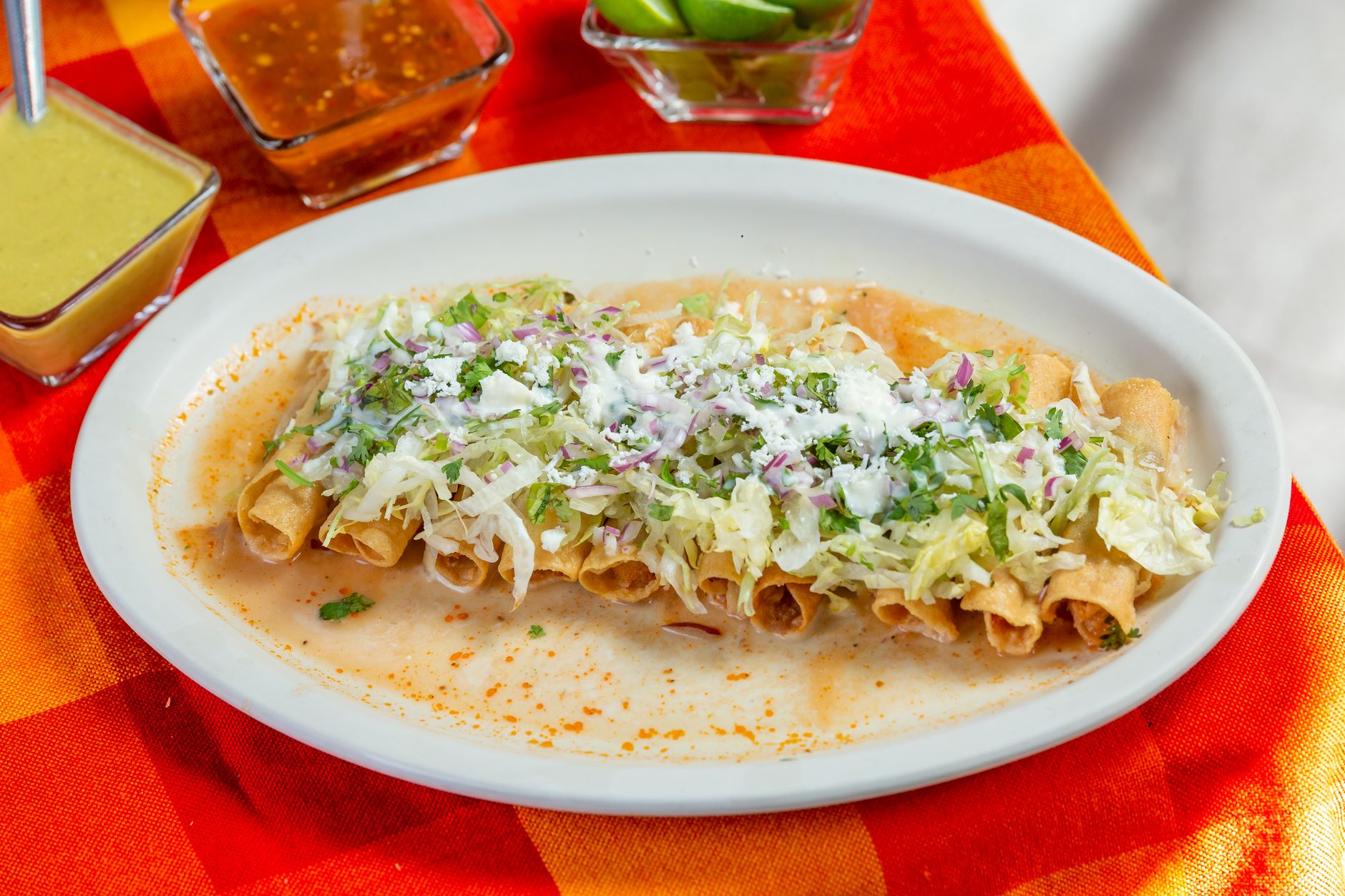
Shredded chicken is the most classic filling for taquitos. You will also find seasoned ground beef, shredded pork, or even cheese. Some regional variations add potatoes, beans, or a mix of vegetables. The filling is usually cooked and seasoned before rolling, so the taquito only needs to crisp up during frying or baking.
How are taquitos traditionally prepared and cooked?
Taquitos are most often deep-fried in hot oil until golden and crispy. The high heat seals the tortilla quickly and gives that satisfying crunch. Baking is a lighter alternative, but the texture will be less crunchy. Air fryers have also become popular for making taquitos at home with less oil.
Step-by-step: How to make taquitos at home
Making taquitos at home is simpler than you think. Start by warming 8 small corn tortillas in a dry skillet for 30 seconds per side. This makes them pliable and prevents cracking. Spread 2 tablespoons of shredded cooked chicken seasoned with cumin, garlic powder, and salt down the center of each tortilla. Roll tightly and secure with a toothpick. Heat 1 inch of vegetable oil in a deep pan to 350 degrees Fahrenheit. Fry the taquitos in batches for 3 to 4 minutes, turning once, until golden brown. Drain on paper towels and serve immediately with salsa and crema.
What Are Flautas?
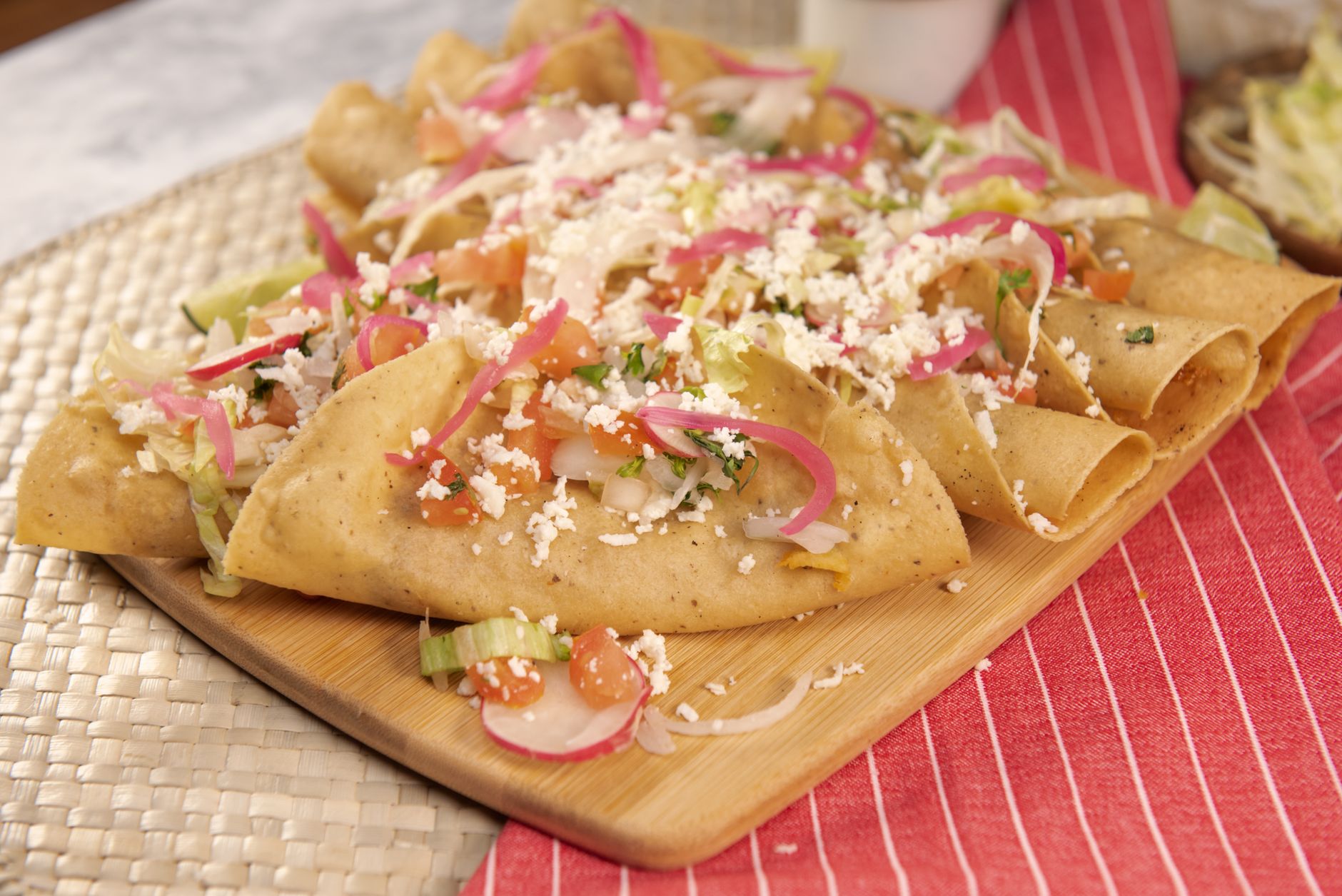
Flautas, meaning "flutes" in Spanish, are longer rolled tortillas that resemble the musical instrument. They are larger than taquitos and often served as a main dish rather than a snack. Flautas are usually made with flour tortillas, which give them a softer, chewier texture even after frying.
How do flautas differ in size and tortilla type?
The most obvious difference is length. Flautas use tortillas that are 8 to 10 inches in diameter, making them nearly double the size of taquitos. Flour tortillas are the traditional choice for flautas, especially in northern Mexico. The larger surface area allows for more filling and a more substantial roll. Corn tortillas are sometimes used, but they are harder to roll without breaking at this size.
What fillings and flavors define flautas?
Shredded chicken is the most classic flauta filling, but you also see shredded beef, carnitas, or even mashed potatoes mixed with chorizo. Flautas tend to be more generously filled than taquitos, so each bite is packed with flavor. The seasoning is similar cumin, chili powder, garlic but the larger format allows for bolder combinations like chipotle chicken or tinga de pollo.
Preparation and cooking techniques for flautas
Flautas are also deep-fried, but the larger size means they need slightly more time in the oil. Some cooks prefer to pan-fry flautas in a shallow layer of oil, turning them to crisp all sides evenly. Baking is possible but the tortilla may dry out before the center heats through. The goal is a golden, crispy exterior with a tender, juicy filling inside.
Easy flautas recipe for beginners
Start by warming 6 large flour tortillas in the microwave for 20 seconds. Place 1/3 cup of shredded chicken mixed with 2 tablespoons of salsa verde down the center of each tortilla. Roll tightly but not so tight that the filling pushes out. Secure with toothpicks. Heat 1/2 inch of oil in a large skillet over medium-high heat. Cook the flautas for 2 to 3 minutes per side until deeply golden. Remove toothpicks and serve with crema, crumbled queso fresco, and a squeeze of lime.
Flautas vs Taquitos: Key Differences Explained
Now that you understand each dish individually, the flautas vs taquitos comparison becomes clear. The differences go beyond just size. The tortilla type, rolling technique, and cooking method all play a role in creating two distinct eating experiences.
What is the main difference between flautas and taquitos?
The main difference is the tortilla. Taquitos use small corn tortillas rolled very tight. Flautas use large flour tortillas rolled more loosely. This simple difference changes the texture, flavor, and even how you eat them. Taquitos are crunchy and snackable. Flautas are more substantial and often served as a full meal.
Are the cooking methods for flautas and taquitos different?
The cooking method is very similar both are typically deep-fried. But the timing differs. Taquitos fry faster because they are smaller and thinner. Flautas need an extra minute or two in the oil to ensure the thicker tortilla and more filling heat through. Baking times also differ. Taquitos bake in about 12 minutes at 425 degrees Fahrenheit. Flautas need 15 to 18 minutes at the same temperature.
How do the fillings typically compare between the two?
Fillings overlap a lot between flautas and taquitos. Both use shredded chicken, beef, or cheese as staples. But flautas tend to have more complex, saucy fillings like tinga or mole because the larger tortilla can hold more moisture without getting soggy. Taquitos work best with drier fillings so the tortilla stays crisp.
Comparison table: Flautas vs Taquitos
| Attribute | Flautas | Taquitos |
|---|---|---|
| Tortilla size | 8-10 inches (large) | 4-6 inches (small) |
| Tortilla type | Usually flour | Usually corn |
| Roll tightness | Looser, longer roll | Tighter, smaller roll |
| Fillings | Shredded chicken, beef, carnitas, saucy fillings | Shredded chicken, beef, cheese, drier fillings |
| Cooking method | Deep-fried or pan-fried | Deep-fried, baked, or air-fried |
| Occasion | Main dish or appetizer | Snack or party appetizer |
Why Knowing the Difference Matters
Understanding the distinction between flautas and taquitos helps you make better choices whether you are cooking at home or eating out. It also allows you to appreciate the craftsmanship behind each dish. Mexican cuisine is rich with variety, and every detail matters.
How does this knowledge enhance your dining or cooking experience?
When you order at a restaurant, you can confidently pick the dish that matches your appetite. If you want a light snack, go for taquitos. If you are hungry for a meal, order flautas. At home, you can choose the right tortilla and filling combination based on what you have in your pantry. Knowing the difference also helps you avoid ordering flautas and expecting taquitos or vice versa.
How cultural variations influence flautas and taquitos
In northern Mexico, flautas are often made with flour tortillas and served as a main course. In central and southern Mexico, taquitos made with corn tortillas are more common as street food. Some regions call taquitos "rolled tacos" or "tacos dorados." These names reflect local traditions but the core idea remains the same. For Halal-conscious eaters, look for Halal-certified chicken or beef when making either dish at home. Certification bodies like IFANCA or HMC ensure the meat meets Islamic dietary standards.
Health considerations for flautas and taquitos
Both flautas and taquitos are fried, which means they are not everyday foods if you are watching calories or fat. A single taquito contains about 120 to 150 calories, while a flauta can have 200 to 250 calories depending on size and filling. Baking or air-frying reduces fat content by about 40 percent. Flour tortillas in flautas have slightly more carbohydrates than corn tortillas used for taquitos. If you follow a gluten-free diet, stick with corn tortilla taquitos. Always check labels for hidden ingredients like lard if you are looking for Halal options.
When is the best time to eat flautas or taquitos?
Taquitos work best as an appetizer or snack for parties, game days, or casual gatherings. Their small size makes them easy to serve with dips and share among guests. Flautas are better suited for lunch or dinner as a main dish. Pair them with rice, beans, and a fresh salad for a complete meal. Both are excellent for weekend cooking projects when you have a bit more time in the kitchen.
Can I make flautas or taquitos Halal at home?
Absolutely. The key is sourcing Halal-certified meat. Look for chicken or beef with a certification logo from IFANCA, HMC, or JAKIM. Many grocery stores now carry Halal meat in their frozen or fresh sections. For vegetarian versions, use black beans, potatoes, or cheese as fillings. Check that your tortillas are Halal-friendly too most corn and flour tortillas are made without animal products, but some contain lard. Read the ingredient list carefully.
Which one is crispier: flautas or taquitos?
Taquitos are generally crispier because they are smaller and rolled tighter. The corn tortilla also fries up crunchier than flour. Flautas have a softer, chewier texture due to the flour tortilla. If you want maximum crunch, go with taquitos. If you prefer a contrast between a crispy exterior and a tender interior, flautas deliver that balance better.
Can I bake both flautas and taquitos instead of frying?
Yes, you can bake both. For taquitos, bake at 425 degrees Fahrenheit for 10 to 12 minutes, turning halfway. For flautas, bake at the same temperature for 15 to 18 minutes. Brush the tortillas lightly with oil before baking to help them brown. Air fryers work even better cook taquitos at 375 degrees Fahrenheit for 6 to 8 minutes and flautas for 9 to 12 minutes.
What sauces go best with flautas and taquitos?
Taquitos pair well with thinner sauces like salsa verde, red salsa, or a spicy mayo ingredient blend. The creamy dip balances the crispy corn tortilla. Flautas are often topped with crema, crumbled cheese, and a drizzle of mole or chipotle sauce. A fresh pico de gallo or guacamole works for both. If you want to try something new, mix sour cream with lime juice and a pinch of chili powder for a quick crema.
How do I store leftover flautas or taquitos?
Store leftovers in a sealed container in the refrigerator for 3 to 4 days. To reheat, place them on a baking sheet in a 375 degree Fahrenheit oven for 5 to 7 minutes. Avoid microwaving it makes the tortillas soggy. For longer storage, freeze the cooked flautas or taquitos in a single layer on a baking sheet, then transfer to a freezer bag. They keep for up to 3 months. Reheat directly from frozen at 400 degrees Fahrenheit for 10 minutes.
Which is more authentic: flautas or taquitos?
Both are authentic, but they come from different regions. Taquitos are more common throughout Mexico as street food, especially in central and southern states. Flautas are particularly popular in northern Mexico and are often larger and heartier. Neither is "more" authentic they are simply different expressions of the same idea. Respect the tradition by using the right tortilla for each.
Pro Tips for Perfect Results
Here are three common mistakes to avoid. First, do not overfill your tortillas too much filling causes them to burst open during frying. Second, warm your tortillas thoroughly before rolling. Cold tortillas crack and break. Third, use a toothpick to secure the roll while frying. Remove it after cooking but before serving. For an expert upgrade, double-fry your taquitos: fry once at 325 degrees Fahrenheit for 2 minutes, let them rest for 1 minute, then fry again at 375 degrees Fahrenheit for 1 minute. This gives an extra-crunchy texture that stays crisp longer.
More You Might Like
If you enjoyed learning about flautas and taquitos, you might also like exploring our guide to spicy mayo ingredient. This creamy, tangy sauce is a perfect dip for both dishes and adds a quick flavor boost. For a heartier meal idea, check out our double quarter pounder review to see how a juicy beef patty compares to these crispy rolled tortillas.
Conclusion
The next time you see flautas vs taquitos on a menu or in a recipe, you will know exactly what sets them apart. Taquitos are small, corn-based, and extra crispy. Flautas are larger, flour-based, and more filling. Both are delicious in their own way, and both can be made Halal-friendly with the right ingredients. Try making a batch of each this weekend and decide which one your family prefers. Leave a comment below with your favorite filling or cooking method.
FAQs
When is the best time to eat flautas or taquitos?
Taquitos work best as an appetizer or snack for parties, game days, or casual gatherings. Their small size makes them easy to serve with dips. Flautas are better suited for lunch or dinner as a main dish, paired with rice, beans, and salad. Both are great for weekend cooking projects.
How should I store leftover flautas or taquitos and how long do they last?
Store leftovers in a sealed container in the refrigerator for 3 to 4 days. Reheat on a baking sheet at 375°F for 5 to 7 minutes. Avoid microwaving as it makes the tortillas soggy. For longer storage, freeze cooked flautas or taquitos for up to 3 months and reheat from frozen at 400°F for 10 minutes.
What is the main difference between flautas and taquitos?
The main difference is the tortilla. Taquitos use small corn tortillas (4–6 inches) rolled very tight for a crunchy texture. Flautas use large flour tortillas (8–10 inches) rolled more loosely for a softer, chewier bite. This difference affects the size, filling capacity, and overall eating experience.
Can I bake both flautas and taquitos instead of frying?
Yes, you can bake both. For taquitos, bake at 425°F for 10 to 12 minutes, turning halfway. For flautas, bake at the same temperature for 15 to 18 minutes. Brush the tortillas lightly with oil before baking to help them brown. Air fryers also work well and reduce fat by about 40 percent.
Where can I buy halal-certified ingredients for flautas and taquitos?
Look for Halal-certified chicken or beef at grocery stores carrying meat with certification logos from IFANCA, HMC, or JAKIM. Many stores sell Halal meat in fresh or frozen sections. For tortillas, check labels for lard — most corn and flour tortillas are Halal-friendly, but always verify the ingredient list.