Reheating brisket can be tricky. You want to enjoy that rich, tender meat again without turning it dry and tough. Whether it‘s leftover from a special feast or you prepared it in advance, knowing how to reheat brisket properly ensures you savor those flavors just right. This guide breaks down the best methods to reheat brisket while locking in moisture and tenderness. Say goodbye to dry, chewy slices and hello to juicy, flavorful leftovers.
Why Reheating Matters
Brisket is a beautiful cut, but its very naturefilled with connective tissues and a balance of fatmeans it can lose moisture quickly if reheated incorrectly. Proper reheating preserves the tenderness and flavor that slow cooking creates, ensuring you enjoy your brisket just like when freshly made.
The collagen in brisket breaks down during cooking, turning the meat velvety soft. However, this makes it vulnerable to drying out when heated again. The challenge is warming the meat thoroughly while preventing moisture loss. Overheated brisket becomes stringy and tough, ruining that perfect texture.
Common Reheating Mistakes
Knowing what to avoid is half the battle. Many rush to zap leftover brisket in a microwave or reheat it directly on high heat. These methods cause uneven heating, drying the surface before the inside is warm. The meat fibers shrink rapidly, squeezing out precious juices. Without gentle heat and moisture, the brisket turns chewy rather than tender.
Keeping a low and slow approach, paired with moisture-retaining steps, is the expert-approved way to guard against these mistakes.
Best Methods to Reheat Brisket
Several effective ways exist to bring brisket back to life. The ideal method depends on your timing, portion size, and available equipment. Below you‘ll find oven, stovetop, slow cooker, and microwave approachesall designed to keep brisket moist and tasty.
Oven Reheating Brisket
The oven is the most reliable method for even heating without drying the meat. Follow these steps to reheat brisket in the oven:
- Preheat your oven to 250F (120C).
- Place the brisket in an oven-safe dish and add 1/4 cup of beef broth or water this adds steam and prevents drying.
- Cover tightly with aluminum foil to trap moisture.
- Reheat for 2030 minutes for sliced brisket, 4060 for a larger uncut piece. Use a meat thermometer to checkit should reach around 140F (60C).
- Remove from oven, let rest 5 minutes, then serve.
This gentle heat ensures the brisket warms evenly while staying juicy.
Tips for Moist Oven Reheating
- Add beef broth, water, or even a little BBQ sauce to keep flavors vibrant.
- If you have an oven-safe pan with a lid, use that instead of foil for easier handling.
- Optionally place a small pan of water in the oven to increase humidity, especially if your oven tends to dry out foods.
- Check the internal temperature with a probe thermometer to avoid overcooking.
Stovetop Reheating
For a faster warm-up, the stovetop works wellespecially for smaller portions or slices. Heres how:
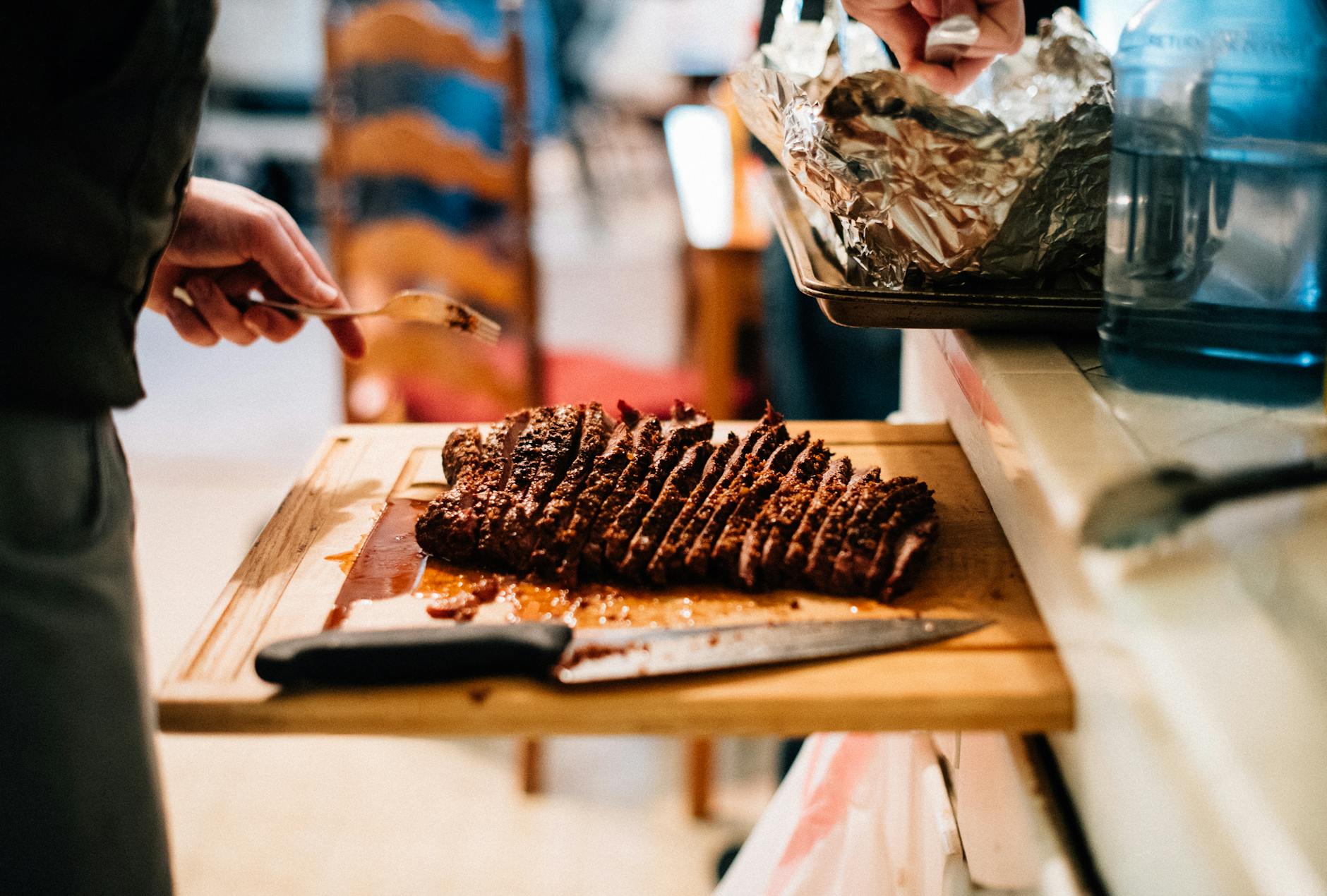
- Slice your brisket into uniform pieces to ensure even reheating.
- Heat a skillet or pan on low to medium-low heat.
- Add a splash of beef broth or water to the pan, just enough to cover the base.
- Place brisket slices in the pan and cover with a tight-fitting lid.
- Warm gently for 510 minutes, flipping halfway through.
- Remove once the meat reaches around 140F (60C) internally.
This covered method traps steam, rehydrating the meat and maintaining softness.
When Stovetop Is Best
Choose stovetop reheating when you have only a few slices or need a quick meal. Its also great if you want to keep your oven free for other dishes.
Slow Cooker Reheating Brisket
The slow cooker excels at gentle reheating over a longer period. This method preserves moisture in large brisket cuts or leftovers intended for a later meal.
- Cut the brisket into manageable chunks or leave whole if preferred.
- Place in slow cooker and add 1/4 to 1/2 cup of beef broth or your favorite BBQ sauce.
- Set the slow cooker on LOW.
- Cover and reheat for 23 hours, checking periodically for temperature (140F or 60C goal).
- Keep lid closed as much as possible to maintain moisture.
This slow method allows flavors to meld further while keeping the meat tender.
Microwave Reheating
Microwaving brisket is convenient but riskyyou could lose texture and moisture quickly. Use this method only when pressed for time and take extra care:
- Slice the brisket thinly for even heating.
- Place meat in a microwave-safe container and sprinkle lightly with beef broth or water.
- Cover with microwave-safe lid or damp paper towel.
- Heat in 30-second bursts on medium power, flipping or stirring after each, until warmed through.
- Check frequently to avoid overheating.
This method can work well when done cautiously but avoid microwaving large, uncut brisket pieces.
Brisket Reheating Tips
No matter which method you pick, some principles hold true for perfect reheated brisket every time.
How to Store Brisket
Proper storage preserves brisket texture before you even start reheating. Refrigerate brisket in airtight containers or wrap tightly in plastic wrap and aluminum foil.
- Store in the refrigerator for up to 4 days.
- For longer storage, freeze brisket portions individually wrappedlasts 34 months in the freezer.
- When freezing, avoid re-freezing thawed brisket to maintain quality.
Thawing Before Reheating
For best results, thaw frozen brisket slowly overnight in the refrigerator. Faster methods, like microwaving to thaw or leaving out at room temperature, risk moisture loss and potential bacterial growth.
Adding Moisture during Reheating
Liquids and sauces are your best friends here. Beef broth, water, or BBQ sauce added during reheating add necessary steam and flavor. Even a few tablespoons make a big difference.
- Broth keeps it savory and neutral.
- BBQ sauce enhances flavor and gloss.
- Water works as a simple steam source without altering taste.
Season lightly after reheating if needed, but most brisket holds flavor well.
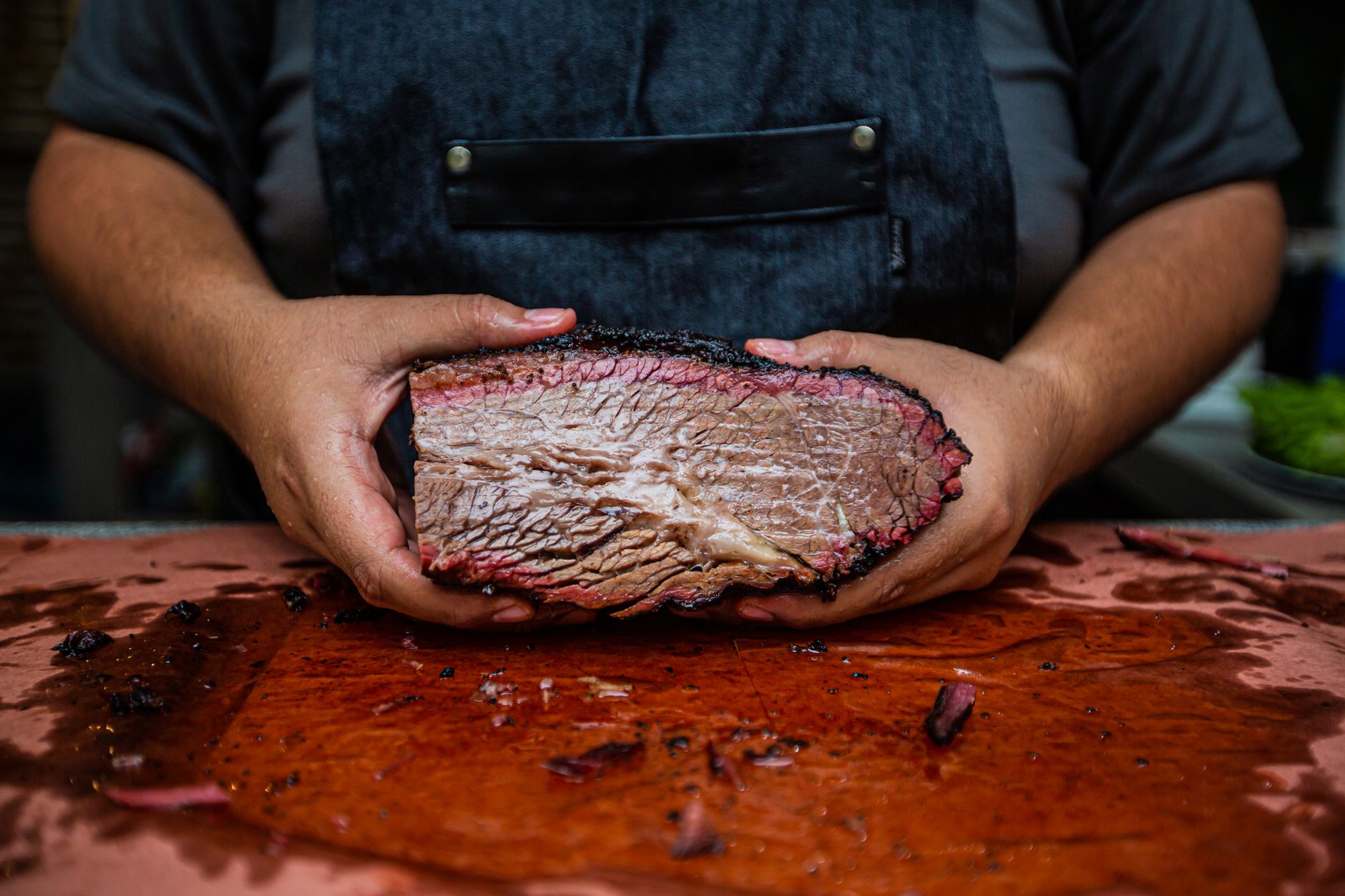
Expert Advice on Reheating Brisket
BBQ chefs and pitmasters emphasize patience below high heat as the key to juicy reheated brisket. Slow and steady wins here. Chef Marcus at a renowned Texas BBQ says, "Brisket is a living thing. Treat it gently after cooking, or you lose all that hard-earned tenderness." He recommends oven reheating at low temperature wrapped in foil and always using some liquid for steam.
Food scientist Dr. Lina Nguyen explains that the fat in brisket melts at low temperatures, helping lock in moisture. Overheating causes the muscle fibers to contract and squeeze moisture out, which is why slow warming at 250F or less is so important.
Following these trusted voices helps make reheated brisket close to freshly served.
Meat (and Safety) Reminders
Always use a meat thermometer to check that brisket is warmed to a safe internal temperature around 140F (60C). This ensures food safety without drying out the meat.
If you buy Halal brisket, look for certifications such as JAKIM, HMC, or IFANCA logos on packaging to confirm proper handling aligned with Islamic dietary laws. Proper quality certifications also suggest better traceability, which impacts freshness and safety.
For more reminders related to meat safety in your kitchen, you might find our Meat recalled listeria post helpful.
How long does it take to reheat brisket without drying it out?
Reheating sliced brisket gently in the oven usually takes 2030 minutes at 250F (120C), while a full brisket cut needs 4060 minutes. Slow cooker reheating takes 23 hours on low. Speedier methods like stovetop or microwave take 510 minutes but require close monitoring to avoid drying.
Can I reheat brisket multiple times?
Reheating brisket more than once is not recommended. Each cycle causes moisture loss and increased risk of bacterial growth. If you expect leftovers, divide portions before storing to reheat only what you will eat.
Whats the ideal internal temperature for reheated brisket?
The goal is to reach about 140F (60C) internally. This temperature warms the brisket adequately while maintaining juices. Higher temperatures risk overcooking and drying out the meat.
Should you slice brisket before or after reheating?
Slicing before reheating works best for quicker, more even warming, especially with stovetop or microwave methods. Larger pieces or whole brisket benefit from reheating first then slicing for serving.
How do I know if reheated brisket is safe to eat?
Ensure it reaches at least 140F (60C) internally and has been properly stored (refrigerated within 2 hours of initial cooking, stored sealed, eaten within 4 days). Avoid reheating if brisket smells sour or shows mold.
Is reheated brisket still nutritious?
Yes. Proper reheating preserves most nutrients including proteins and vitamins. Avoid overheating, which can degrade nutrients and texture.
What Halal certification should I look for when buying brisket?
Look for JAKIM (Malaysia), HMC (Halal Monitoring Committee UK), or IFANCA (USA) logos on the packaging. These certifications confirm the brisket is processed according to Islamic dietary laws ensuring it is Halal.
More You Might Like
If you enjoy cooking with meat, our detailed guide on Bake chicken temperature might help you perfect your poultry dishes. Also, stay informed about food safety alerts through our coverage on Meat recalled listeria.
Final Thoughts
Reheat brisket gently using low heat and moisture to keep its rich flavors and tender texture intact. Oven and slow cooker methods provide the best results, but stovetop and microwave can work with care. Use certified Halal brisket when possible to enjoy quality you can trust. Next time you reheat your brisket leftovers, remember these tips to savor juicy, delicious meat that feels freshly cooked. Feel free to share your favorite reheating tricks or questions below!
FAQs
Is reheat brisket actually Halal — what should I check on the label?
To ensure reheated brisket is Halal, look for certification logos like JAKIM, HMC, or IFANCA on the packaging. These guarantees that the brisket is processed and handled according to Islamic dietary laws, ensuring compliance with Halal standards.
When is the best time to eat or drink reheat brisket?
The best time to enjoy reheated brisket is within 3 to 4 days after cooking when stored properly in the refrigerator. Reheating brisket gently soon after ensures the meat stays tender and flavorful without drying out.
How long can reheated brisket be kept after opening?
Once reheated, brisket should be eaten immediately or within 2 hours. Leftovers should be stored in airtight containers and refrigerated promptly, but avoid reheating multiple times to maintain safety and quality.
What is the difference between reheated brisket and freshly cooked brisket?
Reheated brisket can be just as tasty if warmed gently with added moisture, but it may lose some of the initial juiciness and texture. Freshly cooked brisket usually has more pronounced tenderness and flavor due to initial slow cooking and resting.
Where can I buy good quality Halal brisket for reheating?
You can find quality Halal brisket at specialty Halal butchers, certified grocery stores, or online Halal meat suppliers that display trusted certifications like JAKIM, HMC, or IFANCA to ensure proper handling.