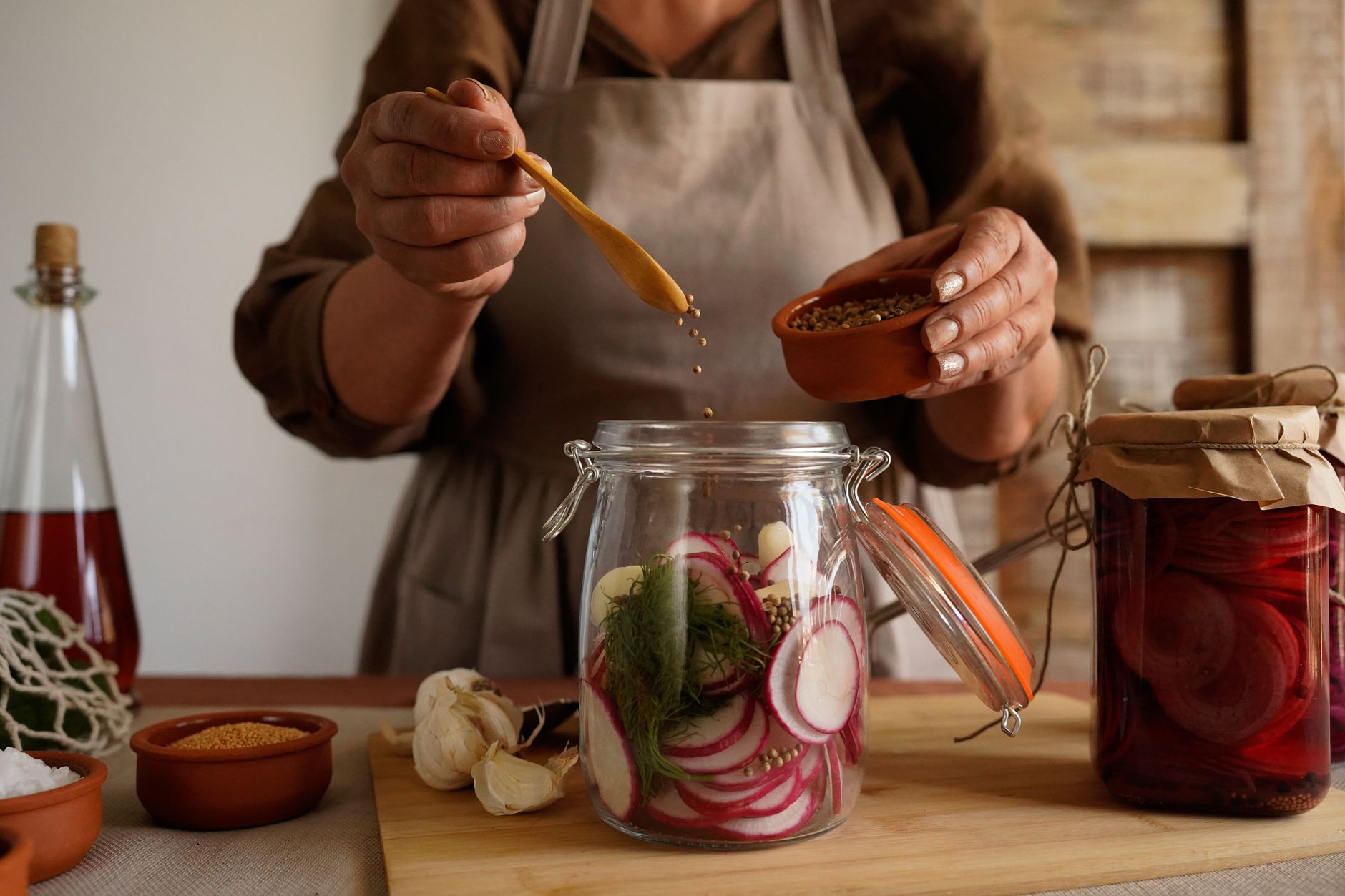
If youve ever wondered how to make a perfect pickle recipe thats both delicious and crisp, the secret really lies in the brine ratio. Getting the right balance of salt, vinegar, and water is key to creating pickles bursting with flavor and crunch without any fuss. Whether youre pickling cucumbers, carrots, or even jalapeos, nailing this ratio will ensure your homemade pickles shine every time.
Perfect Pickle Brine Ratio
What is the ideal pickle brine ratio?
The pickle brine ratio refers to the proportion of salt, vinegar, and water used to soak your vegetables. The most widely accepted and safe ratio for quick pickles is 1:1:2 meaning 1 part salt, 1 part vinegar, and 2 parts water. For example, 1 cup of water, 1 cup of vinegar, and about 1 tablespoon of salt create a brine that is both flavorful and preserves the vegetables well. This ratio balances acidity and salinity to inhibit spoilage while enhancing texture.
Food scientists explain that vinegars acetic acid provides the tang and preservative power, while salt draws moisture from the vegetables, improving crunchiness and flavor infusion. Using the proper brine ratio also ensures safety by creating an environment where harmful bacteria cant grow, especially important for health-conscious and Halal diets.
How does the brine ratio affect flavor and texture?
If the brine is too salty, your pickles might become harsh and overly salty, masking the natural flavor of the vegetables. Too little salt leads to bland, soggy pickles that lose their bite. Vinegar controls acidity; a stronger vinegar ratio means sharper, tangier pickles, while more water softens the acidity, producing milder pickles. Achieving that balance is why the perfect pickle recipe centers on this brine ratio.
From personal experience, Ive made batches with too much salt and ended up with pickles that overwhelmed sandwiches. Others lacked enough vinegar and tasted flat. But when I used the classic 1:1:2 ratio, the flavor really popped, and the cucumber slices stayed perfectly crisp for weeks.
Common brine ratios for different pickles
| Pickle Type | Salt | Vinegar | Water | Flavor Notes |
|---|---|---|---|---|
| Dill Pickles | 1 tbsp | 1 cup white vinegar | 2 cups water | Classic tang with herbal dill aroma |
| Sweet Pickles | 1 tbsp | 1 cup apple cider vinegar | 2 cups water + cup sugar | Balancing tang with mellow sweetness |
| Spicy Pickles | 1 tbsp | 1 cup white vinegar | 2 cups water | Sharp, tangy heat with chili flakes |
Homemade Pickle Recipe
Ingredients for perfect pickles
| Prep time | Cook time | Total time | Servings | Calories (per serving) | Diet tags |
|---|---|---|---|---|---|
| 15 minutes | 5 minutes | 20 minutes + 24 hours curing | 4 jars (about 12 servings) | 10 kcal | Halal, Gluten-Free, Vegan |
- 8 medium cucumbers (Kirby or pickling cucumbers), washed and sliced
- 2 cups water
- 1 cup distilled white vinegar (5% acidity)
- 1 tablespoon kosher salt (non-iodized)
- 4 cloves garlic, peeled and halved
- 2 teaspoons dill seeds or fresh dill sprigs
- teaspoon black peppercorns
- Optional: 1 teaspoon red chili flakes for spice
Preparing vegetables for pickling
Start by washing your cucumbers well to remove any dirt or impurities. Trim off the blossom ends to prevent softening. Slice cucumbers to desired shapesspears or roundsfor even brining. Soak cut cucumbers in ice water for 30 minutes before packing. This step helps retain crunch by tightening the cell structure. Dry them thoroughly before placing them in sterilized jars.
Step-by-step pickle recipe
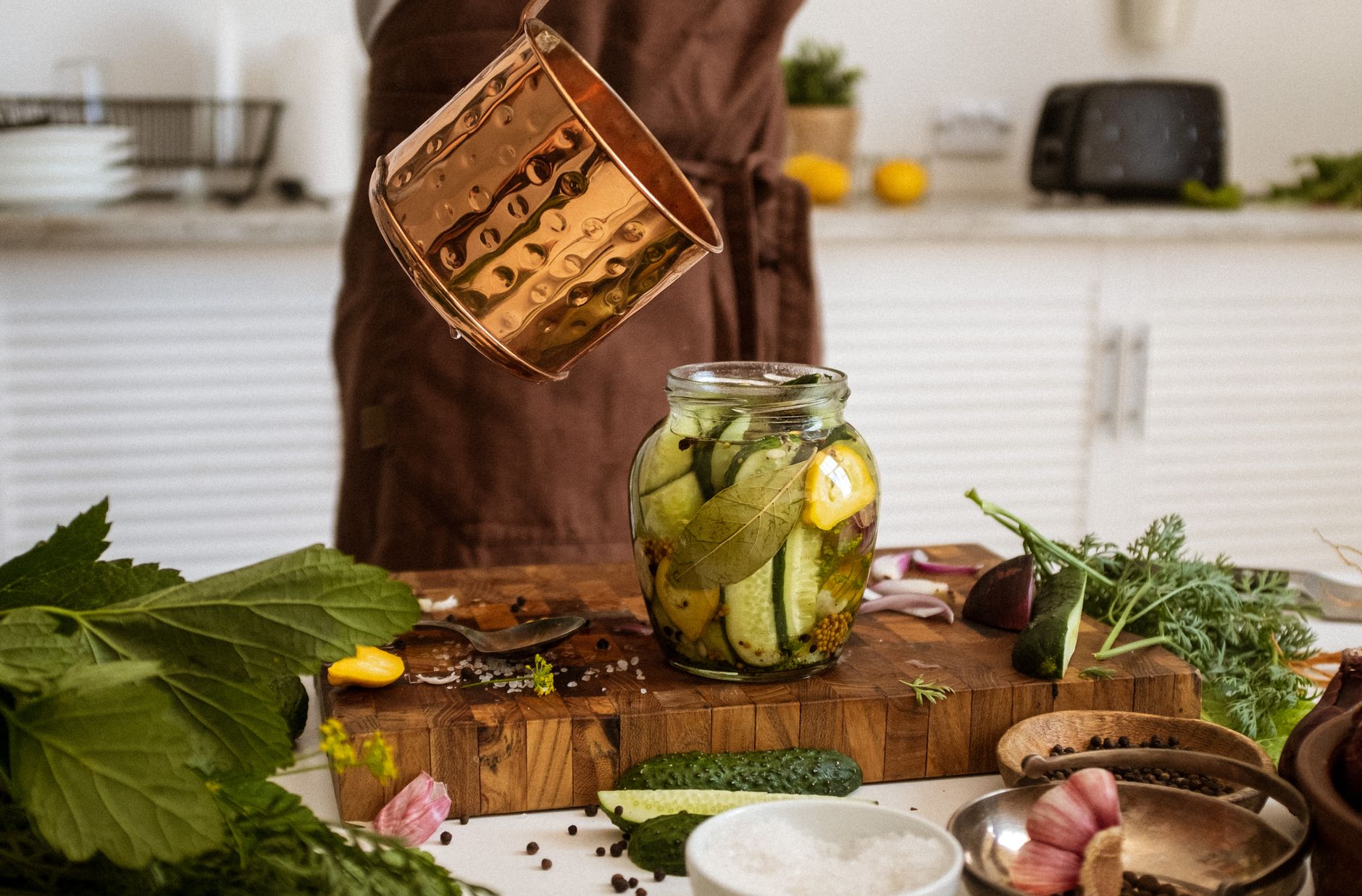
- Make the brine: In a non-reactive saucepan, combine 2 cups water, 1 cup vinegar, and 1 tablespoon kosher salt. Heat on medium for 5 minutes, stirring to dissolve salt completely. Remove from heat and let cool slightly.
- Prepare jars: Sterilize 4 pint-sized glass jars and lids by boiling or running through a dishwasher cycle. This prevents contamination.
- Pack cucumbers: Into each jar, place garlic halves, dill, peppercorns, and optional chili flakes. Then tightly pack cucumber pieces.
- Add brine: Pour the warm brine over cucumbers, leaving about -inch headspace. Tap jars gently to remove air bubbles.
- Seal jars: Secure lids tightly but avoid over-tightening to prevent jar breakage during fermentation.
- Let pickles cure: For quick pickles, refrigerate for at least 24 hours before tasting. For flavor development, allow 48 hours. For fermentation-style pickles, store at room temperature (6575F) for 57 days, opening daily to release gas.

Pickle curing times
Quick pickles require a minimum 24-hour refrigeration to develop flavor but taste best after 48 hours. These keep well refrigerated for 34 weeks. Fermented pickles undergo a natural bacteria-driven process that takes 57 days at room temperature. This method creates complex sour notes but needs attention to safety and jar burping. Remember, fermentation is less about vinegar and more about salt and environment control.
Tips for Consistent Pickles
Common pickling mistakes
Avoid these pitfalls for crunchy pickles every time:
- Using iodized table salt leading to cloudy brine and off flavors
- Overfilling jars without headspace, causing leaks or explosions during fermentation
- Skipping sterilization and compromising shelf life
- Using old or soft vegetables resulting in mushy pickles
Following the recommended brine ratio and fresh ingredients dramatically reduces spoilage risks and ensures long-lasting pickles.
Balancing sweet and sour flavors
Adjust sweetness by adding sugar or honey to the brine. For instance, sweet pickles often include cup sugar per 2 cups water and 1 cup vinegar. Experiment with different vinegars like apple cider for a fruity tang or rice vinegar for mildness. A touch of honey or allspice can complement sourness nicely.
Storage for safety and freshness
Store quick pickles in the refrigerator at or below 40F. They remain fresh for up to 4 weeks unopened, and 23 weeks after opening. Fermented pickles stored in a cool spot last up to 6 months but must be checked for spoilage signscloudiness, off-smells, or sliminess mean discard immediately.

When is the best time to eat perfect pickles?
Pickles come alive after at least 24 hours of brining or curing. For the most flavor, wait 48 hours to 1 week this lets the flavors meld fully and the texture to become pleasantly crisp. Enjoy them as snacks, sandwich toppings, or alongside rice and grilled meats for a tangy punch.
Can different vinegar types be used?
Yes, but choose vinegars with 5% acidity for safe pickling. White distilled vinegar provides classic sharpness. Apple cider vinegar adds fruitiness and softer acidity. Malt vinegar gives a robust flavor but may deepen color. Avoid balsamic or flavored vinegars as they can alter taste and safety.
How to make pickles crunchier?
Try adding grape leaves or a pinch of calcium chloride (pickling lime) to jars. Using fresh, firm cucumbers cooled in ice water prior to pickling also helps. Salt concentration in the brine firms up cell walls to preserve crunch.
Is it safe to reuse pickle brine?
Reusing brine is generally not recommended for safety and flavor reasons. The brine loses acidity and salt concentration after initial use, increasing spoilage risks. Fresh brine ensures consistent flavor and preserves safety.
Pro Tips for Your Pickling Success
- Always use non-iodized, pure saltiodized salt can cloud your brine and add bitterness.
- Adjust salt and sugar slightly for your taste but keep vinegar constant for food safety.
- Pack jars tightly to minimize air exposure, which can cause softening and spoilage.
- For Halal compliance, verify all spices and additives are Halal-certified by bodies like JAKIM or IFANCA.
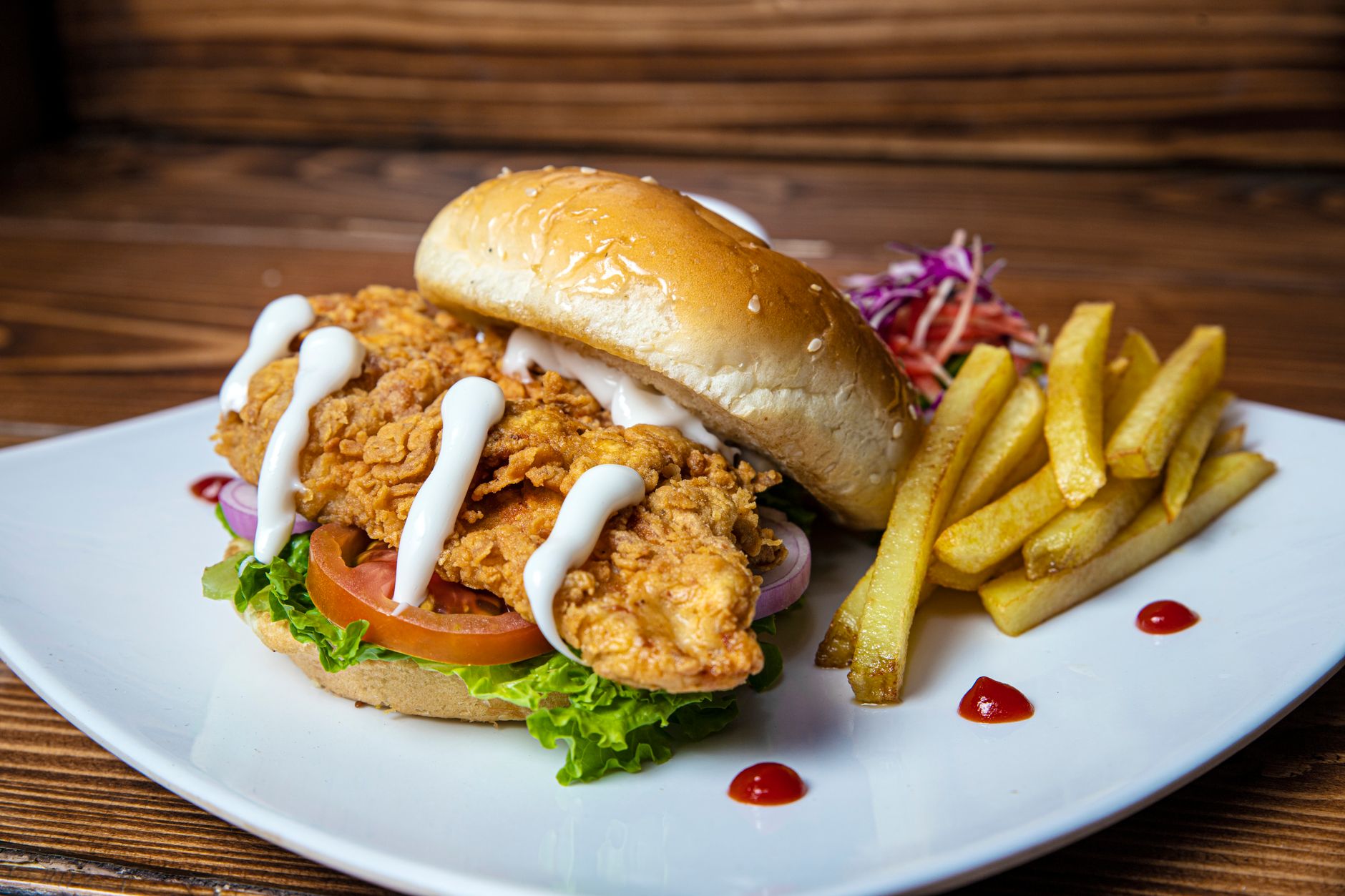
If you love breakfast sandwiches as much as pickles, check out our deep dive on Panera bread breakfast sandwiches or the tasty options at Wendy‘s breakfast sandwiches. The tangy crunch of homemade pickles complements those meals perfectly.
Can I adjust spices for flavor variety?
Absolutely! Try adding mustard seeds, coriander, or cinnamon sticks to the brine. Adjust herbs based on your palate, but keep the brine ratio stable for safety.
How do I prevent my pickles from turning soft?
Use fresh cucumbers, soak in ice water before pickling, and keep the salt concentration accurate. Avoid warm storage for quick pickles, and consume within 34 weeks.
What are signs of spoiled pickles?
Cloudy brine, unpleasant odors like rot, mold growth, and slimy textures indicate spoilage. Discard immediately to avoid health risks.
Is it possible to ferment pickles Halal?
Yes, fermentation is a natural process compatible with Halal standards, provided all ingredients and utensils are clean and free from Haram substances. Check for certifications if buying starter cultures or additives.
How long do pickles last in the fridge?
Quick refrigerated pickles keep well for 34 weeks unopened. Once opened, consume within 23 weeks. Always use clean utensils to avoid contamination.
Can I pickle other vegetables using this recipe?
Yes. Carrots, green beans, cauliflower, and jalapeos work well with this brine ratio. Adjust curing time depending on vegetable thickness.
What salt is best for pickling?
Pure kosher or pickling salt without additives is best. Avoid table salt with anti-caking agents or iodine, as they can cloud the brine and affect flavor.
More You Might Like
Find inspiration for your next snack by exploring the best Panera bread breakfast sandwiches known for fresh ingredients and bold flavors.
Also, discover how to build a satisfying morning meal with Wendy‘s breakfast sandwiches, perfect when paired with the crunch of homemade pickles.
Perfecting your homemade pickles is all about that perfect pickle recipe a simple yet crucial brine ratio that delivers tangy crunch every time. Try this recipe, experiment with flavors, and enjoy the fresh taste of your own pickles at home. When shopping for ingredients, always look for Halal certification logos such as JAKIM or IFANCA to ensure compliance. Have your own tips or favorite pickle variations? Share your thoughts and get pickling!
FAQs
When is the best time to eat or drink perfect pickle recipe?
Pickles develop their best flavor after at least 24 hours of brining, but waiting 48 hours to one week allows flavors to fully meld and the texture to become perfectly crisp, ideal for snacking or topping meals.
How long do perfect pickles keep after opening?
Quick refrigerated pickles stay fresh for 2 to 3 weeks after opening if stored properly at or below 40°F. Always use clean utensils to prevent contamination.
What makes this perfect pickle recipe different from common pickling methods?
This recipe emphasizes the precise 1:1:2 brine ratio of salt, vinegar, and water, balancing flavor and texture while ensuring safety and crunch, unlike less controlled methods that may produce soggy or overly salty pickles.
Is it safe to eat perfect pickles daily?
Yes, consuming perfect pickles daily is safe if prepared and stored properly using the right brine ratio and hygiene practices. They can be a low-calorie, probiotic-rich snack especially if fermented safely.
Where can I buy ingredients to make the perfect pickle recipe halal?
Look for kosher or pickling salt and vinegars certified by halal organizations like JAKIM or IFANCA, available in most supermarkets or online specialty stores focused on halal foods.