Leftover cotija cheese often ends up forgotten in the fridge, tossed when it starts to dry or crumble. But did you know you can use leftover cotija in surprisingly simple and delicious ways? This crumbly Mexican cheese adds a salty, tangy kick that brightens meals without overpowering them. Saving and reusing your leftover cotija not only cuts waste but also saves money and boosts flavor with minimal effort.
Why You Should Save Cotija
What Makes Cotija Cheese Unique?
Cotija is a firm, crumbly Mexican cheese with a slightly salty and tangy flavor, similar to feta but less creamy. Its made from cows milk and often aged, which gives it a dry texture and potent taste that enhances everything from salads to grilled dishes. According to the USDA FoodData Central, cotija contains roughly 21 grams of protein and 720 mg of sodium per 100 grams, making it a flavorful protein-packed topping.
Cotija typically lasts 34 weeks unopened in the refrigerator. Once opened, keep it tightly wrapped or sealed in an airtight container to stay fresh for up to 12 weeks. Proper storage can extend its usability without compromising flavor or safety.
Common Storage Mistakes
Many throw away leftover cotija too soon because they store it incorrectly. Leaving it exposed to air or moisture speeds up spoilage and drying. Avoid plastic bags that trap humidity and cause mold. Instead, wrap cotija tightly in wax paper or parchment, then place it in an airtight container. This prevents it from turning rock-hard or developing off smells.
Some also worry that leftover cotija isnt safe after a week or two, but if stored right and showing no signs of mold or ammonia smell, it‘s fine to use. Keep an eye for white mold spots (which isnt always harmful) versus fuzzy or dark-colored mold, which demands disposal.
Health Benefits and Risks
Cotija is rich in calcium and protein, important for bone health and muscle maintenance. Its also low in lactose compared to fresh cheeses, so some sensitive individuals tolerate it better. However, cotija is naturally saltylimit portion size if watching sodium intake.
Discard cotija if you notice a sour ammonia smell, sliminess, or unusual discoloration. These indicate spoilage and potential health risk. Always trust your senses to avoid consuming unsafe cheese.
4 Ways To Use Leftover Cotija Cheese
1. Sprinkle Over Salads for Instant Flavor
Leftover cotija shines as a topping on vibrant salads. Crumble it generously for a salty, tangy boost without overwhelming your greens. Try it on Mexican-style salads with black beans, corn, avocado, and cherry tomatoes, or a simple mixed leaf salad with citrus dressing.
Cotijas firm texture adds delightful contrast, while its protein content amps up satiety. Plus, it pairs beautifully with cilantro, lime, and fresh chili for authentic Southwestern flair.

2. Upgrade Your Breakfast Game With Cotija
Breakfast is the perfect opportunity to use leftover cotija creatively. Mix crumbled cheese into scrambled eggs right before serving and finish with chopped cilantro and a squeeze of lime. The cheese melts slightly, adding a creamy, tangy layer to tender eggs.
You can also sprinkle cotija on breakfast tacos with sauted peppers and onions or mash some atop avocado toast for an unexpected salty depth.
| Prep time | Cook time | Total time | Servings | Calories | Diet tags |
|---|---|---|---|---|---|
| 5 minutes | 8 minutes | 13 minutes | 2 | 250 | Halal, Gluten-Free |
Recipe: Cotija Scrambled Eggs With Cilantro and Lime
- 4 large eggs
- cup crumbled leftover cotija cheese
- 2 tbsp chopped fresh cilantro
- 1 tsp lime juice
- Salt and pepper to taste
- 1 tbsp olive oil or butter
Step 1: Beat eggs lightly with salt and pepper. Heat olive oil in a nonstick skillet over medium heat.
Step 2: Pour in eggs and stir gently until they begin to set, about 4 minutes.
Step 3: Sprinkle cotija cheese on top but avoid stirring fully to retain cheese texture. Cook another 3-4 minutes.
Step 4: Remove from heat. Fold in cilantro and lime juice. Serve immediately for a bright, tangy breakfast with protein boost.
3. Add Cotija to Sandwiches and Wraps
In sandwiches, cotija adds a salty crunch that pairs well with grilled meats, roasted vegetables, and spicy spreads. Unlike soft cheeses, cotija doesnt make bread soggy, making it excellent for wraps and paninis.
Try this simple wrap: spread mashed avocado mixed with lime juice on a tortilla, add roasted chicken or chickpeas, layer sliced tomatoes and shredded lettuce, then crumble cotija on top before rolling tightly.
4. Use Cotija in Loaded Nachos or as a Snack Topping
Cotija elevates snack time. Sprinkle it over homemade nachos layered with beans, jalapeos, and your favorite salsa for a crowd-pleasing treat. The cheeses saltiness balances spicy and rich toppings beautifully.
Another snack hack: roast vegetables such as zucchini or cauliflower, then toss with olive oil and cotija for a crunchy, cheesy finish. You can even crumble cotija over freshly popped popcorn for a gourmet salty snack.

How To Store Leftover Cotija
Best Containers and Environment
Keep cotija fresh by wrapping it in wax or parchment paper, then sealing inside a glass or BPA-free airtight container. Avoid plastic wrap directly on cheese, which traps moisture and accelerates spoilage. Store in the refrigerators vegetable drawer where humidity is higher but temperature stays between 3438F (13C).
Leftover cotija cheese lasts 57 days this way after opening. If it starts to harden, sprinkle a few drops of water on the wrapped cheese and reseal to revive moisture. Never freeze whole blocks of cotija; the texture suffers significantly.
Freezing Leftover Cotija
If you have more cotija than you can use in a week, shred it finely and spread on a parchment-lined tray. Freeze for 2 hours, then transfer to a sealed freezer bag. This prevents clumping and enables you to thaw small amounts as needed.
Shredded cotija stored in the freezer keeps well for 23 months but may lose some texture and firmness. This method resembles how to freeze cream cheese effectively, avoiding ice crystal damage.
Expert Tips on Using Cotija
Chef Insights on Flavor and Use
Mexican chefs recommend pairing cotija with acidic ingredients like lime, tomato, or citrus-based salsas, which complement the salty tang. According to culinary experts, cotija balances hearty dishes without heavy creaminess, making it a versatile finish rather than a base ingredient.
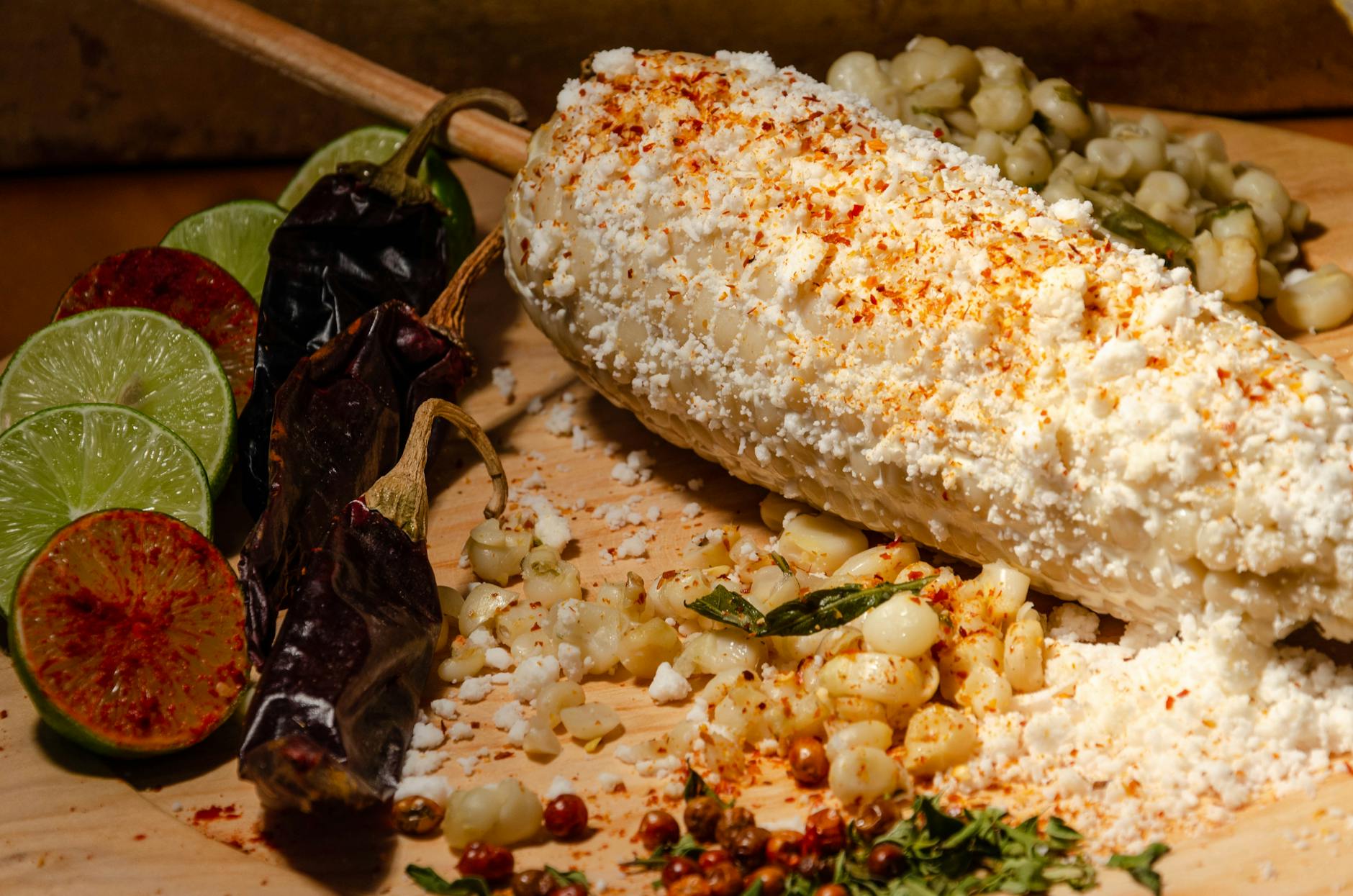
For authentic Mexican flavors, try cotija in dishes like elote (Mexican street corn) or sprinkled over beans and rice. Chefs caution to crumble, not shred cotija, as its crumbly texture is key.
Cotija vs. Queso Fresco
Both cheeses are traditional Mexican staples with crumbly textures but different flavors. Queso fresco is milder and creamier, while cotija is saltier and firmer. Use cotija for bold flavor impact, especially on salads or as a garnish, and queso fresco when you want a gentle, creamy touch.
Choosing between them depends on the texture and saltiness desired in your dish. Both are Halal-friendly when certifiedlook for recognized marks like JAKIM, HMC, or IFANCA on packaging to ensure compliance.
Cottage cheese brands might show similar labeling practices, so use this as a comparison when choosing your cotija.
When Is the Best Time to Eat Cotija?
Cotija often tastes best fresh but can also improve with a few days of aging in the fridge, developing more intense flavor. Use leftover cotija promptly within 57 days of opening, or freeze shredded if you need longer storage. Using it as a topping or garnish shortly after opening ensures the best texture and taste.
Is Cotija Cheese Actually Halal What Should I Check?
Cotija cheese can be Halal if its made without animal rennet or uses Halal-certified rennet. Always check the packaging for certification logos from trusted bodies such as JAKIM, HMC, or IFANCA. Transparent labeling and clean ingredient lists help confirm Halal compliance. When in doubt, look for the halal symbol or contact the manufacturer.
Can You Freeze Cotija Cheese?
Freezing whole cotija blocks is not recommended due to texture loss. However, shredded cotija freezes well if spread out on a tray before bagging. Use frozen cotija within 23 months for best quality. Thaw in the fridge overnight before use, then crumble over hot dishes.
How Can You Tell If Cotija Cheese Has Spoiled?
Signs of spoilage include a sharp ammonia smell, slimy texture, visible mold thats fuzzy or dark (not harmless white spots), and off flavors. If any of these occur, discard the cheese immediately to avoid foodborne illness.
Is Cotija Cheese High in Sodium?
Yes, cotija is a salty cheese, containing around 720 mg of sodium per 100 grams, according to USDA data. Moderation is key, especially for those on sodium-restricted diets. Using small amounts as a garnish or topping allows you to enjoy flavor without excessive salt intake.
What Are Common Mistakes When Using Cotija in Cooking?
One common mistake is cooking cotija too much, which can dry it out or make it tough. Cotija is better used as a finishing touch, sprinkled on warm dishes rather than fully melted. Also, skipping proper storage leads to quick spoilagealways wrap and refrigerate promptly.
More You Might Like
Discover how to freeze cream cheese effectively to extend its shelf life and reduce waste in your kitchen. If you enjoy cheese varieties, check out our guide on cottage cheese brands for insights on selecting quality dairy products.
Conclusion
Using leftover cotija doesnt have to be complicated. Whether you sprinkle it on salads, fold it into your breakfast, add it to sandwiches, or top your snacks, leftover cotija brings easy, flavorful solutions to reduce waste and lift your meals. Next time you shop, look out for Halal certification on your cotija, store it properly, and enjoy these simple ideas that make every crumb count. Share your own cotija tips in the comments below!
FAQs
Is use leftover cotija actually Halal — what should I check on the label?
Cotija cheese can be Halal if it is made without animal rennet or uses Halal-certified rennet. Check for certification logos from trusted bodies like JAKIM, HMC, or IFANCA on packaging to confirm compliance. Transparent ingredient lists and Halal symbols ensure the cheese meets your dietary requirements.
When is the best time to eat or drink use leftover cotija?
Leftover cotija cheese tastes best fresh or after a few days aged in the refrigerator, which develops a richer flavor. Use it within 5–7 weeks of opening for optimal freshness and texture. For longer storage, freezing shredded cotija is recommended.
How long does leftover cotija cheese last after opening?
When properly stored wrapped in wax paper and an airtight container in the fridge, opened cotija can last up to 5–7 weeks. Always check for spoilage signs like sour smell or mold before use.
What is the difference between cotija and queso fresco?
Cotija is firmer, saltier, and drier than queso fresco, which is softer and milder. Cotija is ideal for bold flavor and crumbly texture on dishes, while queso fresco is better for creamy, gentle topping or melting.
Where can I buy high-quality leftover cotija cheese?
Look for cotija cheese at specialty grocery stores, Mexican markets, and well-stocked supermarkets. Check for Halal certification if needed and buy blocks that are vacuum-sealed for freshness. Some online retailers also offer quality cotija cheese with proper storage guidelines.