Ever wonder if soda spoilage is a real concern? You find a can tucked away in your fridge or a plastic bottle past its best-by date and ask yourself: is this safe to drink? Soda, with its fizz, sugar, and preservatives, often feels like it might never go bad. But like any food or beverage, soda changes over time. Understanding soda spoilage helps you decide when to enjoy that drink or when its better to toss it out.
Soda Spoilage Basics
Soda spoilage refers to changes in the drinks quality and safety caused by chemical breakdown, microbial growth, or loss of carbonation. But why does this happen less often than with other perishable drinks? Its because soda contains acids, sugars, and carbon dioxide, which together create an environment that‘s hostile to most bacteria.
What Causes Soda to Spoil?
The main culprit behind soda spoilage is the loss of carbonation. When soda loses its fizz, it tastes flat and unpleasant a clear sign its quality has dropped. However, carbonation loss itself doesnt always mean the soda is unsafe to drink.
Other factors contributing to spoilage include the containers integrity. If a can or bottle is damaged, exposed to air, or improperly sealed, harmful bacteria or molds can grow, especially in sugar-rich environments.
Sweeteners and acids in soda can also break down over time. This chemical change can alter flavor, color, and even clarity. Storage conditions, such as exposure to heat or direct sunlight, accelerate these reactions and can dramatically shorten your sodas shelf life.
How Container Type Affects Shelf Life
| Container Type | Approximate Shelf Life | Spoilage Risk Factors |
|---|---|---|
| Aluminum Cans | 69 months unopened | Crushed cans, swollen cans (pressure buildup), corrosion |
| Plastic Bottles (PET) | 36 months unopened | Leaching chemicals if stored in heat, loss of carbonation through permeability |
| Glass Bottles | 12 months+ unopened | Breakage risk, less permeability so better carbonation retention |
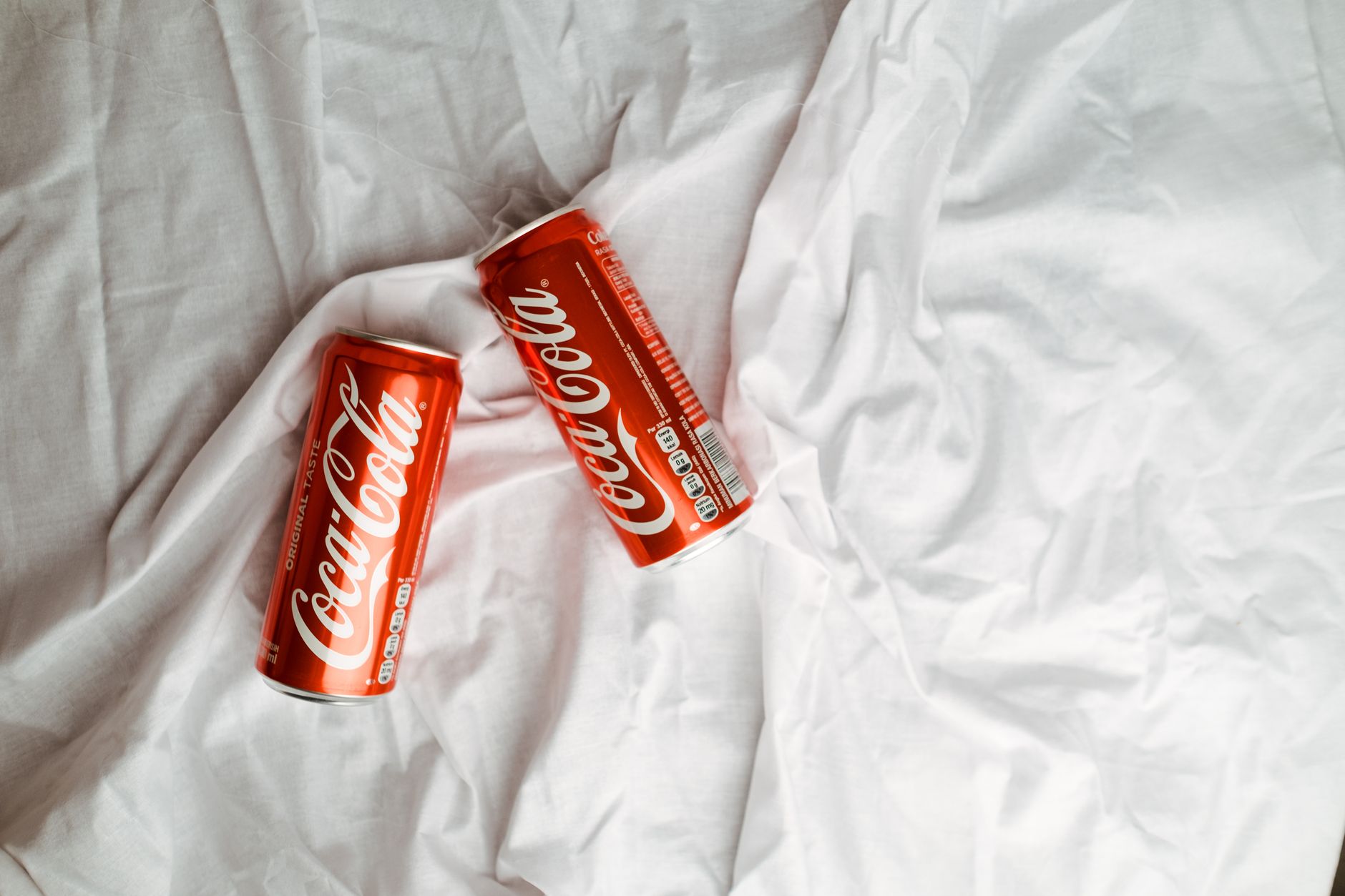
Glass bottles typically preserve soda longer because they are less permeable and chemically inert. Plastic bottles allow more CO2 to escape over time, leading to quicker flatness. Cans protect soda well, but physical damage can cause contamination.
Soda Shelf Life Explained
The best-by date on soda labels does not mean your soda instantly becomes hazardous past that date. Instead, it highlights when the manufacturer guarantees the best flavor and carbonation quality.
How Long is Soda Good After Best-By?
Unopened soda usually stays safe for months beyond the best-by date if kept sealed and stored cool. Typically, canned sodas last 6 to 9 months, plastic bottles around 3 to 6 months, and glass bottles up to a year or more.
Over time, the soda tends to lose carbonation first. It might become flat or taste stale, but not necessarily harmful. The acids in soda inhibit microbial growth, so spoilage by bacteria or mold is rare unless the container is compromised.
Industry standards emphasize that a sodas quality dips gently after best-by dates, not instantly. However, repeated exposure to heat or air can shorten this window quickly.
Can You Drink Expired Soda Safely?
You can usually drink expired soda if it hasnt shown any obvious signs of spoilage. Flat or off-tasting soda is safe in most casesthough unpleasant. If you notice mold, a swollen container, or an odd smell, its time to discard it.
Many people worry about health risks from expired soda, but carbonation and acid create a low-risk environment for bacteria. Nevertheless, caution applies if packaging is damaged or the soda has been open for a long time.
Detox drinks can be a healthier alternative if you‘re avoiding sugary or flat beverages, especially when considering expired soda.
Identifying Spoiled Soda
Knowing the signs helps avoid unpleasant or unsafe drinks. Heres what to check:
What Are Spoilage Signs?
- Appearance: Cloudiness, strange sediment, or discoloration often means bacterial growth or chemical breakdown.
- Container Condition: Swollen cans or bottles signal gas buildup due to microbial activity and potential spoilage.
- Smell: A sour or off odor is a red flag.
- Taste: Flatness or a stale, off flavor indicates quality loss. Bitterness or unusual tastes call for caution.
If you see any of these signs, dont risk your healthdispose of the soda responsibly.
How to Dispose of Spoiled Soda
Pour spoiled soda down the drain with plenty of water to dilute sugar and acid content. Recycle cans and bottles separately, following local recycling rules. Avoid throwing liquids in compost bins, as the acidity can harm microbial activity.
Storing Soda Correctly
Proper storage extends sodas shelf life and preserves taste. Keep your soda in a cool, dark place at stable temperatures below 25C (77F). Avoid exposing soda to direct sunlight or heat, which speeds carbonation loss and chemical changes.
Does Opening Soda Change Its Shelf Life?
Once opened, sodas shelf life shortens considerably. Exposure to air causes carbon dioxide to escape quickly. After opening, refrigerated soda generally retains decent quality for 1 to 3 days. Beyond that, it becomes flat and loses flavor.
To keep opened soda fresh longer, reseal bottles tightly or use specialized soda stoppers. Remember, refrigeration slows spoilage but does not stop carbonation loss altogether.

Health Risks Drinking Spoiled Soda
Soda spoilage is usually about flavor and texture, not safety. However, if contamination occursespecially in damaged containerstheres a risk of bacterial growth. Drinking such soda can cause stomach upset or more serious illnesses.
Symptoms after consuming questionable soda may include nausea, vomiting, or diarrhea. People with weakened immune systems should exercise extra caution.
Always inspect the soda visually and smell it before drinking. If uncertain, discard the sodaits better to be safe.
Halal-Certified Soda Options
When buying soda, Halal certification adds trust regarding ingredients and manufacturing. Look for logos from recognized bodies like JAKIM, HMC, or IFANCA on packaging. This ensures the soda meets dietary laws and uses permissible additives.
Halal sodas often cater to health-conscious consumers, with transparency on sweeteners like cane sugar or stevia. Always check labels carefully, especially for flavorings and preservatives, because sugary sodas vary widely in quality and ingredient sources.
For an energizing alternative consistent with Halal standards, check out our guide on energy drinks that meet strict certification requirements.
Is soda without preservatives safer?
Preservative-free sodas might sound healthier, but they spoil faster. Artificial preservatives help extend shelf life by slowing microbial growth and oxidation. Choose based on your preferences but be ready to consume preservative-free soda sooner.
How can you spot Halal certification on soda bottles?
Certified sodas prominently display logos like JAKIM or HMC on labels. These symbols indicate the products ingredients and production processes comply with Halal rules, ensuring no prohibited additives or cross-contamination.
What is the most overlooked mistake when buying soda?
Ignoring storage and shelf life is common. Many buy sodas in bulk and store them improperly, risking spoilage before opening. Avoid this by checking dates, storing in cool places, and consuming before the best-by date expires.
Why do cheap sodas often fall short in quality?
Low-cost sodas sometimes use cheaper sweeteners and lack proper preservatives, shortening shelf life and spoiling flavor faster. They may also lack certification transparency, so quality varies.
What expert tip can help maintain soda fizz longer?
Store soda upright in a sealed container, preferably glass, and chill before drinking. Avoid frequent opening and reseal tightly to minimize CO2 loss and preserve taste.
What are the effects of heat on soda spoilage?
Heat accelerates carbonation loss and chemical breakdown of acids and sugars. Even sealed sodas can spoil faster in high temperaturesbest kept in cool, dark places.
Can soda cause allergies?
Soda ingredients can include allergens like sulfites or artificial colorings. For Halal and allergy-sensitive consumers, always check the label or certification for allergen declarations.
More You Might Like
Explore our curated selection of detox drinks for refreshing beverage ideas that complement your healthy lifestyle.
Looking for a Halal boost? Our comprehensive guide to energy drinks covers top choices with certification and balanced ingredients.
Conclusion
Soda spoilage mostly affects taste and fizz more than safety, but its wise to check for obvious signs like off smells or swollen containers. Store your soda properly, watch expiration dates, and when in doubt, throw it out for peace of mind. Next time you browse the beverage aisle, take a moment to examine labels and certification logos for the best, freshest choice. Feel free to share your thoughts or questions about soda spoilage below we love hearing from you!
FAQs
Is Soda spoilage actually Halal — what should I check on the label?
To confirm soda spoilage is Halal, check for certification logos from recognized bodies like JAKIM, HMC, or IFANCA on the label. These ensure ingredients and production follow Halal standards, avoiding prohibited additives and guaranteeing safety according to dietary laws.
How long does soda stay good after opening?
After opening, soda generally retains decent quality for 1 to 3 days if refrigerated and resealed tightly. Beyond that, carbonation loss leads to flat taste, and it may become unpleasant though usually still safe to drink unless spoiled.
How does soda spoilage differ from spoilage in other beverages?
Soda spoilage mostly results from carbonation loss and flavor changes due to acids and sugar breakdown, while microbial spoilage is rare. Other beverages spoil faster due to less acidic and carbonated environments that allow bacteria or molds to grow more easily.
Is it safe to drink soda daily even if it's close to or past its best-by date?
Yes, drinking soda close to or shortly after its best-by date is generally safe if no spoilage signs like off smells or container damage exist. Flat or stale soda may taste unpleasant but usually does not pose health risks.
Where should I buy Halal-certified soda to ensure quality and safety?
Purchase Halal-certified soda from reputable retailers or stores with verified suppliers. Online marketplaces and specialty shops focusing on Halal products often provide trustworthy options, so always check certification marks before buying.