When you pick up a carton of eggs from the store, have you ever wondered if theyre fertilized eggs or not? Most people are curious because the phrase fertilized eggs can sound unusual or even a little unsettling. The truth is, the eggs we eat daily are almost always unfertilized eggs. Understanding the difference between fertilized and unfertilized eggs helps clear up myths and worries while giving you confidence in your kitchen choices.
What Are Fertilized Eggs?
What Does Fertilization Mean in Eggs?
Fertilization happens when a rooster mates with a hen, allowing sperm to unite with the hens egg yolk before the shell forms. This process starts the potential development of a chick. Fertilized eggs contain a tiny cluster of cells called a blastoderm, often visible as a bullseye pattern if candled early. Unfertilized eggs, on the other hand, lack this cluster since no sperm is involved.
So, fertilized eggs are biologically different from unfertilized ones because they have the embryo that, under the right conditions, can grow into a chick. But its important to know fertilization doesnt change the eggs appearance much in raw form or its basic nutritional content.
How to Tell Fertilized vs Unfertilized Eggs Apart?
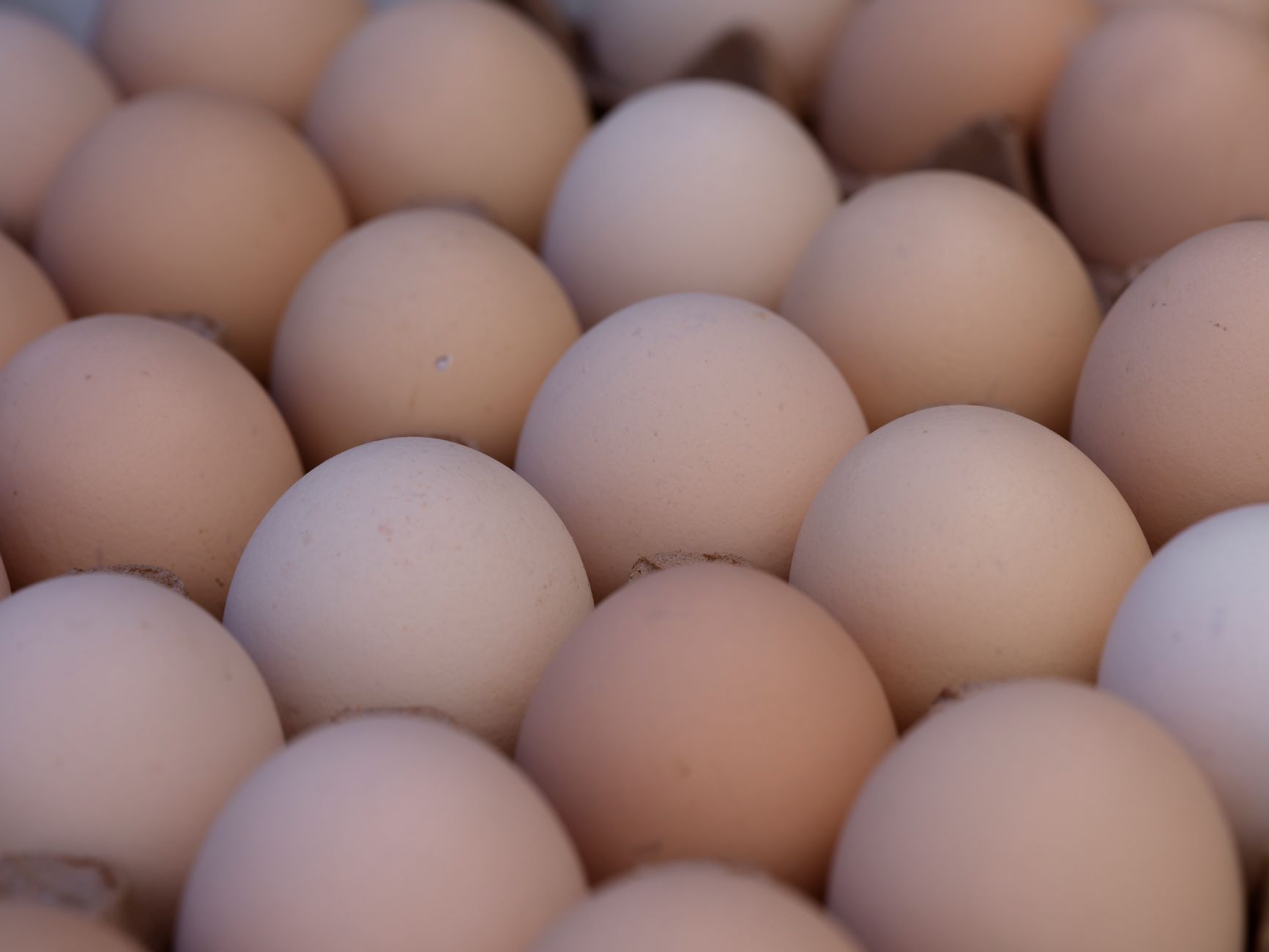
Spotting a fertilized egg just by looking at it in the carton is nearly impossible. Both types look alike from the outside. The most reliable way is to candle eggsshining a strong light through to view the interior. Fertilized eggs might show the blastoderm pattern as a white spot with concentric rings, while unfertilized eggs have a more uniform yolk appearance.
However, candling is a specialized technique not used in most grocery stores. Hence, without lab tests or farming knowledge, you cant easily tell fertilized eggs from unfertilized ones on supermarket shelves.

Are the Eggs We Eat Fertilized?
Why Store-Bought Eggs Are Usually Unfertilized
Commercial egg farms almost always keep hens separate from roosters. This practice prevents fertilization since no rooster is present to mate. The main reason is to maintain consistent egg supply and quality for consumers.
In large-scale poultry farms supplying supermarkets, eggs develop without fertilization, meaning the eggs you typically buy are unfertilized. This separation simplifies production and avoids any concerns about embryonic development during transport or storage.
Can Fertilized Eggs Get into Stores?
Yes, but its rare. Small farms, backyard chicken keepers, or specialty markets sometimes sell fertilized eggs. In these settings, hens freely mingle with roosters, resulting in some fertilized eggs in the batch.
Specialty or organic egg brands might occasionally include fertilized eggs, depending on farming practices. But even then, eggs are collected and refrigerated before incubation can begin, so no chicks develop.
Does Eating Fertilized Eggs Affect Health or Cooking?
From a nutritional and culinary point of view, fertilized eggs and unfertilized eggs are nearly identical. Both contain a rich protein profile, essential fats, vitamins such as B12 and D, and minerals like selenium and choline, according to the USDA FoodData Central.
Theres no inherent difference in taste or texture in cooked fertilized eggs. In recipes, they perform the same waywhether scrambled, boiled, or baked. If fertilized eggs are fresh and properly stored, they are as safe and delicious as any other eggs.

Real-Life Example: Backyard Chicken Keepers
Backyard chicken keepers often find that their eggs come fertilized if roosters are around. Their eggshells, yolks, and whites look the same as store eggs. However, these eggs have the potential to develop embryos if incubated.
Many backyard farmers gather eggs daily to use in cooking before any development can start. For homesteaders craving authentic, traceable eggs, fertilized eggs represent a natural farm experience rather than a food safety concern.
Fertilization Facts Everyone Should Know
How Does Fertilization Affect Egg Development?
For fertilized eggs to develop into chicks, they need warmthabout 99.5F (37.5C)and humidity control, typically provided by the hen sitting on the eggs or a commercial incubator. Without heat, fertilized eggs remain as they were when laid.
Most store-bought eggs are refrigerated promptly after collection, which halts the development process. So even if fertilized eggs were accidentally mixed in, no embryos grow during transport or home storage.
Conditions Needed for Hatching
Incubation requires exact temperature regulation for around 21 days. The environment must be stable with periodic turning to ensure even growth. Without these conditions, fertilized eggs wont hatch or develop further.
Safety Concerns Around Fertilized Eggs
Eating fertilized eggs poses no greater health risk than unfertilized eggs, provided they are fresh and handled properly. Both types must be refrigerated immediately and consumed within 35 weeks from the packing date to reduce bacterial contamination risk.
Follow Halal-certified handling practices such as checking for JAKIM or HMC certification logos if you require strict adherence to food standards. These agencies ensure ethical sourcing and hygiene in poultry products.
Cooking Differences Explained
Should You Worry About Fertilization When Cooking?
Most cooks wonder if fertilized eggs behave differently in the kitchen. You can relax: fertilized eggs cook, bake, and taste just like unfertilized ones. You wont notice changes in texture or flavor during typical cooking methods.
Theres no need to avoid fertilized eggs if you come across them at a farmers market or specialty store. They fit seamlessly into your recipes.
Cooking With Fertilized vs Unfertilized Eggs
Whether scrambled, poached, or used in baked goods, the proteins and fats hold and emulsify the same way. If you want extra confidence in egg freshness for baking Halal cakes or breads, always buy eggs from trusted suppliers with clear labeling.
Quick Reference Table: Fertilized vs Unfertilized Eggs
| Factor | Fertilized Eggs | Unfertilized Eggs |
|---|---|---|
| Appearance | Indistinguishable outside; blastoderm inside | Uniform yolk; no embryo presence |
| Taste | No difference | No difference |
| Nutritional Content | Equivalent (protein, fat, vitamins) | Equivalent |
| Availability | Rare in stores; common in backyard farms | Common in commercial supply |
| Uses | Cooking, baking, incubation (if warmed) | Cooking and baking only |
From Farm To Table
Egg Supply in Commercial Farming
Egg farms prioritize separation of hens and roosters to maintain egg quality and volume. This keeps most commercial eggs unfertilized. Eggs are gathered frequently, washed, sorted for size and quality, then refrigerated to preserve freshness.
Packers also check for cracks and cleanliness before shipping cartons to stores. These steps ensure you receive safe, fresh products.
Specialty and Backyard Eggs
Organic, free-range, or backyard eggs might have varying fertilization rates. For instance, free-range hens exposed to roosters naturally produce fertilized eggs. But theyre usually refrigerated before incubation can begin, keeping them safe to eat.
Customers interested in eggs with richer yolks or unique flavor sometimes seek these alternatives. Their connection to farming practices appeals to those focused on traceability and ethical sourcing.
Purchasing from trusted retailers that provide halal certification (IFANCA, JAKIM, or HMC) guarantees compliance with religious and food-safety standards.
Expert Insight
The key to safe eggs is timely refrigeration and handling, says poultry expert Dr. Lina Hassan. Fertilized eggs are not harmful when properly managed, but their main difference lies in their potential to hatch, which almost never happens in commercial settings.

Why Are Groceries So Expensive?
Farmers careful separation of hens and roosters affects egg production costs, which slightly influence prices. This connects back to supply chain factors and market demand. If you want convenient options, check out Groceries delivered services near you for fresh, halal-certified eggs without frequent store visits.
Is Eating Fertilized Eggs Halal?
Yes, fertilized eggs are halal if sourced from certified suppliers following Islamic dietary laws. Look for trusted logos like JAKIM, HMC, or IFANCA on packaging. These ensure eggs come from well-monitored farms practicing cleanliness and ethical husbandry.
How Long Do Fertilized Eggs Last?
Refrigerated fertilized eggs last about 35 weeks, just like unfertilized eggs. Keep them at or below 4C (39F) in a sealed container to maintain freshness. Avoid leaving eggs at room temperature for long periods to reduce spoilage risk.
Can Fertilized Eggs Hatch After Refrigeration?
Refrigeration effectively pauses embryo development. Unless warmed gradually to incubation temperature for 21 days, fertilized eggs wont hatch. So even if you buy fertilized eggs, you can safely consume them as food without concern.
Are Fertilized Eggs Nutritionally Better?
Theres no significant nutritional advantage to fertilized eggs. Their protein, fat, vitamin, and mineral levels are comparable to unfertilized eggs, as detailed by USDA FoodData Central. Nutritional value mostly depends on the hens diet and living conditions.
Can You Use Fertilized Eggs for Baking Halal Bread or Cakes?
Absolutely. Fertilized eggs perform identically to unfertilized ones in baking. For Halal-certified baked goods, ensure eggs come from farms with relevant certification. They deliver the same binding and leavening properties in recipes without altering flavor.
Are Fertilized Eggs More Expensive?
In commercial contexts, fertilized eggs are not typically sold separately and thus dont command a price premium. Backyard or specialty fertilized eggs might cost slightly more due to farming methods and smaller scale production.
What to Check When Buying Eggs?
Look for clear packaging with expiration dates, farm or brand transparency, and halal certification. Avoid cartons without proper labels or with damaged eggs. For Halal-conscious shoppers, JAKIM or IFANCA certification logos provide confidence in product origins.
Whats the Best Way to Store Eggs at Home?
Keep eggs in their original carton inside the refrigerator at the main body, not in the door where temperatures fluctuate. Stored this way, eggs remain fresh for 35 weeks. For fertilized eggs, prompt refrigeration is especially important to prevent any development.
Buying Tips
- Dont buy cracked or dirty eggs. Bacteria can penetrate cracks, affecting safety.
- Check the packaging date. Choose the freshest eggs available for the best flavor and shelf life.
- Look for halal certification. Logos from reputable bodies like JAKIM, HMC, or IFANCA are your best safety guarantee.
- Be cautious of price. Extremely cheap eggs may cut corners on quality or ethical standards.
- Ask local farmers. If buying from markets, inquire about roosters and egg fertilization.
Most Overlooked Buying Mistake
Many shoppers ignore the storage conditions eggs were kept in before purchase. Eggs left unrefrigerated on store shelves or during transport can spoil faster, regardless of fertilization status.
Expert Buying Tip
For superior freshness, buy eggs from local halal-certified farms or suppliers that you trust. Fresh eggs contribute to better cooking results and reduce spoilage riskperfect if balancing health-conscious choices and Halal compliance.
More You Might Like
Learn more about the rising costs in your kitchen with Why are groceries so expensive. Also, consider convenient Groceries delivered options to keep your pantry stocked with trusted halal products.
Conclusion
Fertilized eggs show up mostly in backyard settings but rarely in commercial stores. They look and taste like regular eggs and carry no extra health risks if fresh and refrigerated. Understanding fertilized eggs gives you clarity and confidence as you shop for wholesome, halal-certified groceries. Next time you pick up eggs, check the label and feel good about your choice. And if you keep chickens, you might even try using fertilized eggs yourself!
FAQs
Is fertilized eggs actually Halal — what should I check on the label?
Yes, fertilized eggs are Halal if sourced from suppliers certified by recognized bodies like JAKIM, HMC, or IFANCA. Check for their logos on packaging to ensure compliance with Islamic dietary standards and proper handling.
How long do fertilized eggs last after purchase?
When refrigerated at or below 4°C (39°F), fertilized eggs remain fresh for up to 35 weeks. Proper storage in the original carton helps maintain quality and prevents spoilage.
What is the difference between fertilized and unfertilized eggs?
Fertilized eggs contain a blastoderm, a tiny embryo cluster, while unfertilized eggs do not. However, both types look similar, taste the same, and have equivalent nutritional content.
Are fertilized eggs safe to eat daily?
Yes, fertilized eggs are safe when fresh and properly refrigerated, posing no additional health risks compared to unfertilized eggs. Standard food safety practices apply equally to both.
Where can I buy fertilized eggs?
Fertilized eggs are most often available from backyard or small farms, specialty markets, or organic suppliers where hens have access to roosters. They are rare in regular supermarkets.