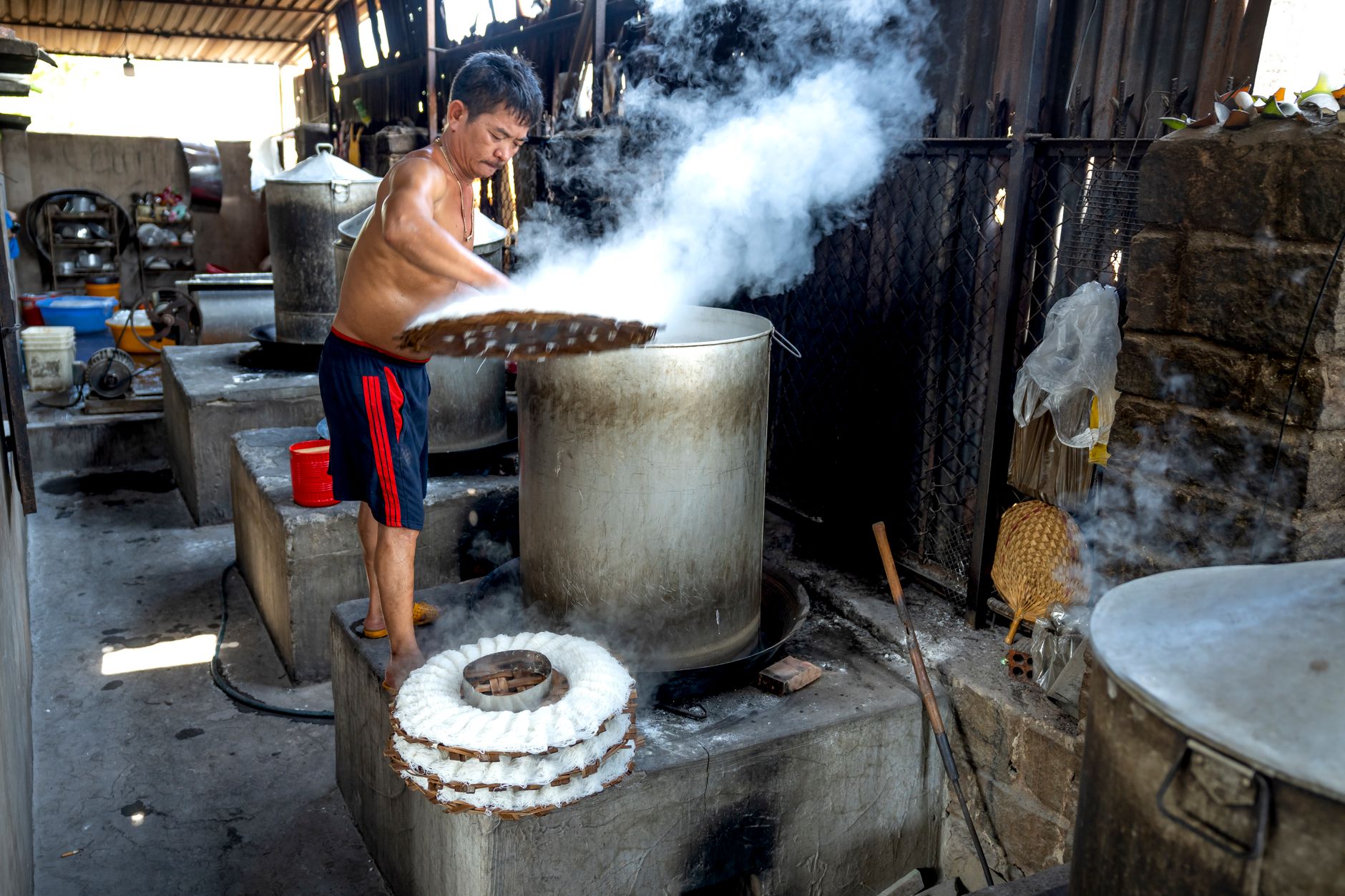
Cooking tamales is a rewarding experience, but one detail many overlook is the role of water during steaming. The amount of steam tamales water affects the texture, moisture, and overall quality of your finished dish. Use too little water, and you risk dry and tough tamales; use too much, and sogginess or boiling water intrusion can ruin the delicate masa. Finding the right balance will elevate your tamale game, making them tender, flavorful, and perfectly cooked every time.
Why Water Amount Matters
Water is the lifeblood of steaming tamales. As steam rises, it transfers gentle heat that cooks the masa and fillings without drying them out. This moist heat helps the corn masa develop its tender yet firm texture while infusing steam-sensitive flavors throughout the tamale.
Using too little water causes the steamer to run dry mid-cook, reducing steam output and resulting in uneven or undercooked tamales. Conversely, filling the pot with excessive water risks boiling over or direct water touching the tamales, which can cause soggy, watery textures and dilute flavors.
When steaming, water maintains a constant temperature of around 100C (212F), creating an ideal environment for cooking. This balance of moisture and temperature prevents dough shrinkage and preserves the characteristic fluffy, velvety mouthfeel that good tamales deliver.
How Steam Tamales Water Affects Flavor and Texture
The water you add for steaming impacts the masa‘s hydration. Proper steam maintains the masa‘s moisture without wetting it, allowing it to set just rightsoft but structured enough to hold fillings. Too much steam or condensation leads to soggy tamales, while insufficient steam dries the dough, making it crumbly.
Water quality also matters subtly. Using clean, fresh water without strong odors or chlorine avoids imparting off-flavors, which is important for Halal-certified cooking where purity and cleanliness align with halal kitchen practices.
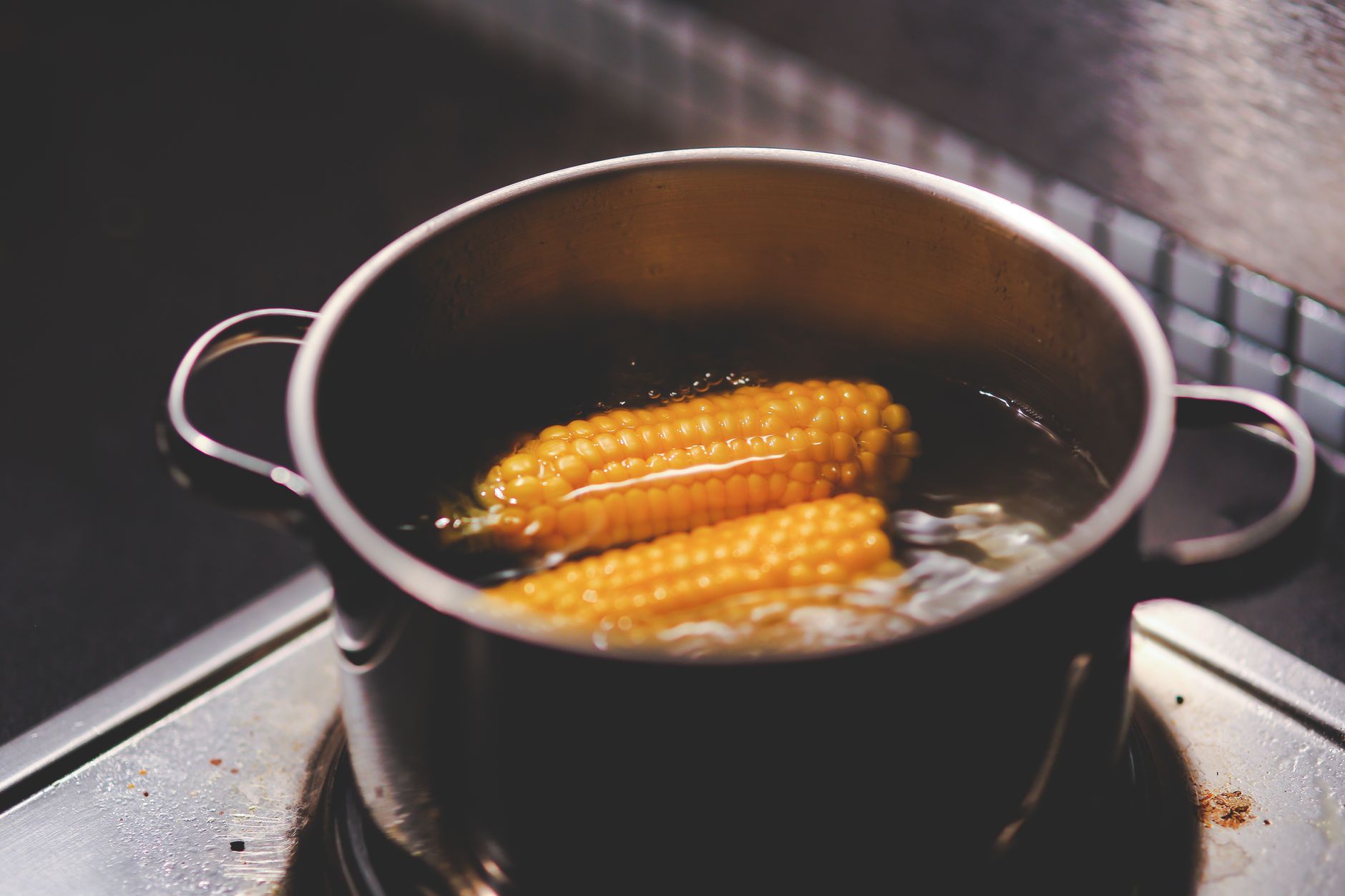
Step-by-Step Guide to Steaming Tamales
Steaming tamales is straightforward once you master the right water amount and method. Here‘s how to set up your steaming pot to get tender, mouthwatering tamales.
How Much Water to Use for Steaming Tamales?
Start with roughly 2 to 3 inches (about 5 to 7.5 cm) of water at the bottom of your steamer pot. This level is enough to generate consistent steam for at least 90 minutes of cooking without touching the tamales, which should sit elevated above the water on a steaming rack or layer of corn husks.
For most standard 8- or 10-quart steamers, this volume is around 4 to 6 cups of water. If your pot is smaller or larger, adjust proportionally but maintain the 2-3 inch water depth. Avoid filling to the steamers brim; you want room for steam circulation and to prevent water from spilling over.
Check your water level every 30 minutes during cooking. If it drops near the bottom of the steamer rack, carefully add hot water rather than cold to avoid disrupting cooking temperatures. This simple step ensures your tamales stay steamed evenly for the full cook time.
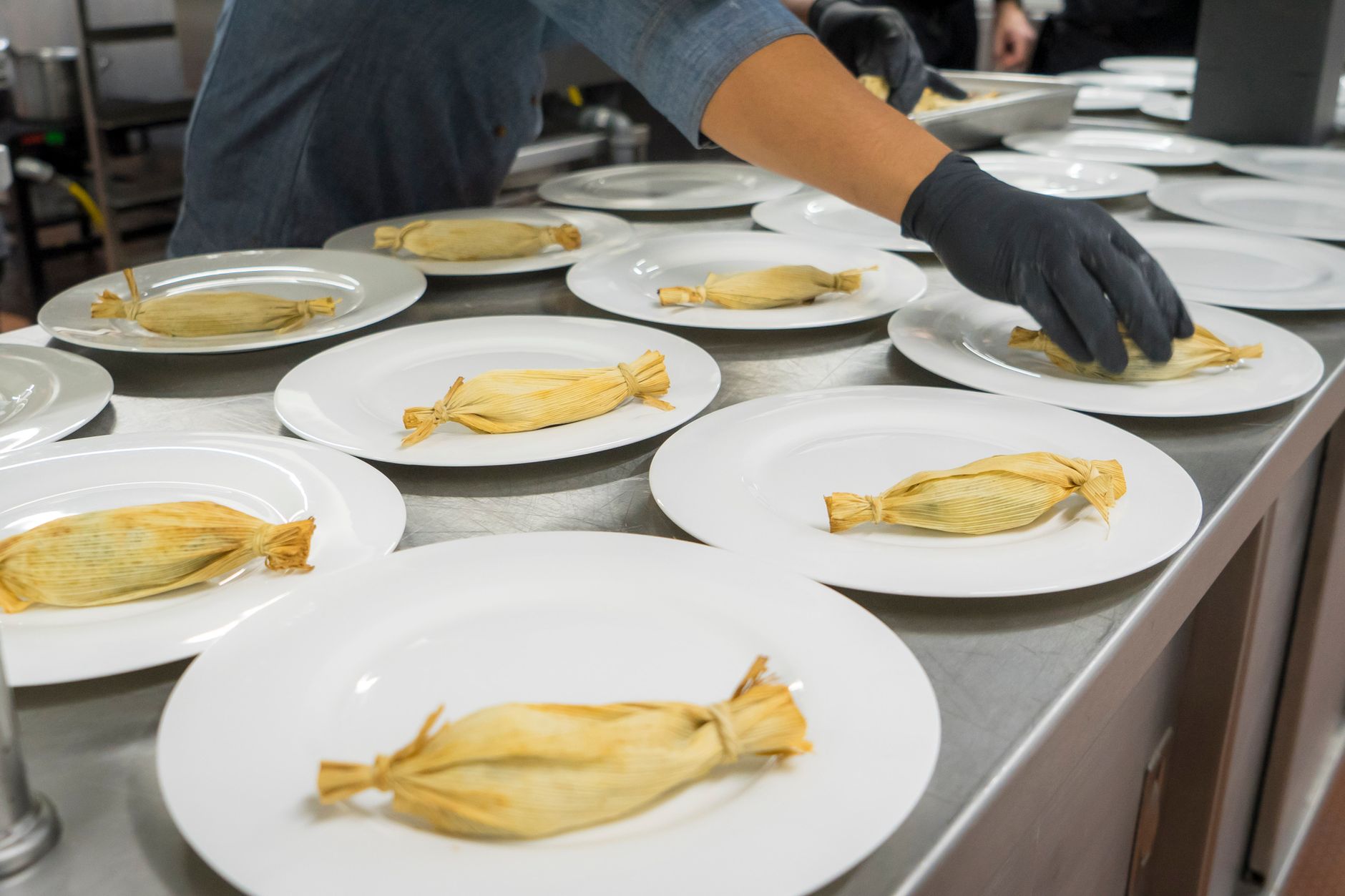
Best Tamale Steaming Tips
- Use a steamer basket or rack: Keep tamales lifted above the water to prevent sogginess.
- Arrange tamales upright: Stand them with the open end up for even steam distribution.
- Preserve husks: Line the bottom of the steamer with soaked corn husks; they prevent sticking and add mild aroma.
- Check water level regularly: Add hot water carefully every 3040 minutes to maintain consistent steam.
- Simmer, dont boil: Use medium-low heat to keep water gently bubbling, avoiding violent boiling that can displace tamales.
Common Water Mistakes to Avoid
- Overfilling: Water touching tamales causes mushy spots and dilutes flavors.
- Underfilling: Dry steam kills cooking efficiency and dries out tamales.
- Adding cold water mid-cook: Sudden temperature drops can toughen tamale masa and extend cooking times.
- Skipping water checks: Water evaporates steadily during cooking; neglecting to top up leads to dry pots and burnt pans.
Alternative Steaming Methods & Water Tips
You can also steam tamales in slow cookers or electric steamers. Each method needs water adjustments:
- Slow cooker steaming: Add 1 cup of water to the bottom; tamales sit on a rack or foil plate above. Water usage is less since slow cookers retain moisture well.
- Electric steamers: Follow manufacturer instructions; most require filling to the indicated fill line, usually 12 cups.
Some chefs experiment with minimal water steaming to avoid constant watering. This requires high-humidity sealed environments or wrapped tamales to trap moisture. It‘s effective but needs tight timing to avoid dryness.
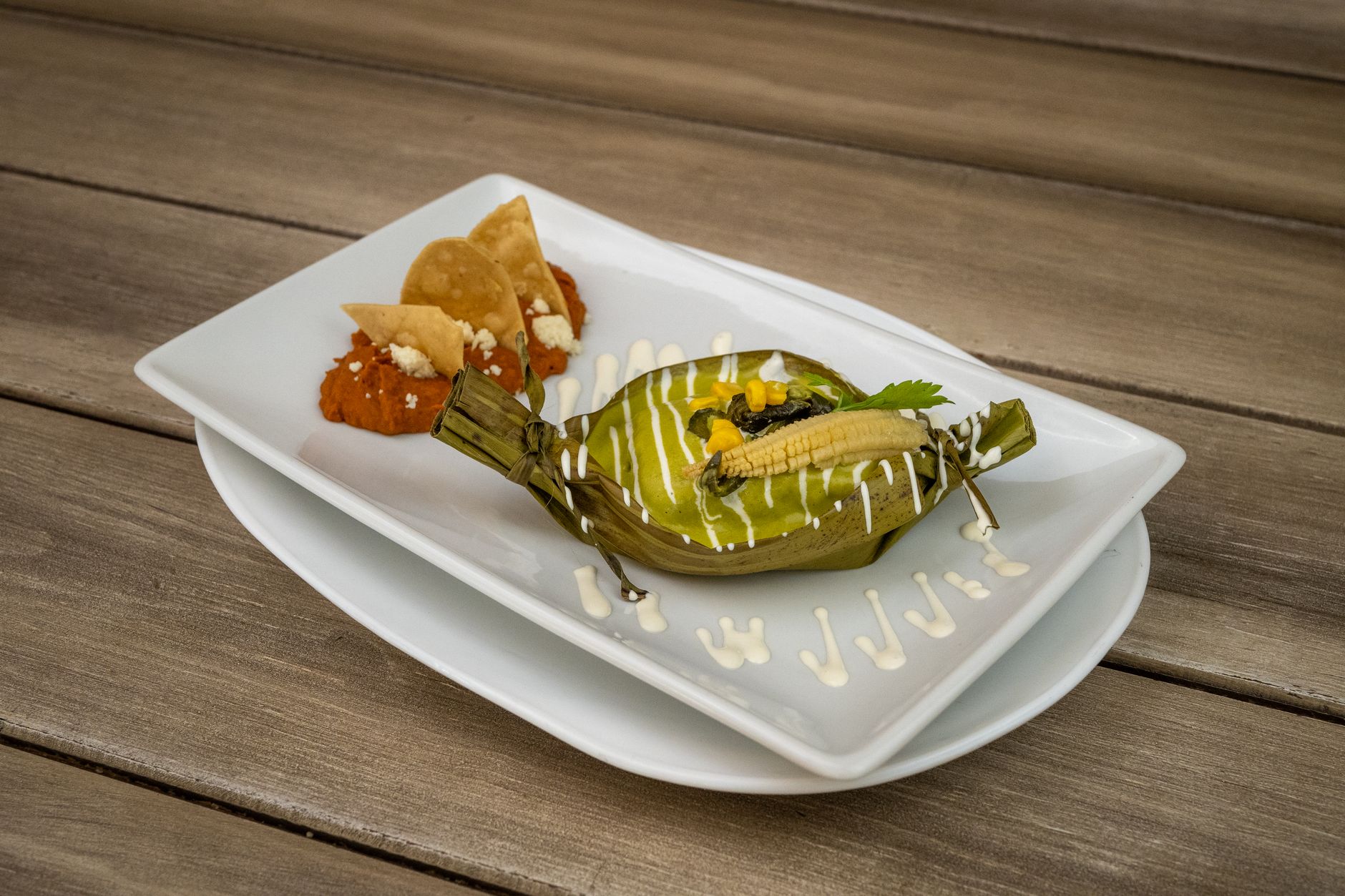
Balancing Benefits and Risks of Steam Tamales Water
Proper steam tamales water amounts ensure your masa stays moist, your fillings warm, and flavors meld perfectly. Without this balance:
- Undercooked masa or cold spots develop, making tamales unpleasant.
- Excess water dilutes fillings and makes husks soggy.
- Boiling dry creates safety hazards and can damage your cookware.
Maintaining the right water level promotes food safety and authentic tamale texture, a crucial detail especially when preparing Halal dishes that demand clean, well-managed cooking processes.
Simple Tamales Steaming Recipe
| Prep time | Cook time | Total time | Servings | Calories | Diet tags |
|---|---|---|---|---|---|
| 30 minutes | 90 minutes | 2 hours | 8 tamales | 320 per tamale | Halal, Gluten-Free |
Ingredients
- 4 cups masa harina (corn flour)
- 2 cups chicken broth (Halal-certified)
- 1 cup lard or vegetable shortening
- 1 teaspoon baking powder
- 1 teaspoon salt
- 2 cups shredded cooked chicken
- 1 cup red chili sauce
- Soaked corn husks for wrapping
Step-by-Step Instructions
- Prepare husks: Soak corn husks in warm water for 30 minutes until pliable.
- Make masa dough: In a large bowl, whip lard until fluffy (~3 minutes). Mix masa harina, baking powder, and salt separately. Gradually add broth while mixing. Combine masa flour into lard until dough is light and spreadable.
- Assemble tamales: Spread 2 tablespoons masa onto each husk, add 1 tablespoon chicken and chili sauce, then fold husk to seal.
- Set up steamer: Add 23 inches of water to pot. Line bottom with soaked husks. Arrange tamales upright on steamer rack.
- Steam tamales: Cover pot and steam over medium heat for 90 minutes. Check water every 30 minutes; add hot water as needed.
- Test doneness: Masa should easily peel from husk with a soft, moist texture.
Storage Tips
Leftover tamales keep well refrigerated for 57 days in sealed containers. For longer storage, freeze them wrapped tightly in foil or plastic wrap for up to 3 months. Reheat steamed or microwaved with a damp paper towel to restore moisture.
Pro Tips for Perfect Tamales
- Use broth instead of water in your masa for richer flavor and moisture.
- Do not overcrowd tamales in the steamer; allow space for even steam flow.
- When adding water mid-cook, heat it first to avoid temperature drops.
- Use certified Halal lard or vegetable shortening to keep your recipe Halal-friendly as per IFANCA or JAKIM standards.
- If you enjoy fusion flavors, try different fillings, but always keep steaming times consistent for texture.
Curious about dinner ideas to enjoy with your tamales? Check out Trader joe‘s dinner recipes for inspiration. If you like bold spices, compare preferences with Butter chicken vs tikka masala for a flavorful meal pairing.
When is the best time to eat tamales?
Tamales are versatile and enjoyed anytime from breakfast to dinner. Traditionally, they‘re a festive meal during holidays but perfect for any gathering or family meal. Serving tamales hot and freshly steamed ensures the best taste and texture.
Can I steam tamales without water touching them?
Yes. Use a steaming rack or layer corn husks at the pot‘s base to keep tamales suspended above the water. This prevents sogginess and ensures even cooking by steam rather than boiling.
How often should I check water while steaming tamales?
Check the water level every 30 to 40 minutes to prevent the pot running dry. Carefully add hot water as needed to maintain consistent steam throughout the 90-minute cooking period.
What water type is best for steaming tamales?
Use clean, filtered, or bottled water free of strong odors or chlorine. This keeps tamales tasting fresh and aligns with Halal kitchen hygiene standards required by certification bodies like JAKIM and HMC.
Are there differences in steaming if using a slow cooker?
Slow cookers use less waterabout 1 cupto create steam in a sealed environment. Tamales sit on a rack above the water, cooking gently over several hours. Water doesnt evaporate as quickly, so no refilling is usually needed.
Can freezing affect tamale texture?
Freezing tamales preserves them for up to 3 months but can slightly affect masa texture. To minimize this, wrap tightly and thaw slowly in the fridge before reheating to maintain moisture.
Is homemade tamale masa better than store-bought?
Homemade masa allows control over ingredients, moisture, and flavor, resulting in richer, more tender tamales. Store-bought masa harina is convenient but may need adjustments like added broth or fats to match homemade quality.
How to tell if you‘re using the right water amount?
If tamales peel easily off the husks, are evenly cooked, and remain moist without sogginess, your water amount and steaming method are spot on. If parts are dry or mushy, adjust the water volume or steam setup accordingly.
How long can I store cooked tamales in the fridge?
Cooked tamales stay fresh for 57 days refrigerated in an airtight container. For longer storage, freeze properly and consume within 3 months. Reheat thoroughly before eating.
Getting the water level right in your pot or steamer is one of the easiest ways to perfect your tamales. Keeping an eye on steam tamales water ensures soft, flavorful results every time you cook this beloved dish. Try adjusting water levels slightly based on your equipment and taste, and share your experience or questions below to keep the conversation going!
FAQs
When is the best time to eat or drink steam tamales water?
Tamales are best enjoyed hot and freshly steamed, making any time from breakfast to dinner ideal. Traditionally served during festive occasions, steaming tamales fresh ensures tender texture and full flavor for the best eating experience.
How long can steamed tamales be stored after cooking?
Cooked tamales keep well refrigerated for 5–7 days in an airtight container. For longer storage, freeze tightly wrapped tamales for up to 3 months, thaw slowly, and reheat gently to maintain moisture and texture.
What is the difference between steaming tamales with water versus other methods?
Steaming with water provides moist, consistent heat essential for tender masa. Alternative methods like slow cookers use less water and a sealed environment, while electric steamers require specific water levels per manufacturer guidelines for optimal steaming.
Is it safe to steam tamales every day using the same water method?
Yes, steaming tamales daily is safe as long as you maintain proper water levels, use clean fresh water, and avoid letting the pot run dry. Regular water checks and hygiene ensure consistent, safe cooking results.
Where can I buy Halal-certified ingredients for steaming tamales?
Halal-certified ingredients such as broth, lard, and masa harina can be found at specialized Halal grocery stores, online Halal food retailers, or mainstream supermarkets with a dedicated Halal section. Always check certification labels like IFANCA or JAKIM.