If you think all Asian cuisines taste the same, wait until you try Cambodian dishes. Bursting with layers of fresh herbs, spices, and bold flavors, Cambodian cuisine offers a unique culinary adventure. From rich curries to light, refreshing salads and street food snacks, these dishes bring diversity to your table and a new appreciation for Southeast Asian cooking. Whether you‘re seeking Halal-certified options or health-conscious meals, Cambodian dishes deliver a flavorful journey worth exploring.
Essential Cambodian Dishes
What is Kuy Teav, and Why Is It a Breakfast Staple?
Kuy Teav is a fragrant Cambodian rice noodle soup commonly enjoyed for breakfast. Its delicate broth, simmered for hours with pork or beef bones, creates a light yet savory base enriched by herbs like cilantro, Thai basil, and lime. Variations include beef, pork, or seafood, adapting to regional preferences. The noodles here are soft and silky, balancing the broths depth perfectly.
This dish holds a special place in Cambodian households and street stalls, prized for its nourishing qualities and comforting warmth. Authenticity shines through in locally sourced ingredients and careful simmering methods, so when seeking Kuy Teav, look for vendors or recipes that emphasize fresh herbs and an unprocessed broth.

How Does Bai Sak Chrouk Stand Out as a Simple Yet Beloved Meal?
Bai Sak Chrouk translates to pork and rice, a deceptively simple dish with a dedicated following. Thinly sliced pork is marinated in garlic, coconut milk, and palm sugar, then grilled over charcoal until tender. This results in smoky, sweet, and savory layers that pair perfectly with steamed white rice and fresh cucumber slices.
This dish is not just delicious but also boasts a balanced nutrition profile, offering lean protein and minimal fat when prepared with care. Travelers often rave about its ease and depth of flavor, making it a must-try street food that embodies Cambodian everyday dining.
What Makes Fish Amok the Signature Cambodian Curry?
Fish Amok takes center stage in Cambodian cuisine, renowned for its velvety texture and aromatic spice blend. This steamed curry features white fish, coconut milk, kaffir lime leaves, and kroeunga fragrant spice paste of lemongrass, turmeric, and galangal.
| Prep time | Cook time | Total time | Servings | Calories | Diet tags |
|---|---|---|---|---|---|
| 15 minutes | 20 minutes | 35 minutes | 4 servings | 290 kcal | Halal, Gluten-Free |
For those trying their hand at Cambodian cooking, a step-by-step Fish Amok recipe can unlock a new level of flavor harmony. Use fresh coconut milk and avoid overcooking the fish to ensure tenderness. Regional twists may include shrimp or chicken, but the classic fish version remains the beloved favorite.
Popular Traditional Cambodian Meals
Why Is Somlar Kari Sach Moan a Must-Try Chicken Curry?
Somlar Kari Sach Moan is Cambodias take on chicken curry, blending mild spices with a touch of sweetness. The curry combines coconut milk, potatoes, lemongrass, and curry powder, resulting in a comforting dish with a mellow heat that appeals to many palates.
There are subtle variations across Cambodian provinces, with some areas adding pineapple for a sour twist or extra chili for heat. This dish exemplifies the balance between creamy richness and bright aromatics.
Whats Special About Kampot Pepper Crab?
Kampot Pepper Crab showcases the unique Kampot pepper‘s floral and robust flavor, paired with fresh crab from Cambodias coastal waters. This dish is a celebration of local ingredients and sustainable seafood harvesting.
The peppercorns here are protected by geographical indication status, ensuring authenticity and premium quality. Kampot pepper crab is typically available during the crab season from November to May, when freshness peaks. Many restaurants proudly serve this delicacy, making it a must-have for seafood lovers.
How Does Num Banh Chok Capture the Essence of Cambodian Cuisine?
Num Banh Chok, often called Cambodian noodles, is a fresh, herbaceous breakfast dish. It includes rice noodles topped with a green fish gravy, fresh cucumber, banana blossoms, mint, and bean sprouts. The balance of fish broth with crisp vegetables reflects the Cambodian love for fresh, light flavors.
Traditional preparation involves slow simmering of fish to extract the broths umami. Modern twists might add chicken or substitute vegetables, but classic Num Banh Chok holds its place as a street food icon, especially in morning markets across the country.
Snacks and Street Food Delicacies
What Are Popular Cambodian Snacks Like Num Pang and Fried Insects?
Num Pang is Cambodias version of the baguette sandwich, a legacy of French influence. Crispy outside, soft inside, filled with pork, pickled vegetables, and fresh herbs, its a quick, tasty snack on the go. Its texture and flavor showcase the blend of colonial and local cuisine.
On the more adventurous side, fried insects like crickets and grasshoppers are common street snacks. Theyre crunchy, packed with protein, and seasoned with salt and chili. For first-timers, tasting fried insects is a crunchy snack thats surprisingly flavorful. Just ensure they come from trusted vendors following hygiene standards to avoid any health risks.
Why Try Prahok Ktis and Whats Its Role in Cambodian Meals?
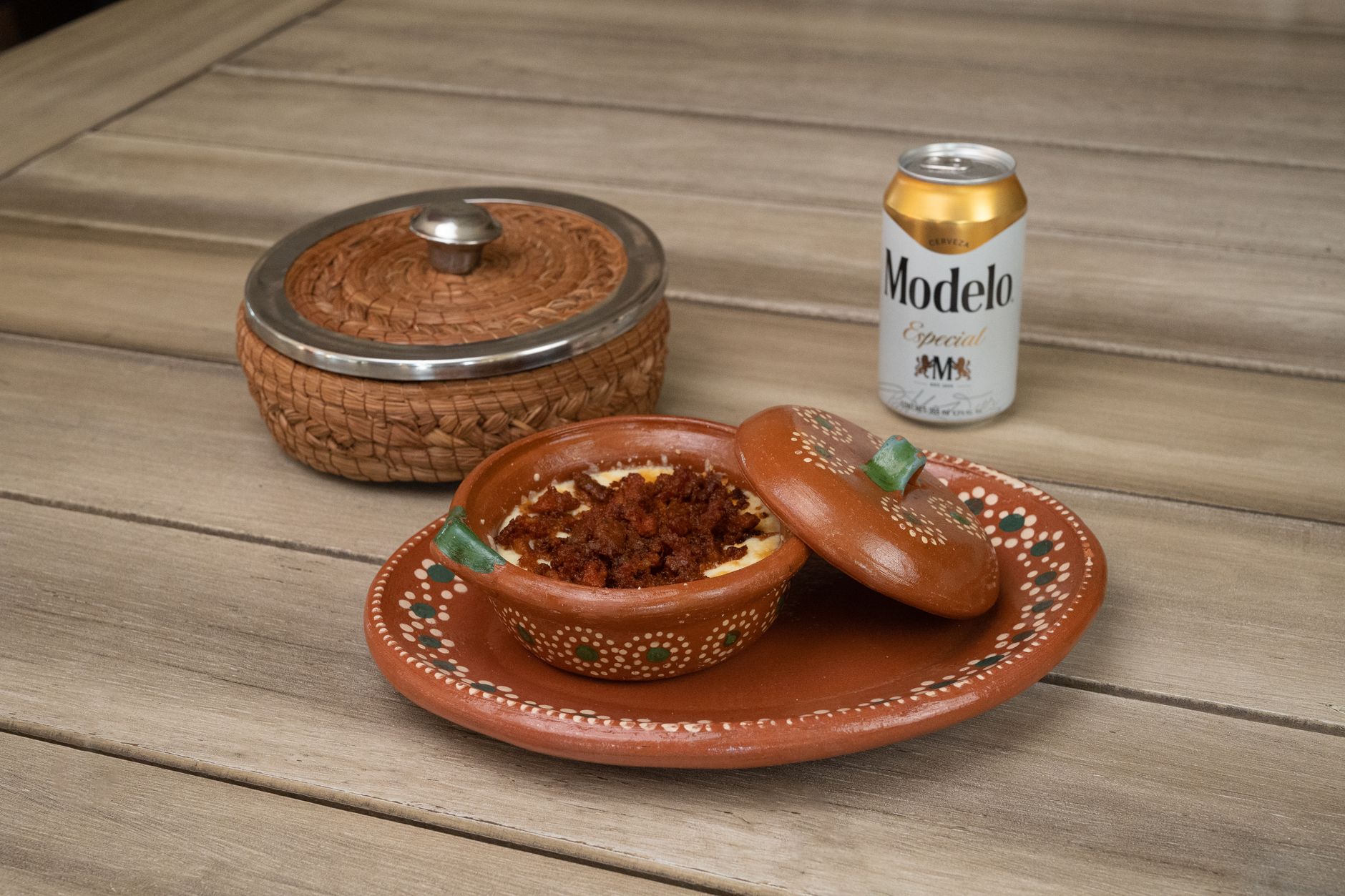
Prahok Ktis is a rich, creamy dip made from fermented fish paste, coconut milk, minced pork, and chili. Its a staple accompaniment, often served with fresh vegetables or rice, adding umami depth and a spicy kick.
Since prahok is a fermented product, careful preparation is key for safety and flavor. Nutritionally, it provides probiotics and a protein boost but can be high in sodium. Those with sensitivities to strong fermented flavors or salt should sample it cautiously.

Cambodian Cuisine Guide
How to Find Authentic Cambodian Food Recipes?
Finding reliable Cambodian recipes online or in cookbooks depends on trustworthy sources. Recipes by Cambodian chefs or food bloggers tend to offer authenticity and adherence to traditional ingredients. Books published by Southeast Asian culinary experts also maintain accuracy and respect for regional differences.
Adapting these recipes when cooking abroad requires ingredient substitutions, such as using lemongrass paste or fresh kaffir lime leaves from specialty Asian markets. Its key to balance authenticity with practicality to maintain flavor integrity.
What Should You Know About Cambodian Dining Etiquette?
Cambodian meals emphasize sharing and community. Diners use a spoon and fork; chopsticks are less common but still used with noodle soups. Its customary to serve elders first and eat slowly to enjoy flavors. Street food etiquette includes checking vendor cleanliness and avoiding food left out too long.
Respect for local customs enhances the dining experience and shows appreciation for Cambodias rich culinary culture.
Are There Any Health Benefits or Risks When Trying Cambodian Cuisine?
Cambodian dishes often include fresh herbs, spices, and fermented ingredients that contribute antioxidants and probiotics. Dishes with coconut milk provide healthy fats, while rice and vegetables add fiber and carbohydrates for energy.
However, fermented products like prahok and deep-fried snacks require caution for sodium content and potential allergens. Those with dietary restrictions should look for Halal-certified options, identified by logos such as JAKIM, HMC, or IFANCA, ensuring the meat and poultry comply with Islamic dietary laws.
For those curious about diverse food cultures, Cambodian cuisine offers an exciting and health-conscious journey, especially when you pay attention to ingredients and certification.
Related to diverse food experiences, you might also enjoy reading about the Rochester garbage plate and the unique offerings at Corner bakery cafe, which showcase variety beyond traditional meals.
When Is the Best Time to Eat Cambodian Dishes?
Many Cambodian dishes, like Kuy Teav and Num Banh Chok, are traditionally breakfast foods, offering a fresh and light start. Others, such as Fish Amok or Kampot Pepper Crab, shine during lunch or dinner. Street snacks are perfect any time, especially mid-morning or late afternoon when hunger strikes between meals.
Is Cambodian Cuisine Halal-Friendly?
Cambodian cuisine can be Halal-friendly when prepared with halal-certified meat and poultry. It‘s essential to look for certifications like JAKIM, HMC, or IFANCA on packaged products and ensure street vendors maintain Halal practices. Avoid dishes with non-Halal ingredients such as pork or alcohol-based sauces unless specified.
How Can I Adjust Cambodian Recipes for a Halal Diet?
Replace pork with halal-certified chicken, beef, or fish. Ensure fish sauces or pastes dont contain non-Halal ingredients. Use coconut milk and fresh herbs as usual. Double-check any packaged shrimp pastes or fermented products for Halal certification to keep dishes compliant without sacrificing authentic flavor.
What Are Common Allergens in Cambodian Dishes?
Common allergens include seafood (fish and shellfish), peanuts, soy, and gluten in some noodle dishes or sauces. Fermented products can also contain traces of allergens. When ordering or cooking, always clarify ingredients if you or guests have allergies to avoid reactions.
Can Cambodian Dishes Be Made Gluten-Free?
Many Cambodian dishes naturally are gluten-free, especially those based on rice noodles, fresh vegetables, and meats. However, soy sauce or certain pastes might contain wheat. Using tamari or gluten-free soy alternatives helps keep meals safe without losing the traditional taste.
What Are the Key Signs of Authentic Cambodian Food?
Look for fresh herbs like mint and lemongrass, the use of kroeung spice paste, balanced spicing without overwhelming heat, and signature dishes like Fish Amok in a banana leaf cup. Authentic vendors also use local ingredients and avoid excessive MSG or artificial flavors.
Is It Safe to Eat Cambodian Street Food?
Street food is generally safe when vendors maintain hygieneclean utensils, fresh ingredients, and cooking food thoroughly. For fried insects or fermented items, select reputable stalls where turnover is high and food appears freshly prepared to reduce health risks.
Pro Tips for Cooking Cambodian Dishes
- Balance is key: Cambodian cuisine thrives on the harmony of sweet, salty, sour, and umamidont rush seasoning.
- Use fresh herbs generously: Mint, Thai basil, and cilantro add brightness and authenticity.
- Dont skip kroeung: This spice paste sets the foundationprepare it fresh or buy from a trusted source.
- When making Fish Amok, steam gently for 20 minutes to prevent curdling and keep fish tender.
- For Halal cooking, confirm certifications on store-bought pastes or use homemade versions to avoid hidden pork products.
More You Might Like
If you enjoy exploring global flavors, discover the hearty and iconic Rochester garbage plate. For delicious bakery delights that cater to all, check out the offerings at Corner bakery cafe. Both offer unique tastes that complement your adventurous palate.

Cambodian dishes bring fresh herbs, rich flavors, and cultural heritage to your table, making them worth trying at least once. Remember to seek out Halal-certified options and pay attention to ingredients for the best experience. Whether cooking yourself or enjoying street food, Cambodian cuisine offers a memorable taste adventure that welcomes you warmly. Try a dish today and share your thoughts with us!
FAQs
When is the best time to eat or drink Cambodian dishes?
Many Cambodian dishes like Kuy Teav and Num Banh Chok are typically eaten at breakfast for a light, fresh start. Heavier dishes such as Fish Amok or Kampot Pepper Crab are more common at lunch or dinner. Street foods and snacks are enjoyed throughout the day, especially mid-morning and late afternoon.
How long do prepared Cambodian dishes typically last after opening?
Prepared Cambodian dishes containing fresh herbs and meats are best consumed within 1-2 days when refrigerated. Fermented items like prahok can last longer if stored properly but always check for spoilage signs. For best safety and taste, consume leftovers quickly and keep refrigerated.
What makes Cambodian dishes different from other Southeast Asian cuisines?
Cambodian dishes stand out for their delicate balance of sweet, sour, salty, and umami flavors highlighted by fresh herbs like lemongrass and kroeung spice paste. They are generally milder in heat compared to Thai cuisine, and they often incorporate fermented fish paste unique to Cambodian cooking.
Where can I find authentic Cambodian dishes or recipes for cooking at home?
Authentic Cambodian food can be found at specialty Southeast Asian restaurants and street vendors in areas with Cambodian communities. For cooking at home, look for recipes by Cambodian chefs and food bloggers online, or purchase cookbooks focused on Southeast Asian cuisine. Asian markets often carry the needed ingredients.
Is Cambodian street food safe to eat and are there precautions for Halal diets?
Street food in Cambodia is generally safe when vendors follow hygiene practices and cook food thoroughly. For a Halal diet, ensure the meat is halal-certified and avoid dishes containing pork or alcohol-based sauces. Seeking vendors familiar with Halal standards or eating at halal-certified establishments is recommended.