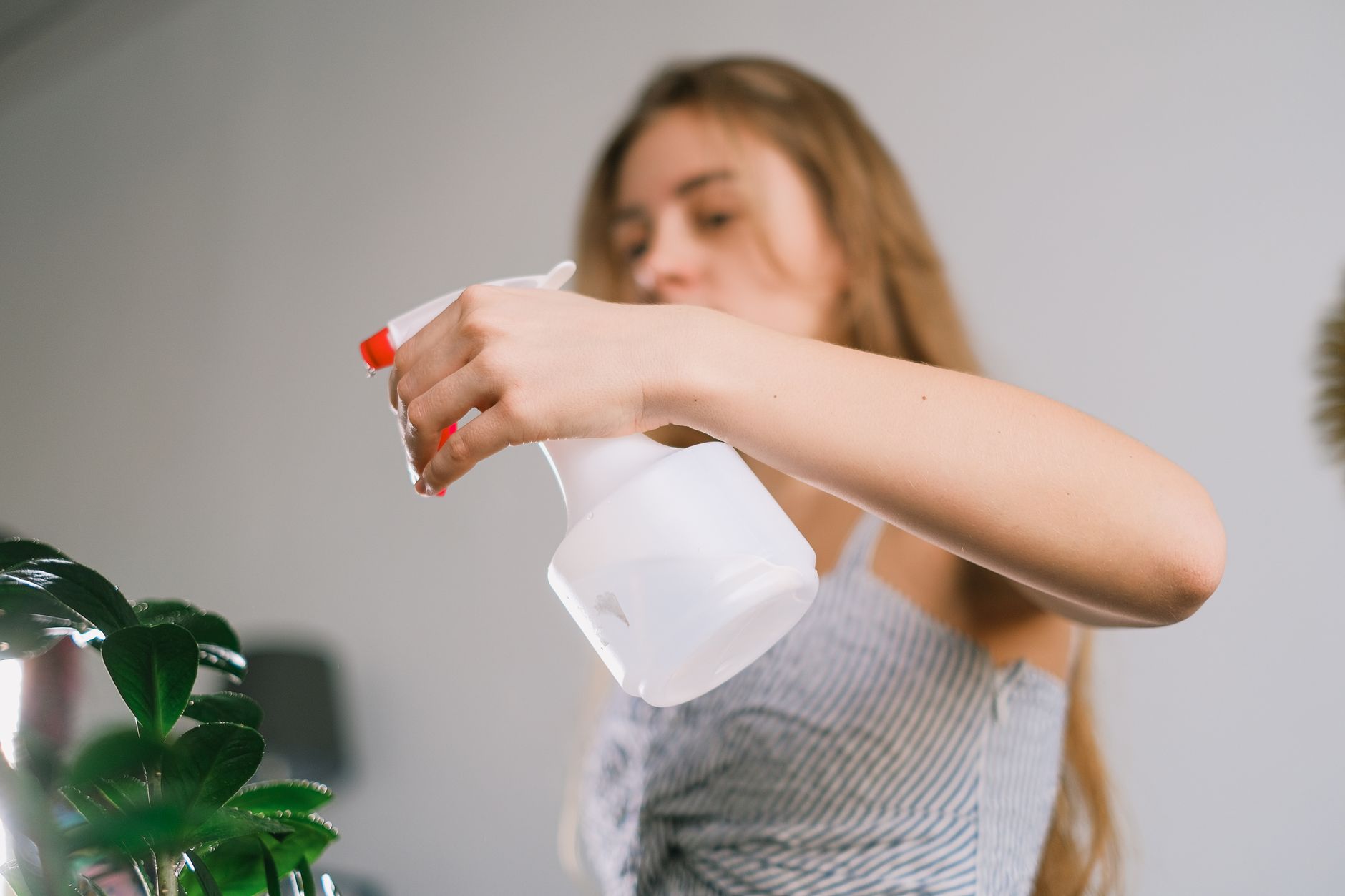
Want your home to smell fresh without burning through your budget? Making your own room spray is a smart, natural way to keep your space inviting. By crafting a homemade air freshener on the stove, you control every ingredient and avoid harsh chemicals. This simple method is perfect for anyone looking for an affordable, customizable scent boost that fills the air with freshness in just minutes.
Why Make Your Own
What Are the Main Benefits of Homemade Room Spray?
Making your own room spray offers several enticing perks. First, its a serious money saver. Commercial air fresheners can add up quicklysometimes costing several dollars for just a small bottle. DIY versions only require basic ingredients you likely already have, such as water, vinegar, and essential oils.
Second, you control what goes into your spray. This means you can avoid synthetic fragrances, alcohols, and chemicals that may irritate sensitive noses or skin. Natural ingredients provide a clean, subtle aroma that aligns well with health-conscious and Halal lifestyles.
Finally, you get to tailor your scent exactly how you like it. Whether you prefer floral lavender or refreshing eucalyptus with a twist of citrus, mixing your own room spray means no compromise.
Are There Any Risks or Downsides?
While natural is generally safer, homemade sprays contain concentrated essential oils that can trigger allergic reactions in some people. Always do a patch test and avoid strong exposure for children or pets.
Also, DIY sprays lack preservatives found in store-bought air fresheners, so their shelf life is shorter. You can expect your spray to remain effective for about 57 days refrigerated, depending on the ingredients used.
Lastly, when making sprays on the stove, always supervise the heating process to prevent spills or burns. Using gentle heat rather than boiling ensures safety and preserves the essential oils properties.
Expert Tips for Safe and Effective DIY Room Sprays
- Choose high-quality, pure essential oils certified safe for aromatherapy. Certified Halal oils can be found through reputable suppliers.
- Measure oils carefully; too much can overwhelm and cause irritation.
- Store your spray in dark glass bottles to protect scent and potency.
- Keep the mixture refrigerated and shake before each use.
Make Room Spray on Stove
What Ingredients Do You Need?
| Ingredient | Description | Halal Notes |
|---|---|---|
| Distilled water | Base for the spray, clean and pure | Halal-certified sources preferred |
| White vinegar | Natural deodorizer that neutralizes odors | Usually Halal; avoid flavored varieties |
| Essential oils | Fragrance and therapeutic benefit; choose safe oils | Must be Halal-certified or pure plant-derived |
| Dried herbs or citrus peels | Optional scent enhancers | Fresh and natural; no additives |
Budget-friendly ingredients make this room spray both accessible and sustainable. Vinegar is especially great for neutralizing stale kitchen smells, like those from cooking strong spices.
How to Prepare the Room Spray Safely on the Stove
Start by measuring 1 cup distilled water and 1/4 cup white vinegar into a small pot. Add a handful of dried herbs such as rosemary or lemon peels for added freshness.
Place the pot on medium heatjust enough to warm the mixture, not boil it. Heat gently for about 8 minutes, allowing the herbs to release their fragrance without evaporating the liquid too quickly.
Remove the pot from heat and let it cool slightly. Then, add 1520 drops of your chosen essential oils. Lavender paired with lemongrass or eucalyptus with mint are popular blends that create a soothing yet energizing environment.
Pour the cooled mixture through a fine strainer into a clean spray bottle. Use a funnel to avoid spills. Dark glass bottles work best to keep the oils stable and fragrant.

Variations and Customizations
Try fresh citrus peels with rosemary for a bright, herbaceous scent. Or mix lavender with tea tree oil for a calming yet antibacterial spray. For a minty breeze, combine eucalyptus with peppermint.
Refreshing rosemary and lemon scents can also help combat unpleasant cooking odors, which pair well with guidance on sprouted potatoes safety when managing kitchen ingredients.
DIY Vs. Store-Bought
Cost and Effectiveness Comparison
Store-bought room sprays cost anywhere from $5 to $15 for 200 ml. DIY sprays made from common household ingredients cost less than $1 per batch of about 250 ml. Over a year, that adds up to significant savings.
Effectiveness varies; commercial versions often last longer due to synthetic fixatives. DIY sprays tend to last about one week, but their fresh, natural aroma is unmatched by chemical formulas.
Environmental and Health Impacts
Homemade sprays reduce plastic waste by reusing bottles a small but meaningful eco-friendly choice. Plus, choosing natural ingredients avoids artificial dyes and preservatives that can affect indoor air quality.
Using certified Halal essential oils ensures health-conscious, ethical guidelines in sourcing and processing, affirming the trustworthiness of your homemade spray.
Pros and Cons Table
| Aspect | Homemade Room Spray | Store-Bought Air Freshener |
|---|---|---|
| Cost | Very low per use | Moderate to high |
| Ingredients | Natural, customizable | Often synthetic chemicals |
| Shelf Life | 57 days refrigerated | Several months unopened |
| Environmental Impact | Reusable containers, less waste | More packaging, plastic waste |
| Health Considerations | Fewer allergens if chosen wisely | May contain irritants |

Can I Use Any Essential Oil for My Room Spray?
Not every essential oil is safe for indoor air fresheners. Oils like eucalyptus, lavender, lemon, and peppermint are popular and generally safe. Avoid oils that can irritate, like cinnamon or clove, especially around children or pets. Always choose pure, Halal-certified essential oils to confirm they meet your lifestyle standards.
How Often Should I Make a New Batch?
Prepare your DIY room spray fresh weekly. Store it in the fridge in a dark bottle and shake well before each use to keep the scent vibrant and safe.
Is Making Air Freshener on the Stove Safe?
Yes, if you keep heat low and never leave the pot unattended. Warming helps release natural aromas without boiling off the essential oils. Good ventilation is recommended to dissipate any strong vinegar smell.
Can I Add Alcohol or Glycerin?
Yes, small amounts of alcohol can help preserve and disperse scent, but its not necessary. Glycerin adds moisture but might shorten shelf life. Use only food-grade, Halal-certified additives.
Which Bottle Should I Use?
Dark amber or cobalt blue glass spray bottles protect your essential oils from light degradation. Plastic bottles are okay short-term but may absorb scent and chemicals over time.
What Are Good Alternatives for Vinegar?
Witch hazel or vodka can replace vinegar as odor neutralizers, but vinegar remains the budget-friendly champion. Choose clear distilled vinegar to avoid residue or odor buildup.
Can Essential Oils Benefit Health Indoors?
Certain oils like tea tree and eucalyptus are known for antimicrobial properties, potentially improving indoor air quality. However, they dont replace cleaning and ventilation practices established by health authorities like the EPA.
Pro Tips for Perfect DIY Sprays
- Start with a small batch to test scent combinations before scaling up.
- Combine complementary essential oils at a 3:2 ratio for balanced aroma.
- Keep a fragrance journal documenting your favorite mixes, ingredients, and results.
- When substituting herbs or citrus, dry them fully to prevent mold.
- For stronger scents, add 5 drops of essential oils after every two days of use.
- Avoid overloading bottles; too many oils can clog spray nozzles.
- Experiment with Paprika substitute methods in kitchen air fresheninglike simmering potpourrito complement your sprays.

More You Might Like
Discover how sprouted potatoes impact food safety to keep your kitchen and air fresh simultaneously with our Sprouted potatoes safety guide.
Looking to add spice to your recipes or air freshening simmer pots? Check out our expert recommendations on the Paprika substitute to balance flavors and aromas.
When is the best time to make and use my room spray?
Early morning or late afternoon are ideal times to make fresh batches when your home is coolest. Use sprays as needed throughout the day, especially after cooking or to refresh linens and curtains.
Is homemade room spray actually Halal what should I check?
Ensure all ingredients, especially essential oils and vinegar, are Halal-certified or derived from plant-based sources compliant with Islamic guidelines. Look for certifications by bodies like JAKIM, HMC, or IFANCA for trusted sourcing.
Can I use this spray in small closed rooms?
Yes, but use sparingly. Since DIY sprays lack synthetic stabilizers, their scent intensity is gentler, reducing risk of overwhelming confined spaces.
How do I avoid allergic reactions?
Perform a skin patch test with diluted essential oil before widespread use. Keep the spray out of reach of children and pets, and ventilate rooms after spraying.
What is the best way to store my room spray?
Keep it in a cool, dark place, preferably refrigerated in an amber bottle. It lasts approximately 5 to 7 days before scent begins to fade.
Can this stir-fragrance technique remove strong odors like smoke or pet smells?
DIY sprays help neutralize mild household odors but wont completely mask strong ones like cigarette smoke. Combine spraying with thorough cleaning and ventilation for best results.
Can I add this to fabric or upholstery?
Yes, but test a small, hidden spot first for colorfastness and odor tolerance. The gentle formula is generally safe for most fabrics.
Conclusion
Making room spray at home on the stove is a simple, effective way to freshen your space naturally and affordably. By choosing halal, health-conscious ingredients, you customize scent and avoid unwanted chemicals. Give this easy method a tryyour nose and wallet will thank you. Why not experiment with your own favorite essential oils and share your experience below?
FAQs
When is the best time to eat or drink make room spray?
The best time to make and use your room spray is early morning or late afternoon when your home is coolest. Use it as needed throughout the day, especially after cooking or to refresh linens and curtains.
Is make room spray actually Halal — what should I check on the label?
Ensure all ingredients, especially essential oils and vinegar, are Halal-certified or plant-based and compliant with Islamic guidelines. Look for certifications by trusted bodies like JAKIM, HMC, or IFANCA to confirm halal sourcing.
How long does homemade room spray last after opening?
Homemade room sprays generally last about 5 to 7 days at room temperature, but when refrigerated in a dark bottle, they can remain effective for up to 57 days depending on ingredients used.
What is the difference between homemade room spray and commercial alternatives?
Homemade sprays use natural, customizable ingredients without synthetic chemicals, but have shorter shelf life and gentler scent. Commercial sprays often contain preservatives and fixatives that extend longevity and scent strength at a higher cost.
Is it safe to use homemade room spray daily around children and pets?
Yes, if used sparingly with diluted essential oils known to be safe (like lavender or eucalyptus). Always do patch tests, avoid strong concentrations, and keep sprays out of reach of children and pets for safety.