So, youve probably seen those gorgeous pink chocolate bars or treats and thought, Wait is that real? Why is chocolate pink? Yeah, its easy to wonder, especially because most of us grew up thinking chocolate only came in brown or white. But ruby chocolate? Its the real deal, and that blush-pink color isnt some wild food coloring stunt. Its natural kind of the chocolate worlds unexpected little wonder.
Lets get to the heart of it right away: ruby chocolates famous pink hue comes from a special kind of cocoa bean plus a very unique manufacturing process. Pretty fascinating, right? Were going to unpack the mystery about how ruby chocolate gets its pink color, what makes it different, why it even matters, and maybe even sneak in some ruby chocolate facts thatll wow your foodie friends.
What Is Ruby Chocolate?
Okay, imagine chocolates classic lineup: dark, milk, and white. Now, picture a fourth category, totally separate but just as legit thats ruby chocolate. Its that new kid on the block thats stealing attention not just because of its eye-catching ruby chocolate color, but thanks to a flavor thats fresh and a bit unexpected.
Ruby chocolates color? Its a gentle pinkish-red, not bright or artificial, but soft and natural. The taste? Think subtle berry-like notes with a slight tang not the usual sweetness, but something a little zingy and juicy that dances differently on your tongue.
Its still chocolate, but its also a cool twist in how we think about this classic treat.
What Makes Ruby Chocolate Different?
It all starts with what kind of cocoa beans are chosen. Ruby chocolate is made from specially selected ruby cocoa beans. These beans are naturally different in composition yeah, kind of like how some grapes are just better for ros wine.
Then comes the magic of the manufacturing. Unlike milk or dark chocolate, ruby chocolate beans arent roasted in the same way. This special treatment helps keep whats inside the beans intact including the natural pigments and acids that give ruby chocolate its beautiful pink color.
And the taste? If youve ever wondered what it would be like if chocolate and berries hung out and shared notes, ruby chocolate is it. Its fresh, lively, and a bit intriguing.
Ruby Chocolate Facts Youll Love
- Ruby chocolate was first introduced commercially by a Swiss chocolatier in 2017, which means its a pretty young addition to the chocolate world.
- According to cocoa industry standards, its officially recognized as the fourth variety of chocolate, standing alongside dark, milk, and white.
- No artificial colors or flavors are added that soft pink naturally comes from the beans and processing.
- It contains no added fruit or berry extracts; all that sour berry-like flavor comes from the processing methods preserving certain natural compounds.
So next time you see ruby chocolate on the shelf, you can confidently tell your friends its not just a fancy gimmick its chocolate innovation at its finest.
How Is Ruby Chocolate Made?
You might be wondering, Okay, but how is this ruby chocolate made exactly? Heres where things get a bit like a secret recipe passed down in hushed whispers. The truth is, the full production process is pretty proprietary, but experts and insiders have shared enough clues to piece together the main idea.
The real star, as we said, is the ruby cocoa bean. These beans come from specific cocoa varieties grown and harvested under special conditions. The beans have naturally occurring compounds that, if you treat them just right, bring out that rich pink color.
Does Citric Acid Create the Pink Color?
One popular theory floating around is that citric acid could be the secret ingredient behind ruby chocolates pink because acids can affect color in food. But before you imagine someone pouring lemon juice into a vat of chocolate, let me clarify the acid involved isnt just casually added like that. It comes from the natural fermentation and processing of the beans, where organic acids build up and influence the end product's color.
Many experts say that its actually this natural acid content combined with gentle processing that locks in the ruby hue. The acid might tweak pigments in the cocoa, like how a squeeze of lemon changes the color of tea. Yet, the exact how behind ruby chocolates pink remains a bit of an industry mystery partly to keep the magic exclusive and partly because its surprisingly complex food chemistry.
Step-by-Step: The Role of Cocoa Beans
Heres a simplified picture of whats going on:
- Selecting the beans: Ruby cocoa beans are specially chosen from specific regions, believed to be in South America and Africa, with different properties than other beans.
- Gentle fermentation: The beans ferment carefully, encouraging the build-up of certain acids (like citric acid) and preserving natural pink-red pigments.
- Minimal roasting: Instead of the intense roasting typical in standard chocolate making, ruby beans are roasted lightly or processed differently to avoid dulling the color and flavor.
- Refining and conching: The processed beans are then ground, refined, and conched (a mixing and aerating process) to develop the smooth texture and balance the flavor.
These steps all work together, like notes in a symphony, to produce ruby chocolates distinct pink hue and unique flavor.
Pink Chocolate Origin
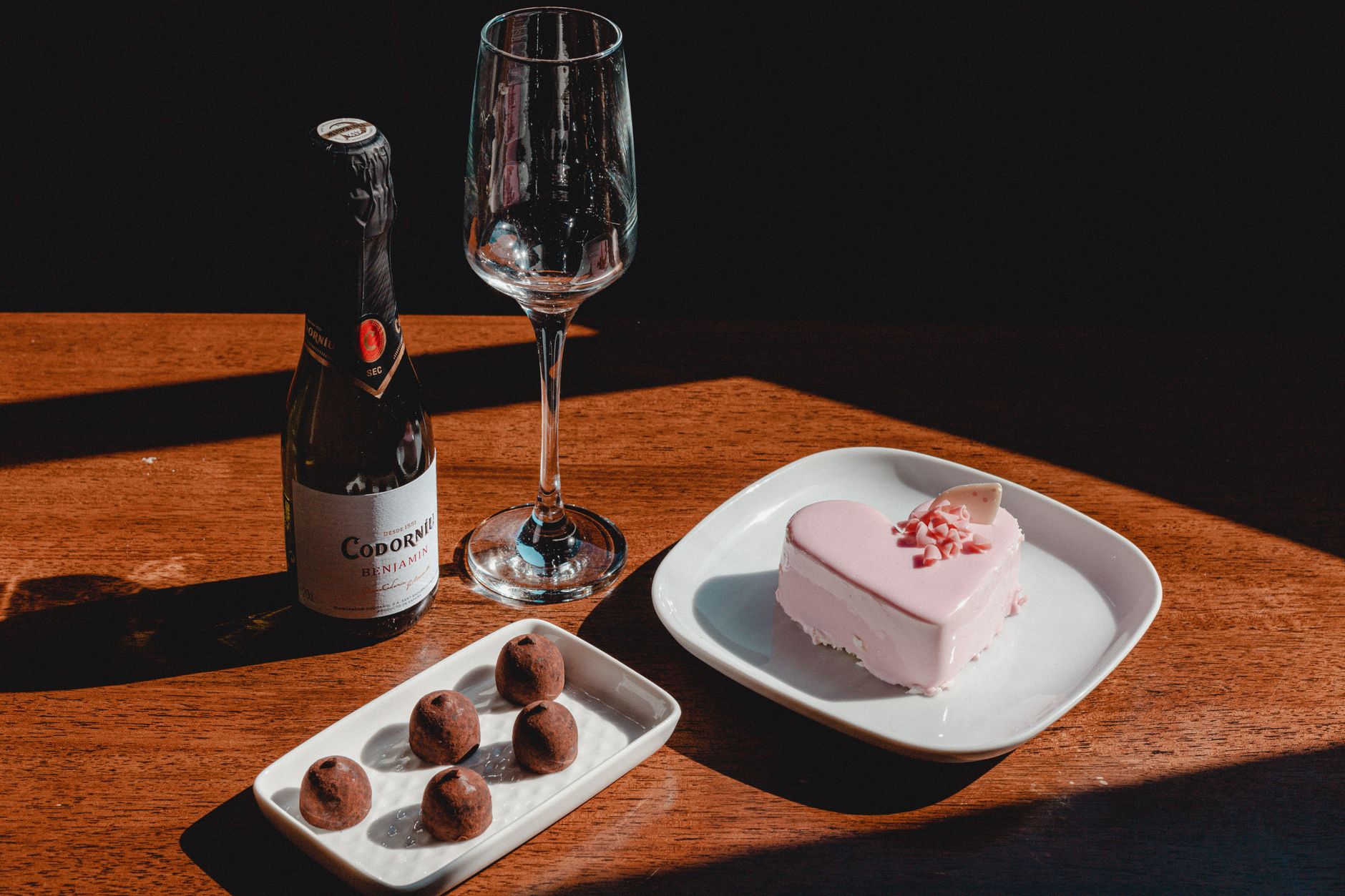
Youre probably curious who actually discovered this blush-toned wonder, right? The origin of ruby chocolate is a bit like a good mystery novel it came out of the labs at Barry Callebaut, one of the worlds biggest chocolate manufacturers, in the early 2010s. They spent years developing it before officially unveiling it to the public around 2017.
The big reveal came as a surprise because until then, pink chocolate wasnt really on anyones radar as a thing so the nickname pink chocolate or ruby chocolate quickly caught on. Industry insiders were excited about a new variety, while regular chocolate lovers were curious and perhaps a bit skeptical.
Since then, ruby chocolate has slowly been weaving its way into chocolate bars, desserts, and luxury confections worldwide, shifting how we think about chocolates colors and flavors.
How Ruby Chocolate Changed Chocolate Culture
It hasnt just been about a new pretty chocolate bar. Ruby chocolate sparked a fresh wave of innovation in the chocolate world. Chefs and dessert creators started experimenting: pink chocolate cakes, ruby chocolate mousse, ruby chocolate-covered berriesyou name it.
Plus, it brings a buzz of novelty for people who want something different but still crave that familiar chocolate comfort. The pink chocolate origin story adds an element of excitement and discovery every time you bite into a ruby treat.
If youre curious about how these food innovations impact budgeting your grocery list or diet choices, you might enjoy learning more about how to save money on groceries. Its a handy little dive into balancing treats and budgets!
Benefits and Risks of Ruby Chocolate
Now, lets get real for a second. As much as ruby chocolate is fun and interesting, its worth understanding both its perks and any reasons to watch out.
On the plus side, ruby chocolate tends to be lower in bitterness than dark chocolate and less sweet than milk chocolate, offering a flavorful middle ground. Some suggest it contains antioxidants similar to other chocolates, though the research is still pretty new and not yet conclusive so I wouldnt call it a health superfood just yet.
On the flip side, ruby chocolates acidity means it might be a bit tangier or sharper than the chocolate youre used to, which could be a turn-off for some. Also, like any chocolate, it contains sugar and fat, so moderation is key.
Its healthy to be curious but cautious whether youre trying new chocolate or recipes like this pink salt weight loss recipe that plays with natural color and taste in surprising ways.
Wrapping It Up
Ruby chocolate feels like a little surprise whispering Hey, theres more to chocolate than you thought. That amazing ruby chocolate color isnt just a gimmick its a natural marvel born from special beans, careful processing, and a sprinkle of food science wizardry.
From its origins as a visionary idea to its place on shelves and in fancy patisseries today, ruby chocolate invites us all to taste something new and beautiful. Its a wonderful reminder that chocolate can still surprise us, even after centuries of being loved worldwide.
If you havent already, give ruby chocolate a try next time you spot it. Think of it like opening a small door to a whole new chocolate world a gentle, pink-hued adventure in every bite.
What do you think about ruby chocolate? Have you tried it? Share your thoughts or favorite ruby chocolate treats, and hey if you have questions or want to nerd out about chocolate science, Im all ears!
FAQs
What gives ruby chocolate its distinctive pink color?
Ruby chocolate’s pink color comes from specially selected ruby cocoa beans and a unique processing method that preserves natural pigments and organic acids.
Is any artificial coloring used in ruby chocolate?
No, ruby chocolate’s pink hue is completely natural, with no added food coloring or artificial flavors involved.
How does ruby chocolate taste compared to other chocolates?
It has a subtle berry-like flavor with a slight tang, differing from the sweetness of milk chocolate or the bitterness of dark chocolate.
When was ruby chocolate first introduced?
Ruby chocolate was commercially introduced in 2017 by Swiss chocolatier Barry Callebaut after years of development.
Are there any health benefits to eating ruby chocolate?
Ruby chocolate contains antioxidants like other chocolates, but research is limited, so it should be enjoyed mainly for its unique flavor rather than health benefits.