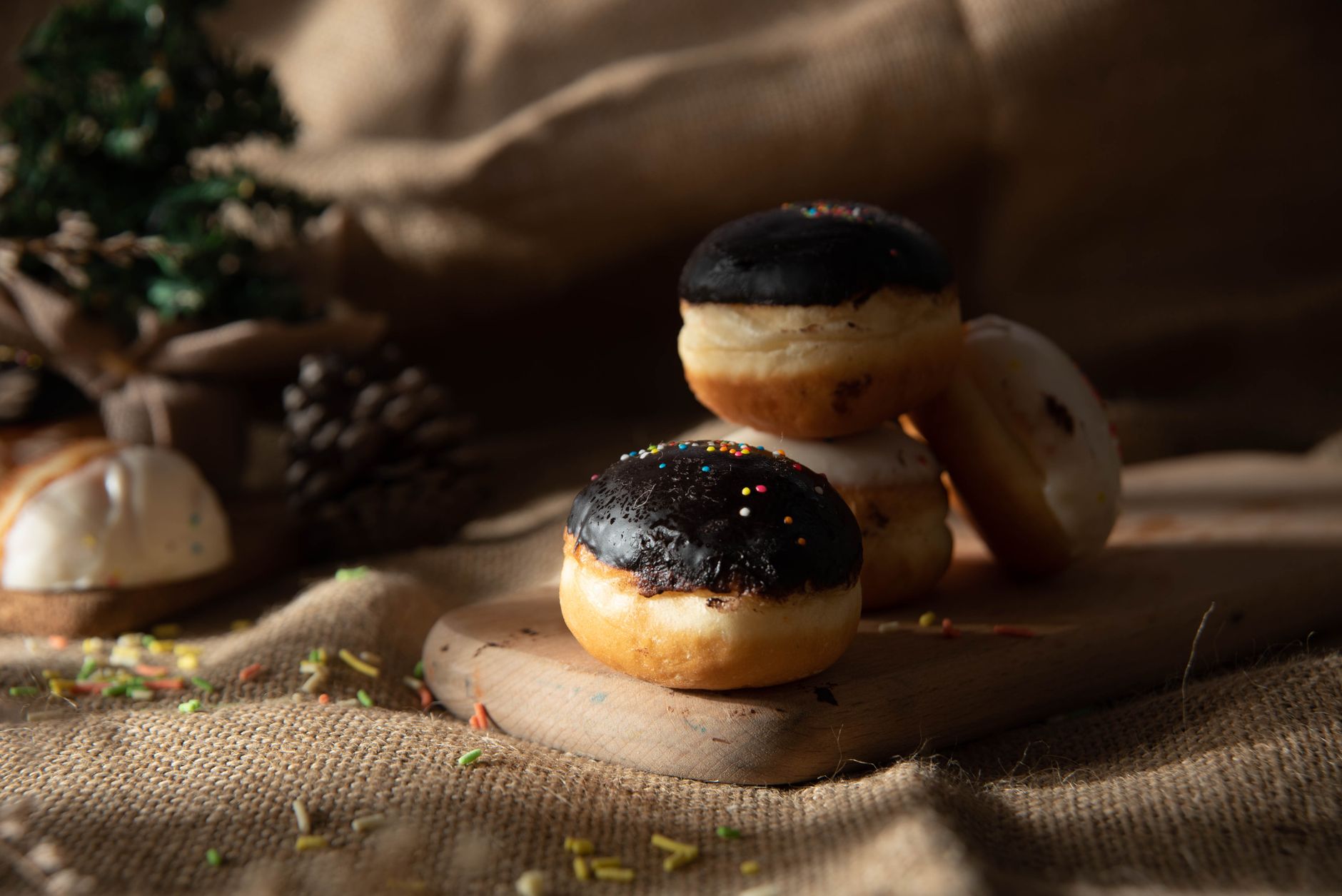
Soft homemade donuts hold a special place for anyone craving that melt-in-your-mouth sweetness without the often dense or dry results. Achieving bakery-style softness at home isnt just about frying doughits about mastering a simple dough trick that layers air and texture into every bite. These fluffy donut recipes bring true comfort food with a tender crumb that beats store-bought options. Lets explore how to make soft homemade donuts that delight your taste buds and impress your family.
What Makes Soft Donuts Special
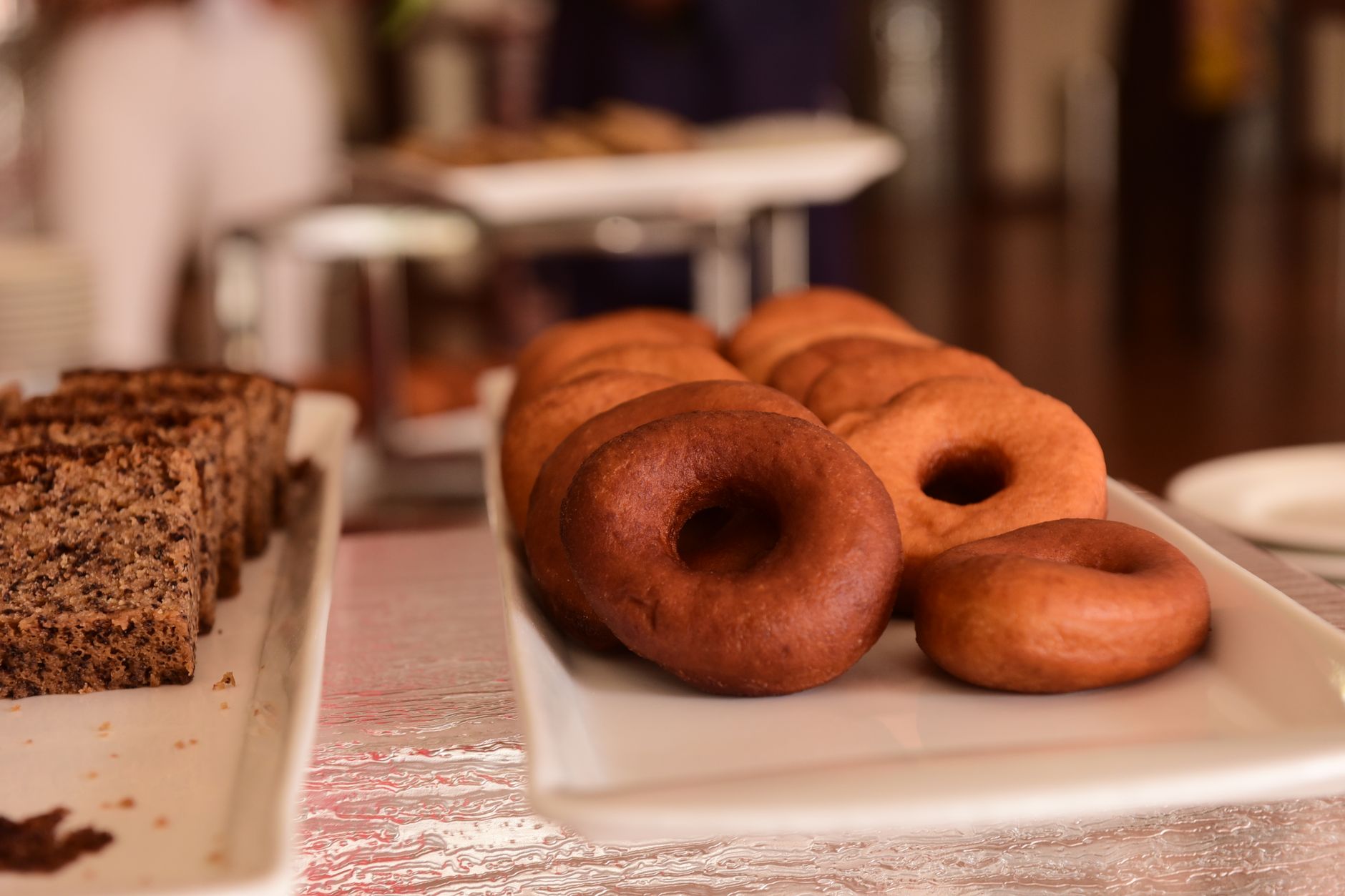
Why do soft homemade donuts feel so much more satisfying than typical cakey or store-bought varieties? Texture rules the experience. Soft donuts strike a delicate balance between a tender crumb and a fluffy interior that carries glaze or toppings beautifully without becoming greasy. Their pleasantly airy layers deliver a light chew that freshens every bite.
Many struggle because donuts tend to turn out either dense, oily, or tough. The key lies in the doughs development and how you handle itboth factors that affect gluten strength and aeration. The best homemade donuts achieve a rich softness with just the right moisture and structure.
Dough Technique for Soft Donuts
What Is the Layered Donut Dough Trick?
The secret behind soft homemade donuts often comes down to using a layered dough technique. This involves gently folding and laminating the dough during proofing, similar to pastry making. Each fold traps tiny air pockets and develops thin dough layers that puff delightfully during frying, creating that signature pillowy softness.
Understanding this dough lamination method boosts donut texture significantly by encouraging gluten strands to relax and reorganize. When fermenting, yeast bubbles expand between these layers, giving donuts fluffiness without heaviness.
Steps to Apply the Technique at Home
- Start with a well-kneaded, smooth yeast dough thats slightly sticky but elastic.
- After the initial rise, gently roll out the dough into a rectangle about 1/2 inch thick.
- Fold the dough into thirds, like a letter, then allow it to rest for 10 minutes.
- Repeat the rolling and folding 23 times totalnever overworking it.
- Shape donuts as usual and proceed to proof again before frying.
This technique creates subtle layers inside the donut that expand uniquely when cooked, making every bite soft but structured.
Avoid These Common Mistakes
- Over-kneading: leads to tough, rubbery donuts.
- Skipping folds: reduces air pockets and softness.
- Proofing too short or too long: impacts dough rise and texture badly.
- Frying at incorrect oil temperature: causes greasy or undercooked donuts.
Soft Homemade Donut Recipe
| Prep time | Cook time | Total time | Servings | Calories | Diet tags |
|---|---|---|---|---|---|
| 20 minutes | 15 minutes | 1 hour 30 minutes | 12 donuts | 220 cal per donut | Halal |
Ingredients
- 3 cups all-purpose flour (preferably unbleached)
- 2 teaspoons active dry yeast (one packet)
- cup warm whole milk (110F/43C)
- cup granulated sugar
- 2 large eggs, at room temperature
- cup unsalted butter, melted and cooled
- teaspoon salt
- Vegetable oil, for frying
- Simple glaze or powdered sugar, for topping
The Donut Dough Trick
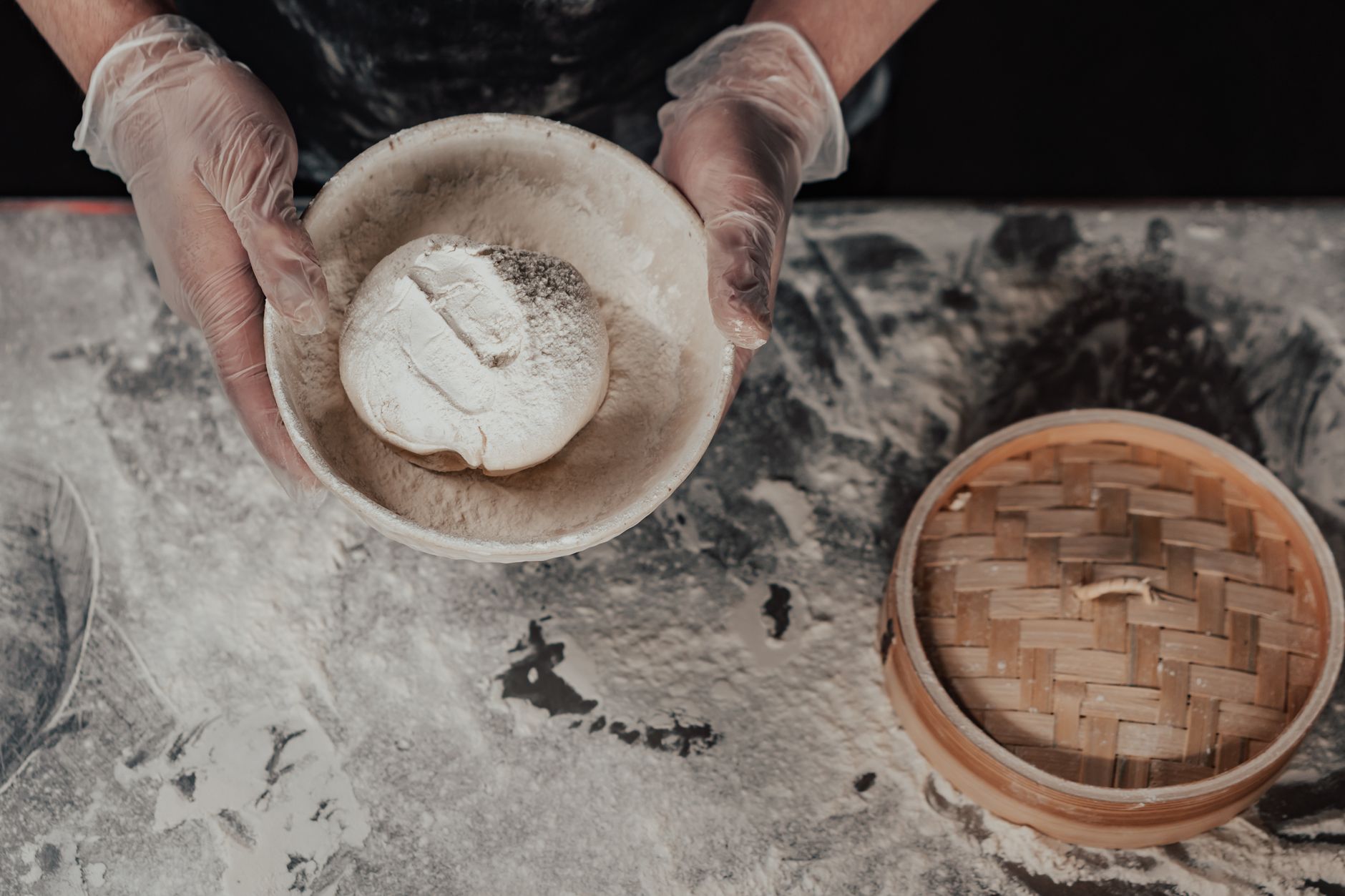
Combining warm milk with yeast and a teaspoon of sugar, activate the yeast by letting it stand for 57 minutes until foamy. Whisk eggs and butter into the milk mixture, then gradually add flour, sugar, and salt while mixing with a stand or hand mixer fitted with dough hooks. Knead until the dough is soft but elastic, about 78 minutes.
Let the dough rest covered in a warm spot for 4550 minutes until doubled in size. Follow the layered donuts dough technique by rolling out, folding, and resting as described above. After the final fold, roll to about inch thickness, cut with a 3-inch round cutter plus a 1-inch hole cutter for the center. Place on parchment-lined trays to proof for 30 minutes.
Perfect Frying Guide
- Heat vegetable oil in a deep pan or fryer to 360F (182C).
- Fry donuts in batches, about 1-2 minutes per side, turning once they turn golden brown.
- Use a slotted spoon to remove and drain on paper towels.
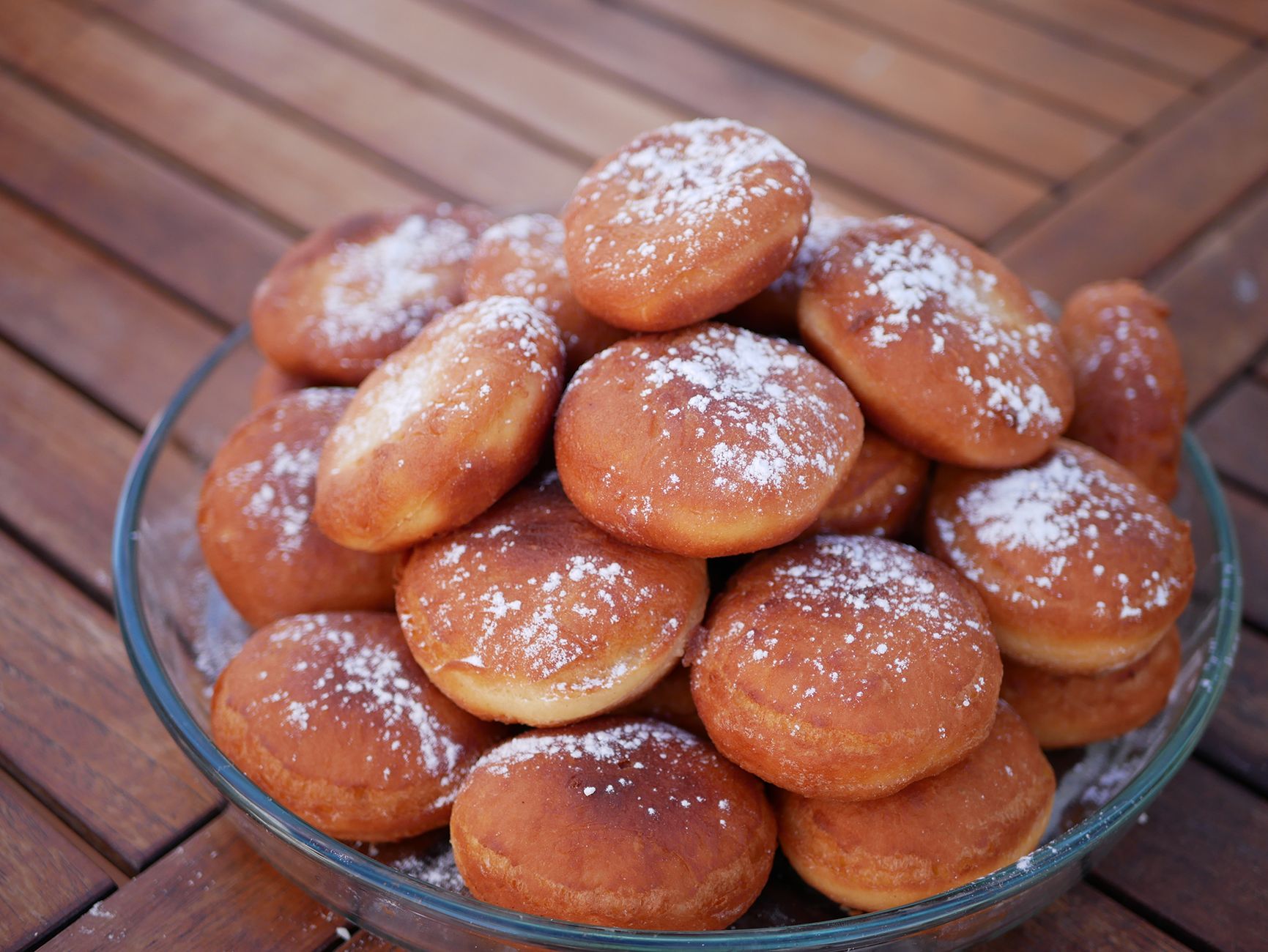
Enjoy glazed or dusted with powdered sugar while still warm for best softness and flavor.
Troubleshooting Tips
- If donuts are dense: check yeast freshness and proofing times.
- If greasy: oil temperature may be too low or donuts too thick.
- If tough: avoid over-kneading and use measured folding.
Frying vs. Baking Donuts
Pros and Cons
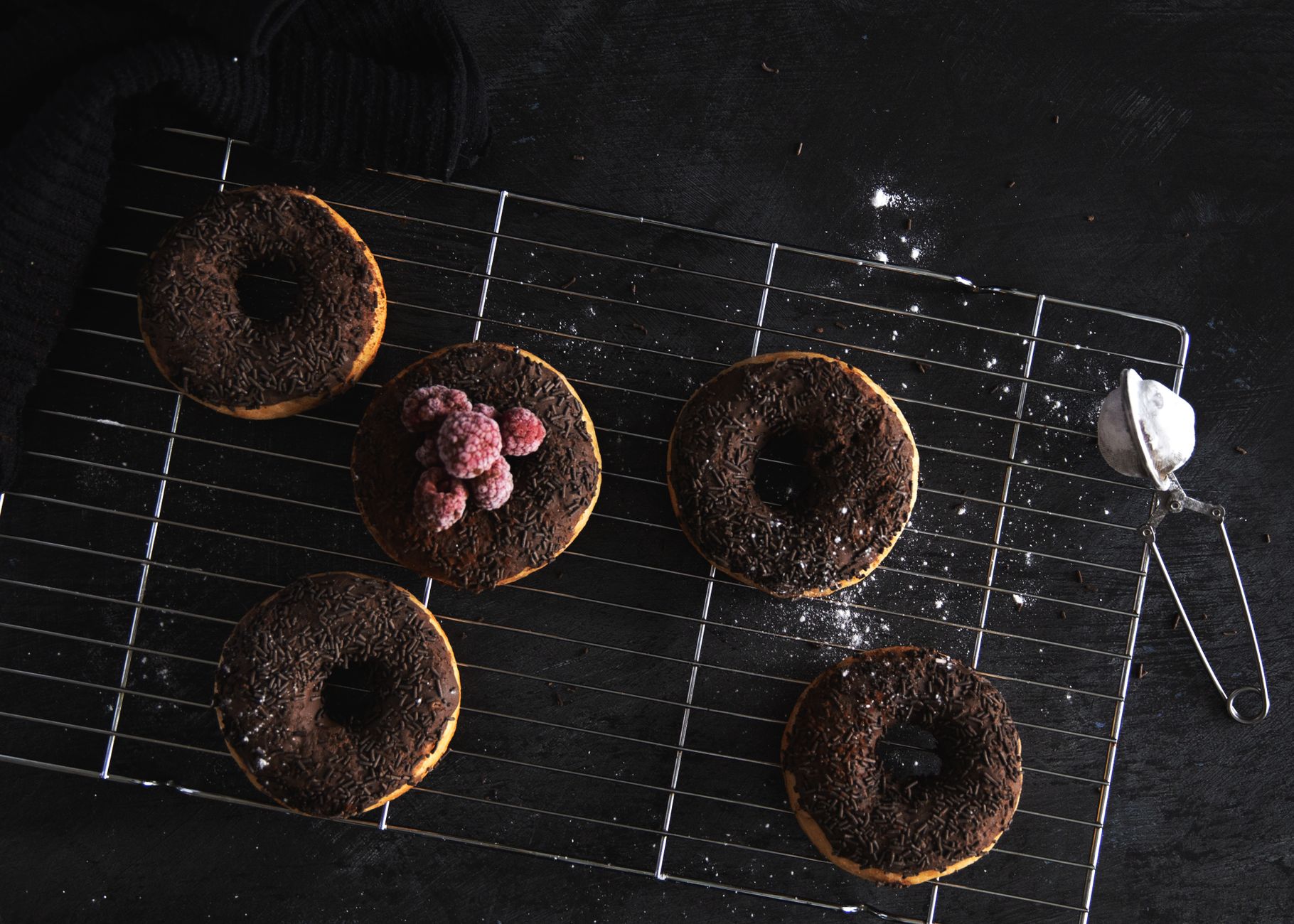
Frying gives that classic crispy outer crust with a light and airy inside. It locks in moisture and flavor, especially when oil temperature is well-controlled. However, frying adds calories and requires careful handling to avoid greasy results.
Baking is cleaner and healthier, producing less oily donuts. But baked donuts tend to be cakier and less layered, sometimes lacking that tender chew. Using the layering technique can help baked donuts maintain softness closer to fried ones.
Recipe Variations
- For baking: preheat oven to 375F (190C). Place donuts on a greased baking sheet, bake for 810 minutes until lightly golden.
- For frying enhancement: use a blend of vegetable and coconut oil for improved flavor and crispness.
Health Considerations
When frying, monitor oil quality and temperature. Reusing oil too many times increases unhealthy compounds. For a cleaner option, lightly bake with a spray of oil for a softer crust. Choosing Halal-certified oils ensures product compliance for health-conscious consumers.
Flavor and Presentation Tips
Glazes and Toppings
Simple sugar glazes with powdered sugar, milk, and vanilla crown soft homemade donuts beautifully. For a richer touch, add cinnamon sugar, chocolate drizzle, or crushed nuts. These toppings soak into the layered dough, enriching each bite.
Flavor Absorption
The layering dough technique helps your donuts hold glazes and fillings better. Moisture stays balanced inside, preventing sogginess. This means you can experiment confidently with flavors like strawberry jam, Nutella, or local date pasteperfect for Halal dessert tables.
Creative Twists
- Stuffed Donuts: fill with cream cheese or fruit preserves before shaping.
- Flavored Dough: infuse citrus zest or cardamom into the dough for a fragrant bite.
- Decorative Toppings: toasted coconut flakes or edible gold dust for festive occasions.
Storage Tips
Store donuts in an airtight container at room temperature. Softness stays intact for 23 days. For longer freshness, freeze donuts individually wrapped for up to 3 months. Reheat gently in a 300F (150C) oven for 5 minutes to restore softness.
Benefits and Considerations
Challenges and Rewards
Soft homemade donuts balance delicate gluten development and yeast fermentation. While layering adds delightful texture, it requires gentle handling and patiencethe dough is sensitive and prone to overwork. Managing oil temperature and frying times also influence results. However, the payoff is worth it: fresh, fluffy donuts with a tender crumb and appealing layers feature bakery-quality charm.
Eating Mindfully
Enjoy these treats as an occasional indulgence within a balanced diet. Homemade donuts let you control ingredients and choose Halal-certified, high-quality inputs, avoiding additives often found in commercial sweets. Consider pairing your donuts with unsweetened teas or fresh fruit for balance.
Food Safety Tips
- Use fresh, clean vegetable oil heated between 350370F (175185C).
- Avoid overcrowding in the fryer to maintain even cooking.
- Keep raw dough refrigerated if proofing multiple batches over time.
- Choose Halal-certified eggs and dairy to ensure full compliance with dietary laws.
Dietary Alternatives
For gluten-sensitive individuals, almond or oat flour blends offer options, though texture varies considerably. To reduce fat, try baking with minimal oil spray. Low-sugar glazes use powdered erythritol or monk fruit sweetener. Youll find many Halal brands producing clean-label flours and sweeteners suitable for homemade donut recipes.
Enhance Your Baking Journey with Trusted Resources
You might find inspiration and practical tips at local artisanal bakeries such as Corner bakery Carlsbad and Corner bakery Frisco. These spots highlight methods and flavor combinations that bring homemade baking to a new level.
When is the best time to eat soft homemade donuts?
Enjoy soft homemade donuts fresh out of the fryer or oven for the best texture and flavor. Breakfast or mid-morning snack times work well, as donuts are happiest when served warm. If you store leftovers, gently reheat before eating to restore softness.
Is it necessary to use fresh yeast for this recipe?
Using active dry yeast or instant yeast is essential since fresh yeast can be less predictable and harder to find. Fresh yeast offers a shorter shelf life and requires refrigeration, but can produce a fluffier dough if handled expertly. For convenience, active dry yeast works reliably.
Can I substitute milk with plant-based alternatives?
Yes. Unsweetened almond, oat, or soy milk work well but may slightly alter dough hydration and flavor. Maintain warm temperature (~110F) to activate yeast effectively. Choose Halal-certified plant-based milks to stay compliant.
How can I make the glaze halal?
Ensure sugar and flavorings like vanilla extract do not contain alcohol or non-Halal additives. Pure powdered sugar and non-alcoholic vanilla are generally safe. Some premade glazes may contain gelatin or alcohol-based flavorings, so read labels carefully.
What is the ideal oil type for frying Halal donuts?
Use refined vegetable oils such as canola, sunflower, or palm oil with Halal certification. These oils withstand high frying temperatures well and do not impart off flavors. Avoid animal fats unless from Halal sources.
Why do some homemade donuts become chewy rather than soft?
Chewiness often results from over-kneading, excess gluten development, or proofing errors. Using the folding layer technique helps control gluten structure, promoting softness. Proper measuring and gentle handling prevent toughness.
Can I freeze soft homemade donuts?
Donuts freeze well if wrapped tightly in plastic wrap and placed in freezer bags. Use within 3 months for best taste and texture. Thaw at room temperature and reheat at 300F for 5 minutes to refresh softness.
How long should I proof donut dough?
Initial proofing should last 4550 minutes at around 7580F until the dough doubles in size. After cutting and shaping, proof for another 2530 minutes before frying or baking. Proper proofing ensures light texture and proper rise.
Expert Technique Tips
Humidity affects dough softness greatly, so consider proofing in a slightly warm, humid spota turned-off oven with a bowl of hot water works well. Avoid rushing folds. Each fold should rest 10 minutes to let gluten relax. For a flavor upgrade, replace cup sugar with honey during mixingadding gentle sweetness helps yeast activity and dough tenderness.
Keep oil temperature steady; using a frying thermometer prevents greasy or under-fried donuts. Toss lightly in powdered sugar immediately to absorb some surface moisture for a velvety finish.
More You Might Like
Explore how artisanal bakeries develop their signature breads with our post about Corner bakery Carlsbad. Or learn about fresh baked goods and community favorites on the other side of the country at Corner bakery Frisco.
Conclusion
Soft homemade donuts can transform your baking with a simple layered dough technique and attention to proofing and frying. These fluffy, pillowy treats bring the joy of bakery-quality donuts fresh to your kitchen. Try this recipe, balance flavors thoughtfully, and enjoy a halal-certified indulgence that feels homemade in every bite. Dont hesitate to experimentthen share your delicious results or questions here.
FAQs
When is the best time to eat or drink soft homemade donuts?
Soft homemade donuts are best enjoyed fresh, right out of the fryer or oven, to experience their optimal softness and flavor. Breakfast or mid-morning snack times are perfect. If stored, gently reheat before serving to restore their pillowy texture.
How long do soft homemade donuts stay fresh after baking?
Stored in an airtight container at room temperature, soft homemade donuts remain fresh and soft for 2-3 days. For longer storage, freeze them individually wrapped for up to 3 months and reheat at 300°F for 5 minutes to refresh softness.
What makes soft homemade donuts different from regular store-bought donuts?
Soft homemade donuts use a layered dough folding technique that traps air pockets, creating a light, fluffy interior with a tender crumb. Store-bought donuts can be denser or oily, while homemade versions allow control over ingredients, texture, and freshness.
Is it safe to eat soft homemade donuts daily?
Enjoying soft homemade donuts occasionally is best as part of a balanced diet. Homemade recipes let you use quality, Halal-certified ingredients without additives, but donuts are still indulgent and high in calories, so moderation is recommended.
Where can I buy ingredients for making soft homemade donuts halal-certified?
Halal-certified ingredients like flour, yeast, dairy, and vegetable oils are commonly available at specialty grocery stores, Halal markets, or online retailers. Always check labels for Halal certification, especially for oils and flavorings to ensure compliance.