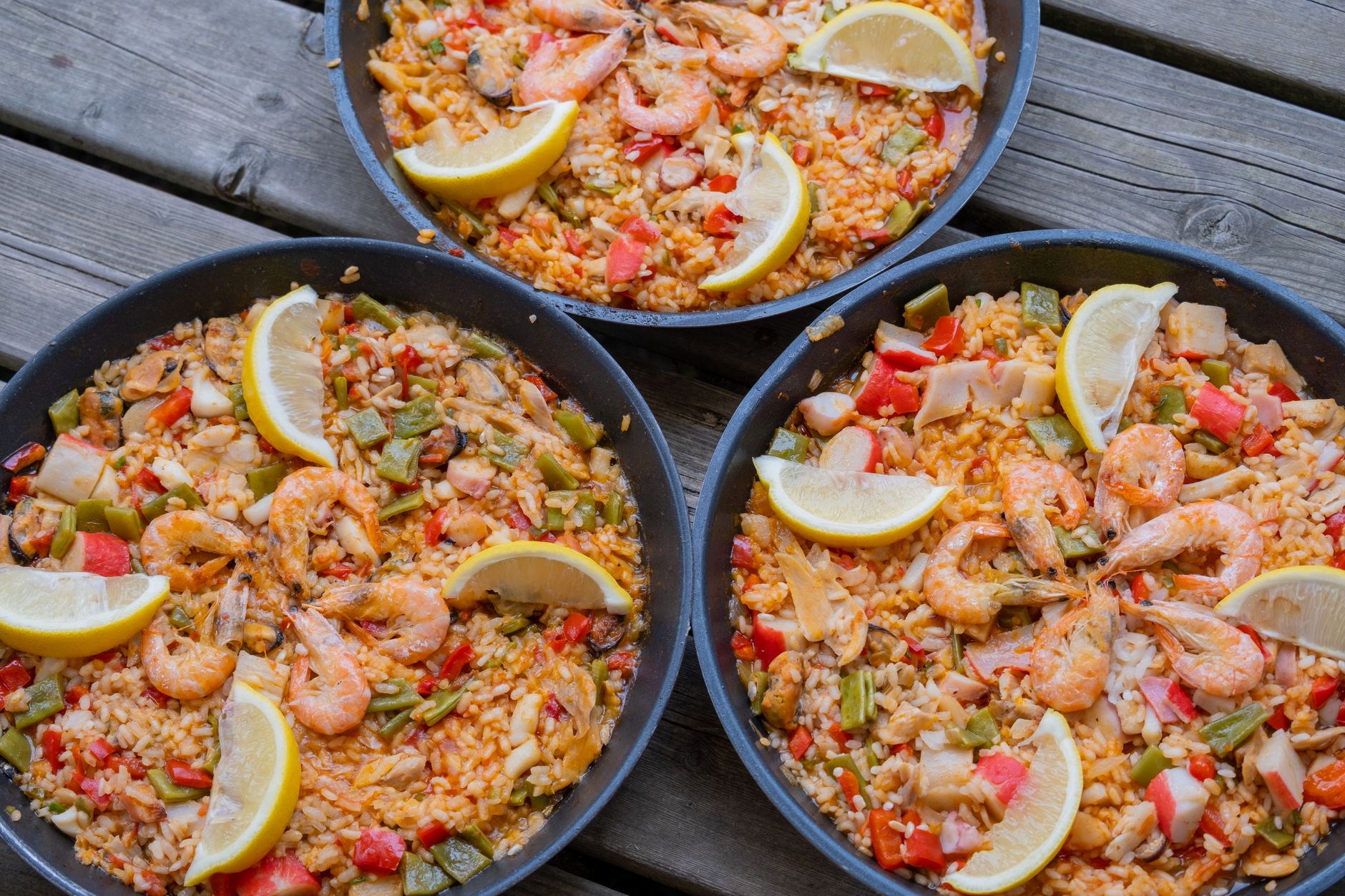
If youve ever tried making jambalaya, you might have noticed that the rice can be tricky to get just right. The secret to authentic jambalaya lies in how you cook the ricetoo often, people ruin their dish by checking the pot too frequently or mismanaging liquid ratios. Understanding jambalaya rice cooking is the key to unlocking a dish with balanced flavors and perfect texture every time.
Common Jambalaya Pitfalls
Why does your jambalaya rice sometimes turn out mushy, dry, or unevenly cooked? The biggest mistake many cooks make involves disrupting the cooking process by lifting the lid too often. Every peep lets out precious steam and heat, which causes uneven rice cooking and affects the dishs final texture. In jambalaya, the rice simmers together with meats, vegetables, and spices, so timing and technique are crucial.
How Checking Rice Hurts Jambalaya Rice Cooking
When you open the pot repeatedly, heat escapes and the cooking environment cools down. This interrupts the rices absorption of flavorful broth and steam, causing longer cook times. Frequent stirring or lid lifting releases moisture that rice needs to finish cooking properly, often resulting in either undercooked or mushy rice. In jambalaya rice cooking, maintaining a sealed, steady heat environment is essential for even heat distribution and tender grains.
Real Stories: Jambalaya Rice Gone Wrong
One home cook shared how her jambalaya always turned gummy until she stopped peeking inside the pot. Another said her rice was unevenly cooked because she added rice too early, soaking it in hot broth before meat flavors developed. Small adjustments, like adding rice at the right time and trusting the simmer, made a huge difference in their results.
Perfect Jambalaya Rice Cooking Guide
Heres a clear, step-by-step method to get your jambalaya rice cooking spot-on:
Step 1: Timing Is Everything
Add your rice after your meats and vegetables have simmered and released their flavorsusually when the broth is boiling steadily on medium heat. This ensures rice absorbs well-seasoned liquid without getting overcooked.
Step 2: Measure Liquids Precisely
The ideal liquid-to-rice ratio for jambalaya is about 2:1. For example, use 2 cups of broth for every 1 cup of rice. Because the rice cooks alongside other moist ingredients, keep broth amounts accurate to avoid soggy rice.
Step 3: Cook on Moderate Heat
Lower the heat to medium-low once rice is added, letting your jambalaya simmer gently. This slow cooking preserves the integrity of the rice and maintains tender yet separate grains. Avoid high heat, which can burn rice at the bottom.
Step 4: No Lid Lifting
Resist the urge to peek or stir frequently. Keeping the pot covered traps steam. Let the jambalaya simmer undisturbed for about 2025 minutes.
Step 5: Rest Before Serving
Turn off the heat and let your jambalaya sit covered for 510 minutes. This rest allows the rice to finish absorbing moisture and the flavors to meld perfectly.
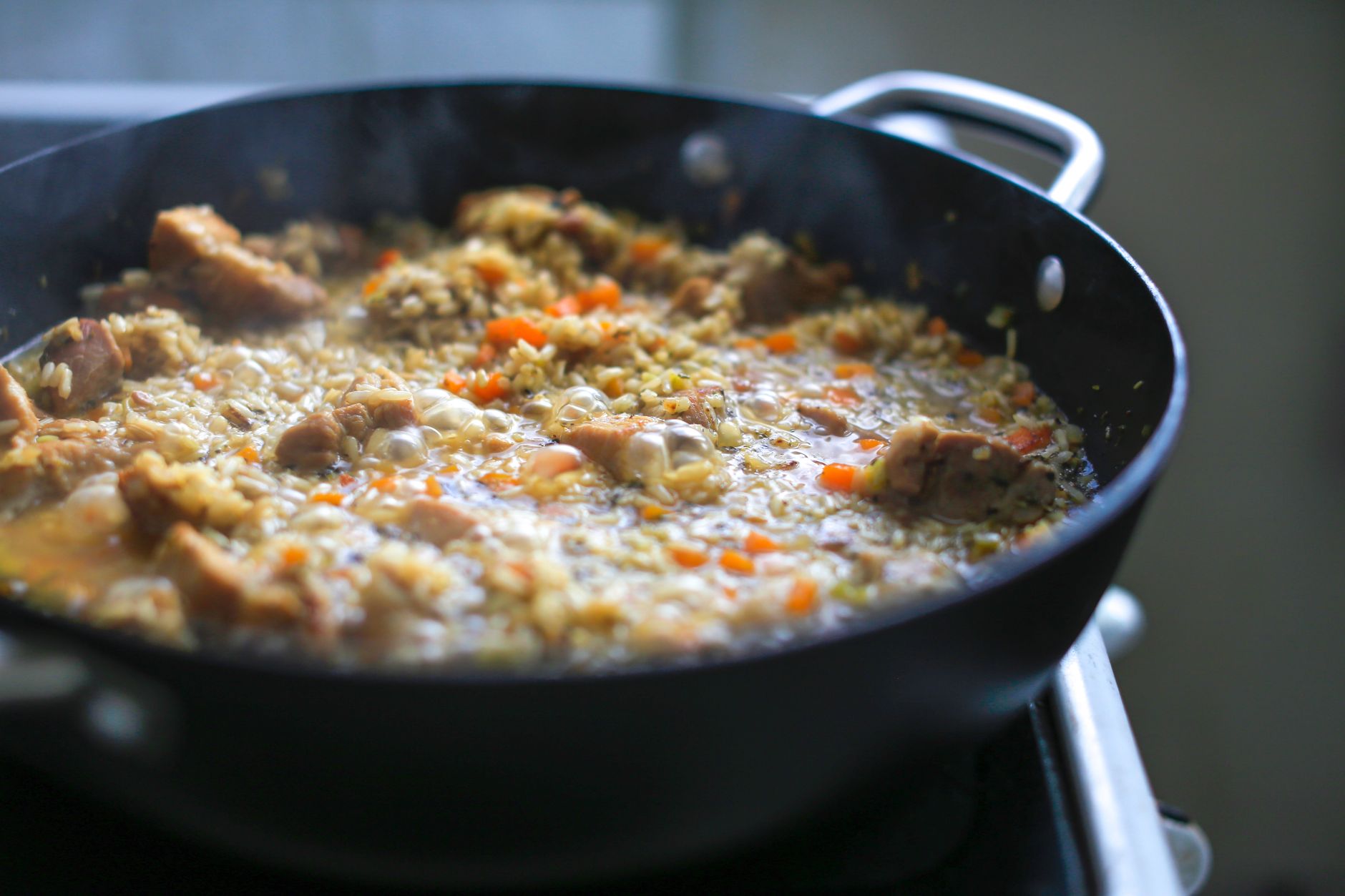
Signs of Perfectly Cooked Jambalaya Rice
- Each grain should be tender but separate, not mushy or sticky.
- The texture is slightly firm to the bite (al dente).
- Rice evenly absorbs the spicy, aromatic flavors of the broth and spices.
- No raw or crunchy spots remain.
Rice Selection and Tips
Choosing the right rice can take your jambalaya rice cooking to the next level. Long-grain white rice is the best choiceit has less starch, cooks evenly, and produces fluffy grains that wont clump together.
Why Long-Grain Rice Works Best
Compared to medium or short-grain varieties, long-grain rice releases less starch, which reduces stickiness. It holds its shape well during simmering, essential for jambalayas rustic, hearty texture. Jasmine or basmati rice are alternatives but slightly alter traditional flavor profiles.
Avoiding Common Rice Mistakes
- Dont rinse rice excessively, as it removes some starch needed for cohesive texture.
- Use fresh rice, as old or improperly stored rice can cook unevenly.
- Account for rice type when adjusting cooking times; brown rice requires significantly longer cooking, which can disrupt jambalaya balance.
Pro Tips to Enhance Jambalaya Rice Cooking
Here are trusted tips to upgrade your jambalaya rice cooking beyond basics:
- Use a heavy-bottomed pot or cast iron Dutch oven for even heat distribution and to prevent scorching.
- Simmer with tightly fitted lids to keep all moisture and aromas sealed in. Avoid glass lids as they encourage peeking.
- Layer your spices and aromatic vegetables (bell peppers, onions, celery) early, letting them soften fully before rice addition for richer flavor profiles.
- Resting the jambalaya with the lid on solidifies flavors and improves texture. Dont skip this crucial step.
If you want more ready-made options or inspiration while shopping, check out Hmart prepared foods to find halal-certified choices.

When is the best time to eat jambalaya rice?
Jambalaya rice is ideally served hot and fresh, immediately after resting. This ensures the rice is tender and the flavors vibrant. It also pairs well as a hearty lunch or dinner, especially when you‘re craving a filling, protein-rich meal.
Can I use brown or wild rice in jambalaya?
Brown and wild rice have longer cooking times and a nuttier texture. They can be used, but youll need to adjust liquid quantities and cooking times significantly, or cook the rice separately beforehand to avoid undercooked grains in the jambalaya.
Is it necessary to stir jambalaya rice during cooking?
Stirring after adding rice can release starch, creating a sticky texture rather than fluffy grains. It‘s best to stir just once to distribute rice evenly then cover and let it simmer undisturbed.
How much liquid should I add for 1 cup of jambalaya rice?
Use about 2 cups of broth or seasoned stock per 1 cup of rice. Precise liquid measurement helps the rice cook perfectly without becoming mushy or dry.
What are the best pots for jambalaya rice cooking?
Heavy-bottomed pots, such as cast iron Dutch ovens, distribute heat evenly and prevent burning. Thin pots risk hot spots that char the rice before it cooks through.
Can I make jambalaya rice in a rice cooker?
Yes, but rice cookers lack the benefit of gradual simmering with the meats and spices. For authentic flavor that‘s well-developed, traditional stovetop cooking is preferred.
Should I rinse jambalaya rice before cooking?
Rinsing removes excess starch but also some needed texture for cohesive cooking with spices. Light rinsing is fine, but dont overdo it for jambalaya rice cooking.
Step-by-Step Jambalaya Rice Recipe
| Prep time | Cook time | Total time | Servings | Calories | Diet tags |
|---|---|---|---|---|---|
| 15 minutes | 35 minutes | 50 minutes | 6 servings | 420 kcal | Halal, Gluten-Free |
- 1 cup long-grain white rice
- 1 lb halal chicken, sausage, and/or shrimp
- 1 onion, chopped
- 1 bell pepper, chopped
- 2 celery stalks, chopped
- 3 garlic cloves, minced
- 3 cups chicken broth (low sodium)
- 2 tsp Cajun seasoning
- 1 bay leaf
- 2 tbsp olive oil
- Salt and pepper, to taste
Step 1: Saut Aromatics and Meat
Heat olive oil in a heavy pot over medium heat. Add onion, bell pepper, celery, and garlic. Cook for 57 minutes until softened. Add chicken and sausage. Cook 8 minutes until browned. Season with Cajun spice, salt, and pepper.
Step 2: Add Broth and Simmer
Pour in 3 cups broth and add bay leaf. Bring to a boil over medium-high heat. Reduce heat slightly and let simmer for 10 minutes.
Step 3: Add Rice
Stir in rice evenly. Reduce heat to medium-low and cover tightly. Simmer for 2025 minutes without lifting the lid. Avoid stirring.
Step 4: Rest and Serve
After cooking, turn off heat and let jambalaya rest, covered, for 510 minutes. Fluff gently with a fork before serving.
How to Store Leftover Jambalaya Rice
Place leftovers in an airtight container. Jambalaya rice keeps for 45 days refrigerated and reheats well in a microwave or stovetop pan with a splash of water to restore moisture.
Freeze for up to 3 months in freezer-safe bags or containers. Thaw overnight in the fridge before reheating.
Most Overlooked Jambalaya Rice Cooking Mistake
Many cooks underestimate the importance of resting time. Without letting jambalaya sit after cooking, rice grains wont fully absorb flavor and can turn clumpy or dry. That 510 minute wait covered really improves texture and taste.
Expert Upgrade
For added depth, toast the rice lightly in oil for 2 minutes before adding broth. This technique brings a nutty flavor that elevates the dish.
Why Cheap Rice Can Spoil Jambalaya
Low-quality rice often has inconsistent grain length or old stock, which causes uneven cooking. Investing in fresh, long-grain rice makes a noticeable difference.
Craving convenient, health-conscious breakfast ideas while you perfect your cooking? Explore Mcdonald‘s breakfast sandwiches on our site for tasty Halal-certified options.
Try These Next
- Explore flavorful Cajun seafood recipes that pair beautifully with jambalaya rice cooking techniques.
- Discover authentic Halal spice blends that enhance your jambalaya or other rice-based dishes.
Any Halal certification to look for on ingredients?
Yes. For halal-certified meats and products, look for trusted logos from bodies like JAKIM, HMC, or IFANCA. These ensure ingredients meet halal guidelines, an essential consideration for health-conscious cooks.
By honing your jambalaya rice cooking skills, youll bring an authentic New Orleans taste to your kitchen. Remember, patience and proper technique are your best allies. Next time you prepare jambalaya, trust the process and enjoy the rewarding, flavorful results. Wed love to hear how your dish turns out or any questions you havefeel free to leave a comment below.
FAQs
When is the best time to eat or drink Jambalaya rice cooking?
Jambalaya rice is best enjoyed hot and fresh immediately after resting for 5–10 minutes. This resting time ensures the rice is tender, the flavors meld perfectly, and the dish delivers a hearty, vibrant meal, ideal for lunch or dinner.
How long does jambalaya rice keep after cooking, and how should I store it?
Store leftover jambalaya rice in an airtight container and refrigerate for 4–5 days. Reheat gently with a splash of water to restore moisture. You can also freeze it for up to 3 months, thawing overnight in the fridge before reheating.
What is the difference between jambalaya rice and regular rice cooking?
Jambalaya rice cooks simmered with meats, vegetables, and spices, requiring careful timing and liquid control to absorb flavors without becoming mushy. Unlike plain rice, it should cook undisturbed to maintain separate grains and a rich, hearty texture.
Is jambalaya rice cooking safe to eat daily, considering its ingredients?
Yes, jambalaya rice with balanced ingredients and proper cooking is safe for regular consumption. Using quality proteins and fresh vegetables ensures a nutritious and flavorful meal suitable for everyday eating.
Where can I find halal-certified ingredients for making jambalaya rice?
Halal-certified meats and spices can be found at specialized halal grocers, supermarkets with halal sections, or online stores. Look for trusted certification logos like JAKIM, HMC, or IFANCA to ensure authenticity.