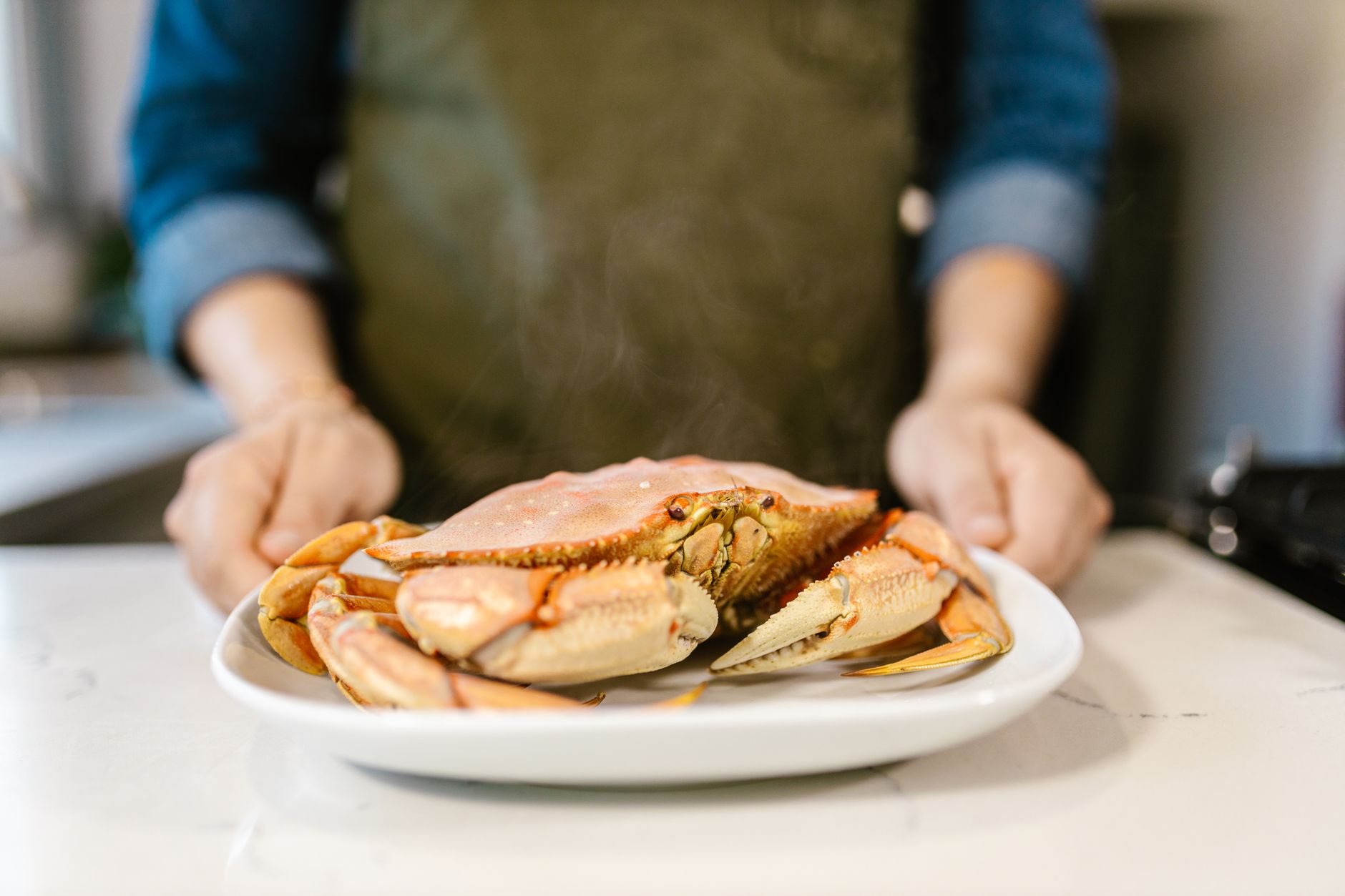
Wondering if steaming crab legs truly delivers the tender, juicy seafood experience you crave? Steam crab legs gently lock in moisture and showcase the crabs natural sweetness, making it a go-to method for many home cooks and seafood lovers. Sure, it can be a bit messy, but with the right tips and tools, youll enjoy perfectly steamed crab legs that impress every time.
Benefits of Steaming
Steaming crab legs is loved because it keeps the meat tender, juicy, and naturally flavorful. Unlike boiling, which can waterlog the crab, or baking that risks drying it out, steaming provides gentle, moist heat that cooks evenly and fast. Plus, you can easily add seasonings to the steaming liquid to boost flavor subtly.
Yet, timing is keysteaming too long can toughen crab meat quickly. Knowing the right temperature and duration is essential. Proper thawing and handling are also necessary to keep it safe and fresh, especially for Halal-conscious consumers striving to enjoy certified, high-quality seafood responsibly.
Why Is Steaming the Best Method?
Steaming stands out from boiling, baking, or grilling because heat surrounds crab legs without direct contact with water, preserving their sweet, delicate taste. The steams moist heat also prevents the shells from cracking open too soon, which can lead to tough spots or dry meat. Chefs in seafood restaurants often steam bulk orders for this reliable, tender result.
For Halal and health-conscious shoppers, steaming also means less oil or added fats than frying and keeps the crab closer to its natural stateideal for clean, nutritious meals.
Top Steaming Benefits
- Preserves nutrients and natural crab sweetness
- Prevents drying or toughening the meat
- Allows simple seasoning enhancements during cooking
- Maintains shell integrity for easier handling and serving
Preparing Crab Legs
Before steaming, gather quality tools and fresh or properly frozen crab legs. Preparation helps ensure effortless steaming success and safe, delicious results.
Essential Tools for Steaming
- Steamer pot or basket tall enough to hold legs upright
- Long tongs for safe handling
- Crab crackers or kitchen shears for easy shell removal
- Optional: kitchen thermometer to track steam temperature (ideal 212F)
Ingredients to Enhance Flavor
Choose fresh or frozen crab legs with careideally Halal-certified by authorities like JAKIM, HMC, or IFANCA to ensure ethical sourcing and processing standards.
Fill your steaming pot with plain water or substitute part with beer or seasoned broth to infuse subtle aromas. Common seasoning additions include lemon slices, garlic cloves, fresh herbs, or a sprinkle of Old Bay seasoning.
Picking the Right Crab Legs
Frozen crab legs are common and often flash-frozen at peak freshness, making them a reliable choice. Look for firm shells with no discoloration or off smell. King crab legs offer large, succulent meat, while snow crab legs are smaller and sweet. Dungeness crab legs add a unique, slightly nutty flavor sometimes preferred by seafood enthusiasts.
Step-by-Step Steaming Guide
Preparing Crab for Steaming
Start by thawing frozen crab legs safely in the refrigerator for 812 hours or overnight. Avoid running water thaw as it can wash away natural flavor. Once thawed, rinse the legs gently to remove any ice glaze or residue.
Steaming Method
- Fill your pot with about 2 inches of water. Add optional flavor enhancers like beer or broth plus lemon and garlic.
- Place your steamer basket inside, ensuring water does not touch the crab legs when placed.
- Arrange crab legs upright or stacked loosely so steam circulates freely.
- Cover tightly with the lid.
- Bring water to a full boil, then steam crab legs for 57 minutes for pre-cooked legs, or 1012 minutes for raw legs (depending on size).
- Use tongs to check if crab legs are heated throughmeat should be opaque and firm.
Tips During Steaming
- Keep the lid sealed to trap steam efficiently.
- Check water level midway to avoid running dry.
- Test doneness by cutting a small section; if juice runs clear and meat is tender, its ready.
Delicious Crab Leg Recipes
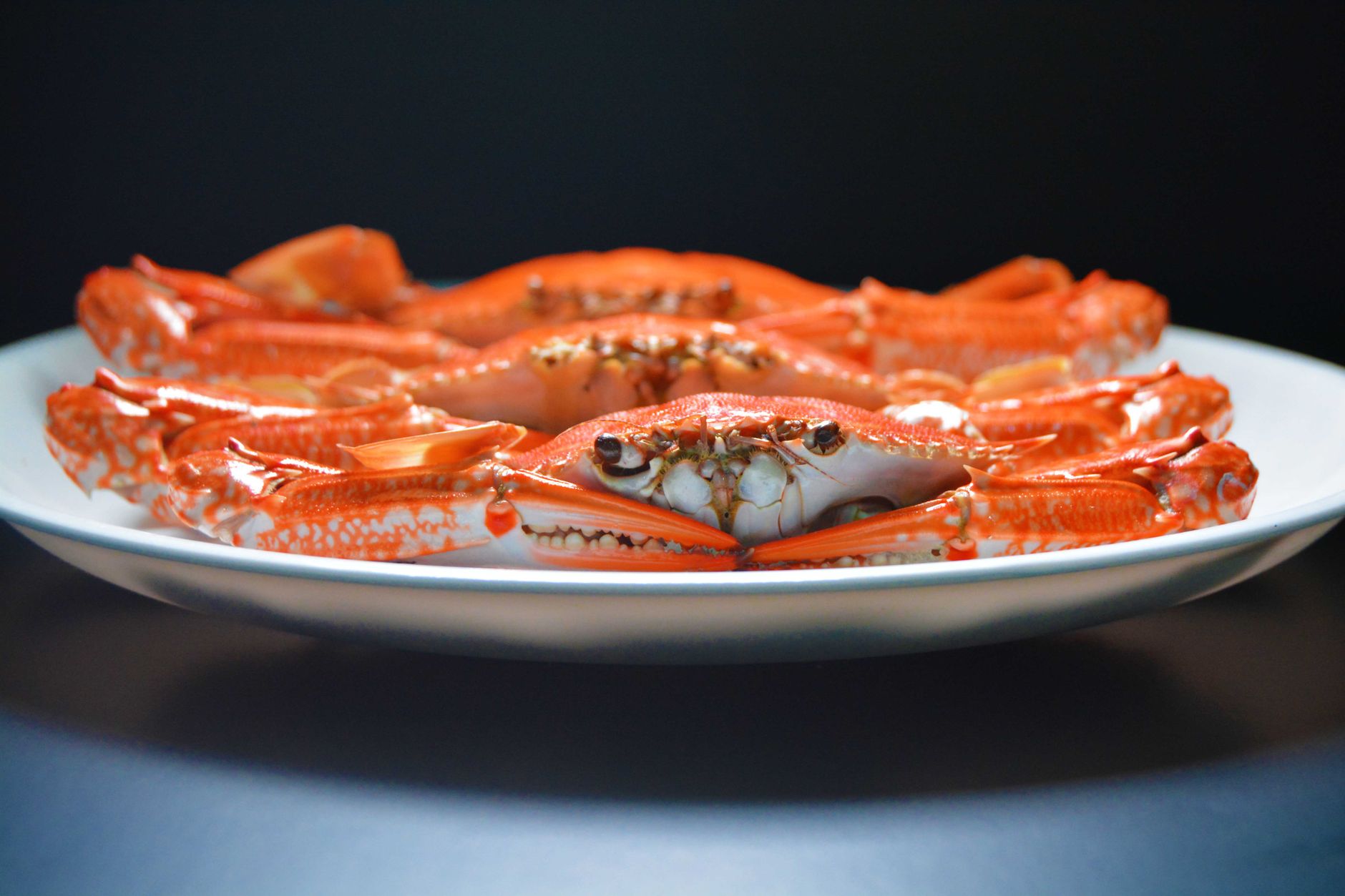
Steamed crab legs shine best with simple sauces and fresh sides. Adding flavors during steaming or serving enhances your dish without overpowering the crabs natural sweetness.
Easy Crab Leg Recipes
- Garlic Butter Sauce: Melt 4 tbsp butter with 3 minced garlic cloves and a squeeze of lemon juice. Drizzle warmed sauce over crab legs before serving.
- Spicy Cajun Steamed Crab Legs: Add 2 tsp Cajun seasoning, 1 tsp smoked paprika, and tsp cayenne pepper to the steaming water for a spicy kick.
- Lemon Herb Butter Glaze: Combine softened butter, chopped parsley, dill, and lemon zest. Brush on warm crab legs for a fragrant finish.
Serving Suggestions
Serve steamed crab legs with fresh lemon wedges, a crisp green salad, or steamed vegetables. For drinks, light white wine or sparkling water balances richness beautifully.

Seafood Steaming Tips
To elevate your steaming skills beyond crab legs, a few key tips help ensure delicious seafood every time.
Common Steaming Mistakes
- Avoid overpacking the steamer basket leave space for steam circulation.
- Check youve added enough water about 2 inches for 1520 minutes of steaming.
- Preheat the pot to boiling before adding crab legs to maintain consistent steaming.
Keeping Crab Juicy
Short steaming time is crucial since crab meat cooks fast. As a flavor hack, add aromatics like garlic, bay leaves, or lemon slices to the waterthey infuse delicate undertones into the crab.
Remember to keep steaming temperatures steady around 212F and remove crab legs promptly once donecarryover heat continues cooking if left covered.

Is steamed crab legs actually Halalwhat should I check?
Crab is generally considered Halal as it is a seafood product, but standards vary regionally. Look for certification logos from trusted bodies like JAKIM, HMC, or IFANCA on packaging to ensure proper processing. Confirm that no alcohol or non-Halal ingredients are included in pre-seasoned or processed crab legs.
When is the best time to eat steamed crab legs?
Steamed crab legs make a delightful meal year-round but shine in warmer months or special occasions when fresh seafood is ideal. Eat shortly after cooking, while warm and juicy, to get the best texture and flavor.
Can I reheat steamed crab legs?
Yes, gently reheat crab legs by steaming for 35 minutes or microwaving covered with a damp paper towel to retain moisture. Avoid overheating to prevent toughening the meat.
What type of crab legs are easiest to steam?
Pre-cooked frozen crab legs are easiestjust thaw and steam briefly to heat through. Raw crab legs take longer and need careful timing but provide fresher flavor.
How do I avoid overcooking crab legs?
Set a timer and steam for no longer than recommendedusually 57 minutes for pre-cooked, 1012 for raw. Use tongs to check doneness early and remove once meat turns opaque and firm.
Can I add spices to the steaming water?
Absolutely. Adding spices or aromatics like garlic, lemon, Old Bay, or herbs enhances flavor subtly without overpowering the crab itself.
How long do steamed crab legs keep in the refrigerator?
Store cooled crab legs in an airtight container refrigerated at 4C (39F) for 34 days. Reheat gently before serving to preserve texture.
Pro Tips for Perfect Steamed Crab Legs
- Dont skimp on crab quality. Cheap crab legs often come from less traceable sources and have less meat. Choose Halal-certified and fresh or flash-frozen options only.
- Experiment with steaming liquids. Try beer, sake, or seafood broth instead of plain water for subtle flavor upgrades.
- Tongs are your best friend. Use long-handled tongs to avoid burns and rearrange crab legs for even steaming.
- Keep seasoning simple. Too much spice hides crabs natural sweetnessstart light with lemon and garlic.
For inspiration on ready-to-eat options, consider checking our guide to Factor prepared foods and healthy freezer breakfast sandwiches that pair well with seafood meals.
Summary
Steaming crab legs is a straightforward way to enjoy sweet, tender crab meat without complicated preparation. The method locks in moisture and flavor while requiring minimal seasoning. Using proper tools, fresh or Halal-certified crab legs, and precise timing, you can steam crab legs perfectly every time. Next time you shop, consider checking the label carefully, try these steaming tips, and share your favorite crab leg recipes with friends and family.
FAQs
When is the best time to eat or drink steam crab legs?
Steamed crab legs are best enjoyed year-round but especially shine during warmer months or special occasions when fresh seafood is ideal. Eat them shortly after cooking while they're warm and juicy to experience the best texture and flavor.
How long do steamed crab legs keep in the refrigerator?
Store cooled steamed crab legs in an airtight container in the refrigerator at 4°C (39°F) for 3 to 4 days. Reheat gently before serving to preserve their tender texture and delicate flavor.
What is the difference between steaming and boiling crab legs?
Steaming uses moist heat that cooks crab legs without direct contact with water, preserving sweetness and tenderness. Boiling can waterlog the meat and sometimes dull its flavor, while steaming maintains moisture without overcooking.
Is it safe to eat steamed crab legs every day?
Eating steamed crab legs in moderation is generally safe and nutritious. Crab is a good source of protein and minerals but high consumption may expose you to cholesterol or contaminants, so diversify your diet for overall balance.
Where can I buy high-quality steamed crab legs?
Look for fresh or frozen crab legs at reputable seafood markets, grocery stores, or Halal-certified online suppliers. Check certification labels like JAKIM, HMC, or IFANCA to ensure ethical sourcing and quality.