If youve ever wondered about the difference between bourbon vs whiskey, youre not alone. These two popular spirits share a common base but offer distinct flavors, legal definitions, and production methods. Whether youre choosing a bottle for your next gathering or just curious about their characteristics, knowing the facts can enhance your enjoyment and help you make informed choices.
What Is Bourbon vs Whiskey?
What qualifies a spirit as whiskey?
Whiskey is a broad category of distilled spirits made from fermented grain mash. Common grains include barley, corn, rye, and wheat. The production process usually involves fermentation, distillation, and aging in wooden barrels. Whiskey types vary globallyScotch from Scotland often uses malted barley and peat for smoky flavors; Irish whiskey tends to be smoother, triple-distilled; while Canadian whiskey often blends grains for a lighter style.
What makes bourbon unique?
Bourbon is a specific type of American whiskey defined by strict legal requirements. According to U.S. regulations, bourbon must be made from a grain mash containing at least 51% corn. It has to be distilled to no more than 160 proof (80% ABV) and entered into new charred oak barrels for aging at no more than 125 proof. It must age at least two years to be labeled straight bourbon. Unlike other whiskeys, bourbons shiny caramel and vanilla notes come largely from the high corn content and fresh charred barrel influence.
Comparison Table: Bourbon vs Whiskey Legal Standards
| Aspect | Bourbon | General Whiskey |
|---|---|---|
| Mash Bill | At least 51% corn | Varies (barley, rye, corn, wheat) |
| Aging | Minimum 2 years in new charred oak barrels | Varies, often in used barrels |
| Distillation Proof | No more than 160 proof (80% ABV) | Varies widely |
| Barrel Type | New charred oak barrels | New or used barrels, depending on the style |
| Geographic Regulations | Produced primarily in the USA | Worldwide (Scotland, Ireland, Canada, USA, Japan, etc.) |
Production Differences
How does bourbon distillation differ from whiskey distillation?
Bourbon distillation follows strict rules aiming to preserve corns sweet character. It is distilled to a lower proof than many other whiskeys to retain more flavor and is always aged in new charred oak barrels. The aging barrels are vital because they provide color and flavor notes such as vanilla, caramel, and toasted wood. In contrast, other whiskey types may use used barrels and different distillation methods, such as pot stills or continuous stills, contributing to distinct profiles. For example, Scotch whisky often uses peat smoke in malting barley, adding earthy, smoky flavors.
What ingredients go into bourbon vs other whiskey types?
Bourbons mash bill leans heavily on corn, giving it characteristic sweetness. Rye whiskey uses a higher percentage of rye grain, resulting in spicier and sometimes fruity notes. Malted barley often adds a nutty or biscuity note, prevalent in Scotch. Water source and yeast strains also influence fermentation results, producing subtle differences in aroma and mouthfeel.
Why the aging process alters flavor so much
Aging is where bourbon and whiskey develop their true character. Temperature fluctuations cause the spirit to expand and contract inside the barrels, extracting complex flavors from the wood. Barrel char levels vary, with bourbon barrels typically highly charred to intensify caramel and vanilla notes. The climate also matters Kentuckys humid summers speed aging, while cooler regions slow it down. This interaction shapes the velvety mouthfeel and rich layers that fans appreciate.
Flavor Profiles
What flavors define bourbon?
Bourbon typically delivers a sweeter, rounder taste due to the high corn content. Expect notes of vanilla, caramel, honey, and light oak. The new charred oak barrels add a smoky, toasted richness without being overpowering. Some bourbons also show hints of spice or fruit, depending on the mash bill and aging time. The finish is usually warm and smooth, making bourbon ideal for sipping neat or in classic cocktails like the Old Fashioned.
How is whiskey flavor more varied?
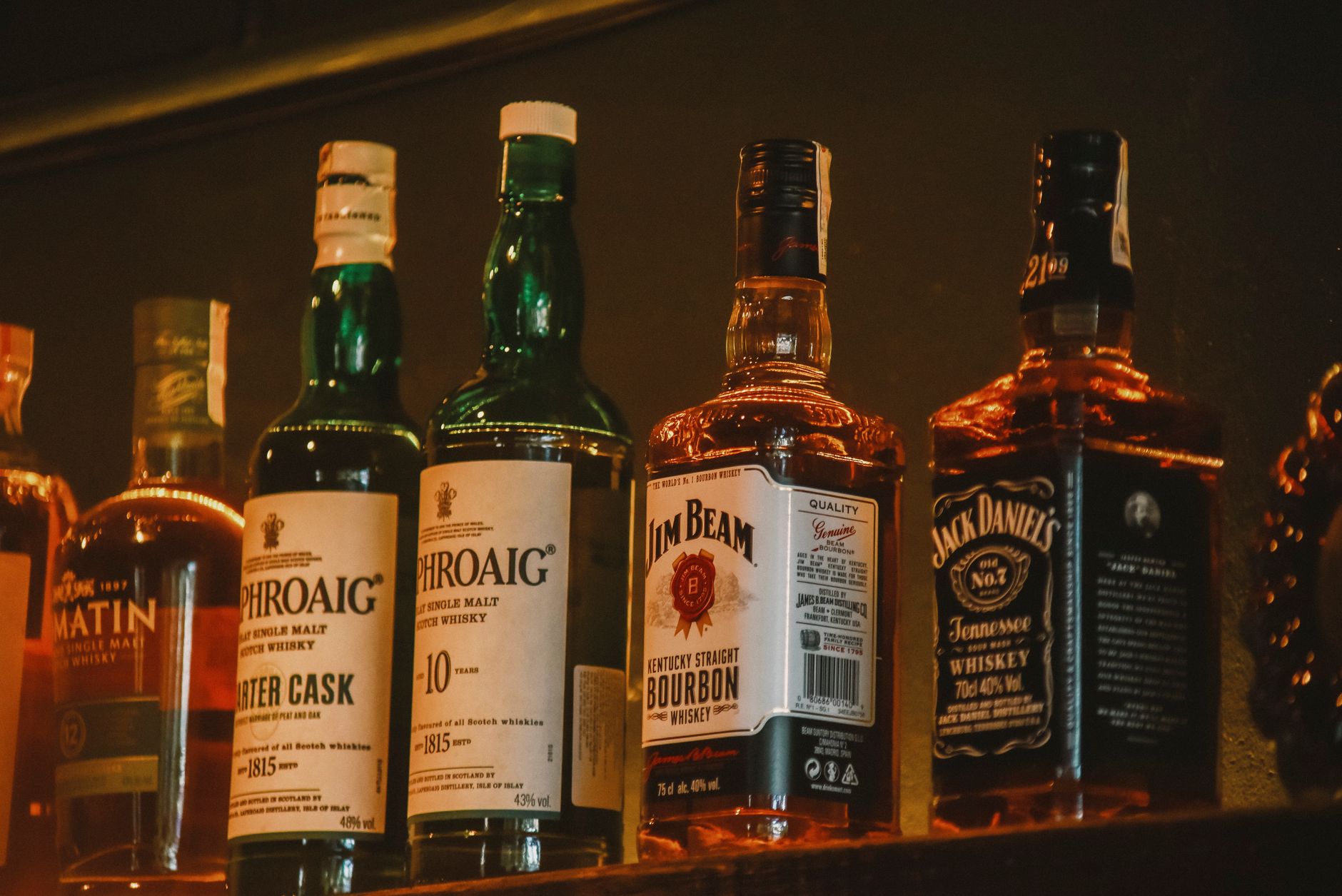
Whiskey spans a diverse flavor spectrumfrom the peaty, smoky Scotch malts to the smooth, light Irish styles. Rye whiskey, with its higher rye grain ratio, adds sharp spice and pepper notes. Canadian whiskeys tend to be mellow and slightly sweet, while Japanese whiskeys often balance floral and fruity nuances. This variety means whiskey drinkers can find flavors to suit any palate or occasion, whether its robust and smoky or delicate and sweet.
Flavor Profile Chart
| Spirit | Key Flavors | Suggested Food Pairings |
|---|---|---|
| Bourbon | Vanilla, caramel, honey, toasted oak | Grilled meats, pecan pie, cheddar cheese |
| Scotch Whisky | Smoky peat, malt, oak, fruit | Smoked salmon, dark chocolate, blue cheese |
| Rye Whiskey | Spicy, peppery, citrus, herbal | Spicy BBQ, charcuterie, apple pie |
| Irish Whiskey | Smooth, light, floral, fruity | Seafood, green apples, light desserts |

Choosing Bourbon or Whiskey
What occasions or tastes call for bourbon?
Bourbons sweeter profile works wonderfully in cocktails like the Manhattan, Mint Julep, or classic bourbon sour. Its also great sipped neat or on the rocks, especially versions aged four years or more. Popular certified brands include Buffalo Trace, Makers Mark, and Woodford Reservemany offer Halal-friendly versions depending on certification and ingredient sourcing. Bourbon pairs beautifully with smoky or grilled dishes and rich desserts.
When is whiskey a better pick?
If you prefer smoky, peaty flavors or something lighter and floral, then a Scotch or Irish whiskey might suit better. Rye whiskeys spiciness is perfect for lively cocktails or pairing with bold, flavorful foods. Whiskeys global diversity means theres often a bottle to fit specific taste or dietary preferences. Those mindful of Halal choices can look for certification marks like JAKIM, HMC, or IFANCA on international products for assurance.
Speaking of beverages, if you enjoy spirits, you might also appreciate exploring unique Mexican drinks or refreshing Detox drinks for balanced flavor and health benefits.
Safety and Moderation Tips
Enjoy bourbon and whiskey responsibly. According to the CDC, moderate drinking means up to one drink per day for women and two for men. Excessive alcohol can impact liver health and cause other risks. For health-conscious consumers, opting for spirits without additives and certified Halal options ensures cleaner label contents. Remember, savor every sip rather than rushing through your drink.
Is bourbon vs whiskey actually Halal what should I check?
Pure distilled spirits like bourbon and whiskey themselves do not contain animal products, so they can be Halal by ingredient. However, the production process matters. Some distilleries use additives, flavorings, or filtration processes involving animal-derived products, which may question Halal status. Look for verification from trusted Halal certification bodies such as JAKIM, HMC, or IFANCA. Their logos on packaging guarantee compliance with Halal standards including purity, sourcing, and process.
When is the best time to drink bourbon or whiskey?
Many enjoy bourbon or whiskey in the evening as a relaxing nightcap or during social occasions. Bourbons warmer, sweeter flavor suits cozy autumn or winter nights while lighter whiskeys fit well with summer sipping. Avoid drinking on an empty stomach to reduce absorption speed and potential hangovers. Pair your glass with a small snack or meal for best experience.
Can bourbon or whiskey be used in cooking?
Absolutely! Bourbon and whiskey add depth to sauces, marinades, and desserts. Bourbon is excellent in barbecue sauces and baked goods like pecan pie or bread pudding. Whiskey works well in savory dishes such as stews or glazes for meats. The alcohol mostly cooks off, leaving rich, nuanced flavors behind.
What is the difference between single malt and blended whiskey?
Single malt whiskey comes from one distillery using malted barley and pot stills. It tends to have complex, distinct flavors. Blended whiskey mixes different malt and grain whiskeys from multiple distilleries for a balanced, consistent taste. Bourbon can be single barrel (from one barrel) or blended from multiple barrels within one distillery.
How should I store bourbon and whiskey?
Keep bottles upright in a cool, dark place, ideally between 15-20C (59-68F). Once opened, whiskey retains quality up to one year if capped tightly, best consumed within 6 months to enjoy full flavor. Avoid direct sunlight which can degrade the spirit over time.
Are flavored bourbons and whiskeys Halal?
Flavored spirits often contain additives such as honey, spices, or fruit extracts. Some flavors or additives might be derived from non-Halal sources or include alcohol-based flavorings. Always check for Halal certification or ingredient transparency before purchasing flavored options to ensure compliance.
Does aging mean better quality?
Longer aging typically results in richer, smoother flavors as the spirit interacts more with the barrel. But more years dont always equal better tastepersonal preference plays a big role. Younger bourbons often retain more sweet corn flavor, while older ones show deeper oak and caramel. Try different ages to find your favorite.
What is the best glassware for bourbon and whiskey?
A tulip-shaped glass or a traditional whiskey tumbler (rocks glass) is ideal. The tulip shape concentrates aromas, enhancing tasting experience. Glasses with thick bases allow for ice or whiskey stones without diluting the spirit quickly.
What to look for when buying bourbon or whiskey?
| Certification | Price Range | Common Formats | Shelf Life | Key Allergens |
|---|---|---|---|---|
| JAKIM, HMC, IFANCA (Halal) | $25$60 (varies by brand and age) | Bottle (375ml, 700ml, 1L), miniatures | Several years unopened; 612 months after opening | None; gluten traces possible but typically <1ppm |
Most overlooked buying mistake
Many buyers pick bourbon or whiskey by label design or price alone, ignoring age statements and certification. Some cheaper bottles may use additives or flavorings that compromise quality or Halal status. Always verify certification and verify minimum aging to avoid disappointment.
Why cheap versions disappoint
Inexpensive bottles often sacrifice aging time or quality mash bills. This can result in harsh, one-dimensional flavors without the smoothness and complexity true bourbon and whiskey lovers seek. A bit more investment ensures a cleaner, richer experience.
Expert tip for choosing bourbon or whiskey
Try small bottles or attend tastings to explore flavor profiles before committing to full bottles. Experiment with neat versus cocktail preparations to find your preferred style. When choosing Halal products, look for clear certification and inquire about additives or flavorings.
Conclusion
Bourbon vs whiskey each offers a unique taste and cultural story. Bourbons sweet, full-bodied character contrasts with whiskeys broad and diverse flavor range. Understanding these differences helps you select the perfect bottle for your taste, occasion, and Halal dietary needs. Next time you shop or enjoy a glass, pay attention to the label and savor the nuanced world of these classic spirits. Feel free to share your favorites or questions in the comments below!
FAQs
Is Bourbon vs Whiskey actually Halal — what should I check on the label?
Pure distilled bourbon and whiskey can be Halal, but additives or filtration processes may affect this. Always look for certification from trusted bodies like JAKIM, HMC, or IFANCA to ensure compliance with Halal standards.
What is the shelf life of bourbon and whiskey after opening?
Once opened, bourbon and whiskey maintain quality for up to 6 to 12 months if stored upright in a cool, dark place with a tight seal, preserving their flavor and aroma.
What is the main difference between bourbon and other types of whiskey?
Bourbon is a type of American whiskey made from at least 51% corn and aged in new charred oak barrels, while other whiskeys vary by grain, barrel usage, and regional production methods, producing diverse flavor profiles.
How much bourbon or whiskey is safe to drink daily?
Moderate drinking means up to one drink per day for women and two for men. Excessive consumption can cause health issues, so always enjoy bourbon or whiskey responsibly and in moderation.
Where is the best place to buy certified Halal bourbon or whiskey?
Look for reputable retailers offering Halal-certified spirits. Check labels for certification logos from bodies like JAKIM, HMC, or IFANCA, and inquire about ingredient sourcing and production when in doubt.