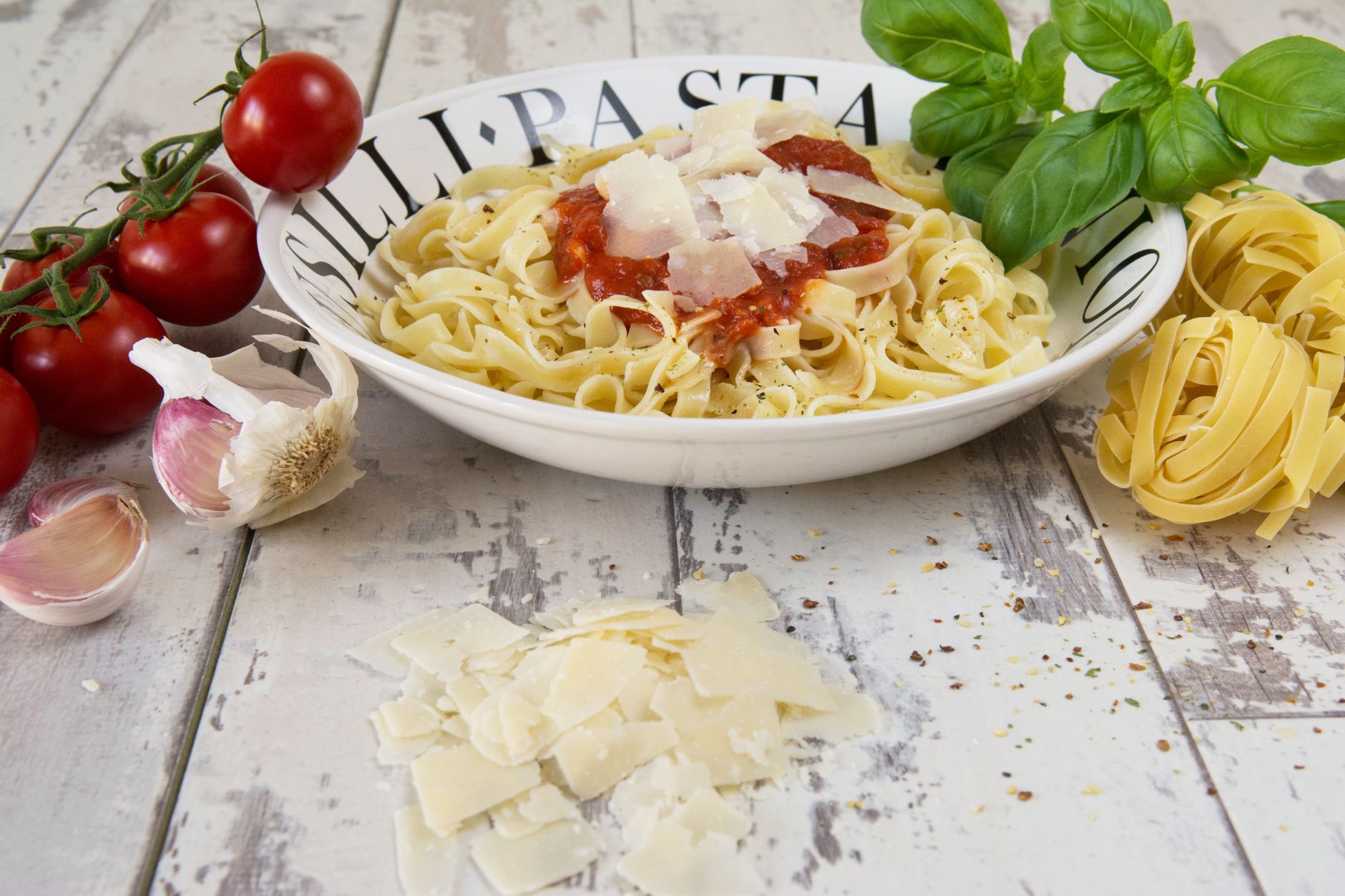
Copper cookware instantly elevates your kitchen with its bright, warm tones and excellent heat conduction. But keeping copper pots and pans looking sparkling clean takes a bit of effort. Without proper care, your copper cookware can develop tarnish, stains, or residues that dull its natural shine. Knowing how to clean copper cookware the right way makes all the differencehelping you maintain its beauty and cooking performance for years. Luckily, many effective methods use simple everyday ingredients you likely have in your kitchen already.
Why Proper Care Matters
Copper is prized for its superior heat conductivity, making it the go-to metal for precise cooking. Aside from performance, coppers rich, shiny look makes cookware a centerpiece in many kitchens. But copper is a reactive metal that tarnishes when exposed to air, moisture, and acidic ingredients. Over time, neglected copper can corrode or develop a greenish patina known as verdigris, which may be harmful if ingested.
Maintaining copper cookware properly not only preserves its aesthetic appeal but also keeps it safe for cooking. According to cookware specialists, tarnish buildup can interfere with heat distribution and cause uneven cooking. Plus, regular cleaning prevents lingering odors and food residues that could affect flavor. Halal-conscious home cooks should also note that copper cookware often comes with stainless steel or tin linings, so preserving the lining during cleaning ensures safe, hygienic use that fits a clean label kitchen.
Step-by-Step Guide to Clean Copper Pots
You have two main routes to clean copper cookware: natural homemade solutions or commercial copper polish products. Both methods work well when used carefully, but abrasive scrubbers or harsh chemicals must be avoided to protect the metal and any interior lining.
How to Clean Copper Cookware Using Kitchen Staples
Using common kitchen ingredients is not only budget-friendly but also eco-friendly and gentle on copper surfaces. The most popular home remedy combines lemon (or lime) and salt. Heres how to do it:
- Step 1: Cut a fresh lemon in half or squeeze fresh lemon juice into a bowl.
- Step 2: Sprinkle coarse salt onto the lemon cut side or mix salt with lemon juice to make a paste.
- Step 3: Rub the lemon and salt over the tarnished copper surface, applying moderate pressure in circular motions.
- Step 4: Let it sit for 5 minutes to break down the oxidation and stains.
- Step 5: Rinse thoroughly with warm water and dry immediately with a soft cloth to prevent water spots.
Another effective paste can be made from white vinegar and baking soda. Combine equal parts baking soda and vinegar to form a fizzing paste. Apply to the copper, leave for 10 minutes, then rinse and polish dry. This method is excellent for tougher tarnish but should be followed by immediate drying to avoid corrosion.

Can You Use Commercial Polishes Safely?
Commercial copper polishes are formulated for effective shine restoration and can save time, especially for heavily tarnished cookware. However, quality varies greatly, so choose products designed for cookware specifically to avoid harmful chemicals or residues. Polishes with natural ingredients like citric acid are preferable. Always read labels carefully for any harsh solvents or abrasives that might scratch or degrade your copper cookware.
Some trusted brands come recommended by cookware experts for balancing strength and safety. When in doubt, test a small, hidden area first and follow the manufacturers instructions strictly. Note that commercial polishes generally require less scrubbing but should be rinsed well afterward.
| Cleaner Type | Effectiveness | Cost | Safety for Copper | Environmental Impact |
|---|---|---|---|---|
| Lemon & Salt | High | Low | Safe | Eco-friendly |
| Vinegar & Baking Soda | Moderate | Low | Safe with care | Eco-friendly |
| Commercial Polish | Very High | Medium | Varies | Depends on formula |
Polishing Copper Cookware
Cleaning removes tarnish and buildup, but polishing adds protective shine and clarity for that mirror finish. Polishing also smooths minor surface scratches and seals the copper to slow down future oxidation.
Best Techniques to Polish Copper Cookware
Use a soft microfiber or cotton cloth to apply natural polishes like a commercial copper cream or a homemade paste of flour, salt, and vinegar. Work in small sections with circular motions, gently buffing the surface until it shines. Avoid abrasive pads that might scratch delicate surfaces.
For regular users, polishing every 3 to 6 months balances maintenance without adding wear. Frequent polishing for everyday cookware may strip protective coatings, so know your cookwares finish and adjust accordingly.

Troubleshooting Polishing Issues
If your copper cookware stays dull after polishing, it could be due to stubborn oxidation requiring deeper cleaning first. Avoid excessive polishing that damages the metal or liningyellowish or green spots may indicate corrosive damage beyond home repair. At this point, professional restoration or replacing the cookware could be safer.
Ongoing Copper Cookware Care
Keeping copper cookware shiny and functional requires gentle daily care. Simple habits prevent tarnish buildup:
- Hand wash copper cookware promptly with mild detergent and warm water. Avoid dishwashers which can accelerate tarnish and damage.
- Dry thoroughly with a soft towel immediately after washing.
- Store copper pots in dry, ventilated areas; avoid stacking or scratching surfaces.
- Use wooden or silicone utensils to protect copper linings and prevent scratches.
Protecting Copper Cookwares Interior
Many copper pots have stainless steel or tin linings for safe cooking and Halal compliance. Clean interiors gently with non-abrasive sponges and mild soap. Avoid acidic or abrasive cleaners inside that could erode the lining or react with food. Regularly inspect the lining for wear or damage to ensure continued safe use.
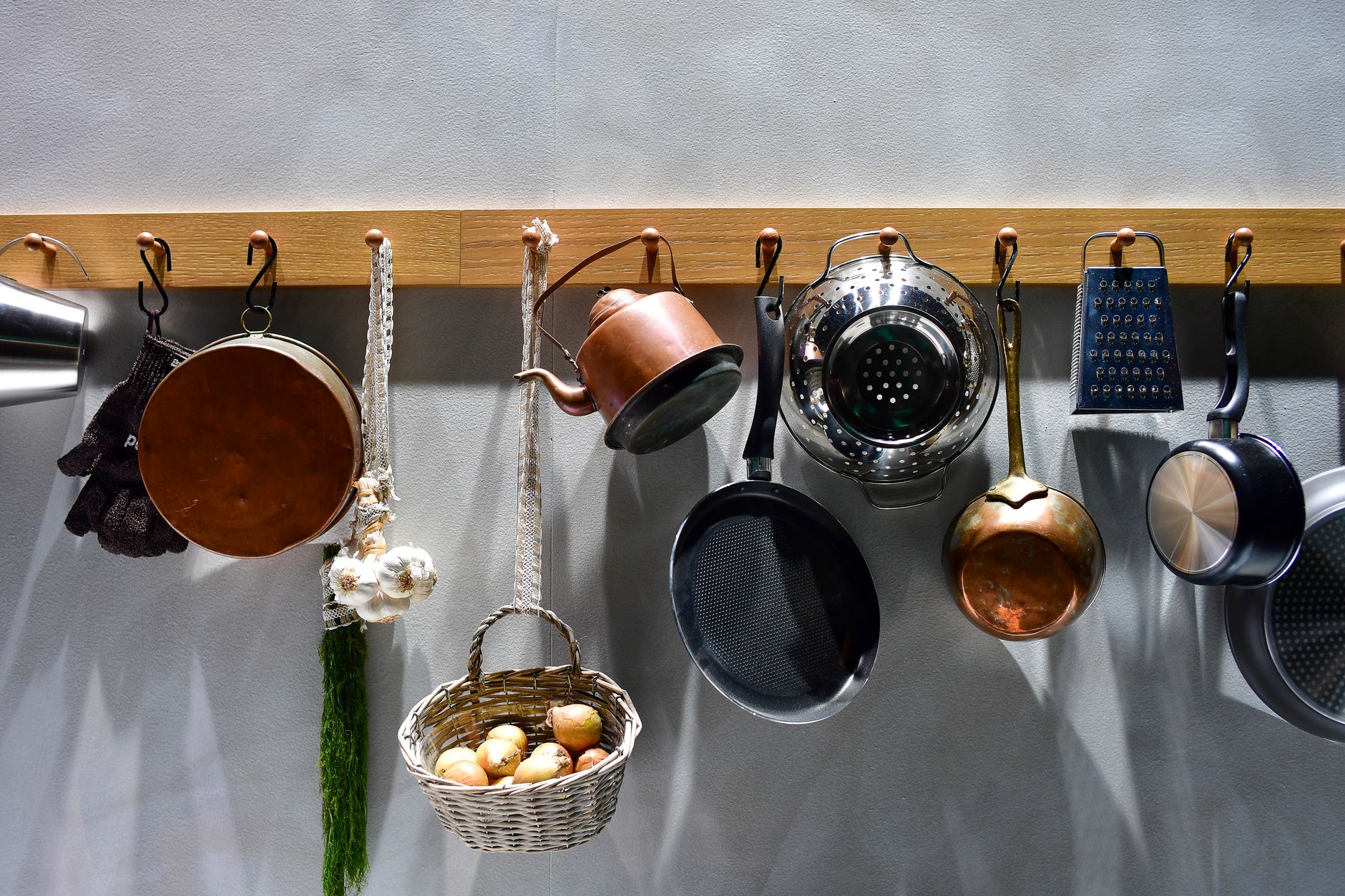
If you enjoy exploring quality groceries to pair with your cookware, be sure to check out Walmart groceries for a trusted selection that fits your halal and health-conscious preferences. For seasoning ideas, understanding the nuances between Black vs white pepper can elevate your dishes cooked in copper cookware.
Is clean copper cookware actually Halal what should I check?
Copper itself is a natural metal and poses no Halal concerns. However, Halal certification usually concerns food contact surfaces inside the cookware. Many copper pots have stainless steel or tin linings that must be certified free from prohibited substances. Look for certification bodies like JAKIM, HMC, or IFANCA on labels or product descriptions to ensure compliance with Halal food preparation standards.
When is the best time to clean copper cookware?
Cleaning copper cookware immediately after use is best. Removing food residues and moisture prevents tarnishing and staining. For polishing, a routine every 36 months helps maintain shine without overdoing it.
Can I put copper cookware in the dishwasher?
No. Dishwashers often contain harsh detergents and high heat cycles that cause copper to discolor, tarnish, or corrode. Hand wash with mild soap and warm water instead.
Does tarnish on copper cookware affect cooking?
Tarnish mostly affects appearance, but heavy buildup can interfere with heat distribution. Greenish verdigris deposits are toxic if ingested, so regular cleaning is important for safety and performance.
What household items should I avoid for cleaning copper?
Abrasion tools like steel wool, scouring pads, or harsh chemical cleaners can scratch or damage copper surfaces. Avoid bleach or ammonia products which can corrode metal.
Can I use lemon juice on lined copper cookware?
Use lemon juice carefully only on the copper exterior. Avoid acidic cleaners on the interior lining, especially tin, which is delicate and prone to damage.
How often should I polish copper cookware?
Polishing every 3 to 6 months is ideal for most cookware, depending on usage and storage. Over-polishing can wear protective coatings and lining, so less frequent is often better.
What is the most common mistake cleaning copper cookware?
Using abrasive scrubbers or acidic cleaners on the lined interior is the biggest mistake. Many forget to dry thoroughly, which speeds tarnishing. Patience and gentle methods yield the best results.
More You Might Like
Discover the differences between Black vs white pepper to season your copper-cooked meals with subtlety and flair. Also, explore the latest Walmart groceries selections that cater to halal diets and clean ingredients.
Conclusion
Knowing how to clean copper cookware well keeps your kitchenware gleaming and your cooking safe. Simple household ingredients like lemon and salt offer effective, budget-friendly ways to remove tarnish, while periodic polishing enhances coppers natural shine. Maintaining both the exterior and interior preserves function and Halal standards. Next time you reach for your copper pots, try these easy care tips and enjoy bright, beautiful cookware for years. Share your own copper care tips or questions in the comments below!
FAQs
Is clean copper cookware actually Halal — what should I check on the label?
Copper itself is naturally Halal, but you should verify the lining inside the cookware, often stainless steel or tin, has Halal certification. Look for seals from certification bodies like JAKIM, HMC, or IFANCA to ensure compliance with Halal food preparation standards.
When is the best time to clean copper cookware?
The ideal time to clean copper cookware is immediately after use to prevent tarnish and food residue buildup. For polishing, every 3 to 6 months helps maintain shine without damaging the surface or lining.
Can I put copper cookware in the dishwasher?
No, dishwashers can cause copper to tarnish, discolor, or corrode due to harsh detergents and heat. It’s best to hand wash copper cookware with mild soap and warm water, then dry it immediately.
Does tarnish on copper cookware affect cooking performance?
Tarnish mainly affects appearance but heavy buildup can reduce heat distribution efficiency. Greenish verdigris deposits are toxic if ingested, so regular cleaning is important for safety and consistent cooking results.
What household items should I avoid when cleaning copper cookware?
Avoid abrasive scrubbers like steel wool, scouring pads, and harsh chemicals such as bleach or ammonia. These can scratch or corrode copper surfaces and damage the interior lining, reducing cookware lifespan.