Rosh Hashanah brings family and friends together around a table filled with symbolic foods that express hope for a sweet new year. If you want to serve something memorable without spending days in the kitchen, a Rosh Hashanah food board offers a beautiful, practical solution. It combines tradition with modern presentation, letting guests graze on apples, honey, pomegranates, challah, and other holiday favorites in one stunning spread. This guide walks you through every step, from selecting ingredients to arranging them with care.

What Is a Rosh Hashanah Food Board
A Rosh Hashanah food board is a single large platter or wooden board that holds a curated selection of symbolic foods served during the Jewish New Year. Think of it as a grazing board with a holiday twist. Instead of random snacks, every item carries meaning apples dipped in honey for sweetness, pomegranates for abundance, round challah for the cycle of life, and dates for hope. The board becomes both a meal and a conversation piece, allowing guests to sample traditions at their own pace.
Why Choose a Food Board for Rosh Hashanah
Rosh Hashanah food board setups save you from juggling multiple platters and bowls during a busy holiday meal. You prep everything in one go, arrange it once, and let people serve themselves. This style works especially well for large gatherings where dietary preferences vary. Guests can pick what appeals to them sweet, savory, or both without feeling pressured to eat everything on a plate. It also keeps the table looking vibrant and intentional, which adds to the festive atmosphere.
How Does a Food Board Capture Rosh Hashanah Symbolism
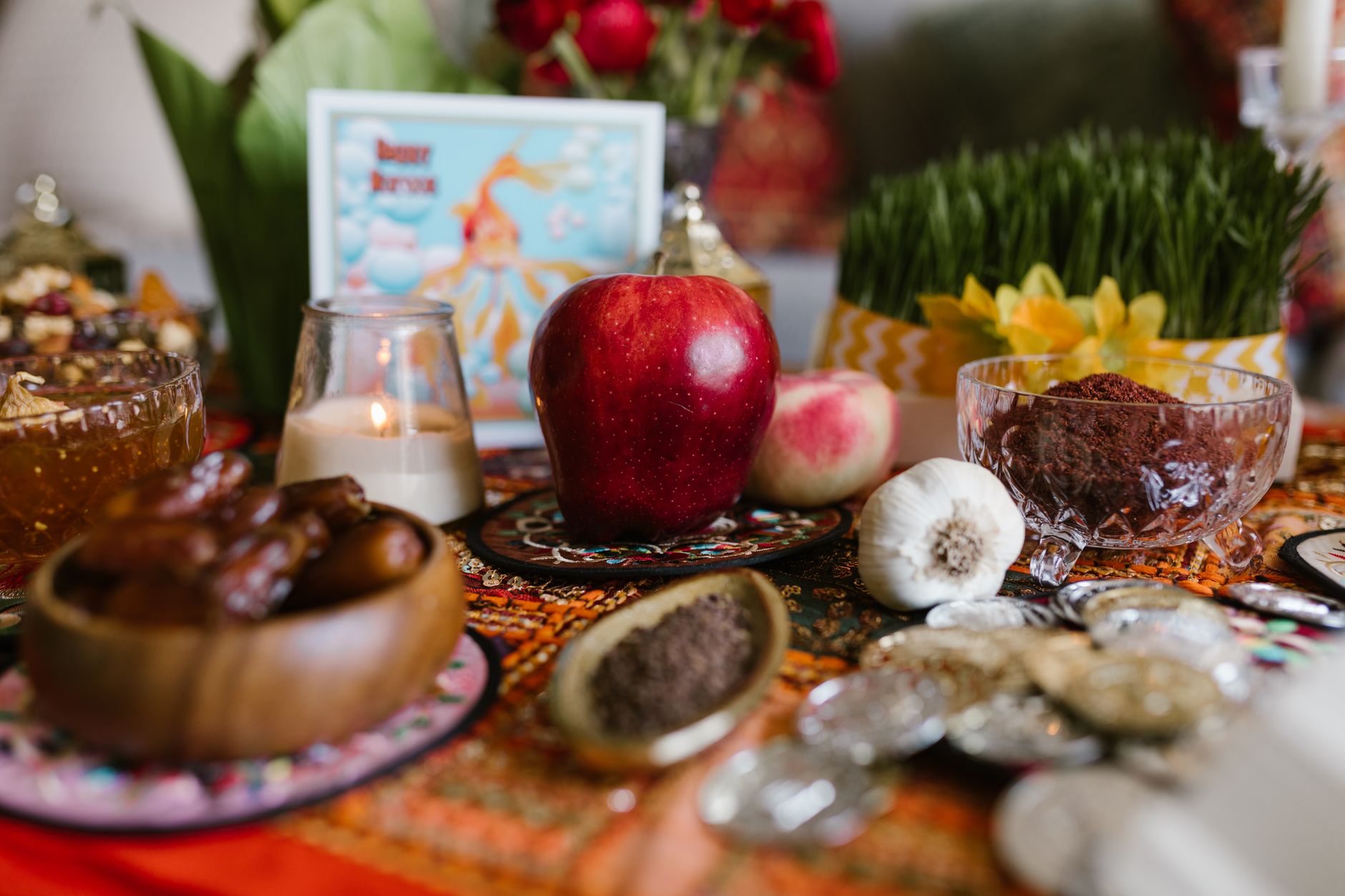
Each food on the board carries a specific blessing or wish for the new year. Apples and honey represent a sweet year ahead. Pomegranates, with their many seeds, symbolize good deeds as numerous as the seeds. Round challah suggests continuity and the cycle of life. Dates, figs, and carrots each carry their own traditional meanings. By grouping these foods together on a single board, you honor centuries of custom while making it easy for everyone to participate in the symbolic eating ritual known as the seder.
Key Components of a Rosh Hashanah Food Board
Building a balanced board means choosing foods that cover both tradition and practicality. You want enough variety to satisfy different tastes, but not so many items that the board feels cluttered. Focus on quality over quantity.
Core Symbolic Rosh Hashanah Foods to Include
Start with the essentials. Apples and honey sit at the heart of any Rosh Hashanah spread. Choose firm, sweet apple varieties such as Honeycrisp or Fuji. Place a small bowl of raw honey nearby for dipping. Add a generous handful of pomegranate seeds or a whole pomegranate cut into wedges. Include slices of round challah, either homemade or from a trusted bakery. Smoked salmon or whitefish adds a savory element that balances the sweetness. Dates, dried figs, and roasted nuts round out the selection with chewy texture and earthy flavor. Carrot sticks or roasted carrot slices bring color and crunch while nodding to the Yiddish tradition of tzimmes.
Tips for Selecting Fresh, Authentic Ingredients
Shop for produce that feels heavy for its size and shows no soft spots. Apples should be firm and fragrant. Pomegranates should feel dense and have a deep red color. For challah, look for a braided loaf with a golden-brown crust and a soft interior. If you follow halal dietary guidelines, verify that any smoked fish or prepared meats carry a recognized halal certification seal such as JAKIM, IFANCA, or HMC. Avoid pre-sliced fruit that has been sitting out cut your own for the best texture and appearance.
Add-Ons to Elevate Your Board
Once the core items are in place, consider extras that enhance flavor and visual appeal. A bowl of hummus drizzled with olive oil and za‘atar pairs well with challah or vegetable crudits. Honey butter or date syrup adds another layer of sweetness. Soft cheese such as mascarpone or a mild goat cheese complements the fruit without overwhelming it. Fresh herbs like mint or rosemary make the board look lush and smell inviting. Keep additions halal-friendly by checking cheese labels for non-animal rennet and avoiding any alcohol-based flavorings.
The Best Ways to Display a Rosh Hashanah Food Board
Arrangement matters as much as ingredient selection. A well-organized board invites people to explore. A messy one overwhelms them. Take time to plan the layout before you place anything down.
Choosing the Right Board or Platter
A wooden board about 18 to 24 inches long gives you enough surface area for a crowd of 8 to 10 people. Slate boards offer a sleek, modern look, while ceramic platters add color and pattern. If you do not own a large board, use a clean baking sheet lined with parchment paper rustic and practical. Make sure the board sits flat and stable on your table. Avoid boards with deep cracks or rough surfaces that could trap food particles.
Design Tips for Visual Appeal and Ease of Eating
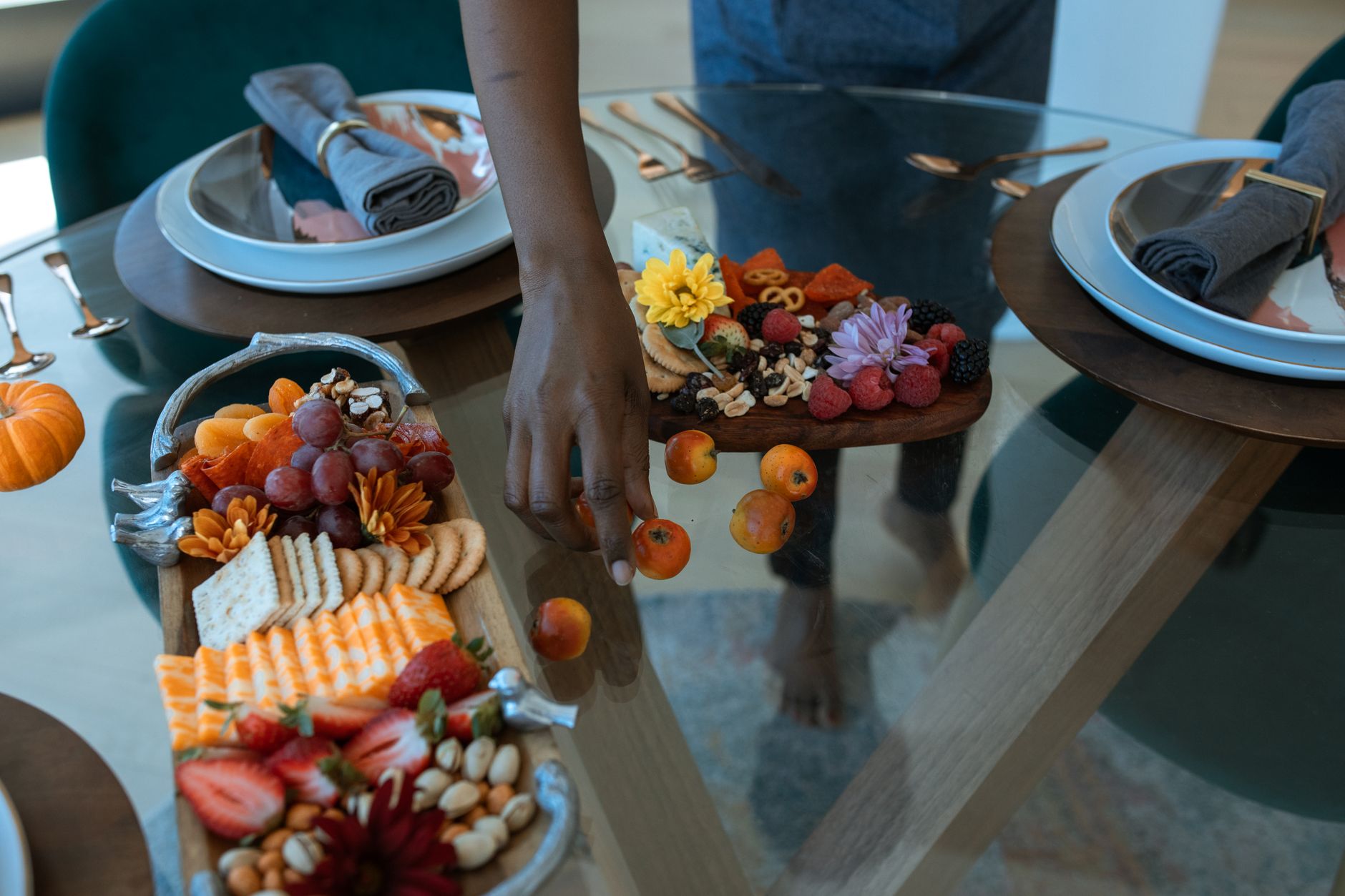
Place the largest items first bowls of honey, hummus, or date syrup and arrange them in a loose triangle across the board. Fill the spaces between bowls with sliced apples, challah pieces, and clusters of nuts or seeds. Keep similar colors separated so the board looks varied. For example, put green apple slices away from the pomegranate seeds so the red and green pop. Label symbolic foods with small cards if guests are unfamiliar with the traditions. This small touch adds warmth and helps everyone feel included.
Step-by-Step Layout Example
Start by placing the honey bowl at the center left. Set the challah slices in a fan pattern to the right of the honey. Arrange apple slices in a curved line below the challah. Place the pomegranate seeds in a small bowl at the bottom right. Scatter dates and figs along the top edge. Tuck small clusters of almonds and walnuts into any gaps. Lay smoked salmon slices in a rosette on the left side. Fill remaining space with carrot sticks and fresh mint leaves.
Tips for Assembling a Rosh Hashanah Food Board
Assembly requires planning ahead so everything stays fresh and looks its best when guests arrive. Follow these practical steps to avoid last-minute stress.
Timing and Preparation
Wash and dry all produce the night before. Slice apples and carrots no more than two hours before serving. Toss apple slices in a mixture of one tablespoon lemon juice and one cup water to prevent browning. Arrange the board 30 minutes before guests arrive, then cover it loosely with damp paper towels and refrigerate. Remove the board 15 minutes before serving to let ingredients come to room temperature. Smoked fish and soft cheese taste better when not ice-cold.
Balancing Symbolism with Taste and Dietary Needs
Not everyone at your table may follow the same dietary rules. Offer a separate bowl of honey for those who avoid refined sugar. Include gluten-free crackers or rice cakes alongside challah for guests with gluten sensitivity. Keep meat and dairy separate if you are serving a kosher-style meal. Label the board clearly so guests know which items fit their needs. This approach respects individual preferences without compromising the symbolic meaning of the spread.
Possible Variations on a Rosh Hashanah Food Board
Feel free to adapt the board to your family‘s traditions or the preferences of your guests. Variation keeps the holiday fresh and allows you to experiment with new flavors each year.
Regional or Family Traditions
Sephardic families often include leeks, chard, and pumpkin on their Rosh Hashanah table, each with its own blessing. Ashkenazi households might add gefilte fish or chopped liver. You can incorporate these items into your board as small bowls or separate sections. The key is to maintain the balance of sweet and savory while honoring your heritage. If your family has a unique dish that symbolizes good fortune, add it proudly.
Theme-Based Rosh Hashanah Boards
A sweet-themed board focuses on honey, dried fruits, dark chocolate, and date-based desserts. A savory board highlights smoked fish, olives, pickled vegetables, and herb-infused cheeses. A harvest board features roasted seasonal vegetables, nuts, and grain-based salads. Choose a theme that matches your menu for the rest of the meal. If you are serving a heavy main course, keep the board light. If the board is the main event, make it more substantial with proteins and grains.
Other Ways of Incorporating Symbolic Foods into Rosh Hashanah Celebrations
Beyond the board itself, you can use symbolic foods in other dishes and activities throughout the holiday.
Quick Rosh Hashanah Recipes Using Symbolic Foods
Apple honey cake stays moist for days and makes a great dessert alongside the board. Pomegranate salad with arugula, walnuts, and a lemon vinaigrette adds brightness to the meal. Carrot tzimmes with brown sugar and orange juice warms the table with its sweet aroma. These recipes use ingredients already on your board, reducing waste and prep time. For a grab-and-go option, try Swift prepared foods that offer halal-certified protein options you can add to the board without extra cooking.
Creative Serving Ideas for Kids and Guests
Set up a small DIY station where kids can dip apple slices into honey and sprinkle them with crushed nuts or sesame seeds. Provide mini skewers for threading dates, cheese cubes, and apple chunks. This hands-on approach keeps younger guests engaged and introduces them to holiday traditions in a playful way. For adult guests, offer a small tasting card that explains the meaning behind each food. This turns the board into an interactive experience rather than just a display.
Recipe Card
| Prep time | Cook time | Total time | Servings | Calories per serving | Diet tags |
| 30 minutes | 0 minutes | 30 minutes | 8 to 10 | 340 kcal | Halal, Nut-free option, Dairy-free option |
Storage Tips
Store leftover items separately to maintain texture and flavor. Apple slices last 1 to 2 days in an airtight container in the refrigerator if tossed with lemon juice. Pomegranate seeds keep for 5 to 7 days in a sealed container. Challah stays fresh for 2 to 3 days wrapped in foil at room temperature. Smoked fish should be eaten within 3 days of opening. Do not store assembled boards take them apart and wrap each component individually.
Pro Tips for Building Your Board
The most common mistake people make when building a Rosh Hashanah food board is overcrowding. Too many items create a chaotic look and make it hard for guests to reach what they want. Leave about 10 percent of the board surface empty to give the arrangement breathing room. Cheap versions of this board often rely on pre-packaged fruit trays and mass-produced challah. Upgrade your board by sourcing artisan challah from a local bakery and selecting in-season fruit at peak ripeness. For an expert touch, drizzle a small amount of warmed honey over the pomegranate seeds just before serving. This adds shine and a subtle flavor boost that ties the board together.
When Is the Best Time to Serve a Rosh Hashanah Food Board
Serve the board as a first course before the main meal, or offer it as the centerpiece for a casual lunch gathering. It works best when guests are arriving and settling in, allowing them to snack while conversations flow. If you are serving a full dinner, put the board out 45 to 60 minutes before the meal starts. This gives people time to enjoy the symbolic foods without filling up completely. For a dessert-only gathering, the board can replace a traditional cake platter.
How Do I Keep Apple Slices from Turning Brown on the Board
Slice apples just before serving and dip them in a mixture of one cup cold water and one tablespoon lemon juice. Let them drain on a paper towel for two minutes before placing them on the board. This simple treatment keeps slices bright for up to three hours. Avoid using salt water, which can alter the flavor. If you prefer a neutral taste, use a commercial fruit freshener containing ascorbic acid instead of lemon juice.
Can I Make This Board Gluten-Free
Yes. Replace challah with gluten-free bread slices, rice crackers, or seed-based flatbreads. Ensure any crackers or breads carry a certified gluten-free label if you are serving guests with celiac disease. All fruits, vegetables, nuts, and smoked fish are naturally gluten-free. Check the labels on hummus and cheese to confirm no gluten-containing additives are present. The rest of the board remains unchanged, so guests with gluten sensitivity can still enjoy the full experience.
What Halal Certifications Should I Look for on Smoked Fish
Look for certification logos from JAKIM (Malaysia), IFANCA (USA), HMC (UK), or the Halal Food Authority (HFA). These organizations verify that the fish is processed according to halal standards, including the absence of alcohol-based smoke flavorings and non-halal additives. Some smoked fish products use gelatin-based glazes that may not be halal. Read the ingredient list carefully. When in doubt, contact the manufacturer directly or choose whole smoked fish from a trusted halal market.
How Many People Does One Board Serve
A board measuring 18 by 12 inches serves 8 to 10 people as a starter. If the board is the main dish, plan for 6 to 8 people using the same size board. For larger groups, build two boards with different themes one sweet and one savory. Place them on separate tables to avoid crowding. Always prepare a little extra of the most popular items, especially honey and challah, which tend to run out first.
Can I Prepare the Board the Night Before
You can prep individual components the night before, but do not assemble the board. Wash and cut vegetables, portion out nuts and dried fruit, and store each item in a separate sealed container in the refrigerator. Slice apples and pomegranates the morning of your event. Assemble the board no more than two hours before serving. If you assemble it the night before, the bread will dry out, the apples will oxidize, and the overall freshness will suffer.
What Is the Best Honey to Use for a Rosh Hashanah Food Board
Choose a mild, runny honey such as clover or orange blossom. These varieties complement the apples without overpowering them. Stronger honey like buckwheat can taste too intense alongside other symbolic foods. Raw honey offers more floral notes and a cleaner label. If you prefer a thicker texture, warm the honey slightly in a bowl of hot water before serving. Avoid creamed honey, which is too stiff for dipping.
More You Might Like
If you enjoyed building this board, you might like our guide to Sushi hand roll techniques, a fun and interactive way to serve a crowd with halal-friendly ingredients. For busy hosts, Swift prepared foods provide convenient, certified options that fit seamlessly into holiday spreads without sacrificing quality.
Conclusion
Building a Rosh Hashanah food board brings together tradition, flavor, and presentation in a way that feels both meaningful and relaxed. You can adapt it to your family‘s customs, dietary needs, and personal taste. Next time you prepare for the holiday, try assembling a board instead of a formal plated meal. Your guests will appreciate the beauty, the symbolism, and the ease of grazing together. Leave a comment below with your favorite board combination, and share this guide with someone who loves hosting as much as you do.
FAQs
When is the best time to eat or drink Rosh Hashanah food board?
Serve the board as a first course before the main meal, or as a centerpiece for a casual lunch. Put it out 45–60 minutes before dinner so guests can snack and enjoy symbolic foods without filling up. It also works well as a dessert gathering replacement.
How long can I store leftover components of a Rosh Hashanah food board?
Apple slices last 1–2 days refrigerated in an airtight container with lemon juice. Pomegranate seeds keep 5–7 days sealed. Challah stays fresh 2–3 days wrapped at room temperature. Smoked fish should be eaten within 3 days of opening. Always store each item separately.
What is the difference between a Rosh Hashanah food board and a traditional holiday platter?
A food board combines all symbolic foods on one large surface, allowing guests to graze freely. Traditional platters often serve each item separately. The board creates a communal, interactive experience and saves you from juggling multiple bowls. It also makes the symbolism more visible and accessible.
Is it safe to leave a Rosh Hashanah food board out during the meal?
Yes, for up to 2 hours at room temperature. After that, refrigerate perishable items like smoked fish, soft cheese, and hummus. Keep the board in a cool spot away from direct sunlight. If serving outdoors, place it in the shade or use a chilled serving tray for safety.
Where can I buy halal-certified ingredients for a Rosh Hashanah food board?
Look for halal logos from JAKIM, IFANCA, HMC, or HFA on smoked fish and prepared meats. For challah, check local halal bakeries or kosher-style bakeries that use halal-certified ingredients. Fresh produce and nuts are naturally halal. Swift prepared foods offer halal-certified protein options convenient for your board.