Choosing the perfect cheese for burgers can change your whole meal experience. Whether you prefer the creamy melt of American cheese or the sharper tang of cheddar, knowing their differences helps you pick the right one. This guide unpacks the taste, meltability, nutrition, and cost factors, so your next burger is exactly how you want it.
Taste and Flavor
What does American cheese taste like on a burger?
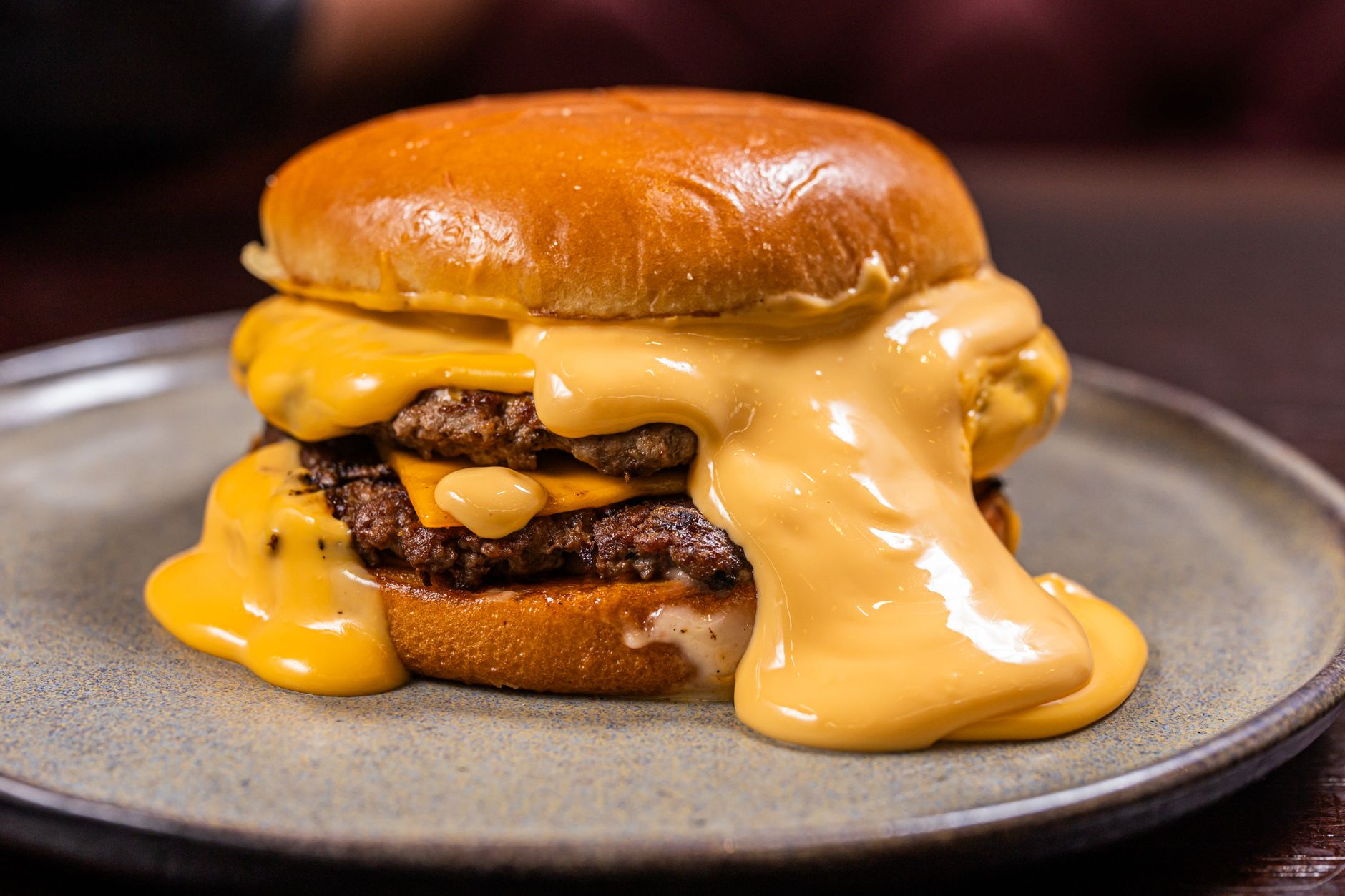
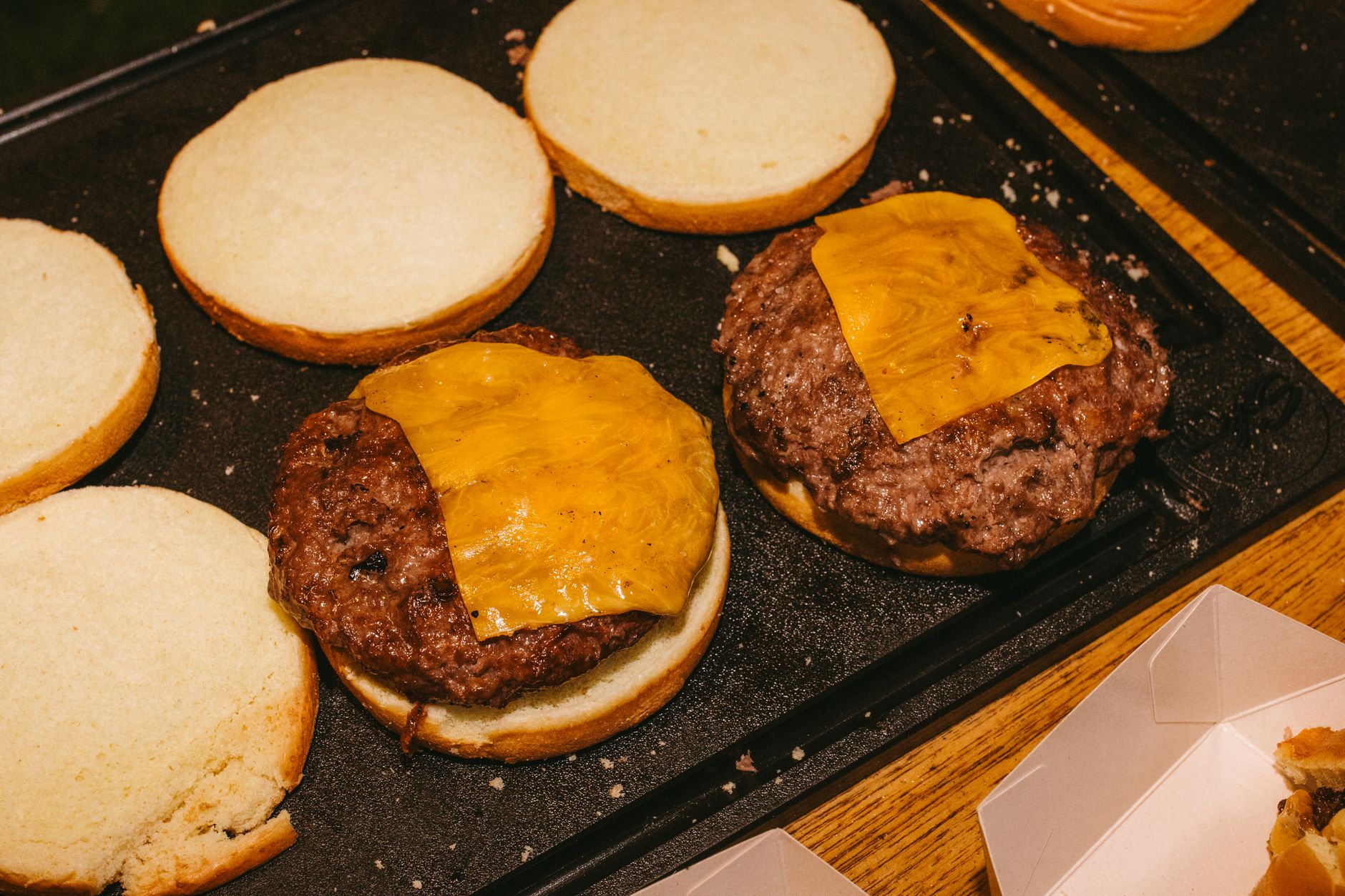
American cheese offers a mild, creamy flavor that complements the juicy beef patty without overpowering it. Its velvety texture melts quickly, creating that iconic gooey layer many associate with classic burgers. The taste is smooth and slightly salty, designed to deliver comfort and familiarity with every bite.
How does cheddar cheese flavor differ on burgers?
Cheddar cheese brings a sharper, bolder flavor to your burger. Depending on its age, cheddar varies from mild and creamy to rich and tangy with a pronounced bite. Aged cheddars add nutty, complex notes, while mild cheddar holds a softer, buttery profile. This cheese contrasts nicely with the savory meat, giving your burger more character.
Comparison Table: American vs Cheddar Flavor Profiles
| Characteristic | American Cheese | Cheddar Cheese |
|---|---|---|
| Meltability | Very high, smooth and creamy | Moderate to high, can be crumbly when cold |
| Sharpness | Mild, subtle | Ranges from mild to sharp, depending on age |
| Creaminess | High, velvety texture | Medium, slightly firmer |
| Flavor Impact | Enhances meatiness without competing | Adds tang and depth to the flavor |
Meltability and Texture
What makes melty burger cheese so important?
The way cheese melts on a burger affects both taste and texture. A perfectly melted cheese binds the ingredients, adding a creamy richness that balances the pattys juiciness. It also enhances mouthfeel, making each bite smooth and indulgent rather than dry or crumbly.
Does American cheese melt better than cheddar?
Yes, American cheese usually melts better due to its higher moisture and fat content plus emulsifiers. It achieves a gooey consistency quickly without separating. Cheddar, especially aged types, melts more slowly and can become oily or grainy if overheated. However, younger cheddar varieties melt more evenly if handled correctly.
Tips & Tricks: How to melt cheddar cheese perfectly on your burger
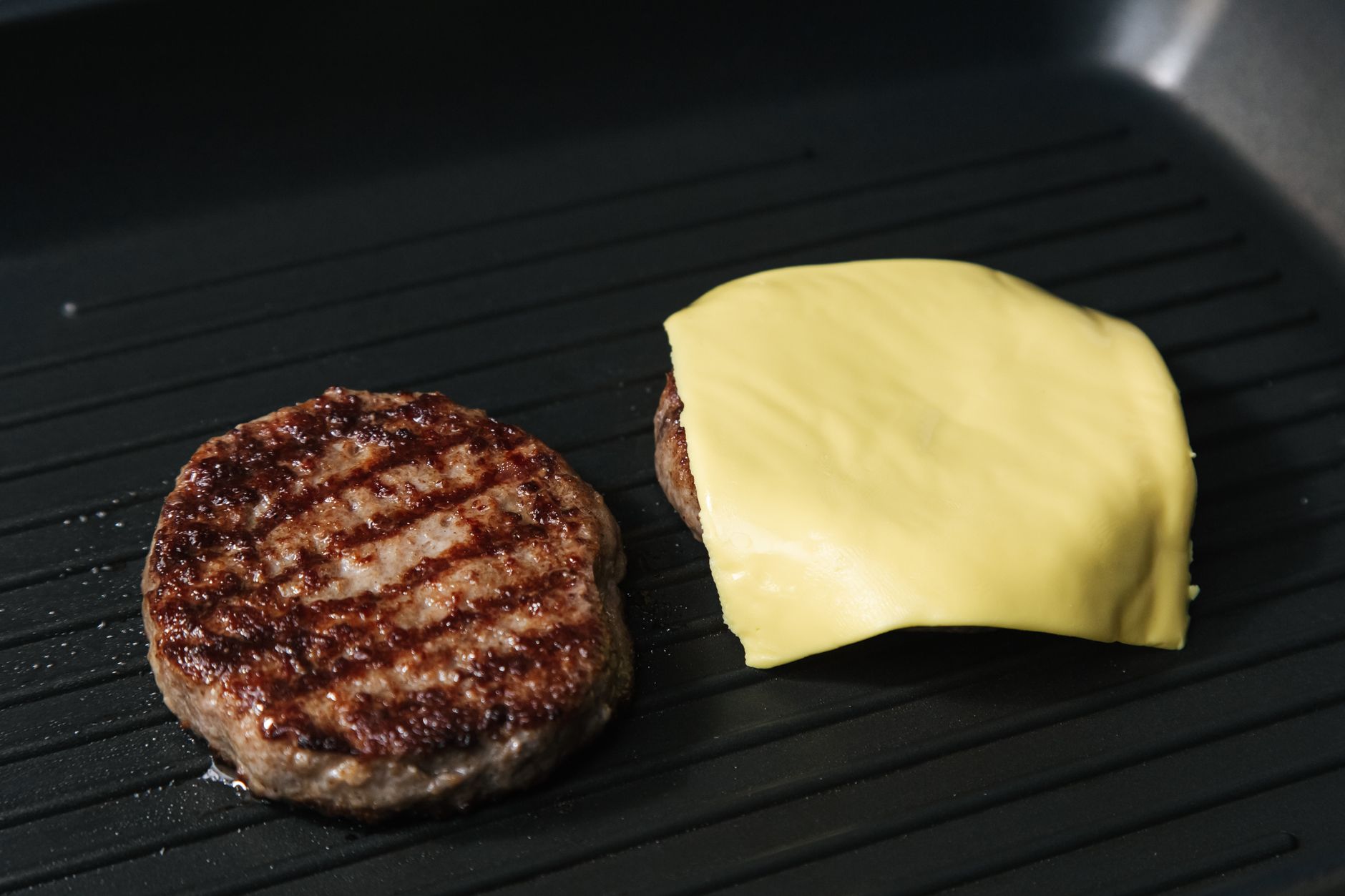
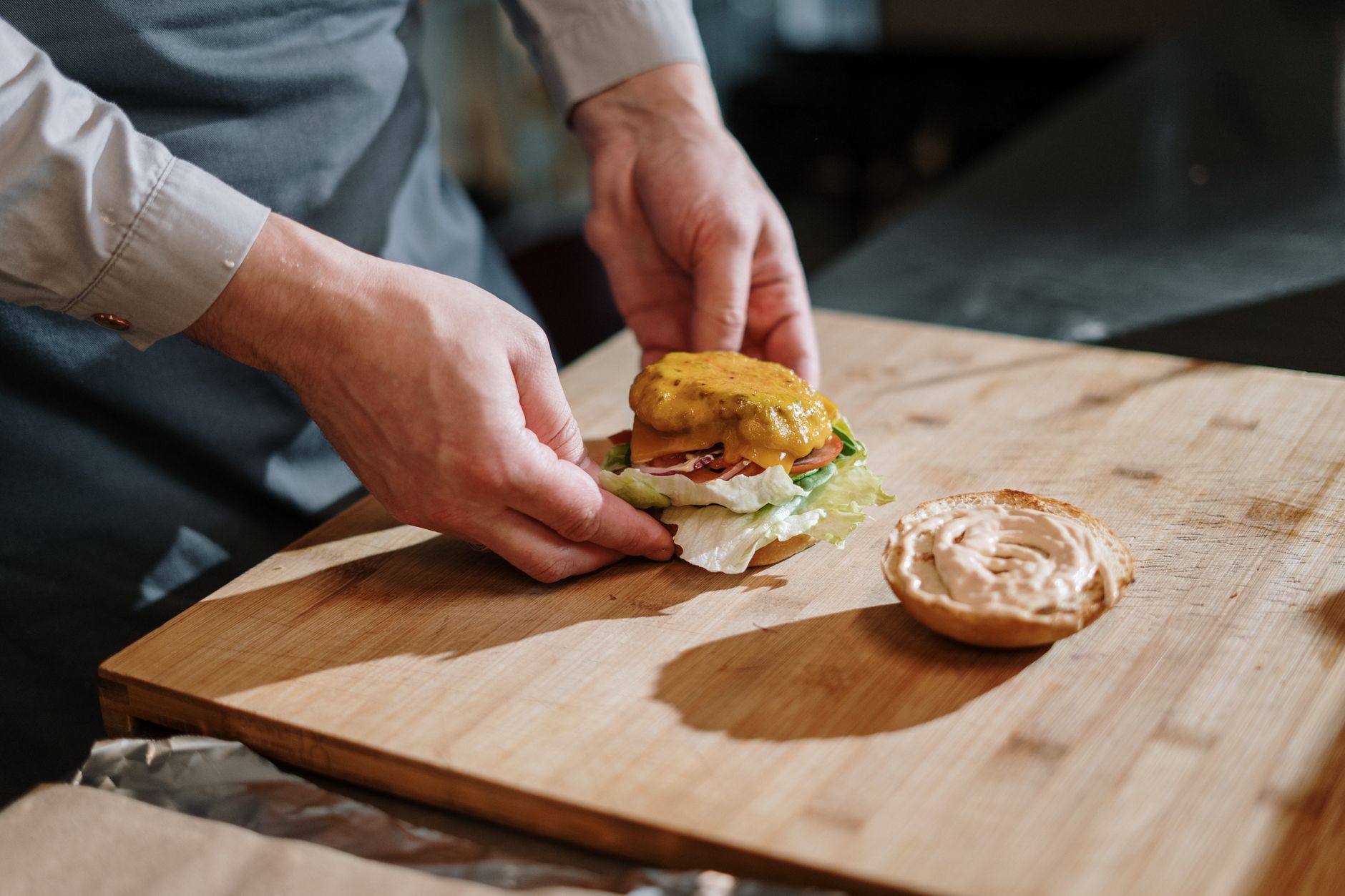
- Place sliced cheddar on the patty during the last 12 minutes of cooking on medium-low heat.
- Cover the pan or grill briefly to trap heat and aid melting.
- Use mild or medium cheddar for smoother melt; avoid extra sharp for best texture.
- Consider grating cheddar to melt faster and more evenly.
Nutrition and Cost
Which cheese is healthier: American or cheddar?
Cheddar is generally healthier than American cheese due to fewer processing ingredients. According to the USDA FoodData Central, a 28g serving of cheddar contains about 115 calories and 9.4g of fat, mostly saturated, with around 180mg sodium. American cheese slices can have similar calories but often contain added emulsifiers, preservatives, and higher sodium levelstypically about 420mg per slice.
Choose cheeses with simple ingredient lists and Halal certification logos like JAKIM or HMC to ensure quality and compliance for Halal diets. Natural cheddar tends to be a cleaner label option than processed American cheese.
Is American cheese more affordable than cheddar?
American cheese is generally more affordable and widely available. Its processed nature allows for longer shelf life and easier mass production. Cheddar, depending on aging and brand, can cost more, especially specialty or organic varieties. For daily cooking, budget-friendly cheddar blocks or shredded versions balance cost without sacrificing flavor.
| Certification | Price Range | Common Formats | Shelf Life | Key Allergens |
|---|---|---|---|---|
| JAKIM, HMC, IFANCA (look for halal logo) | American: $2$4 per pack Cheddar: $3$8 per block | Slices, blocks, shredded | American: 34 weeks unopened Cheddar: up to 6 months unopened | Milk (Dairy) |
Cheese for Burger Style
Which cheese is best for a classic American cheeseburger?
American cheese remains king for classic cheeseburgers. Its mild flavor and exceptional meltability create that nostalgia-inducing gooey texture between toasted buns. It complements the beef without stealing the spotlight, making it a reliable choice for traditional styles.
When should you use cheddar cheese on burgers?
Choose cheddar when you want a burger with more flavor punch. It pairs well with bold toppings like caramelized onions, smoky bacon, or spicy sauces. Use aged cheddar for gourmet-style burgers or mild and medium cheddar for everyday meals. Cheddar elevates the taste profile while maintaining a balanced cheese-to-beef ratio.
Bonus: Other great cheese options for burgers to try beyond American and cheddar
- Swiss: Mild and nutty, melts smoothly, ideal for mushroom or bacon burgers.
- Pepper Jack: Spicy and creamy, perfect for adding heat.
- Provolone: Smooth and mellow with great meltability, great for Italian-style burgers.
Chef Tips and Real Experience
Expert insights on cheese pairs from burger chefs
Many burger chefs emphasize the importance of balancing melt and flavor. According to Chef Aiden Mahmood, American cheese melts the best for classic burgers because it binds the ingredients with creamy texture. But cheddar introduces layers of flavor that can make a burger memorable if melted right.
Personal stories: When swapping cheeses changed the burger game
Home cook Sarah shares, I always went for American cheese it was easy and reliable. One day, I switched to aged cheddar, and suddenly the burger tasted richer and more satisfying. It encouraged me to experiment with toppings, even pairing with homemade smoky barbecue sauce.
Is cheese for burgers actually Halal what should I check?
Many processed cheeses contain animal-derived enzymes or additives that might not be Halal. To confirm, look for certification logos from JAKIM, HMC, or IFANCA on the packaging. Check ingredient labels carefully for rennet or emulsifier sources. Many brands produce Halal-certified American and cheddar cheeses suitable for your burger.
When is the best time to eat cheese for burgers?
Cheese is freshest and tastes best when melted onto a hot burger patty just before serving. The cheese should be warm and gooey but not burnt or overly oily. For optimal flavor, eat burgers promptly after assembly to enjoy the ideal texture and temperature balance.
How to store cheese for burgers properly?
Keep unopened cheese in the refrigerator between 14C. Once opened, store in an airtight container or wrap tightly in wax paper and plastic wrap. American cheese lasts about 34 weeks, cheddar 57 weeks after opening. Avoid freezing to preserve texture.
Can I use lactose-free cheese for burgers?
Yes, lactose-free cheese options are available and suitable for burgers if you prefer a dairy alternative due to lactose intolerance. Look for lactose-free cheddar or American cheese labeled as such, often certified Halal as well.
What cheese melts fastest on burgers?
American cheese melts the fastest due to emulsifiers and higher moisture levels. Processed cheese slices can melt in under a minute on a medium-hot patty, creating a smooth blanket that coats the meat evenly.
Are natural and processed cheese different for burgers?
Yes. Natural cheeses like cheddar are made with fewer additives and have complex flavors, whereas processed cheeses like American contain emulsifiers and stabilizers designed to melt uniformly. Processed cheese often provides more reliable melt quality but less distinct taste.
Pro Tips for Choosing Cheese
- Most overlooked mistake: Many buyers neglect the cheeses meltability, choosing strong-flavored options that fail to melt well, resulting in a dry burger bite.
- Why cheap cheese disappoints: Lower-quality processed cheeses may contain fillers or excessive salt, impacting flavor and health.
- Expert tip: Always look for Halal-certified cheese to ensure compliance. Check precise names on labels and confirm no animal rennet unless Halal approved.
More You Might Like
- Want to add richer creaminess to your burger sauces or dips? Learn how to Make sour cream effortlessly at home.
- Understanding dairy nutrition is essential for healthy choices. Check out this detailed Milk nutrition label guide to read key facts.
Conclusion
American cheese remains the trusted choice for that classic melty burger experience, while cheddar offers a richer, sharper flavor to elevate your meal. Knowing what each cheese brings lets you tailor your burger perfectly. Next time you shop, check the label carefully and experiment with both types to find your best cheese for burgers. Share your creations and tips to keep the burger passion alive.
FAQs
Is cheese for burgers actually Halal — what should I check on the label?
Many processed cheeses may contain non-Halal animal enzymes or additives. Always look for Halal certification logos such as JAKIM, HMC, or IFANCA on the packaging. Check ingredient lists for the source of rennet or emulsifiers to confirm compliance with Halal standards.
What is the typical shelf life of cheese for burgers after opening?
Once opened, American cheese lasts about 3 to 4 weeks if refrigerated properly, while cheddar cheese can last up to 5 to 7 weeks when stored airtight in the fridge. Avoid freezing to maintain texture and flavor quality.
How does American cheese differ from cheddar for burgers?
American cheese is processed with emulsifiers for a very smooth, fast melt and mild flavor, ideal for classic burgers. Cheddar is a natural cheese with sharper, more complex flavors but melts slower and can become oily if overheated, adding distinct character to your burger.
Is it safe to eat processed cheese on burgers daily?
Processed cheeses like American cheese are safe to eat daily in moderation but often contain more additives and higher sodium than natural cheeses. For a healthier diet, balance consumption with natural cheese options like mild or medium cheddar.
Where can I buy quality Halal-certified cheese for burgers?
Quality Halal-certified cheeses are available at specialty grocery stores, online Halal food shops, and large supermarkets with Halal product aisles. Always check for certification logos on both American and cheddar cheese packaging for verification.