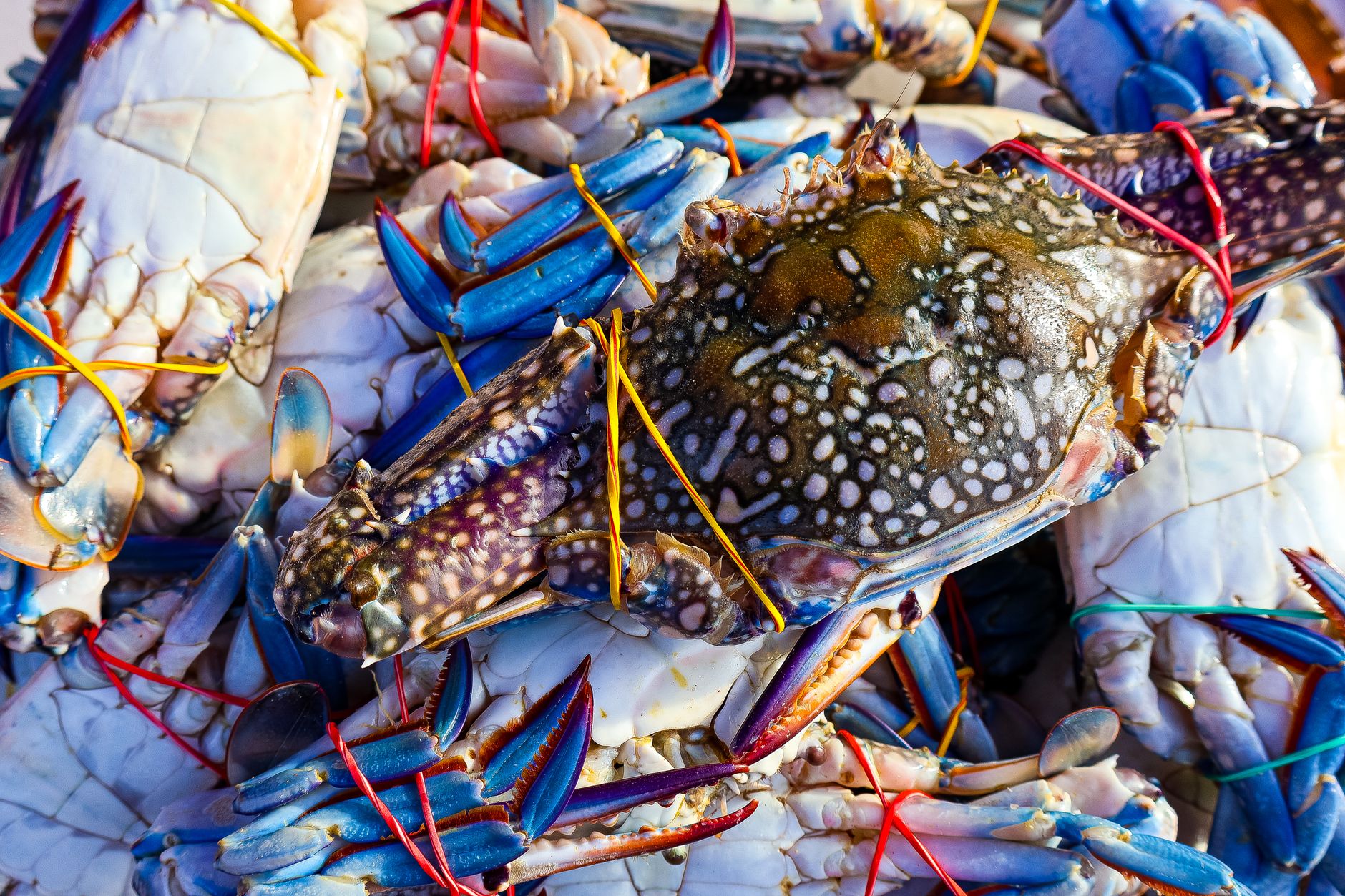
Crab legs are a seafood delicacy that deserves careful handling, especially when it comes to reheating. Reheating crab legs can be trickydone wrong, and you risk a rubbery texture and loss of flavor. Among common kitchen appliances, the microwave often ruins crab legs instead of refreshing them. Knowing the right methods can preserve that tender, sweet crab meat and keep your meal enjoyable the second time around.
Reheating Challenges
Seafoods delicate texture and moisture content mean not all reheating methods are created equal. When you reheat crab legs, you want to maintain their juicy, delicate flavor and avoid drying them out or overcooking. The issue here lies in how heat transfers. Some methods damage the meats texture or unevenly warm the crab legs, leading to an unsatisfying dining experience. The microwave, for example, heats in pulses and uneven spots, causing either cold centers or tough rubbery edges.
Understanding these challenges helps you make a better choice in reheating crab legs. Youll also learn how food safety concerns come into play, ensuring reheated crab legs are safe to eat and just as enjoyable.
Microwave Problems Explained
What Happens to Crab Legs When Microwaved?
Microwaves work by agitating water molecules in food, generating heat quickly from the inside out. Crab legs have low water content inside the shell but delicate flesh beneath. This results in uneven heating where some parts may become overheated while others stay cold. The rapid heating causes moisture to evaporate quickly, drying out the meat and giving it a tough, rubbery consistency.
Additionally, the microwave can strip away some of the natural sweetness you expect from crab meat. This can leave you with crab legs that taste bland or cooked rather than fresh and juicy, defeating the purpose of reheating.
Health Considerations When Using a Microwave for Crab Legs
Uneven heat distribution is more than just a texture issueits a food safety concern. If certain parts of the crab legs do not reach a sufficient internal temperature, harmful bacteria might survive. This is particularly important because seafood spoils faster than many other proteins. According to the USDA, seafood should be reheated to an internal temperature of 74C (165F) to ensure safety.
Microwaving may leave cold spots where bacteria can thrive. This risk increases if crab legs have been stored longer than recommended or improperly refrigerated before reheating.
Microwave vs Other Methods
| Method | Texture Outcome | Flavor Retention | Time Required |
|---|---|---|---|
| Microwave | Often rubbery or dry | Reduced sweetness, bland | 24 minutes |
| Steaming | Tender, moist | Preserves natural flavors | 57 minutes |
| Oven | Evenly heated, flaky | Good flavor retention | 1015 minutes |
| Boiling Water Bath | Juicy, moist | Close to fresh taste | 46 minutes |
From both a texture and a health perspective, the microwave ranks lowest among popular reheating methods.
Best Reheating Methods
Steaming Crab Legs: The Gold Standard
Steaming gently heats crab legs and locks in moisture. It is the preferred method for preserving that velvety texture and rich flavor.
- Start by filling a pot with an inch or two of water and bring to a boil.
- Place a steaming basket or colander above the boiling water.
- Add crab legs in a single layer, cover with a lid.
- Steam for 57 minutes until warmed through.
The result is crab legs that are tender, juicy, and bright in flavor. This method works especially well for large portions.

Oven Method: A Slow & Flavorful Approach
The oven reheats crab legs evenly without evaporating their natural moisture too quickly. This method gives you a little more control over texture.
- Preheat your oven to 350F (175C).
- Wrap crab legs tightly in aluminum foil to lock in moisture.
- Place wrapped legs on a baking sheet and heat for 1015 minutes.
- Check internal temperature with a food thermometer; aim for 74C (165F).
The oven method is great when reheating larger batches or when you want to prepare other dishes simultaneously.
Boiling Water Bath: Quick and Moisture-Rich
Using a hot water bath gently reheats crab legs while keeping them moist.
- Bring a large pot of water to a simmer (not a hard boil).
- Place crab legs in a colander or mesh strainer over the simmering water.
- Cover with a lid and steam for 46 minutes until heated through.
- Remove carefully and serve immediately.
This method provides a fast, effective way to warm crab legs without risking overcooks.
Microwave Crab Legs If You Must
Sometimes time presses, and the microwave is the only option. Heres how to minimize damage:
- Use low power or defrost setting.
- Place crab legs in a microwave-safe dish and cover with a damp paper towel.
- Heat in short bursts of 30 seconds, checking after each cycle.
- Avoid overheating and let rest a minute before serving.
Despite these tips, the microwave should be your last resort. You may still notice some compromise in taste and texture.

Storage and Wrapping Tips
Storing Crab Legs Properly Before Reheating
Proper storage extends crab legs freshness and makes reheating more effective. Keep cooked crab legs refrigerated at or below 4C (40F). Consume within 34 days to avoid spoilage and bacterial growth. If freezing, wrap tightly in plastic wrap or foil then place in an airtight freezer bag to prevent freezer burn. Frozen crab legs keep best for up to 2 months.
Avoiding Common Reheating Mistakes
Overheating or reheating multiple times can toughen meat and degrade flavor. Always check the internal temperature reaches at least 74C (165F) once reheated. Underheating risks food safety, while overheating dries the meat.
Another common error is reheating crab legs right out of the fridge without allowing them to come closer to room temperature. A 10-minute rest before reheating helps even warming.
Tools That Help
Using a good steaming basket or colander makes all the difference. Aluminum foil works well for the oven method, sealing in moisture effectively. A food thermometer is invaluable to avoid guesswork and ensure safe reheating.
Swift prepared foods also offer convenient seafood options with Halal certification that meet high-quality standards for fresh and safe products.
When is the best time to eat crab legs?
The ideal time to eat crab legs is shortly after cooking or reheating, while they remain warm and moist. Serving within 1520 minutes of reheating ensures the best texture and flavor, as crab meat tends to dry quickly once cooled.
Can you reheat crab legs multiple times?
Repeated reheating is not recommended due to increased risk of drying out the meat and food safety concerns. Each reheating cycle raises the chance of bacterial growth if not done properly. Its best to reheat only the portion you plan to eat immediately.
How long should crab legs be reheated?
Reheating times vary by method: steaming takes 57 minutes, oven 1015 minutes at 350F, and boiling water bath 46 minutes. Using a food thermometer to reach 74C (165F) ensures proper heating.
Is reheated crab leg meat still nutritious?
Crab legs retain most of their nutritional value after reheating, including protein and essential minerals like zinc and copper. However, overheating can reduce vitamin content and alter texture.
What if I only have frozen crab legscan I reheat them directly?
Its best to thaw frozen crab legs in the refrigerator overnight before reheating. Directly reheating frozen crab legs can result in uneven heating and poor texture.
Is it safe to eat crab legs left out overnight?
No. Perishable seafood should never be left at room temperature for more than 2 hours. Doing so increases bacterial risk and foodborne illness potential.
How to tell if reheated crab legs are spoiled?
If the crab legs emit a sour, ammonia-like smell or have a slimy texture, discard them immediately. Unpleasant odors and discoloration are signs of spoilage and unsafe to eat.
Pro Tips for Perfect Reheated Crab Legs
- Never skip the resting step before reheating; allow crab legs to come to room temp for about 10 minutes.
- Wrapping crab legs in foil or covering with a damp towel traps steam and moisture during reheating.
- Avoid high heat; slow, gentle warming preserves tenderness and flavor.
- If you want to enhance flavor, brush crab legs with melted butter and a squeeze of lemon after reheating.
- Invest in a digital food thermometer to ensure safety and ideal temperature.
Butter chicken vs tikka masala discussions highlight the importance of authentic recipes and careful preparationmuch like how careful reheating preserves authentic crab leg flavor.
More You Might Like
Explore our guides on Swift prepared foods for quick, Halal-certified meal ideas that save you time without sacrificing quality.
Curious about how classic dishes differ? Check out our Butter chicken vs tikka masala comparison to deepen your culinary knowledge.

Wrap-Up on Reheating Crab Legs
Reheating crab legs requires gentle care to keep their tender texture and sweet flavor intact. While the microwave offers speed, it often leads to dry and rubbery meat. Instead, steaming, oven reheating, or boiling water baths provide superior results that are both safe and delicious. Keep proper storage and reheating temperature in mind to enjoy your crab legs just like fresh. Next time you prepare crab legs, try these methodsyoull taste the difference and prevent wasted seafood.
FAQs
Is reheating crab legs actually Halal — what should I check on the label?
Reheated crab legs can be Halal if the original crab legs are certified Halal and handled according to Halal standards. Check labels for Halal certification to ensure compliance with religious dietary rules before reheating.
How long can cooked crab legs be stored before reheating?
Cooked crab legs should be refrigerated at or below 4°C (40°F) and consumed within 3–4 days. Freezing can extend storage up to 2 months. Proper storage helps maintain freshness and safety before reheating.
What is the difference between reheating crab legs by steaming versus microwaving?
Steaming gently reheats crab legs, preserving moisture and natural sweetness, resulting in tender, juicy meat. Microwaving heats unevenly and quickly, often drying the meat and making it rubbery with reduced flavor.
Is it safe to eat reheated crab legs every day?
Eating reheated crab legs occasionally is safe if properly handled, but daily consumption requires fresh, well-stored seafood and careful reheating to 74°C (165°F) to avoid foodborne illness risks.
Where can I buy high-quality crab legs suitable for reheating?
High-quality crab legs can be purchased at reputable seafood markets, grocery stores with fresh seafood sections, or trusted Halal-certified suppliers to ensure freshness and proper handling.