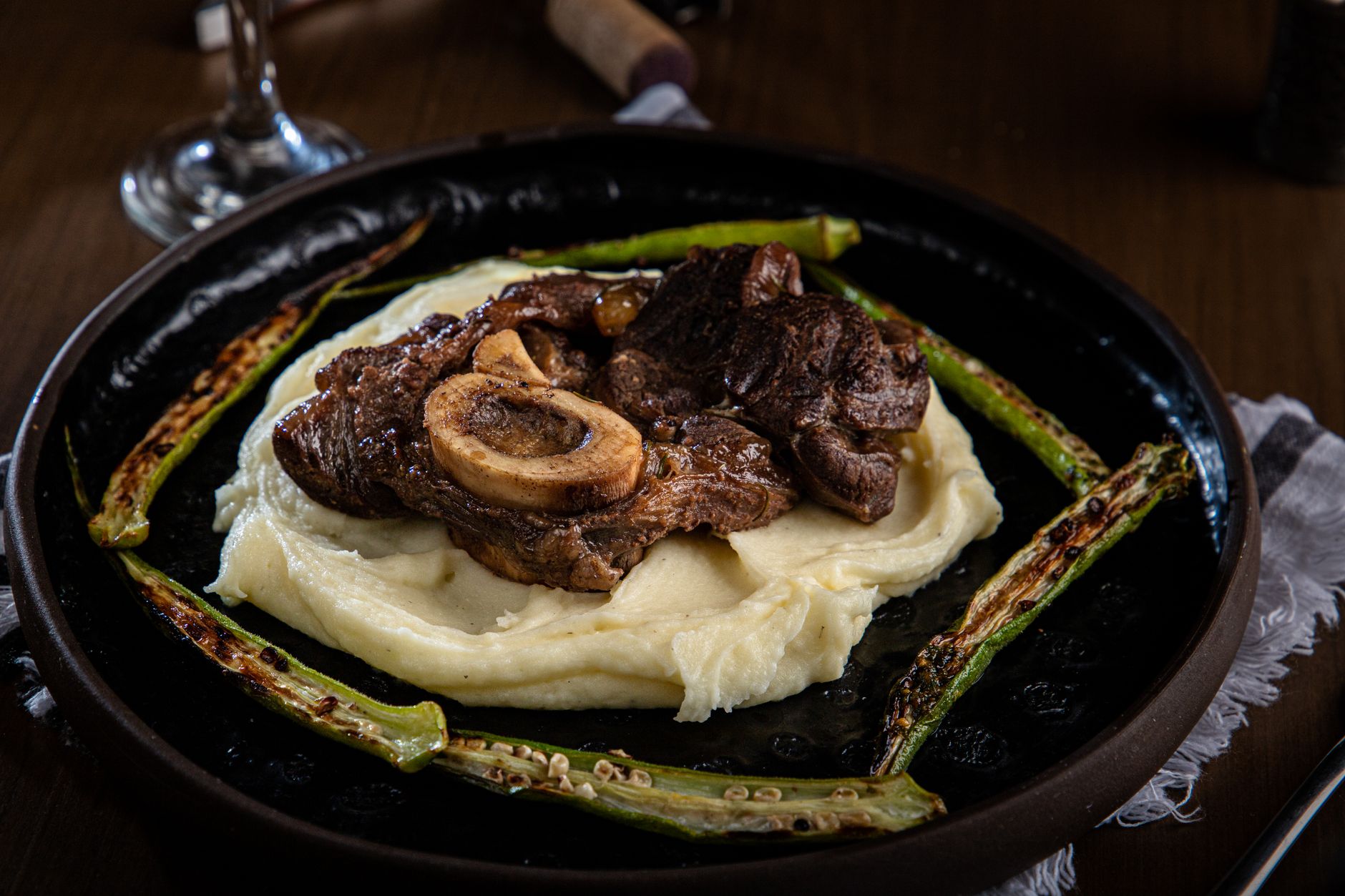
Figuring out the mashed potatoes quantity to prepare can feel tricky, especially when hosting family or friends. You want just enoughno tiny portions, but also no leftovers crowding your fridge. Typically, planning about to cup of mashed potatoes per person works well for most gatherings. With a bit of simple math and some practical tips, you can confidently serve the right amount every time.
Mashed Potatoes Basics
Knowing the right mashed potatoes quantity prevents waste and keeps everyone happily full. The main idea to grasp here is servings per person. This depends on appetite, meal context, and accompanying dishes.
How Much Mashed Potatoes Should You Plan Per Person?
The typical serving size for mashed potatoes ranges from cup (about 120 grams) to 1 cup (approximately 240 grams) per person. Most often, cup (around 180 grams) hits the sweet spot. This portion provides a satisfying side without overpowering the plate.
Keep in mind, appetites vary. For example, children usually need smaller servings, around to cup, while big eaters might require closer to a full cup. Also, if mashed potatoes are a main side dish at the meal, lean towards the higher end.
Nutrition experts confirm a standard serving of mashed potatoes weighs roughly 150200 grams, containing about 150 calories per serving according to USDA FoodData Central.
How to Calculate Mashed Potatoes For a Group
Calculating mashed potatoes quantity is straightforward. Multiply the number of guests by your chosen serving portion volume. For 10 people, aiming for cup each means youll need 7.5 cups total. This equals roughly 1.5 to 2 kilograms of prepared mashed potatoes depending on texture.
You can tweak these estimates based on your guests preferences. For less hungry groups or meals heavy on main dishes, reduce the portion size slightly. If serving mostly carb-savvy eaters or few sides, increase it.
| Group Size | Serving (cups) | Approximate Weight (lbs) |
|---|---|---|
| 5 | 3.755 | 1.52.5 |
| 10 | 7.510 | 35 |
| 15 | 11.2515 | 4.57.5 |
| 20 | 1520 | 610 |
Factors Affecting Quantity
Several variables change how much mashed potatoes youll need, beyond simple math.
What Else Is on the Menu?
The type and size of other dishes make a difference. A large, rich main like roast beef or lamb tends to make mashed potatoes more popular, increasing consumption. Conversely, if your meal includes multiple heavy sides or many protein options, guests might eat less mashed potatoes.
Think about how much carbohydrate is expected overall in Middle Eastern or South Asian Halal meals, rice or bread may reduce the mashed potatoes portion required.

Appetite and Guest Preferences
Knowing your crowd helps. Some people crowd-pleasers devour mashed potatoes eagerly. Others prefer lighter sides. Kids usually eat less. Planning often works best when you assign different portion sizes by guest type.
Substituting part of the potatoes with cauliflower mash or adding herbs and spices can also impact how much guests eat. Flavored and seasoned mashed potatoes tend to be consumed more generously.
Leftovers: Should You Make Extra?
Making extra mashed potatoes is often a good idea if storage and reheating are no problem. Properly stored, mashed potatoes keep fresh 57 days sealed in the fridge, or up to 3 months frozen in airtight containers.
Be mindful of food safety. Reheat only what you will consume immediately, and avoid reheating multiple times to keep quality and safety intact.
Expert Tips for Perfect Quantity
Catering professionals recommend weighing your raw potatoes to better estimate cooked output. Typically, raw potatoes lose about 20% weight after peeling and cooking.
Planning for about pound (225 grams) of raw potatoes per person usually yields well-portioned mashed potatoes servings once cooked and mashed. This includes allowance for peel and moisture loss.
Restaurants and event caterers often eyeball on slightly larger quantities to avoid running out, then adjust based on the meals context and guests.
Prepared foods tips can also apply hereaccurate forecasting minimizes waste and ensures smiles all around.

Practical Tips From Real Events
From hosting festive holiday dinners to catering larger halal community events, one lesson stands out: always round up your estimates slightly to avoid last-minute scrambling.
Experienced cooks share they often add an extra 1015% to their base mashed potatoes quantity calculations for buffer. Any leftovers can be repurposed into shepherds pie, croquettes, or simply reheated the next day.
How Many Pounds of Potatoes Do I Need For 10 People?
Using the general rule, plan for about 5 pounds (2.3 kilograms) of raw potatoes to cook mashed potatoes for 10 people. After peeling and cooking, this usually yields around 3 to 4 pounds (1.4 to 1.8 kilograms) of mashed potatoes.
Weight loss is mainly from peel discard and water content evaporation during boiling. This aligns with USDA data showing roughly 2025% shrinkage.
Can I Estimate Mashed Potatoes Quantity By Raw Potato Weight?
Yes. Raw weight is one of the best ways to calculate your mashed potatoes quantity. Multiply your number of servings by pound (225 grams) raw potatoes. This accounts for peeling and cooking losses.
For example, for 10 people, 10 0.5 = 5 pounds raw potatoes. This consistent method simplifies shopping and helps ensure proper quantity.
How Much Mashed Potatoes Is One Serving?
One serving generally ranges from to cup, roughly 150180 grams. To visualize, this is about the size of a tennis ball or a heaping scoop with a medium serving spoon.
This portion fits comfortably alongside a protein and vegetables, balancing the plate without overwhelming it.
When is the Best Time to Eat Mashed Potatoes?
Mashed potatoes pair well with lunch or dinner meals, especially when served with halal-certified meats or stews. They provide comforting energy and complement savory dishes nicely. Avoid heavy portions during breakfast unless part of a hearty brunch.
Is Mashed Potatoes Suitable for Halal Diets?
Mashed potatoes themselves are naturally halal, containing basic ingredients like potatoes, butter, milk, and seasoning. However, verify that dairy products carry trusted Halal certification such as from JAKIM, HMC, or IFANCA to ensure compliance.
Can I Prepare Mashed Potatoes in Advance?
Absolutely. You can make mashed potatoes 12 days ahead, storing them in airtight containers. Reheat gently on low heat or in a microwave with added milk or butter to restore creaminess.
What Are Some Healthy Mashed Potato Alternatives?
For health-conscious diets, try mixing cauliflower, parsnips, or sweet potatoes with regular potatoes. These provide fiber, vitamins, and lower glycemic impact while keeping that creamy texture.
How Do I Keep Mashed Potatoes From Getting Watery?
Drain boiled potatoes well, and avoid adding too much milk or butter at once. Mash gradually, adjusting moisture slowly to achieve a fluffy, firm texture without excess liquid.
Can Mashed Potatoes Be Frozen Safely?
Yes. Freeze mashed potatoes in airtight containers for up to 3 months. Thaw overnight in the fridge and reheat gently, stirring to restore texture for best results.
How Should I Adjust Mashed Potatoes Quantity During Ramadan?
During Ramadan, meals after fasting often feature filling dishes. Plan on slightly larger servingsaround 1 cup per personas energy needs are higher. Also, consider variations like creamy butter or garlic mashed potatoes to add richness.
What Is a Common Mistake When Estimating Mashed Potatoes Quantity?
One overlooked error is not accounting for peeling and cooking shrinkage when buying raw potatoes. Buying exactly the cooked serving amount often leaves you short. Always plan with a buffer for loss and extra hungry guests.
One Expert Tip for Perfect Portions
Measure portions using a standard ice cream scoop (usually cup size) while plating. This consistency helps guests get satisfying servings and decreases waste.
Mcdouble vs daily double insights emphasize how portion size impacts meal enjoymentapply that logic to your sides, too.
More You Might Like
Explore our guide on Prepared foods to learn about ready-to-eat halal side dishes that can complement your mashed potatoes perfectly.
Want to compare fast food sides? Check out the Mcdouble vs daily double taste test and find out how portion sizes affect satisfaction.
Conclusion
Planning the mashed potatoes quantity doesnt have to be stressful. Aim for to cup per person, or about pound raw potatoes each, adjusting for appetite and the rest of your menu. With this simple guide, youll serve just the right amountavoiding waste and keeping your guests happy. Next time you shop or cook, try these tips and share your mashed potatoes portion success in the comments below.
FAQs
Is mashed potatoes quantity actually Halal — what should I check on the label?
Mashed potatoes are naturally Halal as they contain basic ingredients like potatoes, milk, butter, and seasoning. To ensure compliance, check that any dairy products used have trusted Halal certification from bodies like JAKIM, HMC, or IFANCA.
When is the best time to eat or drink mashed potatoes quantity?
Mashed potatoes are best served during lunch or dinner, pairing well with Halal-certified meats and savory dishes. They provide comfort and energy, making them less suitable for breakfast but ideal for hearty meals or brunch.
How long do mashed potatoes last after opening or preparation?
Properly stored mashed potatoes stay fresh for 5 to 7 days in the refrigerator when sealed in airtight containers. For longer storage, freeze them for up to 3 months, thawing overnight before reheating.
What is the main difference between mashed potatoes and common alternatives like cauliflower mash?
Mashed potatoes are higher in carbohydrates and calories, while cauliflower mash offers a lower-calorie, fiber-rich alternative with fewer carbs. Cauliflower mash suits health-conscious diets but differs in texture and flavor.
Where can I buy good quality potatoes for mashed potatoes in bulk?
Quality potatoes can be sourced from local farmers' markets, grocery stores, or wholesale suppliers. For bulk needs, consider wholesale produce distributors or specialized Halal food suppliers to ensure freshness and dietary compliance.