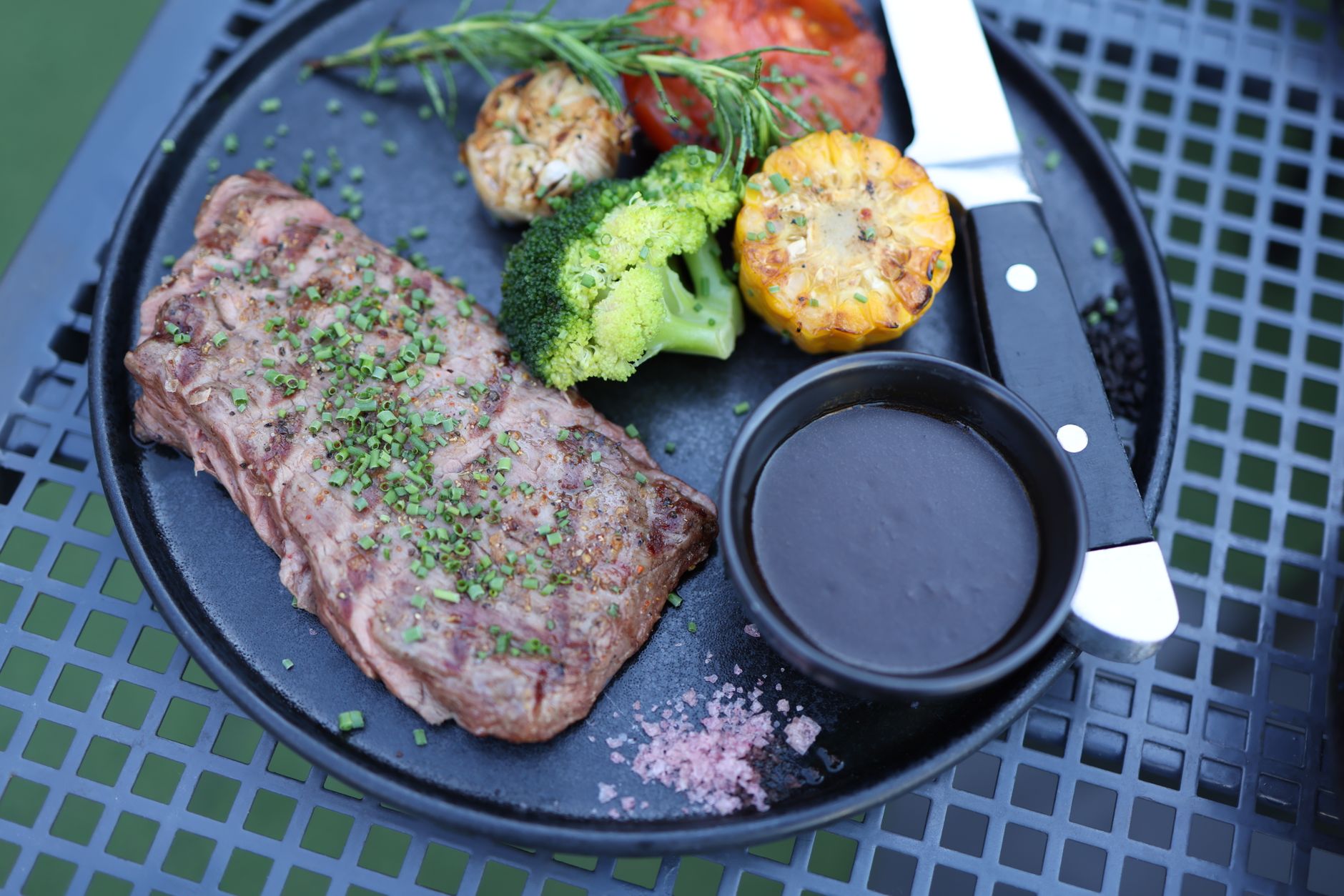
There is something special about a well-grilled ribeye steak. The rich flavor, the tender bite, the sizzling fat that keeps every mouthful juicy. If you have ever asked yourself why some steaks turn out dry while others melt in your mouth, the secret often lies in the cut. Ribeye steak grilling gives you an advantage that leaner cuts simply cannot match. The abundant marbling running through the meat melts slowly over the flames, basting the steak from the inside out. You end up with a tender, juicy steak every time, even if you are still mastering the grill.

What to Know About the Ribeye Cut
What makes ribeye different from other steaks?
The ribeye comes from the rib section of the cow, between the chuck and the loin. This area does very little work, so the meat stays naturally tender. What really sets it apart is the high fat content. Ribeye steak fat content averages around 15 to 20 percent, far more than sirloin or filet mignon. Those thin white lines of fat, called marbling, are not just decoration. They add deep beefy flavor and keep the steak moist during cooking. When you compare it to a lean cut like sirloin, the ribeye delivers a noticeably richer taste and a softer texture.
How does ribeye's fat content influence grilling results?
As the steak heats up on the grill, the fat inside the meat begins to melt. That melted fat seeps into the muscle fibers, continuously basting the steak from the inside. This natural self-basting process means you do not need to add butter or oil to keep it from drying out. The result is a tender, juicy steak with a crisp, caramelized crust on the outside. Chef Michael Lomonaco, a well-known American chef, once described the ribeye as the cut that makes grill masters look good because its fat content does most of the work for you.
| Steak Cut | Average Fat Content | Flavor Impact | Recommended Cooking Method |
|---|---|---|---|
| Ribeye | High (~15-20%) | Rich, juicy | Grilling, pan-searing |
| Sirloin | Moderate | Leaner, firmer | Grilling, broiling |
| Filet Mignon | Low | Tender, mild | Grilling, roasting |
Essential Grilling Tips for Ribeye Steak
How to grill ribeye steak to get it tender and juicy?
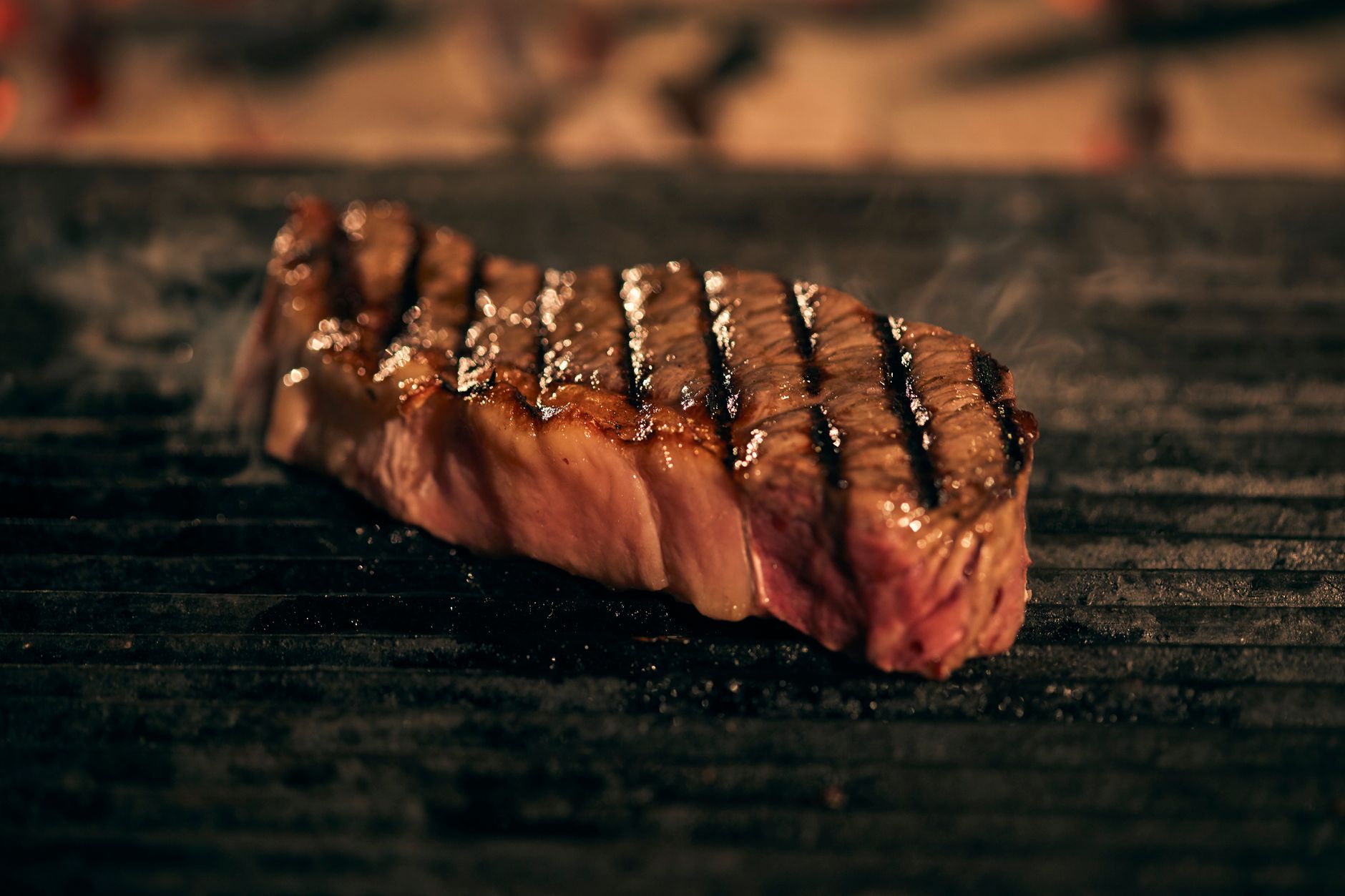
Start by taking the steak out of the refrigerator 30 to 40 minutes before cooking. Letting it come to room temperature helps it cook more evenly. Pat it dry with paper towels so the surface brown properly. Season generously with coarse salt and black pepper. You can add garlic powder or smoked paprika, but keep it simple to let the beef shine. Preheat your grill to high heat, around 450-500F. Sear the steak for 4 to 5 minutes on the first side without moving it. Flip and cook another 4 to 6 minutes for medium-rare, depending on thickness. Use an instant-read thermometer: 130-135F for medium-rare is ideal. Let the steak rest for 5 to 7 minutes before slicing. This rest period allows juices to redistribute, giving you a tender, juicy steak.
What common mistakes to avoid when grilling ribeye?
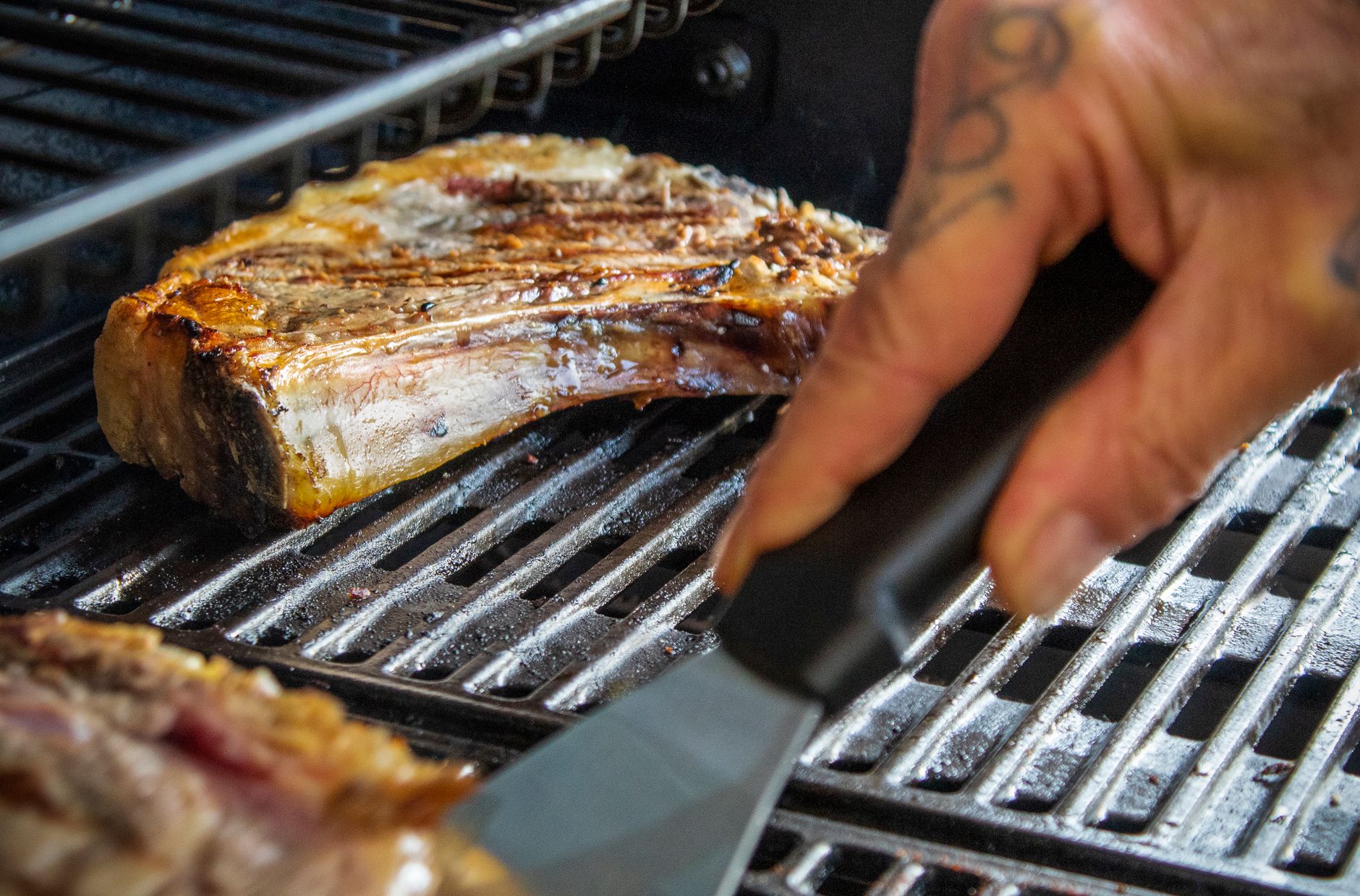
One mistake is moving the steak too early. Let the sear develop naturally. Another is overcooking. Ribeye is best at medium-rare to medium. Beyond that, the fat starts to render out completely, and the meat becomes dry. Skipping the rest time is also a common error. If you cut into the steak right away, those precious juices end up on the cutting board, not in your mouth. Lastly, avoid using a fork to flip the steak. Piercing the surface lets juices escape. Use tongs instead.
Step-by-Step Guide to Perfect Ribeye Steak Grilling
This method works for a 1-inch thick ribeye. Adjust times slightly for thicker or thinner cuts.
| Prep Time | Cook Time | Total Time | Servings | Calories (approx) | Diet Tags |
|---|---|---|---|---|---|
| 10 minutes | 8-12 minutes | 50 minutes (including resting) | 2 servings | 650 per serving | Halal, Gluten-Free, Low-Carb |
- Remove ribeye from fridge and let sit at room temperature for 30-40 minutes.
- Pat dry with paper towels. Season both sides with 1 teaspoon kosher salt and 1/2 teaspoon black pepper per steak.
- Preheat gas or charcoal grill to high heat (450-500F). Clean and oil the grates.
- Place steaks on the hottest part of the grill. Cook for 4 minutes without moving to get a deep crust.
- Flip using tongs. Cook for another 4 minutes for medium-rare. For medium, cook 5-6 minutes per side.
- Check internal temperature: 130-135F for medium-rare, 140-145F for medium.
- Remove from grill and place on a cutting board. Tent loosely with foil. Rest for 7 minutes.
- Slice against the grain and serve immediately.
The One Downside of Ribeye Steak Grilling
Are there any health considerations with ribeye steak?
Because ribeye steak fat content is high, it also means higher saturated fat and calories. According to the USDA FoodData Central, a 3.5-ounce serving of ribeye contains about 22 grams of total fat and 290 calories. For most people, moderate consumption is fine, but if you are watching your saturated fat intake, you may want to enjoy ribeye less often. Another concern is charring. High-heat grilling can produce heterocyclic amines (HCAs) if meat is heavily charred. To reduce this, trim any large external fat pieces that cause flare-ups and avoid burning the surface.
How to balance enjoying ribeye while maintaining healthy eating habits?
Pair your steak with a big side of vegetables or a fresh salad. Swap starchy sides like fries for grilled asparagus or roasted broccoli. Keep your portion to about 4 to 6 ounces, which is roughly the size of your palm. You can also look for grass-fed ribeye, which tends to have a slightly better fatty acid profile. Remember, eating ribeye occasionally as part of a balanced diet is perfectly fine. It is all about moderation and smart pairings.

Recommended Ribeye Steak Cuts and Brands for Grilling
What should you look for when buying ribeye steak for grilling?
Start with marbling. Look for fine, evenly distributed white flecks throughout the meat, not just a rim of fat around the edge. Thickness matters too. Choose steaks at least 1 inch thick. Thinner cuts dry out quickly on the grill. Fresh color should be cherry red. Avoid meat that looks brown or grey. For Halal shoppers, always check for a trusted certification logo. Look for stamps from JAKIM (Malaysia), HMC (UK), or IFANCA (USA). Grass-fed beef tends to be leaner but still has good flavor. Grain-fed ribeye is richer and more marbled. Either works for grilling, but grain-fed gives you that classic buttery texture.
Buyer's Checklist for Ribeye Steak
| Certification | Price Range (per lb) | Common Formats | Shelf Life (fresh) | Key Allergens |
|---|---|---|---|---|
| Halal (JAKIM, HMC, IFANCA) | $12 $25 | Boneless, bone-in, ribeye roll | 35 days in fridge | None (unless marinade added) |
Expert Tips From Butchers and Chefs
Butchers often recommend buying the whole ribeye roast and cutting your own steaks. This gives you control over thickness and saves money. Chef Thomas Keller suggests dry-brining the steak overnight with salt in the fridge. This draws out moisture, then reabsorbs it, seasoning the meat all the way through. Another tip: let the steak rest at room temperature before grilling. A cold steak sears unevenly and may overcook on the outside before the center warms up.
Pro Tips for Grilling Ribeye Like a Pro
The most overlooked mistake is cooking a wet steak. Moisture on the surface creates steam, not a crust. Always pat it bone-dry. Cheap versions of ribeye often come from poorly marbled cuts. Look for USDA Choice or Prime grades if available. For Charcoal grills, bank the coals to one side to create a hot zone and a cooler zone. Start the steak over the hot zone to sear, then move it to the cooler side to finish cooking if needed. This two-zone method prevents burning while ensuring the center reaches the right temperature.
When it comes to flavor balance, remember that the fat in ribeye is already rich. Bold seasonings like coffee rub or chimichurri can overpower it. Stick to salt, pepper, and maybe a touch of garlic. A simple butter baste during the last minute of grilling adds a luxurious finish without hiding the beef taste.
Frequently Asked Questions About Ribeye Steak Grilling
When is the best time to eat ribeye steak?
Ribeye is perfect for dinner, especially on weekends when you have time to grill slowly. Because the fat gives you sustained energy, it works well as a post-workout meal in moderation. Some people enjoy it for special occasions like holidays or barbecues. Avoid eating ribeye late at night if you are sensitive to heavy foods.
How thick should ribeye be for grilling to get medium-rare?
Aim for at least 1 inch, but 1.5 inches is even better. Thicker steaks give you a wider window for a perfect medium-rare center without burning the outside. For a 1.5-inch steak, cook 5-6 minutes per side over high heat, then check internal temperature.
Can you grill ribeye straight from the fridge?
You can, but the results are less consistent. A cold steak will take longer to cook, and the outside may burn before the inside reaches medium-rare. Let the steak sit at room temperature for 30-40 minutes for the best outcome.
Is bone-in or boneless ribeye better for grilling?
Both work well. The bone can add a little flavor and help insulate the meat, but it also makes even cooking slightly trickier. Boneless is easier for most home cooks. If you buy bone-in, look for a steak with a thickness of at least 1.5 inches to account for the bone.
How do I know if my ribeye is Halal?
Check the packaging for a recognized Halal certification logo from JAKIM, HMC, IFANCA, or the Islamic Food and Nutrition Council of America. Some butchers also label meat as Halal without official certification. When in doubt, ask the butcher if the animal was slaughtered according to Islamic guidelines and if the meat is free from non-Halal additives.
What temperature should the grill be for ribeye?
High heat, around 450-500F, is ideal. This creates a strong sear quickly. If your grill has a built-in thermometer, that helps. For charcoal, you should be able to hold your hand 5 inches above the coals for only 2-3 seconds.
Should I oil the steak or the grill grates?
Oil the grill grates, not the steak. Use a folded paper towel dipped in vegetable oil and run it over the hot grates with tongs. Oiling the steak can cause flare-ups as the oil drips onto the coals or burners.
More You Might Like
If you are interested in food safety while handling beef, check out our guide on Meat recalled listeria to understand how to spot recalls and keep your kitchen safe.
For a deeper dive into different pork products (which can help you compare with beef), read our article on Canadian vs american bacon and how they differ in fat content and curing methods.
Conclusion
Ribeye steak grilling is truly rewarding because the cut itself does most of the work. Its high marbling ensures a tender, juicy steak that forgives small timing errors. By following the tips here letting the steak warm up, patting it dry, using high heat, and resting it properly you can consistently produce a restaurant-quality meal at home. Next time you are at the butcher, look for that beautiful marbling and a trusted Halal certification. Fire up the grill, keep it simple, and enjoy every bite. Have you tried these techniques? Leave a comment below and share your experience.
FAQs
Is ribeye steak grilling actually Halal — what should I check on the label?
Yes, ribeye can be Halal if sourced from an animal slaughtered according to Islamic guidelines. Look for a recognized Halal certification logo from JAKIM, HMC, IFANCA, or the Islamic Food and Nutrition Council of America. If no logo is present, ask the butcher directly about the slaughter method and any non-Halal additives in marinades.
How long does grilled ribeye steak last in the fridge after cooking?
Cooked ribeye steak can be stored in the refrigerator for 3 to 4 days in an airtight container. For best quality, let it cool to room temperature before refrigerating. Reheat gently in a pan or oven to avoid drying it out. Freezing cooked steak extends shelf life to about 3 months.
What is the difference between ribeye and sirloin for grilling?
Ribeye has much higher marbling (15-20% fat) than sirloin, making it richer, juicier, and more forgiving on the grill. Sirloin is leaner and firmer, requiring careful timing to avoid dryness. For a tender, melt-in-your-mouth result, ribeye is the superior choice for grilling.
Is it safe to eat ribeye steak daily?
Eating ribeye daily is not recommended due to its high saturated fat and calorie content. A 3.5-ounce serving has about 290 calories and 22g total fat. For a balanced diet, enjoy ribeye occasionally (1-2 times per week) and pair it with plenty of vegetables. Choose grass-fed ribeye for a healthier fatty acid profile.
Where can I buy high-quality ribeye steak for grilling?
You can buy high-quality ribeye at butcher shops, specialty meat markets, or online halal meat retailers. Look for USDA Choice or Prime grades with abundant marbling and a thickness of at least 1 inch. For Halal options, verify certification from trusted bodies like JAKIM or HMC. Many online halal butchers deliver fresh or frozen ribeye.