
Softening cream cheese is one of those small kitchen challenges that can really slow down your cooking or baking plans. Whether youre making a rich cheesecake, a creamy frosting, or a smooth dip, your cream cheese needs to be perfectly softened to blend evenly. But getting it soft fast without melting or compromising its texture? Thats where many stumble. Lets uncover the best ways to soften cream cheese quickly, keeping it velvety and easy to work with every time.
Why Proper Softening Matters
What Happens If Cream Cheese Isnt Softened Enough?
When cream cheese is too cold or hard, it wont mix well. You get lumps, uneven texture, and your recipe may even separate or curdle, especially in frostings or cheesecake batter. The nice creamy consistency you expect wont develop, which can ruin the final taste and mouthfeel. Softened cream cheese blends into batters and sauces smoothly, giving your dish that tender, rich quality.
Risks of Overheating or Melting Cream Cheese
Overheating cream cheese, especially in a microwave without care, causes it to melt or become grainy. Melting breaks down the structure, separating fats and water, resulting in a runny, oily mess instead of a smooth spread. This damages the taste, appearance, and texture of your dishno one wants frosting thats too loose or a dip thats watery. Always soften gently to retain that creamy consistency.
Softening Cream Cheese Methods
The Classic Room Temperature Approach
Letting your cream cheese rest at room temperature is the safest way to soften it. Simply remove the block from the fridge and unwrap it. Leave it on the counter for about 30 to 60 minutes. This slow, even softening preserves the texture perfectly without any damage. Wrapping cream cheese in parchment paper or plastic wrap while resting keeps it clean from dust and contamination.
This method pairs best with baking where texture matters most, like cheesecake, because the cream cheese will be soft yet firm enough to hold air when whipped. Patience pays off here.
Soften Cream Cheese Fast Using a Microwave
When times tight, the microwave can be your best friendbut only if youre careful. Use these steps:
- Take the cream cheese out of the foil packaging, and place it on a microwave-safe plate.
- Microwave on low power (about 30% or defrost setting) for 10 to 15 seconds.
- Check texture and rotate or flip the block, then microwave for another 10 seconds if needed.
- Stop once the cream cheese is soft but still cool and firm to the touch.
If you microwave at full power or too long, melting occurs quickly. Avoid this by checking often and using low power. If your cream cheese melts a bit, chill it briefly for 10 to 15 minutes before using to regain firmness.
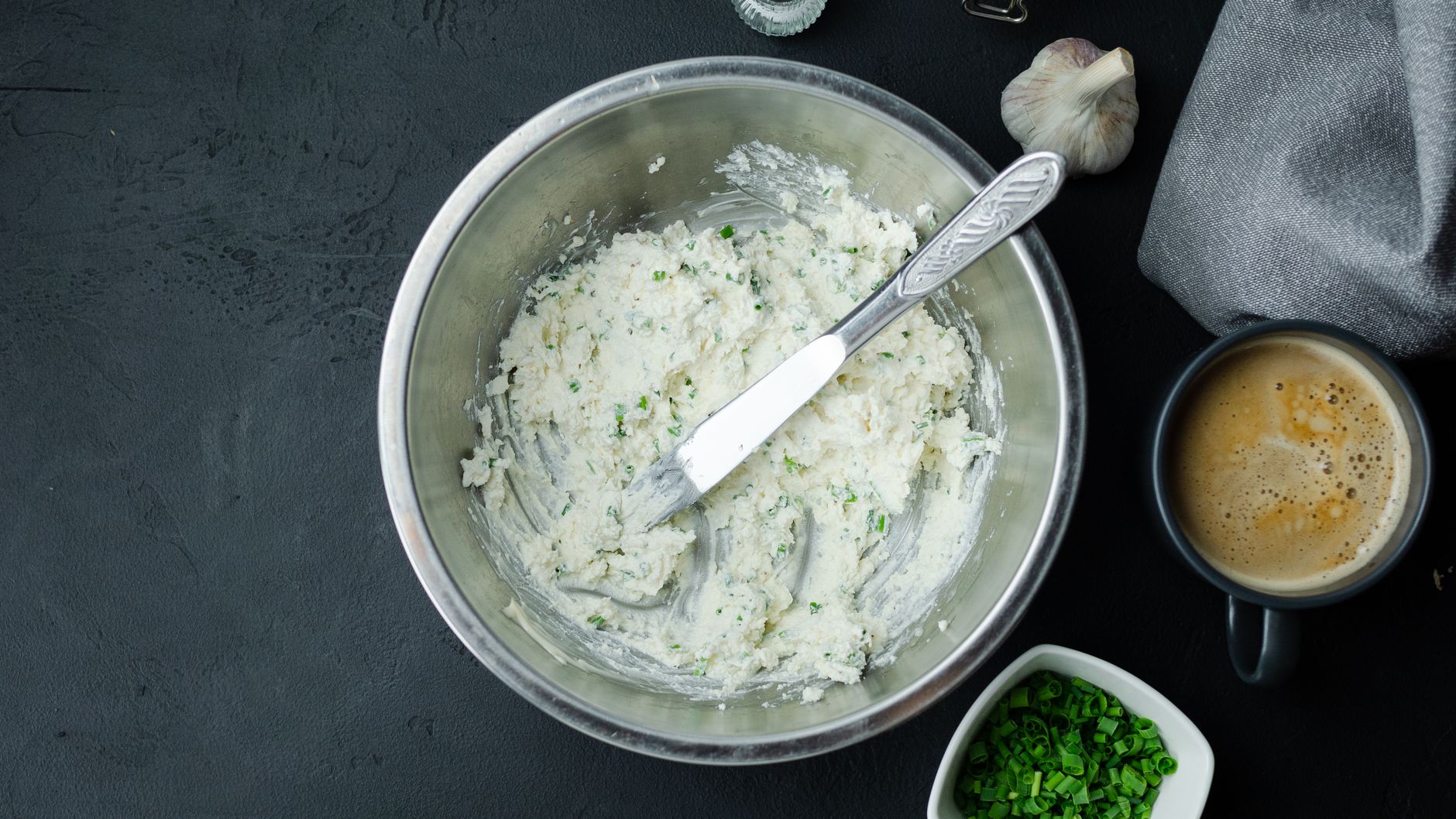
Alternative Fast Softening Techniques
Several other clever tricks help soften cream cheese quickly without melting:
- Warm water bath: Seal the cream cheese (in a sturdy plastic bag) and submerge in warm water (not hot) for 5 to 10 minutes. This gently raises temperature evenly.
- Warm spoon or grating: Grate frozen cream cheese into small shreds to soften rapidly when mixing. You can also use a warm metal spoon to press and stir as it softens.
- Food processor or mixer: Chop cold cream cheese in a food processor or beat with a mixer to break it down quickly. This physically softens it but can add air, which helps in frostings.
These options are handy when you need soft cream cheese quickly and want to avoid direct heat. Just be sure water doesnt get inside the packaging if using the bath methodcontamination with moisture can spoil the texture.
Softening Tips & Tricks
Helpful Tools for Faster Softening
Using a box grater speeds softening when time is tight. Shredded cream cheese warms and blends faster. Alternatively, a food processor makes cold cream cheese workable in minutes. If you rely on softened cream cheese often, keep it stored tightly wrapped to avoid drying out for quick use next time.
Common Mistakes to Avoid
Dont microwave cream cheese in its foil wrapperthat sparks and ruins the cheese. Avoid high power or long microwaving which melts it. Avoid putting cream cheese directly in a hot water bath to prevent water contamination. It‘s better to use a sealed plastic bag when submerging.
| Method | Speed | Texture Outcome | Risk of Melting | Ease of Use |
|---|---|---|---|---|
| Room Temperature | 30-60 minutes | Best, smooth and firm | None | Very Easy |
| Microwave (low power) | <1 minute | Good, if careful | High | Easy |
| Warm Water Bath | 5-10 minutes | Good, even softening | Low | Medium |
| Grate / Food Processor | Under 5 minutes | Good, airy texture | None | Medium |
Choosing the Right Method
Microwave for Quick Recipes
If youre making a quick dip or simple spread, the microwave method saves time. Just remember to use low power and short bursts. This eliminates wait time while preserving taste.
Room Temperature for Baking
For delicate recipes like cheesecake or frosting where texture is critical, slow, even softening at room temperature is best. It prevents lumps and ensures the cream cheese can trap air when whipped.
Real-World Tips from Food Pros
Chef Lina from JAKIM-certified kitchens shares: I always let cream cheese sit out for 45 minutes during prep. But if pressed for time, I use the warm spoon methodholding a metal spoon under hot water and stirring gently softens it quickly without risk.
Recipe developer Amir notes, Using a food processor to break down chilled cream cheese worked wonders for my frosting. It saved me from waiting and kept my mixes smooth and creamy every time.

Discover More Dairy Options
If you enjoy cream cheese, you might also like learning about cottage cheese brands that are Halal certified and perfect for healthy snacks or recipes.
How Does Cream Cheese Compare?
Wondering about toppings? Check out our detailed guide on Cool whip vs whipped cream to understand which complements your softened cheese dishes best.
Is Softened Cream Cheese in the Oven Safe?
You can soften cream cheese in a warm oven, but only at very low temperaturesaround 150F (65C)and wrapped well in foil for 5 to 10 minutes. This is slower and less precise than other methods. Avoid high heat or baking it, as it will melt instead of soften.
How Long Can Softened Cream Cheese Sit Out?
Softened cream cheese should not sit out longer than 2 hours at room temperature to prevent bacterial growth, following food safety guidelines by the USDA FoodData Central. After that, return it to refrigeration.
Can Cream Cheese Soften in Its Foil Wrapper?
Softening cream cheese inside its foil wrapper is not ideal. The foil traps cold and slows the process unevenly. Remove the foil and place cream cheese on a clean plate or wrap in plastic for better airflow and consistent softening.
Is It Safe to Use Slightly Melted Cream Cheese?
Slightly melted cream cheese loses its structure and may separate fats and water. While safe to eat if fresh, melted cheese may not work well in recipes requiring firmness and a smooth texture. Refrigerate and gently re-chill if melted accidentally.
When Is the Best Time to Use Softened Cream Cheese?
The best time to use softened cream cheese is immediately after it reaches a smooth, cool, and pliable state. This ensures it mixes well with other ingredients without lumps and maintains its mild, fresh flavor.
Tips for Perfect Softened Cream Cheese
Most Overlooked Mistake
Many rush to microwave cream cheese at full power and end up with melted cheese. Patience and low power saves the texture every time.
Why Cheap Versions Disappoint
Lower quality cream cheese brands may contain stabilizers or additives that affect how they soften. Choose Halal-certified, premium brands with clean labels to get consistent softness and flavor.
Expert Softening Tip
For faster softening, take the cream cheese out of the fridge and cut it into smaller cubes on a plate. Smaller pieces soften more evenly and speed up mixing.
Conclusion
Knowing how to soften cream cheese without melting it is a skill that improves both your time management and recipe results. Whether you choose the gentle room temperature route, a careful microwave session, or a warm water bath, the goal is smooth, creamy texture every time. Next time you shop, look for trusted Halal-certified brands to ensure quality and clean ingredients. Happy cooking and dont hesitate to share your softening hacks in the comments!
FAQs
Is soften cream cheese actually Halal — what should I check on the label?
Softened cream cheese can be Halal if made by certified producers. Check the packaging for a trusted Halal certification logo and verify that ingredients do not include any non-Halal additives or enzymes.
When is the best time to eat or drink soften cream cheese?
The best time to use softened cream cheese is immediately after it becomes smooth, cool, and pliable. This ensures easy blending and retains its fresh flavor, perfect for dips, spreads, and baking.
How long can softened cream cheese sit out before it spoils?
Softened cream cheese should not sit out at room temperature for more than 2 hours. Beyond that, bacteria can grow, so refrigerate leftovers promptly to maintain safety and quality.
What is the difference between softened cream cheese and whipped cream cheese?
Softened cream cheese is simply at room temperature for easier mixing, while whipped cream cheese has been beaten to incorporate air, making it lighter and fluffier, often used for spreads and frostings.
Where can I buy quality Halal-certified cream cheese?
You can find Halal-certified cream cheese at specialty grocery stores, Halal markets, and some major supermarkets. Look for brands with clear certification on the packaging for assurance.