If youve ever wondered about the difference between tomato pure vs paste, youre not alone. Both are kitchen staples made from tomatoes, but their textures, flavors, and uses vary significantly. Knowing which one to choose can really transform your dishes, from soups to stews and sauces. Lets explore how these two ingredients differ and when each shines in the kitchen.
What Is Tomato Pure?
Tomato Pure Definition and Basic Characteristics
Tomato pure is made by cooking fresh tomatoes briefly, then straining them to produce a smooth, moderately thick liquid. Its thicker than tomato sauce but thinner than paste, with a bright red color and velvety texture. The cooking process softens the tomatoes and reduces some liquid but retains a fresh, vibrant profile.
Because pure undergoes less reduction than paste, it maintains a less concentrated flavor and a more fluid consistency. According to USDA FoodData Central, tomato pure tends to have around 2025% solids, compared to much higher concentration in paste.
Common Uses and Benefits of Tomato Pure
Tomato pure works well in recipes where a smooth tomato base is needed without overwhelming intensity. Its perfect for soups, stews, or light pasta sauces, giving a fresh, mildly sweet tomato taste. Its also a quick shortcut to fresh tomato flavor when you want to avoid chopping or peeling.
Home cooks often use pure to add color and base flavor to dishes without the thickness or sharpness of paste. For example, a quick vegetable stew benefits from pures subtle tomato notes without making the dish too heavy.
Tomato Pure Texture and Cooking Behavior
Pure has a liquid consistency that gently thickens when simmered, making it easy to adjust for recipes needing a lighter tomato base. If a recipe calls for thicker sauce, you can simmer pure longer to reduce excess water. Conversely, adding a splash of water or broth thins it for soups or light braises.
The moderate acidity and fresh flavor mean pure integrates well into delicately flavored dishes without overpowering components like herbs or mild proteins.
What Is Tomato Paste?
Tomato Paste Definition and Characteristics
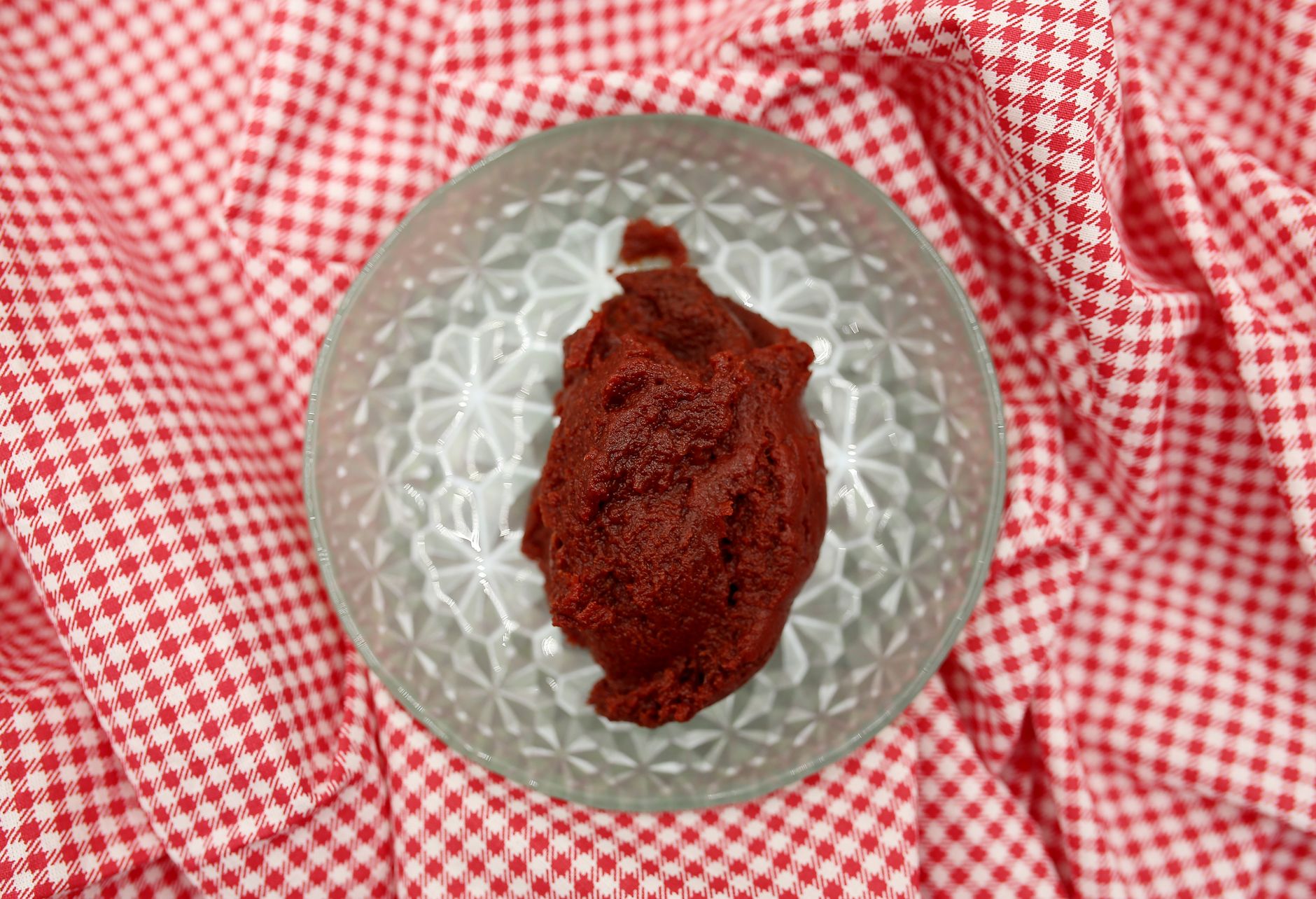
Tomato paste is a highly concentrated product made by cooking tomatoes for several hours to evaporate most water content. This process results in a thick, almost butter-like consistency with a deep, rich red-brown color. The intensity in flavor is much higher, with pronounced umami and subtle caramelized notes from extended cooking.
Tomato paste typically contains 2830% solids or more, which is why its so dense and flavor-packed. This concentration makes it a powerful ingredient for adding depth and richness even in small amounts.
Tomato Paste Flavor Profile and Culinary Uses
Tomato paste offers a robust, intense tomato flavor that stands up well in slow-cooked dishes. Its widely used to boost flavor in hearty stews, braises, and meat sauces. Chefs often recommend blooming tomato paste by frying it briefly in oil to develop sweeter, richer flavors before adding other ingredients.
According to culinary experts, paste is the go-to for dishes where tomato flavor needs to carry through long cooking times or where a thick base is critical, such as chili or beef rag.
Cooking with Tomato Paste: Tips and Tricks
- Always cook tomato paste a few minutes in hot oil (medium heat for about 23 minutes) before adding liquids. This process helps caramelize sugars and mellows acidity.
- When substituting paste for pure, dilute paste with water or stock to achieve a similar consistency.
- Be cautious not to add too much paste directly; it can overpower the dish with sharpness.
- For authentic richness, consider layering paste during different cooking stages.

Main Differences Between Tomato Pure vs Paste
Flavor Comparison
Tomato pure delivers a mild, fresh, mildly sweet taste, while tomato paste packs a sharp, concentrated, and slightly tangy punch. Pures flavor is subtle enough to blend with gentle herbs and delicate proteins, whereas paste is designed to make a bold statement in rich and complex sauces.
Texture and Consistency
Pure is semi-liquidsomewhere between sauce and juice in thickness. Paste, on the other hand, is thick and spreadable, almost like a dense tomato butter. This difference means pure pours easily, while paste must be spooned or diluted before use.
The accompanying table highlights these differences clearly:
| Aspect | Tomato Pure | Tomato Paste |
|---|---|---|
| Texture | Smooth, moderately thick liquid | Thick, dense, spreadable |
| Flavor | Mild, fresh, slightly sweet | Concentrated, intense, umami-rich |
| Typical Uses | Soups, light sauces, stews | Stews, braises, sauces needing depth |
| Cooking Time Needed | Short to moderate | Requires blooming to unlock flavor |
Typical Culinary Uses and When to Choose Which
Use pure when you want a tomato base without overwhelming other ingredients. It suits lighter dishes with shorter cook times. For dishes needing long simmering or rich flavor boosts, paste is your best bet.
For example, quick vegetable soups or shakshuka benefit from pure, while robust beef chili or Bolognese thrive with paste.
Interestingly, if you ever want to try freezing corn on cob, the principle of retaining flavor through proper prep applies similarly to tomato productshandling ingredients carefully boosts final taste.
Can You Substitute Tomato Pure for Paste (and Vice Versa)?
How to Swap Tomato Pure and Paste in Recipes
Substituting pure for paste works if you reduce pure to concentrate it, or dilute paste carefully to match consistency. A common ratio is using 3 tablespoons of pure for 1 tablespoon of paste, simmered down to thicken.
Conversely, to substitute paste with pure, thin the paste by mixing 1 part paste with 2 parts water or broth. Adjust seasonings since flavors dilute with added liquid.
What to Expect When Substituting
When swapping, expect some change in flavor intensity and texture. Using pure in place of paste produces a lighter tomato taste and thinner sauce, while paste in place of pure yields a thicker, more intense flavor. Adjust cooking time to either reduce excess liquid or mellow concentrated flavors.
I once swapped pure for paste in a slow-cooked lamb stew. The flavor was fresher but lighter, so I added extra herbs and spices to balance. Knowing these nuances helps avoid culinary surprises.
Quick Tips to Balance Flavor and Consistency When Swapping
- Simmer pure longer to reduce water content and concentrate flavors before adding to your dish.
- Mix tomato paste with a splash of water or stock to reach pure-like consistency.
- Taste as you goadjust salt and acidity accordingly after substitution.
Understanding Tomato Sauces: Pure, Paste, and Beyond
Difference Between Tomato Pure, Paste, and Other Tomato Sauces
Besides pure and paste, there are other tomato products like passata, crushed tomatoes, and canned sauce. Passata is uncooked pure strained to remove seeds and skin, often brighter and fresher tasting. Crushed tomatoes are chunkier with tomato pieces.
Knowing these helps you pick the right product for your dish. For example, passata often shines in raw or lightly cooked recipes, while crushed tomatoes work well where texture matters.
How to Choose the Right Tomato Sauce for Your Recipe
Quick cooks need milder sauces; longer simmering dishes benefit from concentrated ingredients. Matching your tomato product to cooking time ensures balanced flavors. As a culinary professional once advised, Start with pure if you want subtlety, paste when your recipe demands boldness.
For health-conscious cooks and those seeking Halal-certified options, always check for certification logos like JAKIM, HMC, or IFANCA to ensure product compliance and trustworthy sourcing.
Certification, Quality & Label Reading
When buying tomato pure or paste, especially if Halal certification is important, read the label carefully. Look for:
- Halal certification logos: JAKIM (Malaysia), HMC (UK), IFANCA (USA) to ensure compliance.
- Ingredient list: Should be simple just tomatoes, salt, sometimes citric acid. Avoid added sugars, preservatives, or stabilizers.
- Sodium content: Choose versions with low sodium (under 200mg per serving) if you monitor salt intake.
- Packaging date and shelf life: Tomato paste generally lasts 12 years unopened but should be used within 57 days after opening if refrigerated.
| Certification | Price Range | Common Formats | Shelf Life | Key Allergens |
|---|---|---|---|---|
| JAKIM / HMC / IFANCA | $1.50$3.00 per 200g | Cans, tubes, jars | 1224 months unopened | Generally none |
| Halal Non-certified (Check label) | Varies ($1$2) | Cans, tubs | 12 months unopened | Check for additives |
Most Overlooked Buying Mistake
Many shoppers grab the cheapest tomato paste or pure without checking the ingredients or certification. Cheap versions may include additives or be sourced from uncertified suppliers, risking flavor quality and Halal compliance. Choose trusted brands verified by certification bodies to ensure safety and consistency.
Expert Tip
Tomato paste quality varies by origin and processing. Look for paste labeled double concentrated or triple concentrated if you want deeper flavor. Also, store opened paste in an airtight container with a thin layer of olive oil on top to prolong freshness up to 2 weeks.
Recipe: Quick Tomato Pure vs Paste Sauce
| Prep time | Cook time | Total time | Servings | Calories | Diet tags |
|---|---|---|---|---|---|
| 5 minutes | 15 minutes | 20 minutes | 4 | 80 kcal per serving | Halal, Gluten-Free, Vegan |
Ingredients
- 2 tablespoons tomato paste
- cup tomato pure
- 2 tablespoons olive oil
- 1 small onion, finely chopped
- 2 garlic cloves, minced
- 1 teaspoon sugar (optional)
- Salt to taste
- Fresh basil or parsley (optional)
Steps
- Heat olive oil in a pan over medium heat for 2 minutes.
- Add chopped onion and saut for 5 minutes until translucent.
- Add minced garlic and cook for another 1 minute, stirring constantly.
- Stir in the tomato paste and cook for 3 minutes, stirring frequently, to bloom the paste.
- Pour in the tomato pure and mix well. Bring to a simmer.
- Reduce heat to low and let simmer gently for 7 minutes, stirring occasionally.
- Add sugar if desired to balance acidity, and season with salt to taste.
- Remove from heat and stir in fresh basil or parsley if using.
- Serve immediately over pasta or as a base for your favorite dish.
When is the best time to use tomato pure or paste?
Use tomato pure when you want a smooth tomato base without overpowering other ingredients. Tomato paste is best suited for dishes needing concentrated tomato flavor or long cooking times, such as stews and hearty sauces. Choosing the right product depends on your recipes cooking duration and flavor depth.
Is tomato pure or paste actually Halal what should I check?
Both tomato pure and paste are generally Halal as they come from tomatoes. However, confirm that the product carries Halal certification marks such as JAKIM, HMC, or IFANCA to ensure appropriate processing without contamination or non-Halal additives.
Can tomato paste replace tomato pure directly in recipes?
Tomato paste can replace pure if diluted properly. Typically, mix 1 part paste with 2 parts water or stock, then adjust seasoning and cooking time. Remember, paste is more concentrated, so using it directly without modification may cause overpowering flavor.
How long does opened tomato paste or pure last?
Opened tomato paste lasts 57 days when stored in an airtight container in the refrigerator. Tomato pure similarly keeps for about 57 days refrigerated. For longer storage, freezing is recommended.
Can I freeze tomato pure or paste?
Yes, freezing tomato pure or paste is a great way to extend shelf life. Portion into ice cube trays or small containers and freeze for up to 3 months. Defrost as needed for convenience.
Which one has more nutritional value?
Both are rich in lycopene and vitamins. However, tomato paste contains more concentrated nutrients per serving due to water removal. Pure has a higher water content, offering fewer calories but also less dense nutrition. Both are healthy additions to a Halal diet.
Are there common allergens in tomato pure or paste?
Pure tomato pure and paste generally contain no allergens. However, always check labels to avoid added ingredients that may include wheat or preservatives causing reactions.
How do I know if tomato paste has been cooked enough?
Properly cooked tomato paste will have a deep red to brown color and a slightly sweet, rich aroma. It should lose its raw, tangy edge after being sauted in oil for 23 minutes.
More You Might Like
Curious about other unique ingredients? Explore the nutritional benefits and uses of Turkey eggsa rich protein source with a distinct flavor.
If you want to preserve fresh produce efficiently, learn how to properly Freeze corn on cob for year-round freshness and flavor.
Conclusion
Understanding tomato pure vs paste helps you choose the right product for your cooking needs. Pure offers a lighter, smoother tomato base, while paste brings depth and intensity. Both can elevate your dishes when used thoughtfully. Next time you shop, check labels for Halal certification and quality, then experiment with these versatile tomato staples in your kitchen. Your meals will thank you.
FAQs
Is tomato purée vs paste actually Halal — what should I check on the label?
Both tomato purée and paste are generally Halal as they come from tomatoes, but confirm they carry Halal certification marks like JAKIM, HMC, or IFANCA to ensure proper processing and no contamination or non-Halal additives.
How long does opened tomato purée or paste last?
Opened tomato paste or purée lasts about 5 to 7 days refrigerated in an airtight container. For best quality, use within this period or freeze portions to extend shelf life up to 3 months.
What is the difference between tomato purée and tomato sauce?
Tomato purée is thicker and smoother than tomato sauce, with less liquid but not as concentrated as paste. Sauce usually contains added seasonings and is thinner, suitable for ready-to-use applications.
Are tomato purée and paste safe for everyday cooking?
Yes, both are safe daily cooking ingredients rich in lycopene and vitamins. Opt for varieties without added preservatives or excess sodium for healthier choices.
Where can I buy Halal certified tomato purée and paste?
Halal certified tomato purée and paste are available in major supermarkets, specialty Halal stores, and trusted online retailers. Look for certification logos on packaging to ensure authenticity.