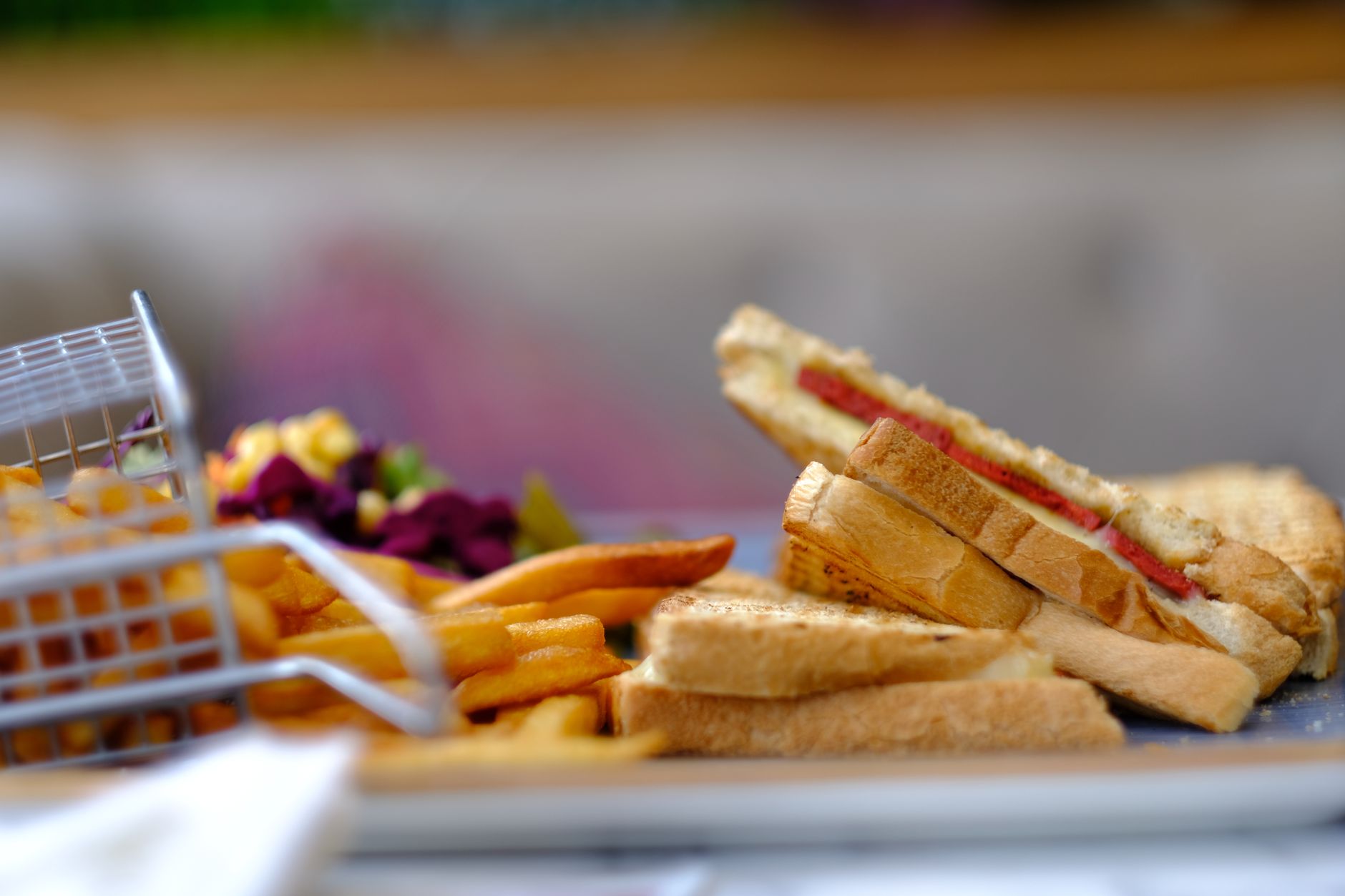
Ever wonder why restaurant sandwiches always seem richer, more flavorful, and perfectly balanced compared to the ones you make at home? The secret goes beyond just good ingredients. Its a combination of expert preparation, layering, and attention to detail that most home cooks dont realize. If youve ever wished your sandwiches tasted more like those from a deli or caf, youre in the right place. Lets explore what sets restaurant sandwiches apart and how you can bring those techniques to your kitchen.
Science and Art Behind Sandwiches
What Makes Restaurant Sandwiches So Flavorful?
Restaurant sandwiches pack flavor because every element is thoughtfully chosen and prepared. From the type of bread to the seasoning of each ingredient, chefs layer tastes to build complexity. Fresh, high-quality ingredients are essential, especially artisan breads that boast crusty exteriors and soft interiors. Restaurants often use house-made sauces and special spreads that have been carefully crafted to add depth. For example, a honey mustard or garlic aioli might be blended with fresh herbs to create a unique flavor boost.
Marinating proteins or curing deli meats enhances flavor as well. Seasoning is another game-changer. Restaurants dont just stack cold cutsthey season tomatoes, lightly toast breads, or brush olive oil on sandwich components to elevate taste. This results in a sandwich thats anything but bland or flat.
How Do Restaurants Balance Texture and Taste?
The secret to a memorable sandwich isnt just flavorits the contrast of textures that keeps every bite interesting. Think about how restaurant bread can be lightly toasted, offering a crisp crunch outside while remaining soft inside. Meanwhile, juicy fillings like roast beef or grilled chicken contrast with crunchy slaws, pickles, or fresh greens. This careful give and take keeps your mouth engaged throughout the meal.
Some places even press sandwiches or grill them before serving. This adds subtle caramelization and melds flavors beautifully. Warm meats layered with cool, crisp vegetables and smooth spreads create an exciting texture experience. Most home sandwiches miss this point, often ending up soggy or one-dimensional.
Real Examples From Restaurant Kitchens
Chefs in sandwich shops often rest cooked meats to retain juices and develop flavor fully. They also make compound buttersblending butter with garlic, herbs, or spicesto slather on breads before toasting. House-made hot sauces, relishes, or aioli blends add that extra punch of flavor that mass-produced condiments simply cant match.
One deli chef shared how layering a bit of vinegar-based slaw on top of smoked turkey refreshes the palate and balances savory richness, a trick you can easily try yourself.
Making Restaurant-Quality Sandwiches at Home
Best Ingredients To Use
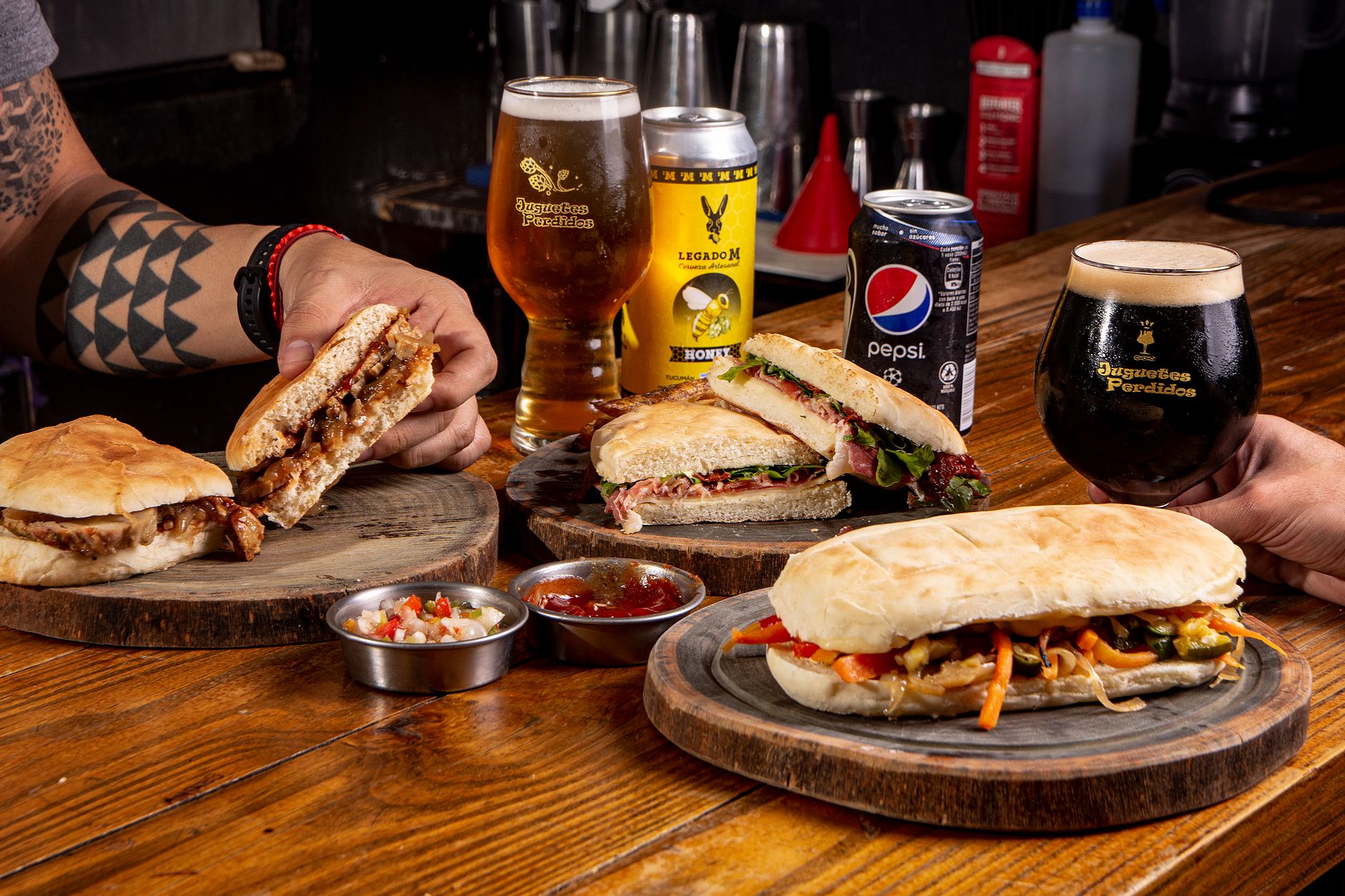
To match restaurant sandwiches at home, start with quality ingredients. High-grade breadslike artisan sourdough, ciabatta, or briocheprovide better flavor and texture than mass-produced options. Look for fresh, Halal-certified deli meats or perfectly cooked grilled chicken breast. Fresh veggies such as crisp lettuce, ripe tomatoes, and pickles add brightness and crunch.
Dont underestimate the power of spreads and condiments. Instead of generic mayonnaise or ketchup, try flavored mustards, garlic or herb aioli, and fresh chutneys. These add a critical layer of complexity and moisture without overpowering your other ingredients.

Flavorful Sandwich Tips: Layers and Prep
Start by seasoning each ingredient individuallysprinkle salt on tomatoes or a pinch of black pepper on your meats. This prevents bland bites and helps all the elements shine. Next, think about the order when assembling your sandwich. Place wetter ingredients like tomatoes or pickles in the middle to avoid soggy bread. Layering cheese near protein can create a moist barrier and add melt-in-mouth richness.
Lightly toasting your bread will improve texture and add a subtle nutty flavor. If you can, warm your meats slightly before assembling; this enlivens aromas and enhances taste. For a real restaurant vibe, press your sandwich for 34 minutes on a grill or sandwich press to meld flavors and textures.
Step-by-Step Guide: Building a Restaurant-Style Sandwich
- Lightly toast 2 slices of artisan bread until golden, about 2 minutes per side.
- Spread 1 tablespoon of garlic aioli on one slice and a spoonful of spicy mustard on the other.
- Layer 34 slices of thinly sliced, cooked chicken breast or your chosen deli meat.
- Add a slice of sharp cheddar or mozzarella cheese.
- Place thin slices of tomato seasoned with 1/8 teaspoon salt and a pinch of black pepper.
- Add a handful of fresh, crisp lettuce leaves (washed and dried).
- Top with a few dill pickle slices or your favorite crunchy topping.
- Close the sandwich and press in a panini maker or grill pan for 3 minutes on medium heat.
- Remove, cut diagonally, and serve immediately.
Key Ingredient Choices
Why Bread Really Matters
Bread shapes the entire sandwich experience. Mass-produced breads tend to be overly soft and sometimes contain preservatives and sugar. Artisan breadsoften made with natural fermentationoffer natural flavor, a chewy interior, and a crusty outside that holds fillings without getting soggy.
Choosing breads that are fresh, ideally from Halal-certified bakeries like those meeting JAKIM or IFANCA standards, will deliver better taste and confidence on your dietary choices.
Risks and Benefits of Sandwich Ingredients
Restaurants carefully source fresh, Halal-certified meats and vegetables to guarantee quality. However, some deli meats may contain additives or preservatives, so reading labels and opting for minimally processed products helps. Fresh vegetables add essential crunch and nutrients, balancing richer meats and spreads.
How to Choose Quality Ingredients Affordably
High-end bakery or specialty deli products can be pricey. Look for local Halal-certified producers offering weekly specials. You can substitute expensive artisan breads with well-reviewed supermarket options that emphasize natural ingredients. Frozen, pre-cooked chicken breasts or deli cuts labeled with clear Halal certification (such as HMC or IFANCA logos) are great alternatives without compromising safety or taste.
Restaurant Sandwich Secrets Revealed
Insider Tips You Cant Learn From a Cookbook
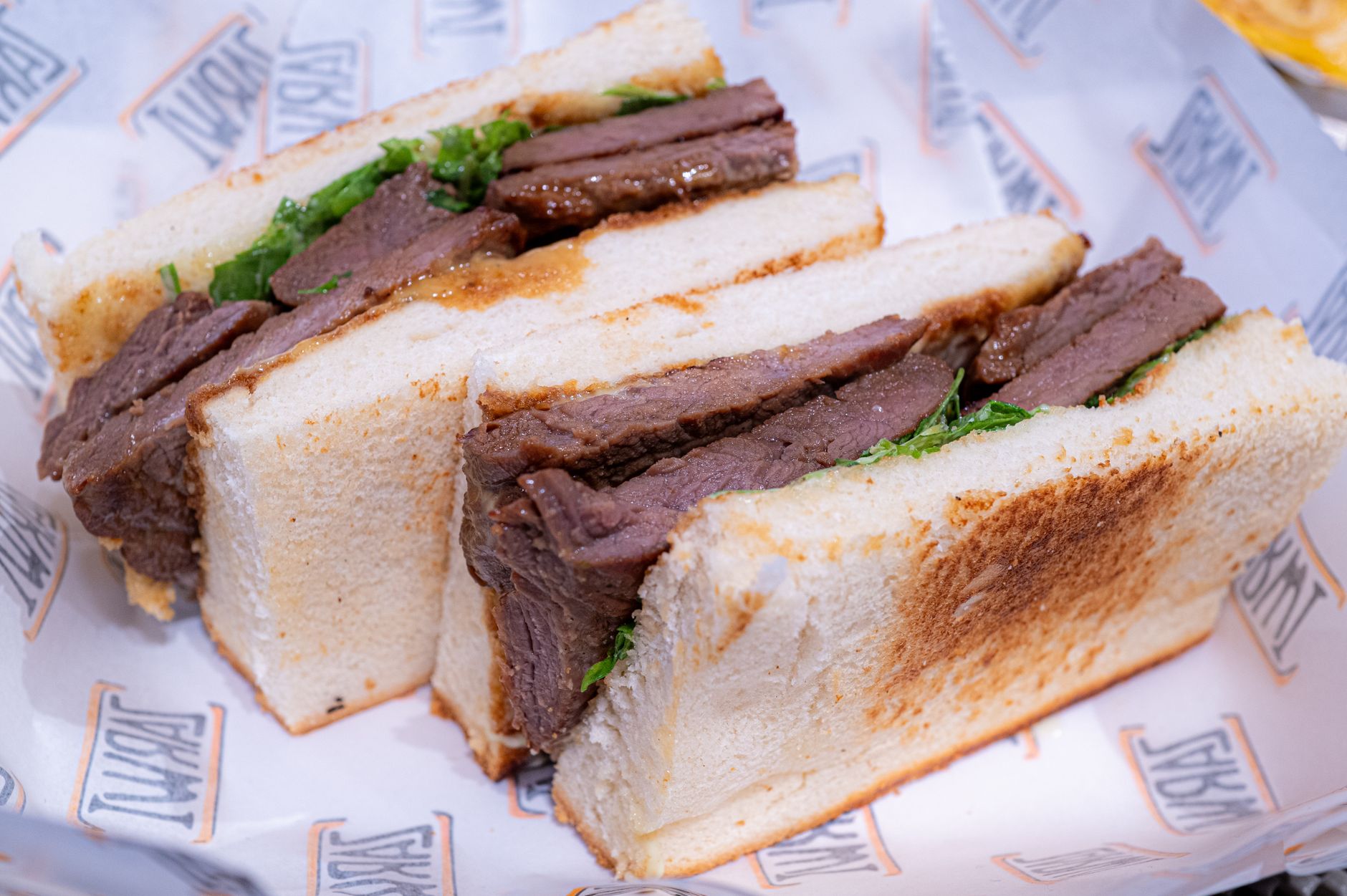
Professional sandwich makers swear by layering surprising flavors. Adding a touch of aciditylike a dash of vinegar in slawcuts through richness. House-made spreads with simple ingredients, such as mayonnaise mixed with Dijon mustard and a hint of smoked paprika, create unique identities. Applying moderate heat to ingredients, like lightly warming your meats or toasting bread with a spread of compound butter, releases aromas and deepens flavor.
What Pros Know About Presentation and Experience
Restaurants know that a sandwichs appeal is more than taste; its a multisensory experience. Colors, arrangement, and aroma play important roles. Crisp lettuce peeking from the side, perfectly melted cheese, and lightly toasted golden bread all create anticipation. The warmth of a sandwich impacts how we perceive flavorswarm foods release more aroma molecules, intensifying taste.
Incorporating These Secrets at Home
You dont need a commercial kitchen to adopt these tricks. Start experimenting with simple steps like seasoning veggies, warming meats gently on medium heat for 23 minutes, or making your own quick aioli by blending mayonnaise with fresh garlic and lemon juice. Try layering ingredients strategicallyplace moist vegetables away from breadand press sandwiches for extra texture.
When youre ready, explore rich recipes like a Habanero chili recipe to add a fiery kick to your sandwich spreads, or even enjoy handheld meals like Sheetz breakfast sandwiches for inspiration.
Is Restaurant Sandwich Meat Actually Halal What Should I Check?
Many restaurants serve Halal sandwiches, but its essential to verify certification. Look for trusted Halal certification logos on menus or signage, such as JAKIM, HMC, or IFANCA. These logos ensure that meats come from Halal-slaughtered animals and meet strict hygiene standards. If uncertain, ask the restaurant about their sourcing practices to guarantee your dietary needs are met.
When Is the Best Time to Eat Restaurant Sandwiches?
Sandwiches make a versatile meal at any timeperfect for quick lunches or light dinners. Warm or toasted sandwiches are best enjoyed immediately for crunchy bread and optimal flavor. Cold sandwiches are great for picnics, keeping fresh for up to 2 hours unrefrigerated. At home, consume sandwiches within 4 hours if left at room temperature or refrigerate and eat within 24 hours for safety.
Can I Use Frozen Meat for Homemade Restaurant-Style Sandwiches?
Yes, frozen meats like chicken breast or roast beef work well if thawed properly. Defrost in the refrigerator overnight for even thawing. Avoid microwaving meats as it affects texture. Cook thawed meat just before assembling to ensure juicy, tender fillings.
Are Artisan Breads Healthier than Store-Bought Bread?
Artisan breads often have fewer additives and longer fermentation times, which can improve digestibility and nutrient absorption. However, health depends on ingredients like whole grains and absence of preservatives. Always check for whole grain content and fiber levels on labels, especially if you prefer breads that support blood sugar balance.
How Do I Balance Flavors in a Sandwich?
Balance salty, sweet, sour, and savory elements. For example, pair salty meats with a slightly sweet spread, add acidic pickles or vinegar-based slaws, and include mild fresh vegetables for crunch. Layering flavors thoughtfully ensures every bite has complexity and prevents monotony.
What Is the Best Way to Store Leftover Sandwiches?
Wrap sandwiches tightly in plastic wrap or place in airtight containers. Keep refrigerated and consume within 24 hours for best taste and safety. Avoid storing sandwiches with tomatoes or wet ingredients if planning to eat later, as these can sog the bread.
How Can I Make Sandwich Spreads Healthier?
Choose spreads made from natural ingredients such as hummus, mashed avocado, or yogurt-based dressings. Avoid spreads with high sugar, additives, or excessive salt. Making your own sauces using fresh herbs, lemon juice, and olive oil allows better control of nutrition and flavor.
What Is One Common Mistake When Making Sandwiches at Home?
Many skip seasoning ingredients individually, which leads to bland taste. Salting tomatoes or seasoning meats before layering elevates overall flavor. Also, failing to toast or warm components often results in less appealing texture and aroma.
More You Might Like
Explore creative ways to spice up your sandwich spreads with a vibrant Habanero chili recipe. Or enjoy breakfast inspirations featuring handheld meals, like curated insights into Sheetz breakfast sandwiches.
Key Ingredient Checklist for Restaurant Sandwiches
| Certification | Price Range | Common Formats | Shelf Life | Key Allergens |
|---|---|---|---|---|
| JAKIM, HMC, IFANCA | $$ - $$$ | Fresh breads, sliced deli meats, cheese blocks, spreads | 35 days fresh; frozen meats up to 3 months | Gluten (bread), dairy (cheese), nuts (some spreads) |
Conclusion
Restaurant sandwiches taste so much better because of superior ingredient choices, expert flavor layering, and attention to texture and preparation details. You dont need a professional kitchen to get close to these resultsjust fresh, Halal-certified ingredients and simple techniques that make all the difference. Next time you shop, check labels carefully or try out these tips to enjoy sandwiches worthy of your favorite deli. Wed love to hear your sandwich successes or any tricks youve discovered along the way!
FAQs
Is restaurant sandwiches actually Halal — what should I check on the label?
To ensure restaurant sandwiches are Halal, check for certification logos like JAKIM, HMC, or IFANCA. These guarantees indicate meats are from Halal-slaughtered animals and meet strict hygiene standards. If unsure, ask the restaurant about their sourcing and certification to confirm compliance.
When is the best time to eat or drink restaurant sandwiches?
Restaurant sandwiches are best enjoyed warm or toasted immediately after preparation for optimal flavor and texture. Cold sandwiches work well for picnics but should ideally be consumed within 2 hours unrefrigerated. At home, eat within 4 hours at room temperature or refrigerate and consume within 24 hours.
What is the shelf life of restaurant sandwiches after opening or making them at home?
Freshly made sandwiches should be consumed within 24 hours if refrigerated. Avoid storing sandwiches with wet ingredients like tomatoes if planning to eat later, as this can cause soggy bread. Proper wrapping and refrigeration help maintain freshness and food safety.
How do restaurant sandwiches differ from common homemade alternatives?
Restaurant sandwiches use fresh, often artisan ingredients, expertly layered and seasoned to balance flavors and textures. Home sandwiches often lack seasoning, layering technique, and use mass-produced breads, resulting in less flavor complexity and poorer texture.
Where can I buy quality ingredients to make restaurant-style sandwiches at home?
Look for fresh, Halal-certified deli meats and artisan breads at specialty stores, local Halal bakeries, or online retailers. Weekly specials and well-reviewed supermarket brands with natural ingredients also offer affordable options without sacrificing quality.