When you pick up a cold beer, do you ever wonder about the story behind it? Ale vs lager might seem like just two names on a menu, but the real difference lies deep within the brewing process that magic behind the scenes shaping flavor, aroma, and even how the beer feels on your tongue. Whether you‘re a casual sipper or a curious enthusiast, understanding ale vs lager helps you sip smarter and enjoy fully.
Brewing Processes Explained
What Is the Ale Brewing Process?
Ale brewing relies on top-fermenting yeast, which works best at warmer temperatures between 60-75F (15-24C). This yeast, known scientifically as Saccharomyces cerevisiae, rises to the top during fermentation. The faster activity produces fruity and complex flavor notes, often highlighted by esters and phenols.
The fermentation typically takes just a few days to a couple of weeks, making ales quicker to produce than lagers. Classic examples include pale ales, IPAs, stouts, and porters. These tend to have a robust and often bold taste profile, favored for their variety and intensity. Ales can develop richer aromas because of their warmer, shorter fermentation.
What Is the Lager Brewing Process?
Lager production uses bottom-fermenting yeast, mostly Saccharomyces pastorianus. This yeast works slowly at cooler temperatures of 45-55F (7-13C), settling near the tank‘s bottom as it ferments. The colder environment requires longer maturation often several weeks to months which creates a cleaner, crisper beer with less fruity complexity than ales.
Youll find lagers in popular styles such as pilsners, helles, and bocks. Their smooth, mellow flavor and lighter body make them ideal for easy drinking and pairing with food. The slow fermentation removes many byproducts that cause cloudiness or sharp flavors, yielding a more polished taste.
Brewing Comparison: Ale vs Lager Process
| Aspect | Ale | Lager |
|---|---|---|
| Fermentation | Top-fermented (warm) | Bottom-fermented (cold) |
| Yeast Strain | Saccharomyces cerevisiae | Saccharomyces pastorianus |
| Temperature Range | 60-75F (15-24C) | 45-55F (7-13C) |
| Fermentation Time | Days to weeks | Weeks to months |
| Taste Profile | Fruity, robust, complex | Clean, crisp, smooth |

Taste Differences
How Does Fermentation Affect Taste?
Fermentation shapes the flavor, aroma, and mouthfeel of any beer. Ale yeasts warm, vigorous fermentation creates estersa group of chemical compoundsthat bring out fruity, spicy, and sometimes even floral notes. This gives ales their signature complexity and boldness.
Lagers, on the other hand, undergo slow, cool fermentation that suppresses ester formation. This yields a cleaner, crisper flavor profile often described as smooth or even neutral. Youll notice fewer heavy aromas and more emphasis on malt sweetness or hop bitterness depending on the style.
Common Flavor Profiles Compared
- Ales: Fruity, bitter, spicy, full-bodied, sometimes with hints of caramel or chocolate.
- Lagers: Crisp, light, clean, often mildly sweet with subtle hop bitterness.
| Flavor Aspect | Ale | Lager |
|---|---|---|
| Fruitiness | High | Low |
| Bitterness | Moderate to high | Low to moderate |
| Body | Medium to full | Light to medium |
| Mouthfeel | Rich, creamy or velvety | Light, crisp |
When pairing beers with food, ales often match well with rich, hearty dishes, while lagers complement lighter flavors. For example, try a robust stout with grilled meats or a smooth lager with fish or salads.
Beer Categories
Main Beer Families
Most beers fall under either ale or lager categories, distinguished primarily by fermentation style. Alongside these, specialty and hybrid beers exist, blending techniques or adding unique ingredients, but ales and lagers remain the foundation.
Popular Ale and Lager Types
- Ales: IPA, stout, porter, Belgian ale, pale ale
- Lagers: Pilsner, helles, mrzen, bock, Vienna lager
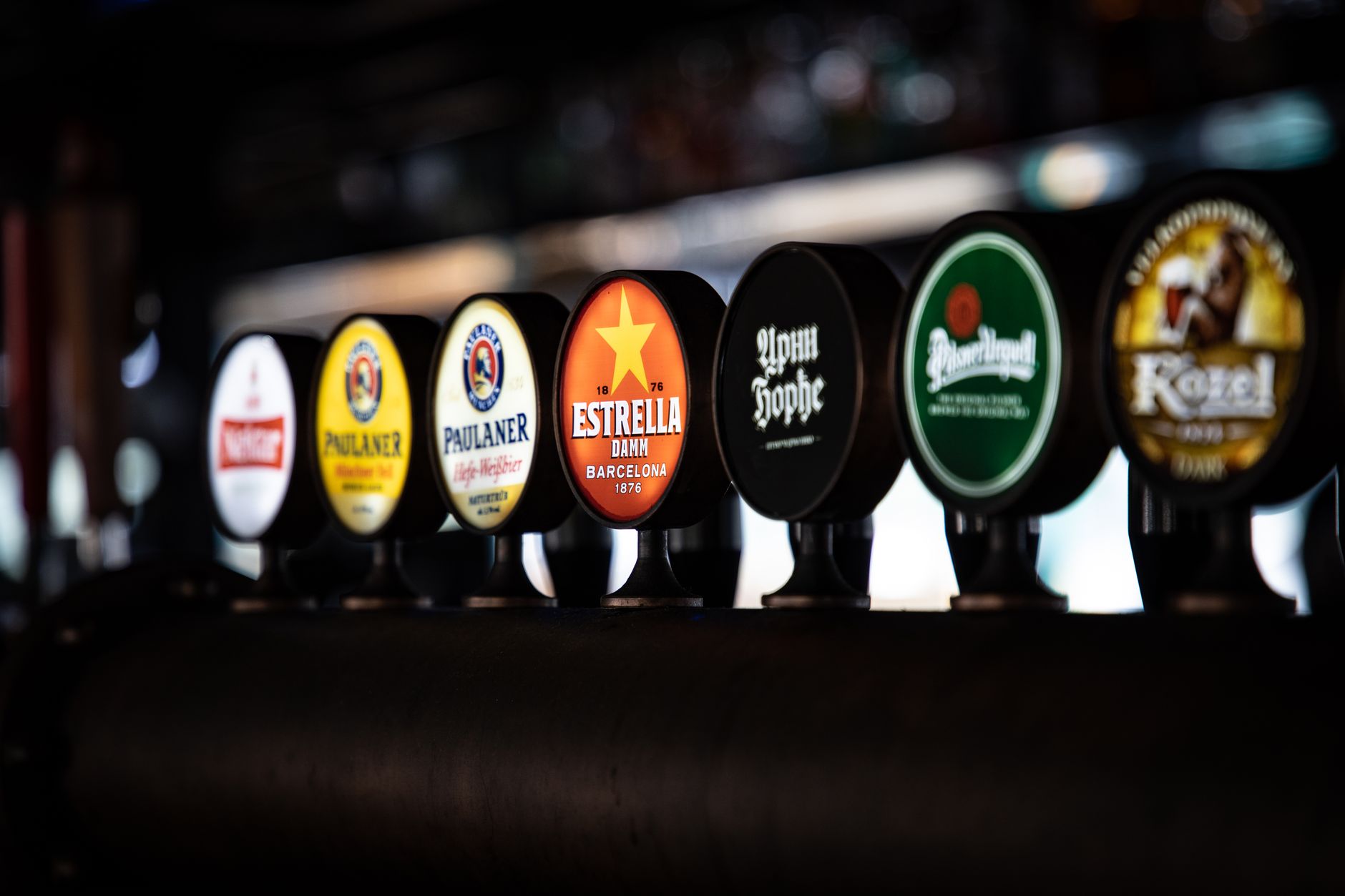
Visual Guide: Ale vs Lager Types
Heres a quick grouping to remember:
- Ale: Bold, aromatic, and often darker
- Lager: Lighter, cleaner, and more refreshing
Science Behind Fermentation
What Happens During Fermentation?
Fermentation is the biological process where yeast converts fermentable sugars into alcohol and carbon dioxide. Its the secret engine that turns wort into beer. Along the way, yeast releases by-products influencing aroma and flavor.
Yeast Differences
The yeast strains in ales and lagers differ not just in location (top vs bottom of the fermenter) but in biology. Ale yeast thrives warmer and more rapidly, creating those fruity esters. Lager yeast prefers chillier conditions, fermenting slower, reducing esters, and enhancing smoothness.
Science indicates fermentation temperature also alters yeast metabolism, affecting the clarity and taste stability of finished beer (according to brewing microbiology studies). This knowledge helps craft brewers control the sensory experience precisely.
Benefits and Brewing Challenges
Health and Nutrition
Both ale and lager contain similar alcohol content, roughly 4-7% ABV depending on the style. Their calorie counts range from about 150 to 250 per 12 oz serving, influenced by malt and sugar levels. For those mindful about Halal dietary standards, beer is typically non-Halal due to alcohol content, but some brands produce non-alcoholic malt beverages with proper certification. Checking for recognized logos such as the JAKIM, HMC, or IFANCA Halal symbols remains crucial.
People sensitive to gluten or histamines may notice varying effects depending on beer type, as ales sometimes have higher histamine levels due to yeast activity.
Brewing Difficulties
Lager brewing demands strict temperature regulation and long aging, requiring precise equipment and patience. This makes lagers more expensive and time-consuming to produce. Ales, being faster and more forgiving, are often the go-to for homebrewers and craft breweries.
Still, ale brewings rapid fermentation increases risks for off-flavors if not carefully managed. Expert brewers emphasize cleanliness, temperature control, and yeast health to avoid these issues.

Pairing Ale and Lager
Ale pairs wonderfully with grilled meats, spicy foods, and rich desserts. Its bold nature stands up well to strong flavors. Lager suits lighter dishes like salads, seafood, and creamy cheeses, bringing a refreshing balance without overpowering.
Exploring pairings can be a fun way to understand the differences yourself and elevate your mealtime.
For those interested in beverages beyond beer, the flavors and ingredients in many Rum ingredients and unique Vodka drinks offer exciting alternatives to explore.
Is ale vs lager actually Halal what should I check?
Traditional ales and lagers contain alcohol, so they are not Halal by standard Islamic dietary laws. For Halal consumers, look for malt beverages or beers labeled non-alcoholic with proper certification by recognized bodies such as JAKIM, HMC, or IFANCA. Certification logos and ingredient transparency are your best assurance.
When is the best time to drink ales and lagers?
Ales with their stronger, richer flavors are best enjoyed during colder months or with heavier meals. Lagers suit warmer weather and lighter dining occasions, offering crisp refreshment. Ultimately, your taste preference guides when to enjoy each.
Can I brew ale or lager at home?
Yes, homebrewing is popular for both styles. Ale brewing is easier for beginners due to faster fermentation and less temperature sensitivity. Lager brewing requires specialized cool fermentation environments and patience. Both require sanitation and careful monitoring for best outcomes.
What flavors should I expect when tasting ale?
Ale flavors range from fruity, floral, spicy to robust roasted or caramel notes. These come from the yeast esters and malt profile combined with hops. Expect complexity and fullness.
How do lagers compare in alcohol content?
Lagers generally have moderate alcohol content, from about 4-6% ABV, but certain styles like bocks or mrzen lagers can reach higher levels. Alcohol strength varies by recipe and style tradition.
Are ales or lagers better for pairing with spicy foods?
Ales often fare better with spicy foods due to their fuller body and complex aromas that can complement strong spices. Lagers lightness might get overwhelmed by intense heat unless chosen carefully.
Can I find gluten-free ales or lagers?
Yes, some breweries produce gluten-free beers using sorghum, rice, or millet instead of barley malt. Look for certified gluten-free labels. Taste and texture may differ from traditional beers.
Tips for Appreciating Ale and Lager
- Dont confuse color with style: Many lagers are dark and some ales light. Focus on taste and brewing method instead.
- Temperatures matter: Serve ales slightly warmer (50-60F) and lagers colder (40-50F) to unlock their full flavor.
- Careful label reading: If you seek Halal-certified drinks, verify certification logos and alcohol percentages carefully.
- Experiment with pairings: Try lagers with fresh salads or ales with smoked meats to see how flavors interact.
More You Might Like
Explore our detailed article on Rum ingredients to learn about this popular spirits flavor origins and Halal considerations.
Looking for refreshing options beyond beer? Check out our guide on unique Vodka drinks perfect for social occasions.
Conclusion
Ale vs lager might seem like a simple choice at first glance, but its really about fermentation style, yeast behavior, and resulting flavors. With this knowledge, you can confidently select beers that suit your taste or meal and appreciate what goes into each sip. Next time you shop or order, take a moment to check the label and remember the process behind your glass. Cheers to discovering your perfect brew!
FAQs
Is ale vs lager actually Halal — what should I check on the label?
Traditional ales and lagers contain alcohol and are not considered Halal under Islamic dietary laws. Look for non-alcoholic malt beverages certified by recognized bodies like JAKIM, HMC, or IFANCA, and verify certification logos to ensure compliance.
When is the best time to drink ales and lagers?
Ales with their stronger, richer flavors suit colder months or heavier meals, while lagers are perfect for warmer weather and lighter dishes. Your personal taste preference ultimately guides when to enjoy each style.
How long can I keep beer after opening?
Once opened, beer should ideally be consumed within 1–2 days to retain freshness and flavor. Exposure to air leads to oxidation and loss of carbonation, affecting taste and quality.
How do ales differ from other common beer types?
Ales use top-fermenting yeast at higher temperatures, producing bold, fruity flavors, unlike lagers which ferment slowly at cooler temperatures for a crisper, cleaner taste. This distinction defines the main beer families.
Where can I buy Halal-certified beer alternatives?
Halal-certified non-alcoholic malt beverages are available through specialty retailers, Islamic grocery stores, and some mainstream supermarkets. Always check for proper certification labels and ingredient transparency before purchasing.