Pomegranates ripe and ready to eat offer a burst of juicy sweetness and health benefits that few fruits can match. But how do you tell if your pomegranate has reached perfect ripeness? The secret lies in observing the color, weight, texture, and shape before you buy or harvest. Knowing these signs helps ensure you enjoy the full rich flavor and nutritional value that fresh pomegranates bring to your table.
Key Signs to Check
Checking the Color: What Does a Ripe Pomegranate Look Like?
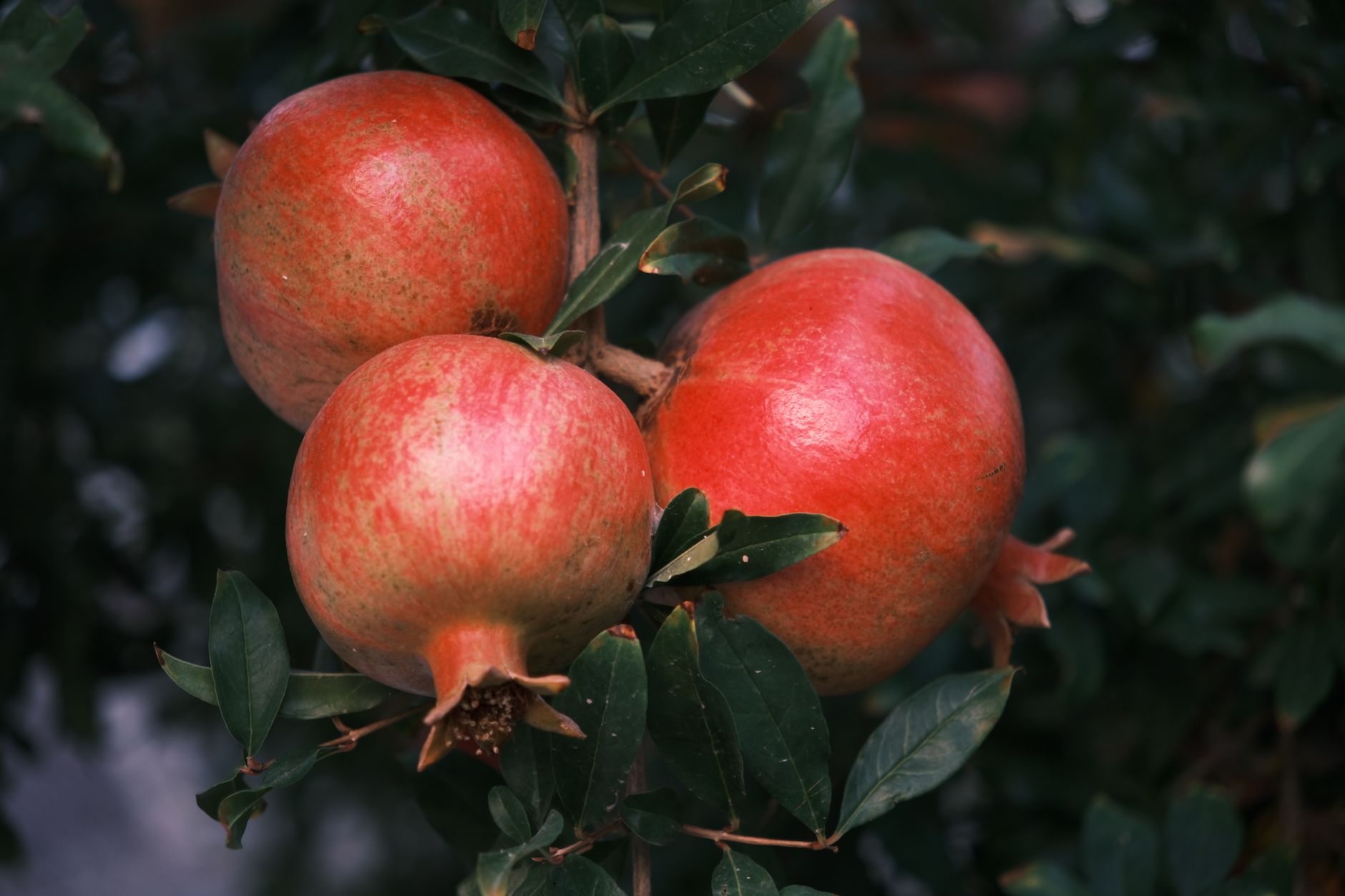
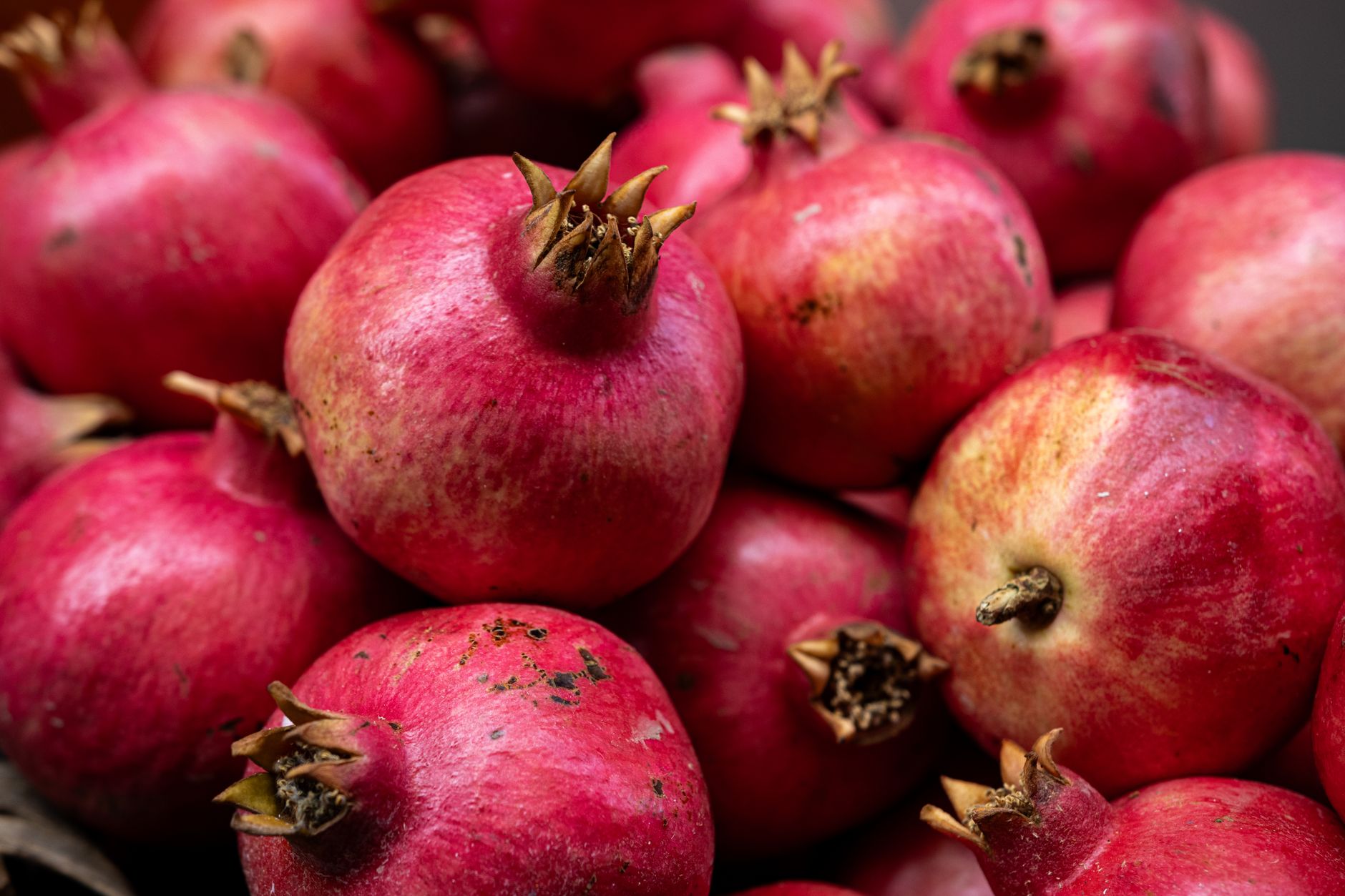
The color of a ripe pomegranate varies depending on the variety, but generally, a deep, vibrant red is a strong indicator of ripeness. Look for an evenly colored skin that glistens with a slight sheen. Avoid fruits with large green patches, which usually mean the fruit is not ripe yet, or dull and brownish skin, which could signal overripe or aging fruit.
Fruit experts point out that pigment concentration intensifies as sugars develop inside the fruit. This rich red hue correlates to better sweetness and juice content. Some varieties like "Angel Red" or "Sweet," may show a slightly lighter or pinkish shade when ripe, so consider the type youre selecting.

The Weight Test: Using Heft to Judge Ripeness
When you pick up a pomegranate, the weight can tell you a lot. Ripe pomegranates feel heavy for their size because they have juicy, plump seeds inside. If the fruit feels light or hollow, its likely underripe or drying out.
Experienced sellers recommend comparing fruits at the store by holding them in hand the heavier one usually has more juice and better flavor. This simple tactile test is an easy way to avoid dry, tasteless pomegranates and get the best bang for your buck.
Texture and Firmness: What Should You Feel?
The skin texture of ripe pomegranates strikes a balanceit should be firm and taut but not rock hard. If the skin feels soft or shriveled, the fruit is probably overripe or has begun drying inside. Conversely, very hard skin with no give often means the fruit isnt mature enough to have full sweetness.
Look for a fruit with smooth skin and a slight gloss; this indicates freshness. Growers use this tactile cue when harvesting to avoid picking too early or letting the fruit hang too long where it can crack or dry out.
Shape and Crown: Indicators You Might Overlook
Ripe pomegranates tend to have a rounder, fuller shape without flat areas or indentations. The characteristic crown at the top should be intact and appear relatively dry, not shriveled or mushy.
Fruit specialists note that pomegranates with a well-formed crown are a sign of healthy development. Some minor skin cracking around the crown can also indicate peak ripeness, as natural internal pressure builds up from juicy seeds.
Timing Tips for Harvesting
The Ripe Pomegranate Signs to Watch Out for on the Tree
Pomegranates reach peak ripeness in late summer through early fall, depending on regional climate. When growing your own or picking fresh from orchards, watch for fruits that have turned deep red with a matte finish and feel heavy. Often, the skin will start to crack slightly due to juice buildup, a strong signal that harvest time is near.
If the fruit is still mostly green or pale, it needs more time. Harvesting too early means a tart taste and less juice. Overripe fruits tend to fall off on their own or have shriveled skin.
How to Perform a Pomegranate Ripeness Test Before Picking
- Look: Color should be deep red without large green spots.
- Feel: Gently squeeze the fruit; it should be firm with a slight give.
- Weigh: Heavy fruits relative to their size are juicier.
- Tap: Knock lightlythe sound of a ripe pomegranate often carries a metallic or hollow ring.
These simple steps help gardeners and market shoppers avoid picking fruit too early or missing the ideal flavor window.
What to Look For
| Certification | Price Range | Common Formats | Shelf Life | Key Allergens |
|---|---|---|---|---|
| Halal (JAKIM, HMC, IFANCA) | $2 - $5 per fruit (varies by region) | Whole fruit, seeds (arils), juice bottles | 3-4 weeks refrigerated; 5-7 days at room temp | None (natural fruit; watch for cross-contamination in processed juices) |
Additional Tips and Mistakes
Avoiding Underripe and Overripe Fruits
Many shoppers mistakenly assume the darkest pomegranate is the best. But overripe fruit can have dull skin, cracks, or dry seeds that reduce flavor dramatically. Conversely, underripe pomegranates are hard, pale, and taste bitter.
Check for softness or shriveling to avoid overripe choices. Also, avoid blemishes or bruises that may have started fermentation or molding.
How to Store Pomegranates
Store whole pomegranates in the refrigerator crisper drawer, where they last 34 weeks without losing flavor. Once opened, the seeds (arils) should be kept in airtight containers and consumed within 57 days.
For longer preservation, consider freezing pomegranate arils for up to 6 months. This method is convenient for recipes and smoothies. For ideas on freezing fruit safely, check out Freeze watermelon tips, which also apply well to pomegranate seeds.
Health Benefits vs. Eating Risks
Ripe pomegranates deliver rich antioxidants, vitamins C and K, and dietary fiber, all aiding heart health and digestion, according to the USDA FoodData Central. Eating underripe fruit might cause stomach discomfort or a very tart experience, while overripe fruit may lose some nutrients and flavor.
Choose ripe fruit to maximize benefits and enjoyment. Given the importance of Halal certification on food safety, look for trusted logos like JAKIM or HMC on processed pomegranate products.

Is a cracked pomegranate ripe?
A cracked skin can signal ripeness due to internal juice pressure, but bewareit can also mean the fruit is overripe or prone to spoilage. Only buy cracked fruits if they still feel firm and show no signs of mold or dehydration.
Practical Buying Tips
- Most Overlooked Mistake: Buying by color alone. Use weight and texture too.
- Why Cheap Versions Disappoint: Often underripe or poorly stored, leading to bland taste.
- Expert Tip: Smell the stem end for a sweet aromaa subtle hint of freshness and ripeness.
If you‘re interested in nutrition-packed choices, explore plant based foods high in protein to complement your pomegranate desserts and snacks.
Is pomegranates ripe actually Halal what should I check?
Pomegranates themselves are naturally Halal. When buying processed pomegranate products (juice, syrups), check for Halal certification logos from recognized bodies like JAKIM, HMC, or IFANCA. These ensure the product complies with Halal standards and does not contain alcohol or non-Halal additives.
How can you tell if a pomegranate is overripe?
Signs of overripe pomegranates include cracked skin, a dull or brownish outer layer, soft spots, and dryness of the seeds inside. The fruit may feel lighter and less firm, and taste may be fermented or sour rather than sweet.
Can you eat pomegranates before theyre fully ripe?
Eating underripe pomegranates is possible but often not enjoyable because the fruit tastes sour and the seeds are harder. Underripe fruits may cause mild stomach upset in some people. Its best to wait until the skin has deepened in color and the fruit feels heavy and firm.
Does a cracked pomegranate mean its ripe?
A crack can indicate ripeness but might also mean damage or overripeness. Use other signs like weight, firmness, and color to decide if the fruit is good to eat. Avoid cracked fruits that smell off or show mold.
When is the best time to eat pomegranates?
The best time to eat pomegranates is when theyre fully ripe, typically from late September to November. At this stage, theyre sweetest, juiciest, and nutritionally richest. Eating soon after purchase ensures freshness and taste.
Whats the difference between pomegranate varieties in ripeness?
Different varieties vary in color and ripening time. Some have ruby-red seeds and dark skin, others lighter hues. Always check ripeness signs for the specific variety as some mature earlier or later and have slightly different taste profiles.
How long do pomegranates last after picking?
Whole pomegranates last up to 4 weeks refrigerated and about 1 week at room temperature. Once opened, seeds last 57 days refrigerated. Proper storage extends freshness and flavor.
Can you freeze ripe pomegranate seeds?
Yes, freezing pomegranate arils preserves them up to 6 months without losing flavor or texture. Spread seeds on a tray to freeze individually before storing in airtight bags to avoid clumping. This makes them easy to add to dishes anytime.
More You Might Like
Discover tips on how to freeze watermelon for refreshing snacks that keep well in the freezer. Also, learn about nutrient-rich plant based foods high in protein to power your meals with clean, Halal options.
Conclusion
Knowing how to tell if pomegranates are ripe makes all the difference for flavor and nutrition. By checking their color, heaviness, texture, and shape, you can select the best fruits every time. Next time you shop, use these easy tests to enjoy fresh, juicy pomegranates at peak ripeness. Feel free to share your own tips or questions in the comments below.
FAQs
Is pomegranates ripe actually Halal — what should I check on the label?
Pomegranates themselves are naturally Halal. For processed products like juice or syrups, look for Halal certification logos from recognized bodies such as JAKIM, HMC, or IFANCA to ensure compliance with Halal standards and absence of alcohol or non-Halal additives.
How long do pomegranates last after opening?
Whole pomegranates last up to 3-4 weeks refrigerated and about 5-7 days at room temperature. Once opened, the seeds (arils) should be stored in airtight containers and consumed within 5-7 days for best freshness.
What is the difference between pomegranate varieties in ripeness?
Varieties differ in skin color, seed color, and ripening time. Some have deep red skin and ruby seeds, others are lighter or pinkish. Ripeness signs vary slightly, so identify your variety to check the best indicators for sweetness and juice content.
Can you eat pomegranates before they’re fully ripe?
Though edible, underripe pomegranates taste sour and have harder seeds, which may be unpleasant and cause mild stomach upset. It’s best to wait until the skin deepens in color and the fruit feels heavy and firm for optimal taste.
Where can I buy high-quality ripe pomegranates?
Look for ripe pomegranates at farmers’ markets, grocery stores, or orchards during peak season (late summer to fall). Select fruits by color, weight, and firmness. Check for Halal certification if buying processed products from trusted brands and suppliers.