You reach for a pan to sear a steak, and you see two options on your rack: one with slanted sides and one with straighter, taller walls. Which one is a skillet vs frying pan? In everyday cooking, the terms are often used interchangeably, but the shape and design actually affect how your food cooks. Understanding the difference helps you choose the right pan for each dish, especially when you care about even browning, moisture retention, or flipping ease. Let‘s break down what makes each pan unique and when to use them.
Understanding Skillet Vs Frying Pan: Key Differences
What exactly makes a skillet different from a frying pan?
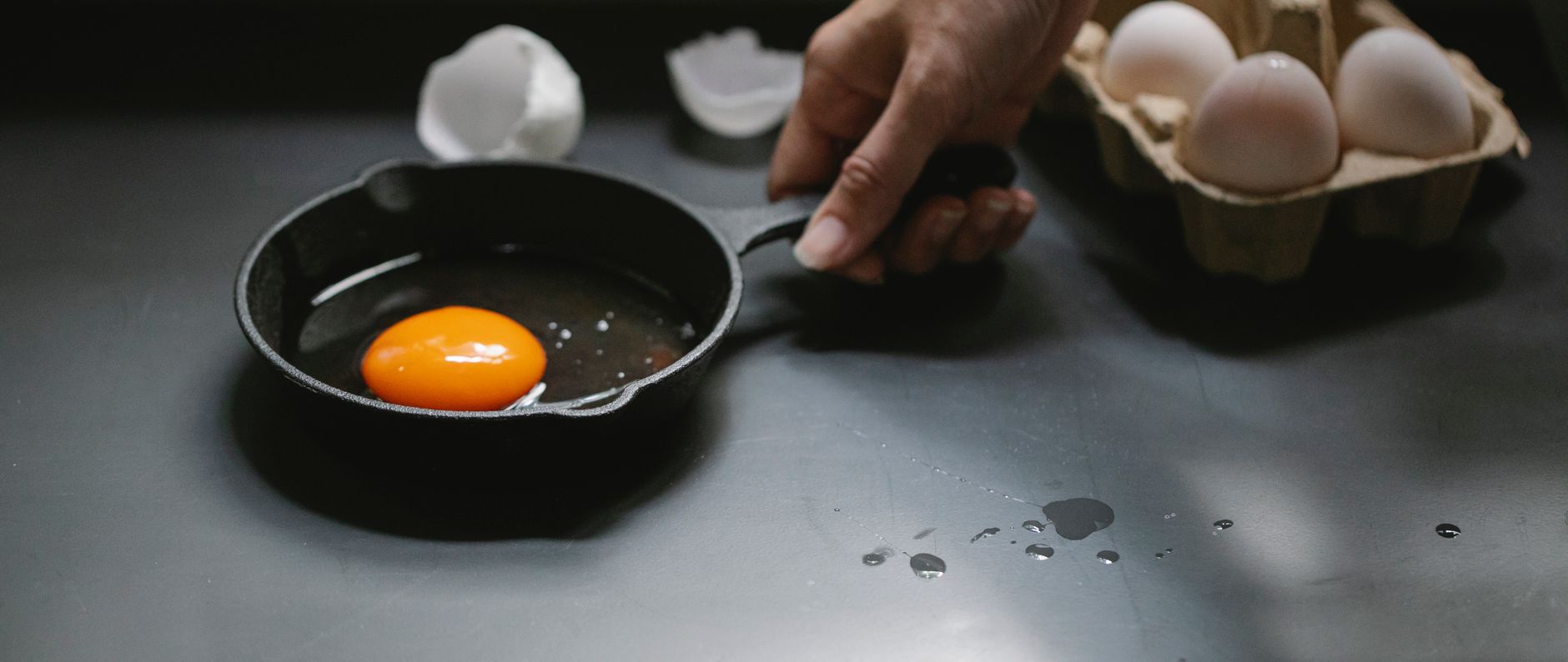
At first glance, a skillet and a frying pan look similar. But the skillet (often called a cast iron skillet) has higher, slightly flared sides usually 2 to 3 inches tall. A frying pan, on the other hand, has shorter, more gently curved sides, typically 1 to 1.5 inches. This shape difference changes how heat circulates and how you handle food. Skillets are better for holding liquid, braising, or oven finishing, while frying pans excel at quick frying and flipping.
How do skillet and frying pan designs affect cooking?
The height of the sides influences heat retention and moisture control. A skillet‘s taller walls trap steam, making it ideal for slow-cooking sauces or braising meat. The thicker material cast iron or stainless steel holds heat longer, creating a steady sear. Frying pans, with their low sides, allow steam to escape quickly, keeping food crisp. They are also easier to toss food in, like stir-fries or omelettes. Handle length also matters: skillets often have a long handle and sometimes a small helper handle for heavy lifting, while frying pans usually have a single long handle.
Comparison Table: Skillet Vs Frying Pan Features and Uses
| Feature | Skillet | Frying Pan |
|---|---|---|
| Side height | 23 inches, tall and sloped | 11.5 inches, low and curved |
| Material | Cast iron, stainless steel (often heavy) | Non-stick, aluminum, stainless steel |
| Best for | Searing, braising, oven use | Pan-frying, flipping, quick cooking |
| Heat retention | High, steady | Moderate, responsive |
| Oven safe? | Usually yes (even high heat) | Depends on handle (non-stick often low heat) |
| Weight | Heavier (36 lbs) | Lighter (13 lbs) |
Skillet Uses and Frying Pan Types: Which Should You Pick?
What are common skillet uses?
A skillet shines in recipes that need consistent heat over longer periods. You can start a chicken breast on the stovetop and transfer the skillet directly to the oven to finish cooking. Skillets are also excellent for one-pan meals like a creamy pasta or a hearty stew because the high sides prevent splattering. If you own a cast iron skillet, it‘s also perfect for baking cornbread or even deep frying.
What types of frying pans are available?
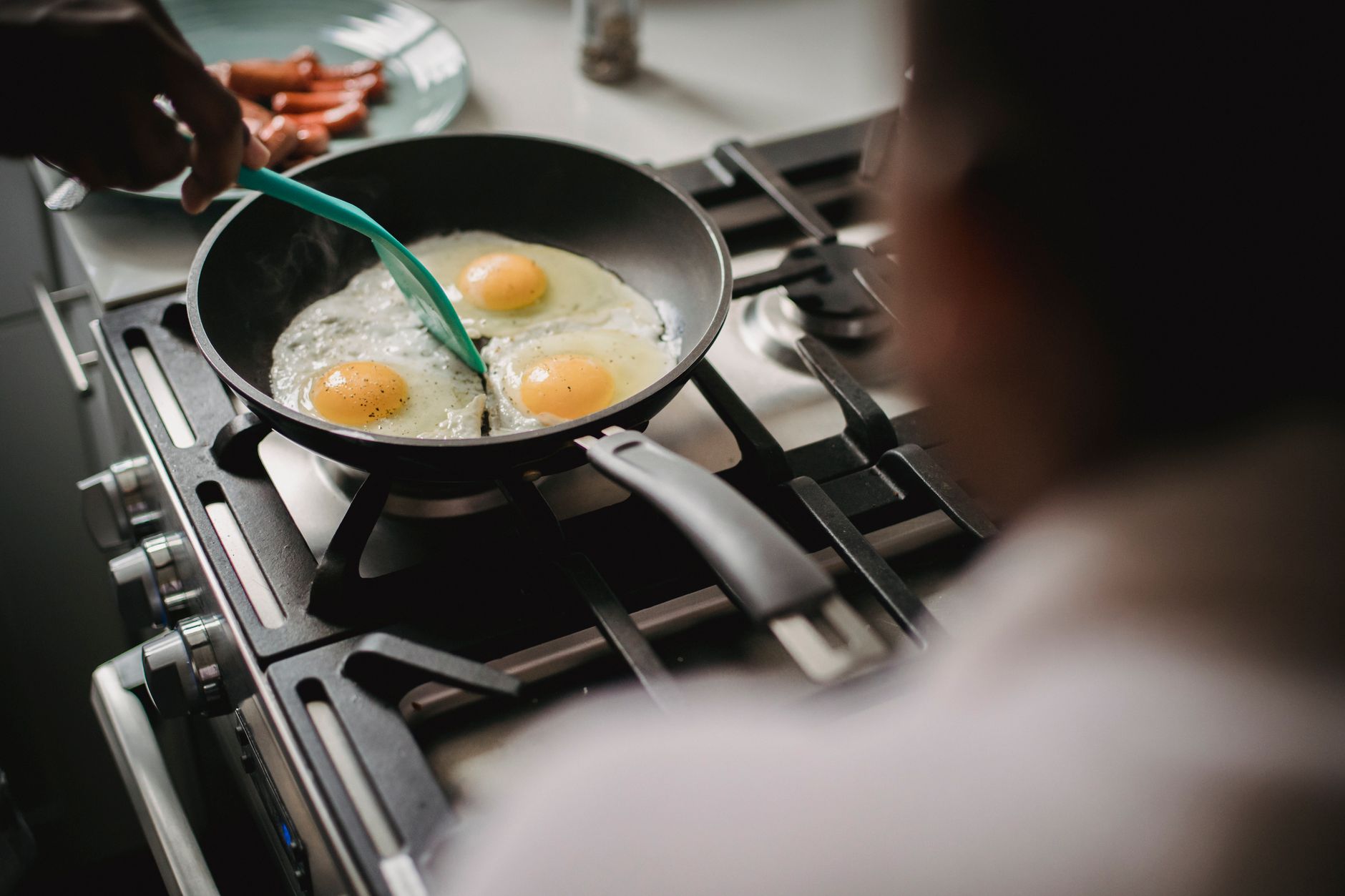
Frying pans come in non-stick, stainless steel, aluminum, and ceramic varieties. Non-stick frying pans are lightweight and great for delicate foods like eggs or fish. Stainless steel versions offer better browning and durability but require more oil to prevent sticking. Aluminum pans heat up quickly but can warp. For Halal cooking, check that any non-stick coating is free from PFOA and PFOS many brands now offer eco-friendly options. You can also find frying pans with a second dishwasher safe finish, though hand washing is better for longevity.
Best pan for cooking different food categories
For meats like steak or lamb chops, a heavy skillet gives the best crust. For eggs or pancakes, a non-stick frying pan is easier to clean. Vegetables can go either way: quick stir-fry in a frying pan, or slow caramelisation in a skillet. If you follow Halal diet guidelines, always use a pan dedicated for halal meats to avoid cross-contamination and avoid pans previously used for non-halal fats.
Skillet Cooking Tips and Frying Pan Material Insights
How to care for and maintain your skillet or frying pan?
Cast iron skillets need seasoning a thin layer of oil baked onto the surface to stay non-stick. After each use, scrub with hot water and a stiff brush, dry immediately, and rub with a teaspoon of oil. Do not use soap on cast iron unless you are stripping the seasoning. For stainless steel frying pans, a paste of baking soda and water removes stubborn stains. Non-stick pans require gentle sponges and never metal utensils. Always let pans cool before washing to prevent warping.
Which frying pan material works best for your cooking style?
If you cook on high heat frequently, choose stainless steel or cast iron. They can handle temperatures up to 500F without damage. Non-stick pans are best for low to medium heat exceeding 450F can degrade the coating. For Halal households that cook many dishes, having at least two pans: one heavy skillet for meat and one non-stick for eggs and vegetables. Look for certification logos from trusted bodies like JAKIM or IFANCA if you want assurance that the manufacturing process meets Halal standards though cookware itself isn‘t typically certified, some brands explicitly state they are Halal-compliant.
Expert Tips for Perfect Cooking With Each Pan Type
Always preheat your pan before adding oil. For a skillet, heat on medium for 34 minutes. For a frying pan, 2 minutes is enough. The water droplet test works: flick a drop of water on the pan if it sizzles and dances, it‘s ready. Use enough fat to coat the surface; butter or ghee works well for Halal cooking. Do not crowd the pan leave space between pieces so they brown, not steam. And remember to use a lid when braising in a skillet to keep moisture in.
Benefits and Risks: Balancing Skillet Vs Frying Pan Choices
What are the advantages of using a skillet?
Skillets offer superior heat retention and even cooking. They are nearly indestructible if cared for properly. A good cast iron skillet can last decades. They also develop a natural non-stick surface over time. Because of the high sides, you can cook larger quantities without spillage. Many skillets are oven-safe up to 500F or more, allowing you to finish a dish under the broiler.
What are the drawbacks of frying pans?
Frying pans, especially non-stick, wear out faster the coating can peel or scratch after a few years. They are not ideal for high-heat searing because they can‘t hold as much heat. Low sides make them unsuitable for dishes with liquid like stews or sauces. Some cheap frying pans have handles that are not oven-safe, limiting their versatility. For Halal cooking, frying pans that have been used with pork or alcohol should not be used again without thorough cleaning and ideally separate pans.
When could choosing the wrong pan affect your cooking?
Using a frying pan for a braised chicken dish will result in liquid splashing over the sides, uneven cooking, and a messy stovetop. Conversely, using a heavy skillet to flip an omelette risks tearing the delicate egg because of the high sides and weight. Texture suffers: a steak cooked in a thin frying pan will steam instead of sear. Flavors can also be compromised if a pan retains residues from previous meals especially important for Halal households where cross-contamination is a concern.
Pro Tips for Buying Your Next Skillet or Frying Pan
Most home cooks overlook the weight of the pan. If you struggle with heavy cookware, a stainless steel skillet may be too cumbersome for daily use. Cheap versions of non-stick pans often have thin bottoms that develop hot spots, leading to uneven browning. Invest in one quality skillet a pre-seasoned cast iron from Lodge or Victoria is affordable and lasts forever. For frying pans, choose one with a thick aluminum core and a ceramic non-stick coating. Expert tip: Check the handle it should be riveted, not screwed, so it doesn‘t loosen over time. Also, look for pans that list "oven safe up to 400F" if you plan to transfer dishes to the oven. For Halal peace of mind, contact the manufacturer directly if they don‘t display certification logos many reputable brands confirm their pans are made without any non-halal animal fats in the manufacturing process.
More You Might Like
Chef career advice If you are serious about mastering pan techniques, learning from professionals like Gordon Ramsay can elevate your skills. His tips on heat control and timing apply directly to skillet vs frying pan choices.
Second dishwasher For households that cook often, having a separate dishwasher for cookware can extend the life of your pans and avoid cross-contamination between pans and dishes.
Is there a Halal-certified skillet or frying pan I should look for?
Cookware itself is rarely Halal-certified because it is not an edible product. However, some brands offer pans made without traces of animal fats in the seasoning or coating process. Look for brands that state "vegetable oil seasoning" on cast iron. If you have concerns, contact the manufacturer. Trusted certification bodies like JAKIM or HMC do not currently certify pans, but you can rely on reputable brands with transparent sourcing.
Can I use a skillet for deep frying?
Yes, a cast iron skillet with high sides is excellent for shallow or deep frying. The heavy material maintains a steady oil temperature. Fill it no more than halfway with oil, and use a thermometer to keep the oil between 350375F. Always dry food before adding to avoid splattering.
Which pan is better for making pancakes: skillet or frying pan?
A non-stick frying pan is generally better for pancakes because its low sides allow easy flipping with a spatula. A skillet‘s high sides can make flipping awkward. However, if you use a well-seasoned cast iron skillet, it also works just use more butter to prevent sticking.
How do I know if a pan is oven-safe?
Check the bottom or packaging for the oven-safe symbol (an oven icon with a temperature). Cast iron skillets are usually safe up to 500F. Stainless steel pans with metal handles often go up to 450F. Non-stick pans with plastic handles are not oven-safe. When in doubt, contact the manufacturer.
What is the best way to season a cast iron skillet?
Preheat the oven to 375F. Wash and dry the skillet completely. Apply a thin layer of vegetable oil or flaxseed oil using a paper towel. Place the skillet upside down on the middle rack with a baking sheet on the lower rack to catch drips. Bake for one hour, then let it cool inside the oven. Repeat 23 times for a strong seasoning.
Why does my food stick to stainless steel frying pans?
Stainless steel requires proper preheating and enough oil. Heat the pan on medium for 23 minutes, then add oil. Wait until the oil shimmers before adding food. The pan should be hot enough that a water droplet beads up (Leidenfrost effect). If food still sticks, you may be using too high a heat or not enough fat.
Can I cook acidic foods like tomatoes in a cast iron skillet?
Brief cooking is fine about 15 to 20 minutes. Longer times can cause a metallic taste and strip the seasoning. For tomato sauces, use a stainless steel skillet or an enameled cast iron Dutch oven. The same applies for lemon juice and vinegar-based dishes.
Conclusion
Choosing between a skillet vs frying pan comes down to your cooking style and the dish you are preparing. A skillet gives you heat retention and oven versatility, while a frying pan offers quick handling and easy flipping. For Halal home cooks, owning both types allows you to prepare different recipes without cross-contamination. Next time you shop or reach for a pan, check the sides, the handle, and the material and cook with confidence. Have your own tip about skillet vs frying pan? Leave a comment below we‘d love to hear how you use them.
FAQs
Is skillet vs frying pan actually Halal — what should I check on the label?
Cookware itself is rarely Halal-certified since it isn’t food. However, check the seasoning oil used on cast iron skillets — brands that use vegetable oil (not animal fats) are suitable. For non-stick pans, ensure coatings are PFOA/PFOS-free. If you see no animal-derived lubricants in manufacturing, the pan is generally Halal-safe. Contact the manufacturer for transparency.
What is the best way to season a cast iron skillet?
Preheat oven to 375°F. Wash and dry the skillet, then rub a thin layer of vegetable or flaxseed oil all over. Place it upside down on the middle rack with a baking sheet below to catch drips. Bake for one hour, then cool inside the oven. Repeat 2–3 times for a durable, non-stick seasoning.
Can I cook acidic foods in a cast iron skillet?
Brief cooking (15–20 minutes) is fine, but longer simmering of tomatoes, lemon juice, or vinegar can strip seasoning and give a metallic taste. For acidic dishes, use a stainless steel skillet or an enameled cast iron pan instead to protect the seasoning.
Why does my food stick to stainless steel frying pans?
Stainless steel requires proper preheating and enough oil. Heat the pan on medium for 2–3 minutes, then add oil until it shimmers. A water droplet should bead up (Leidenfrost effect) before adding food. If sticking persists, reduce heat or increase fat; avoid overcrowding the pan.
How do I know if a pan is oven-safe?
Look for an oven-safe symbol on the bottom or packaging — usually an oven icon with a temperature. Cast iron skillets are safe up to 500°F. Stainless steel pans with metal handles go up to 450°F. Non-stick pans with plastic handles are not oven-safe. When unsure, check the manufacturer’s specifications.