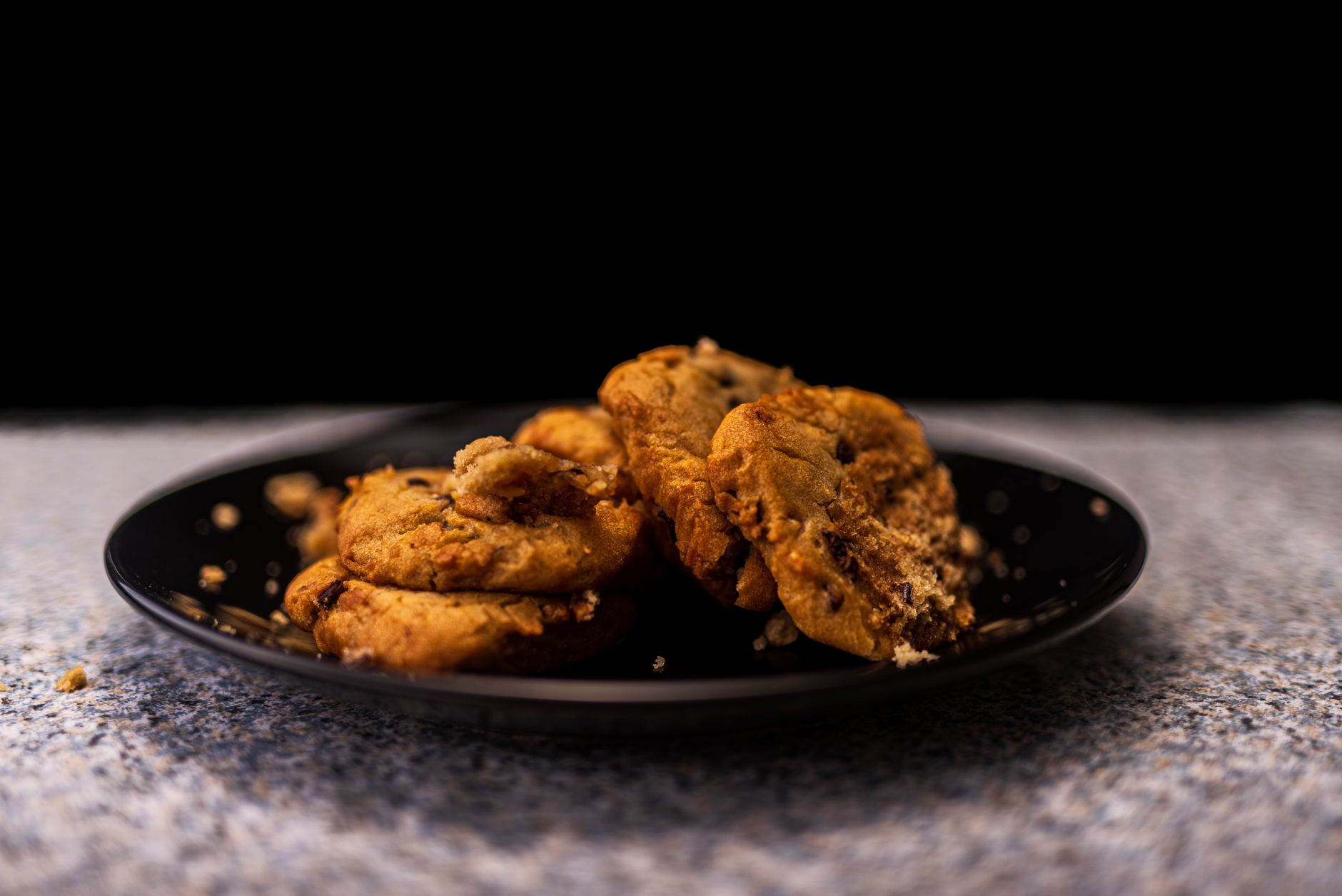
Craving crisp, delightful cookies but want to skip butter? Butter substitute cookies offer a fantastic way to keep your treats golden and crunchy without reaching for traditional dairy fats. Whether youre baking for health reasons, dietary restrictions, or just experimenting, knowing which alternatives deliver that perfect texture is key. Here, youll learn about the best fats to swap, how they change cookie crispness, and expert tips to bake with confidence.
Why Use Butter Substitutes?
What Makes Cookie Fat Alternatives Important?
Fats play a crucial role in cookie texture and flavor. Butter, with its water content and milk solids, helps create that tender crumb and rich taste. However, its saturated fat content and dairy origin drive some to seek alternatives. Using butter substitutes allows bakers to cater to vegan diets, allergies, or simply explore fats with different nutritional profiles. Many substitutes can enhance crispness while bringing unique flavors to your cookies.
Potential Downsides of Butter Substitutes
Swapping butter isnt without challenges. Some substitutes lack butters water content, altering dough consistency and cookie spread. Others might add unwanted greasy textures or affect browning due to different melting points. Nutritionally, products like margarine may contain trans fats or additives, so reading labels carefully is essential. Also, certain alternatives might compromise the cookies flavor or shelf-life if not used properly.
Best Cookie Fats To Substitute Butter
Top Butter Alternatives for Crisp Cookies
- Coconut oil: Refined coconut oil has a neutral flavor, while unrefined offers a mild coconut taste. Its solid at room temperature, which helps replicate butters texture perfectly for crisp cookies.
- Margarine and vegan butter spreads: These mimic butters moisture and fat ratio well, making them an easy swap in most recipes. Ensure the brand is Halal-certified, such as those approved by JAKIM or HMC.
- Vegetable shortening and lard: Shortening produces very crispy cookies with less spread but lacks flavor. Lard offers flakiness and richness but is not suitable for Halal diets unless clearly certified.
- Nut butters and avocado oil: Nut butters add complexity and moisture, which might soften cookies. Avocado oil delivers heart-healthy fats but can make cookies thinner unless adjusted carefully.
How These Fats Affect Crispness and Flavor
Crispness depends heavily on the fats melting point and water content. Butters water causes steam during baking, influencing texture. Coconut oil and margarine, with minimal moisture, yield crisper edges. Flavor-wise, refined coconut oil and margarine keep neutral profiles, while unrefined coconut oil and nut butters impart distinctive tastes that can complement certain cookie recipes beautifully.
Suitability for Dietary Needs
Vegan and dairy-free cookies benefit from plant-based fats like coconut oil, margarine, and avocado oil. Always check for Halal certification on margarine and butter alternatives to ensure compliance with dietary laws. Also, be mindful of nut allergies when using nut butters. Vegetable shortening might contain animal-derived ingredients unless clearly labeled Halal.
How To Use Fat Alternatives Properly
Adjustments When Swapping Butter
Butter substitutes differ in consistency and moisture. Coconut oil and shortening are generally solid at room temperature but melt differently during baking. You might need to melt or soften these fats before mixing. Reduce baking temperature slightly if cookies brown too fast. Expect textural changescoconut oil makes crisper cookies, while nut butters may increase chewiness due to added moisture.
Step-by-Step Tips for Perfect Butter Substitute Cookies
- Measure fats by weight for accuracy; volume can vary with texture.
- If using solid fats (coconut oil, shortening), cream them as you would butter to aerate the dough.
- Watch the doughs consistencyif too wet, chill it for 2030 minutes before baking.
- Bake at 175C (350F) for 10-12 minutes or until golden brown at the edges.
- Cool cookies on wire racks immediately to preserve crispness.
Common Baking Mistakes to Avoid
- Ignoring melting pointsusing liquid fats in place of solid can cause excess spread.
- Not adjusting baking times or temperatures when changing fats.
- Overmixing dough after adding fat substitutes, which can toughen cookies.
- Skipping chilling steps when dough is too soft.
Expert Tips and Home Baker Experiences
Professional Insights on Butter Alternatives
Pastry chefs emphasize the importance of melting points and moisture ratio in substitutes. According to food scientists, coconut oil at 24C solidifies well to mimic butter‘s function. Vegan butter spreads are appreciated for balancing fat and moisture levels closest to butter. Experts recommend starting with a 1:1 substitution and adjusting based on dough behavior during mixing and baking.
Personal Stories: Transitioning from Butter
Home bakers often report that switching to refined coconut oil made their cookies crispier and less greasy. One baker noted that margarine preserved a familiar buttery taste with the added benefit of being Halal-certifiedperfect for her lifestyle. Another experimented with avocado oil but adjusted flour ratios to counteract its liquid nature, achieving tender but crisp cookies.
Recipe Tests Comparing Butter and Substitutes
In side-by-side tests, cookies made with butter had a softer center and more chew, while those with coconut oil achieved the crispiest edges. Margarine came close to butters flavor but baked faster, requiring temperature tweaks. Vegetable shortening delivered a delightfully crisp texture but lacked depth in flavor.
Butter Substitute Cookies FAQs
Can I use olive oil instead of butter in cookies?
Olive oil is liquid at room temperature and has a strong flavor that can overpower cookies. It may result in softer, less crisp cookies unless combined with flour adjustments or chilling. Its best for recipes where a fruity or savory note complements the cookie, rather than crispness alone.
Which substitute makes cookies crispier than butter?
Refined coconut oil is known to create cookies that are crispier than butter due to its higher melting point and lack of water. Vegetable shortening also produces strong crispness but has a neutral flavor contrast compared to coconut oils mild aromatic profile.
How do butter substitutes affect shelf life?
Butter contains water and milk solids that can shorten storage time due to potential spoilage. Substitutes like coconut oil and vegetable shortening tend to increase shelf life by resisting rancidity longer. Proper storage in airtight containers keeps cookies crisp for 57 days at room temperature.
Are there substitutes that add unique flavors to cookies?
Yes, unrefined coconut oil adds a mild coconut aroma. Nut butters, like almond or peanut butter, impart rich, nutty notes. Avocado oil brings a subtle buttery flavor. These alternatives can turn simple cookies into gourmet treats with extra depth.
Is butter substitute cookies actually Halal what should I check?
Not all butter substitutes are Halal. Check for certifications from bodies like JAKIM, HMC, or IFANCA on packaging. Also, verify ingredients to exclude non-Halal animal fats, gelatin, or alcohol-based additives. Choosing certified brands ensures compliance with dietary laws.
How does fat type influence cookie dough consistency?
Solid fats like butter and coconut oil create stiffer doughs that hold shape. Liquid fats make doughs softer and more fluid, possibly increasing spread. Adjusting flour content or chilling dough helps control consistency when using different fats.
Can I combine multiple fats as butter substitutes?
Yes, combining fats such as coconut oil and nut butter can balance crispness with moisture and flavor. Experiment with ratios to achieve your preferred texture. This approach helps tailor cookies for specific dietary or taste goals.
Pro Tips for Butter Substitute Cookies
- Dont underestimate chilling: Chilling the dough for 3060 minutes can prevent excess spreading and improve crispness when using liquid fats.
- Use accurate measurements: Weigh your fats to maintain consistent texture, especially when switching between solid and liquid forms.
- Watch your oven temperature: Some substitutes brown faster. Lowering the heat by 1015C (about 25F) can avoid burnt edges.
- Try combining substitutes: A 50/50 mix of coconut oil and vegan butter spread can balance crispness and flavor beautifully.
- Explore Halal-certified brands: For your peace of mind, choose products labeled by JAKIM or HMC to ensure your butter alternatives are Halal-compliant.
Looking for more helpful swaps? Check out our egg substitutes guide for baking essentials and see how alternative ingredients can enrich your recipes. Or explore Cozy corner bakery reviews for trusted Halal bakery inspirations.
Butter Substitute Buying Tips
| Certification | Price Range | Common Formats | Shelf Life | Key Allergens |
|---|---|---|---|---|
| JAKIM, HMC (for margarine & vegan butter) | $$ (margarine & coconut oil moderate) | Solid blocks, tubs, sticks, oils | 612 months unopened; 23 months refrigerated after opening | Tree nuts (for nut butters), soy (in margarine), coconut |
| Various (verify depending on product) | $ (vegetable shortening) | Blocks, tubs | 1218 months | May contain palm oil or animal fats check label |
When choosing butter substitutes for cookies, look for distinctly labeled Halal certifications. Review ingredients to avoid hidden animal fats or additives. Price can varypremium vegan butters tend to cost more but deliver better flavor. Shelf life matters if you bake sometimes; coconut oil and shortening generally keep longer than fresh butters.
Conclusion
Butter substitute cookies unlock exciting flavor and texture possibilities without sacrificing crispness. By understanding how different fats behave and their dietary implications, you can confidently bake treats that suit your taste and lifestyle. Next time you bake, try one of these butter alternativesread the label carefully, experiment with textures, and enjoy every crispy, golden bite!
FAQs
Is butter substitute cookies actually Halal — what should I check on the label?
Not all butter substitutes are Halal. Look for certifications from bodies like JAKIM, HMC, or IFANCA on the packaging. Also check ingredients to avoid non-Halal animal fats, gelatin, or alcohol-based additives. Choosing certified brands ensures compliance with Halal dietary laws.
What is the typical shelf life of butter substitute cookies after opening?
Butter substitute cookies generally keep crisp for 5 to 7 days at room temperature when stored in an airtight container. Using fats like coconut oil or vegetable shortening helps extend shelf life by resisting rancidity longer than traditional butter.
How do butter substitute cookies differ from regular butter cookies in texture?
Cookies made with butter substitutes like refined coconut oil or margarine often have crisper edges and less spread due to lower water content. Butter cookies tend to be softer and chewier in the center because of water and milk solids present in butter.
Are butter substitute cookies safe to eat daily for health-conscious individuals?
Yes, many butter substitutes provide healthier fat profiles, such as plant-based or heart-healthy fats. However, moderation is key, and be mindful of allergens or additives. Reading labels ensures you choose safe options that fit your dietary needs.
Where can I buy quality butter substitute products for cookie baking?
Halal-certified margarine, coconut oil, and vegan butter spreads are available at specialty grocery stores, online Halal markets, and major supermarkets. Look for proper certification labels and trusted brands to ensure quality and compliance.