If you crave that perfectly crispy, golden pizza crust at home, using a pizza stone is a game changer. This simple kitchen tool brings heat closer to your dough and draws out moisture, turning soggy pizzas into restaurant-quality delights. Knowing how to use pizza stone correctly means you can recreate your favorite pizzeria crust without leaving your kitchen. Lets explore why and how to bring this baking hack to life.
Why Use Pizza Stone?
What Does a Pizza Stone Do?
Pizza stones are usually made from ceramic, cordierite, or other heat-retentive materials. Their magic lies in thermal conductivity. When preheated, the stone absorbs and holds heat evenly, transferring it quickly to the pizza base.
This intense, direct heat helps to evaporate excess moisture from the dough, producing a crisp surface while keeping the inside tender. Unlike metal pans, which can sometimes create hot spots, a pizza stone ensures uniform temperature across your crust for consistent baking.
Benefits of Using Pizza Stone
- Delivers an evenly baked crust with a satisfying crunch.
- Reduces sogginess by absorbing moisture from dough and toppings.
- Versatile tool great for baking artisan breads, calzones, or pastries.
- Can withstand oven temperatures up to 700F (370C) depending on material.
Potential Risks and Limitations
Handling a pizza stone requires some care. Thermal shock from sudden temperature changeslike rinsing a hot stone with cold watercan cause cracking. Also, pizza stones are porous, so improper cleaning may lead to food residue buildup. Its important to follow maintenance guidelines to prolong its life.
How To Use Pizza Stone Correctly
Preheating Your Pizza Stone Why It Matters
Preheating is the key step for using your pizza stone effectively. Place the stone on the middle rack of a cold oven and turn the heat to 475500F (245260C). Allow the stone to heat for at least 45 minutes to 1 hour. This thorough warming ensures the stone absorbs enough heat for a fast, crispy bake once the pizza touches its surface.
A stone placed after the oven reaches temperature wont have time to store enough heat, resulting in uneven cooking and a softer crust.
Baking Pizza on a Stone Step-by-Step
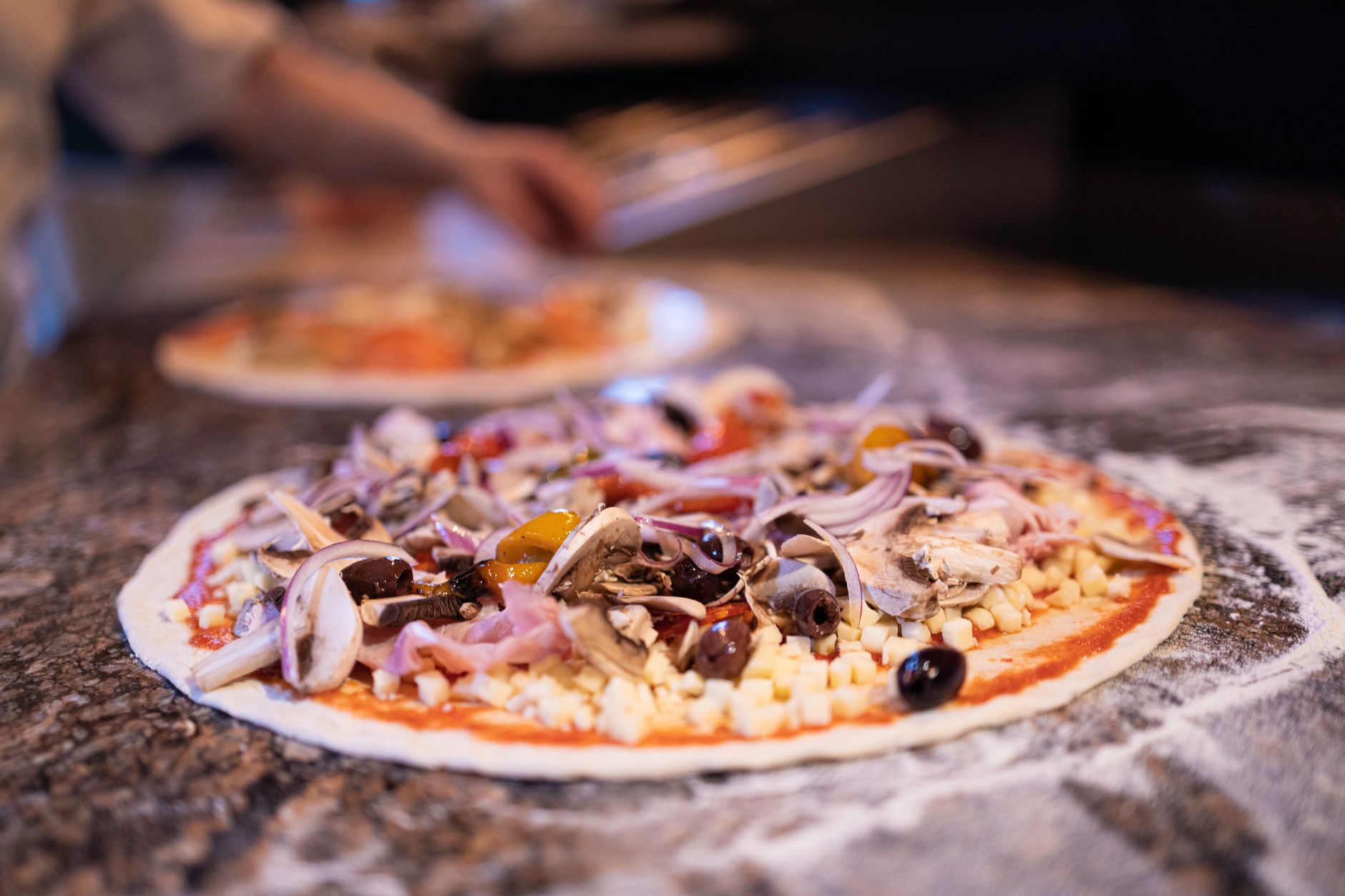
- Prepare your dough: Shape your pizza on a lightly floured surface, stretching gently to about 12 inches.
- Lightly dust the peel: Use flour or cornmeal on a pizza peel or flat baking sheet to prevent sticking.
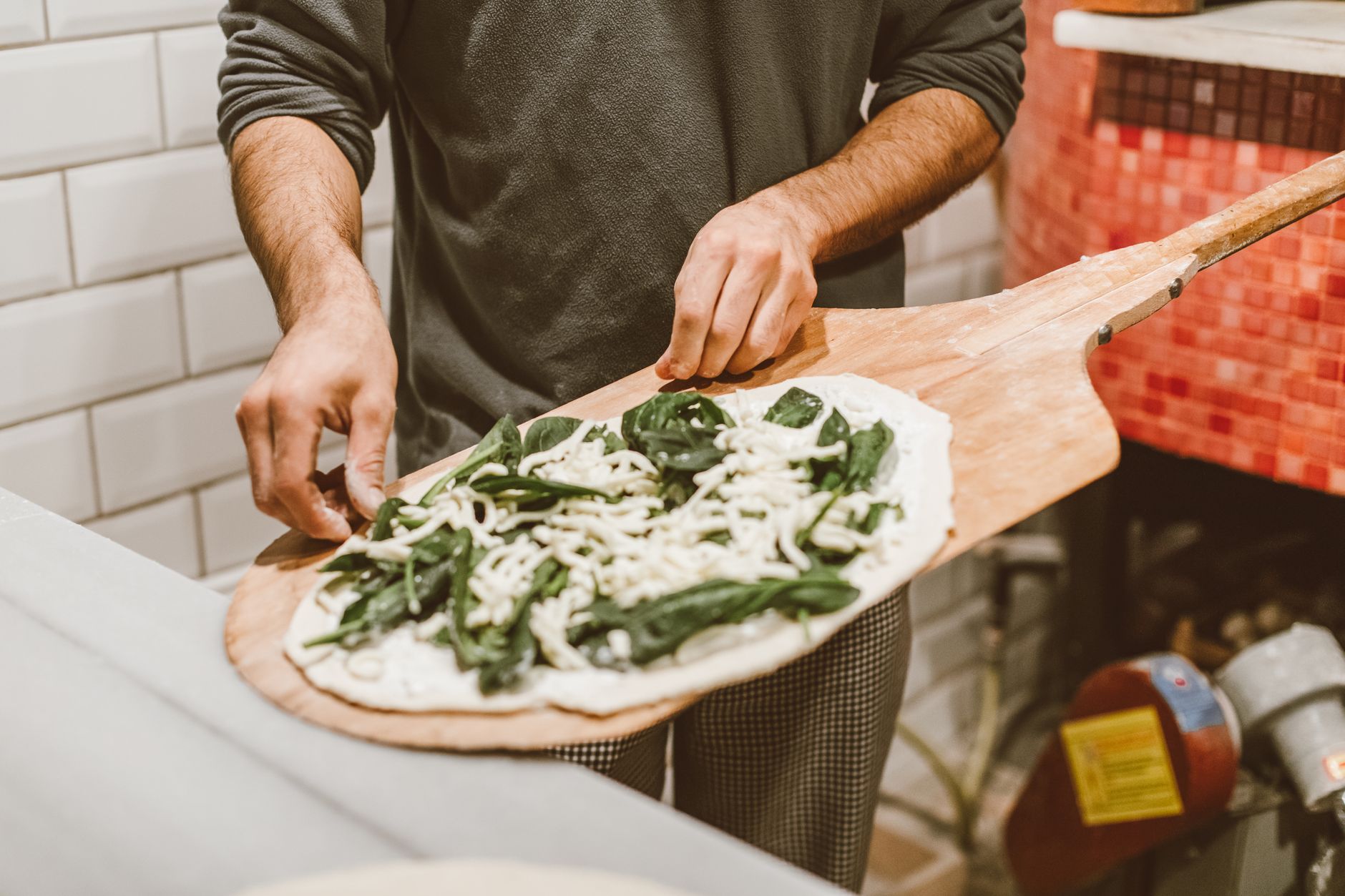
- Transfer the pizza: Place your topped pizza on the peel and slide it swiftly onto the preheated stone.
- Bake: Cook for 812 minutes at 475500F, rotating halfway to ensure even browning.
- Remove carefully: Use the peel to lift the pizza off the stone once the cheese bubbles and crust is golden brown.
Using parchment paper is possible but not recommended for the direct stone contact method. For alternative approaches, check out the wax paper oven safe guide.
Tips for Getting a Crispy Pizza Crust Every Time
- Avoid watery toppings such as fresh tomatoes or high-moisture cheese without proper draining.
- Dust your peel with semolina flour or cornmeal to prevent sticking and add a subtle crunch.
- Keep dough thickness moderatetoo thick can trap moisture, too thin can burn quickly.
- Experiment with hydration levels; 60-65% water content in dough often balances chew and crispiness well.
Cleaning and Maintaining Your Pizza Stone
How To Clean a Pizza Stone Without Damaging It
Never use soap or detergent on your pizza stone. Its porous nature can absorb chemicals and taint your pizzas. Instead, scrape off stuck-on residue with a plastic scraper or spatula once the stone cools completely.
If stubborn spots persist, a paste of baking soda and water can help lift stains gently. Rinse with warm water only and allow it to air dry thoroughly before storing. Avoid soaking the stone or placing it in a dishwasher.
How Often Should You Clean Your Pizza Stone?
After every use, scrape off debris and wipe with a damp cloth. Deep cleaning should be done only when food buildup or discoloration appears, which might be every few months depending on frequency of use.
Storing Your Pizza Stone Safely
Best Practices for Pizza Stone Storage
Store your pizza stone in a dry area away from heavy items that could chip or crack it. Avoid stacking it with other cookware on top or placing it near moisture to prevent mold or damage.
Should You Oil or Season Your Pizza Stone?
Unlike cast iron, pizza stones do not require oiling or seasoning. Applying oil can lead to smoking or uneven baking and attract dirt. Your stone will season naturally with repeated use through absorbed oils from dough and toppings.
Additional Homemade Pizza Tips When Using a Pizza Stone
Dough Tips for Perfect Pizza on a Stone
Choose a high-protein flour like bread flour to develop gluten and chewy texture. Let dough rest and ferment for at least two hours in the refrigerator for better flavor and texture. When shaping, avoid tearing or stretching too thin in one area.
Sauce and Topping Tips to Avoid a Soggy Pizza
Use thicker sauces or reduce watery ones by simmering to remove excess water. Opt for low-moisture cheeses like mozzarella blocks grated yourself over processed shredded types.
Less is more: too many toppings trap moisture and prevent heat penetration.
Using Alternatives or Enhancements Alongside Your Pizza Stone
Consider pairing your pizza stone with a pizza steel for extra radiant heat if you want faster cook times and additional crispiness. A proper pizza peel, preferably wooden or with a non-stick surface, makes transferring pizzas onto and off the stone easier and safer.
Is Using a Pizza Stone Actually Halal What Should I Check?
Pizza stones themselves have no ingredients and are non-edible, so they are inherently Halal. However, ensure that toppings and dough ingredients comply with Halal certification standards. Look for certifications from trusted bodies like JAKIM, HMC, or IFANCA when buying meats, cheeses, or other perishables.
When Is the Best Time to Use a Pizza Stone?
The best time to use a pizza stone is whenever you want to recreate that pizzeria-quality pizza at home, especially for thicker crusts or artisan-style pies that benefit from high, uniform heat. Its perfect for weekend cooking or when entertaining friends.
Can I Use a Pizza Stone for Other Foods?
Yes, pizza stones work well for baking artisan breads, flatbreads, calzones, even cookies. The same heat retention that crisps pizza crust also improves crusts on these baked goods.
How Long Does a Pizza Stone Last?
With proper carepreheating gradually, avoiding thermal shock, and gentle cleaninga pizza stone can last many years. Cracking or significant chipping is the most common lifespan limiter.
Is It Safe to Put a Pizza Stone in the Dishwasher?
No, dishwasher detergents and cycles can damage or crack your pizza stone. Clean with manual scraping and light rinsing only.
Can I Put a Cold Pizza Stone in a Hot Oven?
Yes, place the stone in a cold oven and then turn the temperature on to avoid thermal shock. Adding a cold stone to an already hot oven risks cracking.
How Do I Prevent My Pizza from Sticking to the Stone?
Flour, cornmeal, or semolina dusted on the peel and dough bottom helps. Also, avoid overly wet dough; a well-preheated stone helps create a crisp surface to release pizza easily.
What Should I Do If My Pizza Stone Cracks?
Minor hairline cracks dont usually affect performance, but large cracks can cause breakage. Replace the stone if its compromised to avoid oven mess or injury.
What Temperature Is Best for a Pizza Stone?
Between 475F and 500F (245260C) is ideal for most home ovens. Higher temps above 550F can damage some stone materials.
Pro Tips for Using Pizza Stones
- Avoid cheap stones made with low-quality ceramic, which crack easily due to poor heat resistance.
- Let your stone cool completely inside the oven before removal to prevent thermal shock.
- Practice sliding pizzas on and off the peel to avoid frustrating stuck dough moments.
Experts recommend seasoning dough with a small bit of extra virgin olive oil around edges to enhance browning and flavor.

More You Might Like
- Discover the delights of Porto‘s bakery for Halal-certified artisan bread inspirations that pair beautifully with your homemade pizza nights.
- Learn smart kitchen hacks including when and whether to use wax paper oven safe techniques for your baking projects.
Conclusion
Mastering how to use pizza stone means unlocking the secret to consistently crispy, flavorful homemade pizza crusts. Remember to preheat thoroughly, bake with care, clean gently, and store properly. Next time you shop for pizza ingredients, aim for clean, Halal-certified dishes and try this simple tool to elevate your pizza game. Feel free to share your pizza stone stories or ask questions belowwe love hearing from fellow home chefs.
FAQs
Is use pizza stone actually Halal — what should I check on the label?
Pizza stones themselves are non-edible and inherently Halal. However, to ensure your pizza is Halal, check that all ingredients such as meats, cheeses, and dough components have certifications from trusted bodies like JAKIM, HMC, or IFANCA.
How long does a pizza stone last with proper care?
With careful use—gradual preheating, avoiding thermal shock, and gentle cleaning—a pizza stone can last many years. Cracking or chipping due to mishandling is the main factor that shortens its lifespan.
What is the difference between using a pizza stone and a metal baking pan?
A pizza stone holds and distributes heat evenly to create a crisp crust by absorbing moisture, while metal pans can develop hot spots and often result in softer, less consistent crust textures.
Can I safely clean my pizza stone daily with soap and water?
No. Avoid soap or detergents as the porous stone absorbs chemicals. After each use, scrape off debris and wipe with a damp cloth. Deep cleaning with baking soda paste should be done infrequently only when necessary.
Where can I buy a quality pizza stone suitable for home baking?
Quality pizza stones are available at kitchen specialty stores, major retailers, and online marketplaces. Look for stones made from cordierite or ceramic with good heat resistance and positive customer reviews for durability and performance.