At first, I thought it was nothing just a small thing. But then, after a few too many cakes with weird textures and that slightly off crumb, I realizedthe single biggest butter baking mistake I kept making was actually about butter temperature. Yep, something so simple, yet it sneaks under the radar and messes up your whole bake. Crazy, right?
So, if you've ever wondered why your cakes sometimes turn out dense, greasy, or just not quite right, hold upyoure probably mixing your butter wrong. But hey, don't stress! Because Im here to dish out the scoop on what really goes wrong when baking with butter, how to fix it, and share some buttery cake tips to make your baking shine.
Butter Temperature Matters
Imagine trying to cream butter that's like a rock. Or worse, butter thats basically melted liquid. Both are bad news bears for your cake. Butter temperature isnt just soft or not softits this delicate sweet spot that gives you the fluffy, tender crumb every baker dreams about.
What Happens When Butter is Too Cold or Too Melted?
So, why does the butter situation matter that much? Because when butter is too cold, it wont mix properly with sugar. Instead of that fluffy, airy cream you want, you end up with clumps and uneven batter. Your cake won't rise well and can be dense and tough. On the other hand, melted butter basically turns your batter into a greasy soup. It can make cakes flat or heavy and sometimes, oily (not the delicious kind).
Think of butter like the backbone of your cake structure. It traps air when you cream it with sugar, giving your cake lightness. Miss the right butter texture, you lose that magic.
Pro tip: Professional bakers swear by room temperature butter thats soft but still cool to the touchsort of like softened playdough. Not sticky, not melted.
How to Know Your Butter is Just Right
Heres a quick trick: Press your finger into the butter. If it leaves a clean indentation without the butter falling apart or melting everywhere, youre on the right track. If its still hard and resists, let it sit longer. If its shiny and greasy, its probably too warm.
If youre in a rush, cut butter into small chunks and let it sit at room temperature for about 20-30 minutes (depending on your kitchens temperature). And heres a less-known hack: If your kitchen is hot, pop the butter chunks in the fridge and take them out a few minutes before you start baking. Yes, temperature control really matters.
Common Butter Baking Mistakes
Since were on the topic of butter, lets get into the typical pitfalls people run into when baking with butterbecause knowing what goes wrong helps figure out how to fix it.
Mistake #1: Using Melted Butter Instead of Softened Butter
This is probably the most common mistake. Melted butter is great in some recipes (like certain brownie or skillet cookie recipes), but when it comes to classic cakes, its often a big no-no. Why? Because melted butter skips the creaming step, which means you dont get that lovely fluff and volume in your cake.
That said, dont toss out your melted butter recipes! If you want to experiment, just follow recipes designed for melted butter, or mix melted butter with oils for moistness. Just remember: For most cakes, softened butter creamed with sugar is king.
Mistake #2: Overmixing or Undermixing Butter
You might think beating butter and sugar forever is good, but actually, both under and overdoing it can cause cake butter problems. Under-creamed butter means your batter doesnt trap air properly, leading to dense and heavy cakes. Over-creamed butter? It can collapse and separate, making a greasy mess.
The goal? Beat butter and sugar until light and fluffy, but stop once its pale and slightly airy. Usually, about 3-5 minutes with a hand mixer on medium speed does the trick.
| Butter Consistency | Effect on Cake | How to Fix |
|---|---|---|
| Too Cold | Clumpy batter, dense cake | Let butter soften longer before mixing |
| Too Melted | Greasy texture, flat cake | Chill butter and use softened, not liquid |
| Under-creamed | Heavy, tight crumb | Beat longer until pale and fluffy |
| Over-creamed | Greasy, unstable batter | Mix carefully, dont exceed 5 minutes |
How to Add Butter Correctly Every Time
Okay, so now that we understand the problem, how do you actually do it right? Heres the step-by-step scoop on how to add butter like a prono more cake butter problems!
Step 1: Prep Your Butter
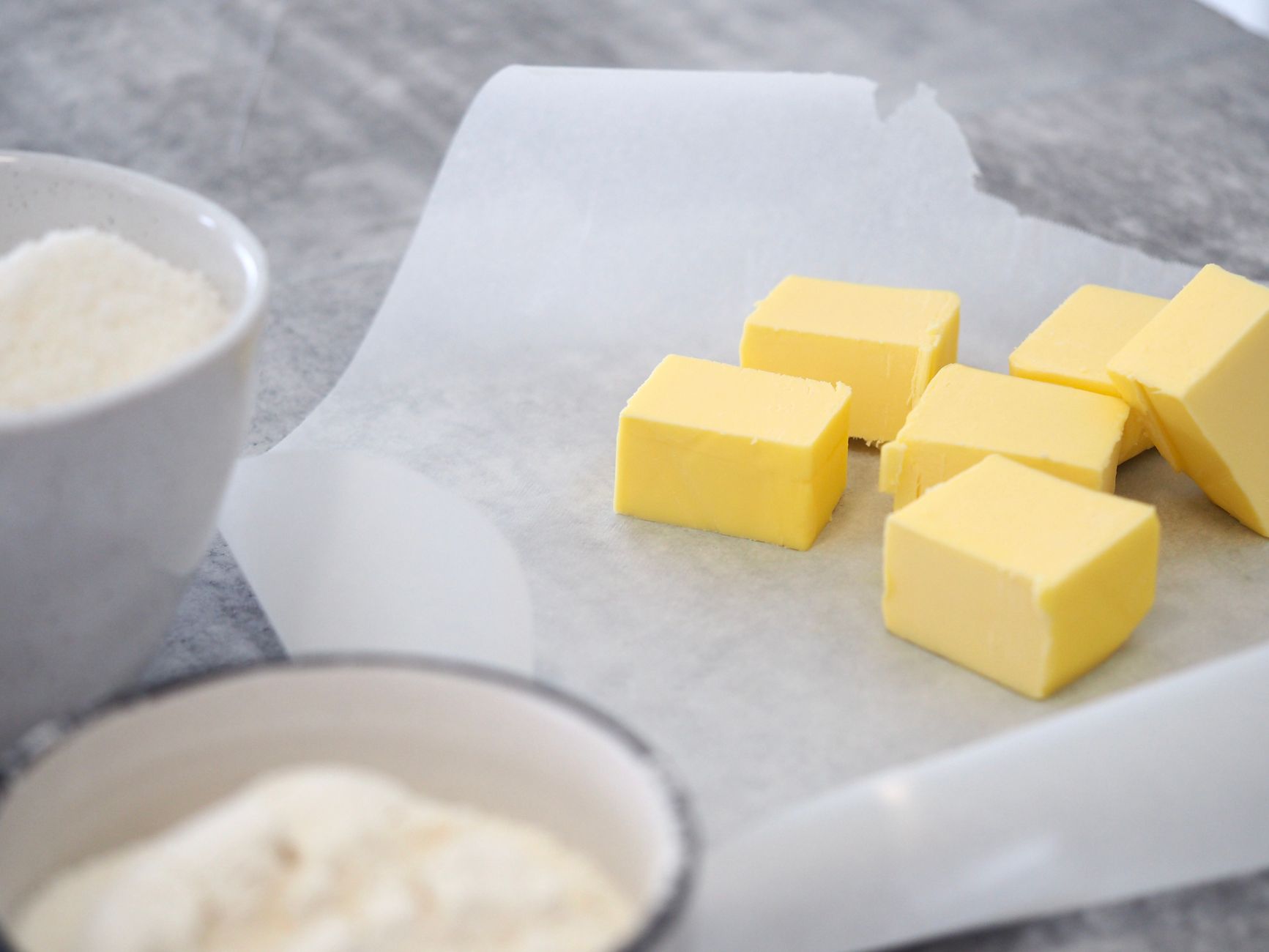
Grab your butter and cut it into small cubes. This helps it come to room temperature evenly. If your kitchen is chilly, give it 30-40 minutes to soften. In hot weather, this process can be trickieryou want soft butter, but not melted.
If youre wondering how to store these ingredients efficiently or get them delivered right when you need fresh products, check out this handy guide on How to get groceries delivered. Sometimes, fresh butter can be a game-changer.
Step 2: Cream Butter and Sugar Together
Using a stand mixer or a hand mixer, beat the butter and sugar until the mixture turns pale yellow and fluffy. This step is essential because it traps air, which helps to lift your cake and gives it that tender crumb. Remember, patience here pays off.
And pleasedont rush it! If youre ever in doubt, stop beating and look at your batter. If it still looks dense and sandy, keep going. If its glossy and greasy, youve mixed too much.
Step 3: Incorporate Other Ingredients Gently
After creaming, add eggs and dry ingredients as your recipe directs, beating or folding just enough to combine. Over mixing here can ruin the texture you carefully built during the creaming.
Step 4: Adjust for Weather
Talking frankly, baking with butter in hot, humid weather can be a challenge. Butter melts faster, and batter can get runny when you dont want it to. Here's a personal favorite trickI keep my butter cubed and chilled, then add it slowly to keep the batter stable.
To keep things smooth, try chilling your mixing bowl or adding a few chill breaks during mixing. You can even stash the batter in the fridge for 10-15 minutes before baking.

Expert Butter Cake Tips
What To Do If You Mess Up
Look, weve all had those momentsand Im definitely not exempt. One time, I tossed melted butter into a cake batter that was supposed to be creamed. Result? A flat, greasy flop. But hey, I salvaged it by refrigerating the batter for a bit before baking, and it actually improved! So dont give up on a butter baking mistake too fast.
If your batter looks off, chilling can sometimes firm it enough so the cake bakes better. Or, tweak baking times slightlysometimes a longer bake at lower temp helps. Its all about experimenting and learning from each bake.
Must-Have Tools and Practices
- Kitchen thermometer: This is underrated but awesome for checking butter temperature before mixing.
- Proper storage: Keep butter tightly wrapped and chilled until you need it to prevent it from turning rancid or too soft.
- Use quality butter: Good butter makes a noticeable difference in flavor and texturedon't skimp here!
By the way, if youre wondering how to get your pantry stocked smartly, or want some tips on How to order groceries online, that resource is a gem for busy bakers like us.
Balancing Butters Magic and Risks
Heres the thing about baking with butter: its powerful but also a bit tricky. You want to respect it to unlock its magic that moistness, that flavor, that tenderness. But if you dont handle it right? Well, you risk heavy cakes or greasy disasters.
Dont let the fear of messing up stop you. Butter baking mistakes happen to everyone; what matters is knowing the what, why, and how to fix or avoid them. Once you get the hang of it, creaming butter will feel like a dance you know by heart, rather than a guessing game.

So, next time youre baking your favorite cake, remember: that butterits temperature, how you add itcan be the make-or-break detail. Take your time, test, and enjoy the process. And hey, baking is supposed to be fun, right?
Got your own butter baking stories or questions? Share em! Id love to hear what worked for you or what still feels tricky.
FAQs
Why does butter temperature matter in baking?
Butter temperature affects how well it creams with sugar, trapping air to give cakes a light, fluffy texture. Too cold or melted butter can cause dense or greasy results.
Can I use melted butter for cakes?
Melted butter skips the creaming step necessary for volume and fluffiness in cakes. It's better suited for specific recipes like brownies. For classic cakes, softened butter is preferred.
How do I know when butter is properly softened?
Press your finger into the butter. It should leave a clean indentation without melting or crumbling. Softened butter feels like playdough—cool but pliable.
What happens if I over-cream butter and sugar?
Over-creaming can break down the butter’s structure, causing a greasy, unstable batter that results in a poor cake texture.
Any tips for baking with butter in hot weather?
Keep butter cubed and chilled, add it slowly, chill your mixing bowl, or refrigerate the batter briefly to prevent butter from melting too quickly and ruining texture.