You know, at first, when I started diving into the world of beer, I thought Eh, lager, pilsner, its all just kinda the same stuff, right? But nope. Turns out, knowing the difference between lager vs pilsner can totally change how you enjoy your beer, and honestly, it makes picking your next pint way less of a guessing game. So if youve ever caught yourself wondering, Wait, what is pilsner exactly? And hows that different from a lager? stick around. This little guide is gonna make it all click.
Heres the quick scoop: Lager is a broad category of beer defined mostly by how its brewedspecifically, the fermentation processand pilsner is a special, hoppier, lighter type of lager that comes with its own unique personality. Simple, yeah? But its also kinda fascinating once you peel back the layers.
Lager Basics
Lets start with lager, since its the umbrella under which pilsners live. The thing about lager beer meaning is mostly about the fermentation style. Lager is brewed with whats called bottom-fermenting yeast, which works best in cooler temperatures, slower and steadier. This ferments the beer at the bottom of the fermentation tank, unlike ales that are top-fermented. What does that mean for you? It usually results in cleaner, crisper flavors with less fruity esterswhich some folks prefer for its smoothness and easy drinkability.
And oh, lagers come in all shapes and sizes. Were talking about everything from pale lagers to much darker varieties like Dunkels or Bocks. Each brings different flavors, colors, and vibes, but they all share that cool fermentation story.
By the way, if youre curious about where lagers fit in the larger picture of beer, you might want to check out a neat overview of what are healthy foodsit might seem unrelated, but learning about balancing tastes and mindful drinking can really enhance your beer experience.

How Does Fermentation Shape Lager?
Okay, heres a quick nerd-out moment. Lagers ferment at lower temps, usually around 45-55F (7-13C), for longersometimes several weeks. This slow chill time lets the yeast work quietly and steadily, resulting in those subtle, clean flavors. In contrast, ales crank up the temperature and get fruity, punchy notes from the yeast faster. So when you sip a lager and taste that refreshing lightness or clean finish, thats fermentations handiwork.
Popular Lager Types
Besides pilsners, popular lagers include:
- Dunkel A dark, malty lager from Germany.
- Bock Rich, stronger, and malt-forward.
- Mrzen The Oktoberfest classic with a toasty flavor.
Want a quick, handy flavor comparison? Imagine lager styles as a rainbow from pale gold and light crispness to deep amber maltinessthat spectrum all falls under lager.
A Pilsner Is a Lager, But with a Twist
Now, this is where people get a bit tangledbecause a pilsner is technically a lager, but it has a whole vibe of its own. Originating in the Czech town of Pilsen in the 1800s, this beer made waves with its bright, golden color and a noticeable hop bitterness that wasnt common in lagers back then.
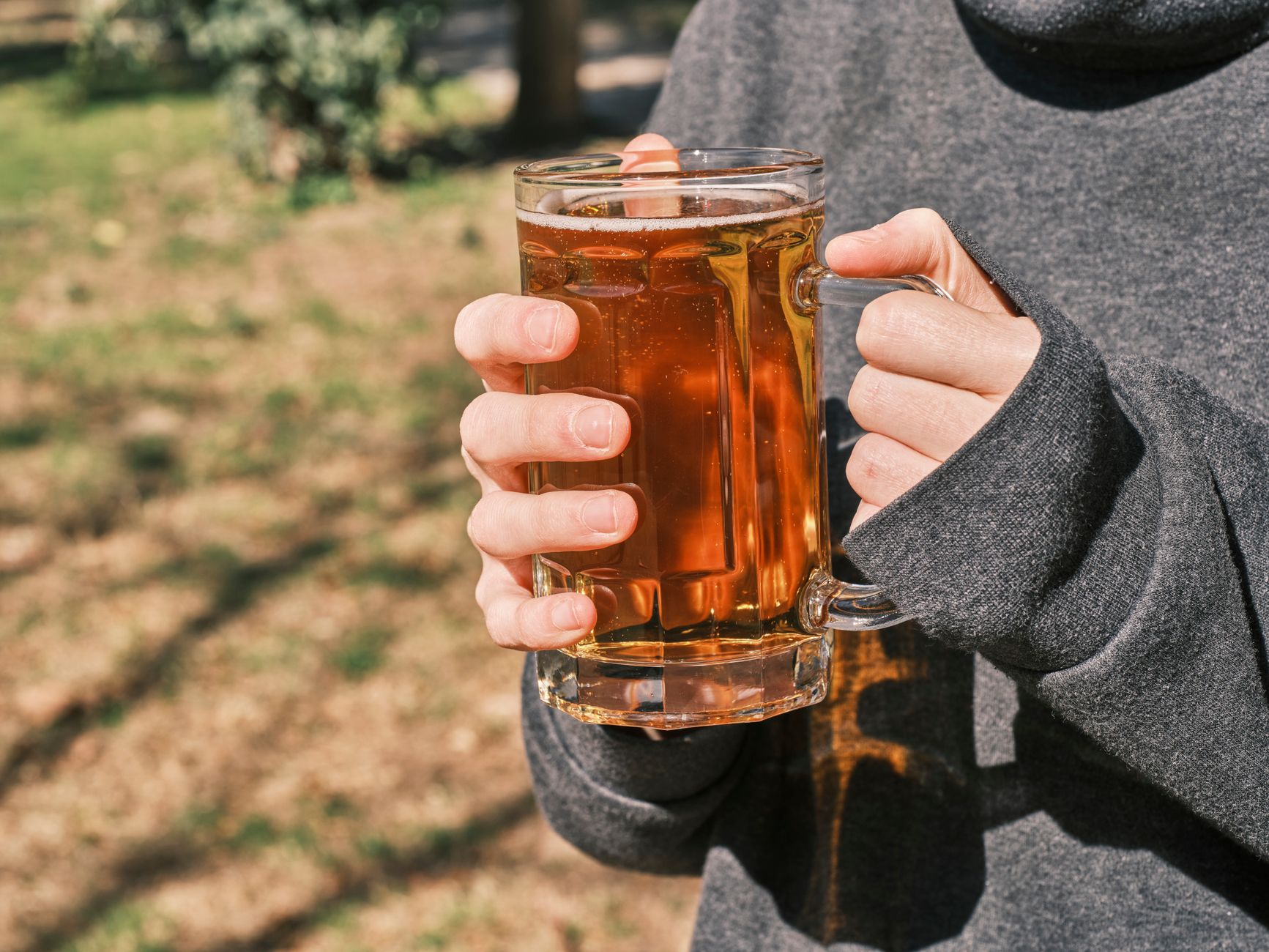
So, what is pilsner exactly? Its a pale, golden lager known for that crisp bite and floral, spicy hop characterthank you, Saaz hops! This gives pilsners a light bitterness and refreshing finish that makes them great thirst quenchers. Unlike other lagers, which might lean maltier or more neutral, pilsners have a zest and snap that kinda wakes your palate up.

How Does Pilsner Differ from Other Lagers?
Well, if lager fermentation is the slow, steady hum of a train, pilsner is the zingy whistle of a rocket ship taking off. Its all in the hops, really. Pilsners use more hops and particular varieties that bring about that peppery, floral vibe. Also, the malt in pilsners is usually lighter, which means the hops can shine brightly without getting drowned out. This is the core of the difference between lagers and pilsners.
Different Pilsner Styles
Not all pilsners are created equal:
- Czech Pilsner: The original smooth, balanced hop bitterness with soft malt sweetness.
- German Pilsner: Brighter, crisper, with a drier finish and often more bitterness.
- American Pilsner: Usually lighter-bodied, sometimes a bit more carbonated, and less bitter a crowd-pleaser.
If you get a chance, try a beer flight that includes different pilsners to taste these subtle shiftsits a fun way to explore!
Breaking Down Lager Vs Pilsner Differences
So, you wanna hear some straight talk? Heres the nitty-gritty rundown on lager vs pilsner:
| Feature | Lager | Pilsner |
|---|---|---|
| Fermentation | Bottom-fermented, cool temps, broad category | Bottom-fermented but often longer and cooler; distinct hop profile |
| Color | Light yellow to dark amber/brown | Pale golden to clear yellow |
| Flavor | Smoother, malt-forward, mild bitterness | Crisp, hoppier, sharp bitterness with floral notes |
| Alcohol Content | Typically 4-6% ABV | Usually 4-5.5% ABV |
| Examples | Dunkel, Mrzen, Bock | Czech Pils, German Pils, American Pils |
How Do These Differences Affect You?
Honestly, it boils down to what mood youre in, what foods youre pairing with, and what hits your taste buds just right. If you like something light, refreshing, and a little hoppier, pilsners your buddy. Want something smooth, maybe a tad maltier, and super versatile? Grab a lager. No shame in either directiontheyre both awesome!
Imagine pairing a pilsner with spicy Asian dishes or a crisp saladit can brighten those flavors. Meanwhile, a fuller lager like a Dunkel works wonders with heartier meals like stews or grilled meats.
Curious about how beer fits into a balanced lifestyle? Its kinda like thinking about what are the 10 best foods for kidney disease?knowing what complements what and what to enjoy in moderation can make your experience better and healthier.
The Bigger Picture: Beer Styles Explained
Lager and pilsner are just two pieces of a huge, colorful beer puzzle. If you start exploring other types of beer, youll meet ales, stouts, porters, IPAs, soursthe list goes on. Each style has its own flair, brewing method, and story.
Think of beer styles like different music genres. Lager is like classic rock: solid, reliable, and crowd-pleasing. Pilsner? More like that catchy indie hit you cant stop hummingfresh and zingy. And ales, well, theyre the jazz or bluesfull of personality and varying intensity.
So, the lager vs pilsner question is a bit like asking which rock song you like more, but it helps if you know the tunes before making a call.

When Should You Reach for Lager or Pilsner?
Heres an insider tip: both lager and pilsner are perfect everyday beers. Got friends over? Lagers got your back. Want to unwind with something bright and snappy on a hot day? Pilsner it is. But also think about the meallighter meals call for pilsners, while bigger flavors but still smooth drinkability point to lagers.
Expert Tips for Beer Beginners
If youre new to beer world, dont stress. Start by sipping different lagers and pilsners side-by-side. Notice the hops, the malt, the mouthfeel. And ask questions when you canmost brewers and bartenders love nerding out about fermentation and flavors. The fun really is in the discovery.
Dont worry about sounding like a pro; the best drink is the one you enjoy, plain and simple.
Wrapping It Up
So, whats the takeaway from our lager vs pilsner chat? Lagers are a broad family of beers made with a cool, slow fermentation process. Pilsners are a sparkly, hoppier cousin within that family, bringing brightness and bite to your glass.
Understanding these differences isnt just beer geek stuffit actually changes the way you experience flavor, food pairings, and the simple joy of sipping a cold one after a long day. Plus, being able to chat confidently about what youre drinking? Thats a win in my book.
Next time youre at a bar or picking out a six-pack, you can skip the I dunno and get right to the good stuffwhether thats a smooth lager or a lively pilsner. And if youve got stories about your favorite beer discoveries or questions lurking in the back of your mind, Im all ears. Share away!
FAQs
What is the main difference between lager and pilsner?
Lager is a broad category of beer fermented at cool temperatures with bottom-fermenting yeast, while pilsner is a specific type of lager known for its lighter color, hoppier taste, and crisp finish.
Are all pilsners considered lagers?
Yes, pilsners fall under the lager category because they share the same bottom-fermentation process, but pilsners are distinguished by their hop-forward flavor and pale golden color.
What food pairs well with pilsners versus lagers?
Pilsners complement lighter, spicy, or fresh dishes like salads and Asian cuisine, whereas lagers—especially darker ones—go well with hearty meals like stews and grilled meats.
How does fermentation temperature affect lager and pilsner flavors?
Lagers ferment slowly at cooler temperatures resulting in cleaner, smoother flavors, while pilsners tend to ferment slightly longer or cooler with a distinct hop character that creates a crisp, refreshing bitterness.
What are the popular styles of pilsners and lagers?
Popular lagers include Dunkel, Bock, and Märzen, while popular pilsners are Czech Pilsner, German Pilsner, and American Pilsner—each with varying bitterness and malt profiles.