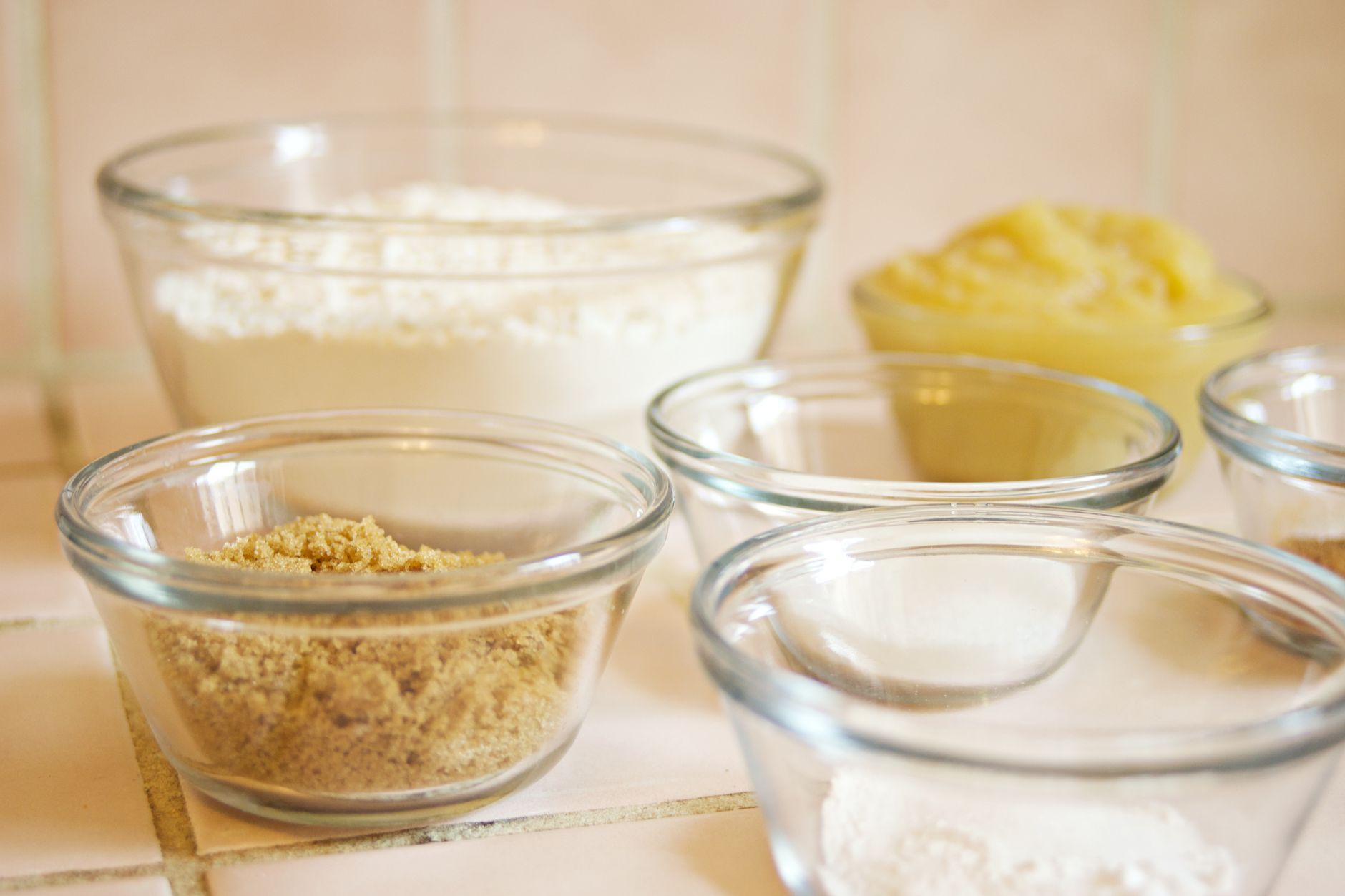
Baking is a beautiful blend of art and science, but it can quickly go sideways when there are baking measuring mistakes. Even small errors in measuring ingredients can affect the texture, taste, and overall success of your baked goods. Whether youre making fluffy cakes or tender bread, precision in measurement is key. Here, youll find practical tips to fix common measuring errors and improve your baking results, turning mistakes into delicious victories.
Why Measuring Matters
Baking depends heavily on ratios and chemistry. Flour, sugar, baking powder, and liquids react differently based on exact quantities. Incorrect amounts can lead to dry, dense, or overly wet baked products. Professional bakers know that precision keeps their creations consistent.
For example, too much flour makes bread tough, while too little baking powder leaves cakes flat. According to the USDA FoodData Central, ingredient consistency also affects nutritional value, so accurate measuring helps achieve both taste and health goals.
When baking, understanding why you measure matters will motivate you to take care. As any experienced baker or a reputable Walmart bakery employee might confirm, precision is what turns simple ingredients into something extraordinary.
Common Baking Measuring Mistakes
1. Misreading Recipe Instructions
Simplicity often hides in plain sight: not reading the entire ingredient list can cause confusion. Recipes sometimes list measurements using cups, grams, or ounces interchangeably, leading to errors. Remember, oz can mean weight (ounces) while fl oz refers to fluid ounces for liquids.
Always double-check which unit the recipe specifies before measuring. Misreading 1 cup of sugar as 100g will change your final product drastically. Take a moment to clarify any ambiguous units before you start.
2. Using Incorrect Measuring Tools
Using the wrong tools is a classic mistake. Dry measuring cups and liquid measuring cups are designed differently. Dry cups are meant to be filled and leveled off, while liquid cups have space above the liquid to prevent spilling and a spout for pouring.
Digital kitchen scales provide much more accuracy, especially for flour and sugar, where volume can vary with packing. Scales measure by weight, avoiding errors common with cups. They are especially useful for consistent results and scaling recipes up or down.
| Tool Type | Best Used For | Pros | Cons |
|---|---|---|---|
| Dry Measuring Cups | Flour, sugar, grains | Affordable, easy to use | Less precise due to packing |
| Liquid Measuring Cups | Waters, oils, milk | Designed for liquids, spout for pouring | Harder for powders |
| Digital Scales | Flour, sugar, nuts, chocolates | High precision, consistent | Requires batteries, costlier |
If you want more baking inspiration and supply sources, check out this Bakery in highlands, nj for professional-grade advice and products.
3. Not Using the Spoon and Level Method
This technique is a game changer for dry ingredients. Instead of scooping flour or sugar directly with your cup, use a spoon to fluff and fill the measuring cup lightly, then sweep off excess with a flat edge like a butter knife.
This prevents overpacking flour, which leads to dense textures. Without spooning and leveling, you might pack twice as much flour as needed.
4. Measuring on Uneven Surfaces
Placing your measuring cups or scale on a tilted or cluttered surface affects accuracy. Liquids can slant, and powders can shift. Always use a flat, stable countertop or table for measuring. An uneven surface means youre guessing, not measuring.
5. Confusing Weight and Volume
Volume measures space (cups, tablespoons), while weight measures amount (grams, ounces). Flour, sugar, and spices vary in volume depending on compaction. A standard cup of flour weighs about 120 grams, but packed tight, it can be much heavier.
Using volume when a recipe asks for weight can result in errors. For liquid ingredients, fluid ounces measure volume, not weight. Know the difference to avoid adding too much salt or sugar!
6. Handling Sticky or Clumpy Ingredients Improperly
Ingredients like peanut butter, brown sugar, or honey can stick inside measuring cups, leading to inaccurate amounts. For brown sugar, pack it firmly for correct measurement. For sticky items, lightly oil or spray your measuring cup with non-stick spray before filling.
Doing this prevents clumps and allows the ingredient to slide out cleanly, so you dont end up with less than the recipe requires.

7. Measuring Ingredients at the Wrong Temperature
The temperature of ingredients like butter or eggs affects volume and texture. Cold butter is denser, so measuring it directly might add too much fat. Most recipes want softened or room-temperature butter for accurate measurement and proper mixing.
Similarly, liquids measured when chilled contract and add less volume. Always use ingredients at the temperature specified, usually room temperature, or adjust accordingly for more consistent results.
8. Skipping Sifting of Dry Ingredients
Sifting aerates flour, removes lumps, and evenly distributes baking powder or soda. If a recipe calls for sifting but you skip it, your batter could be uneven and your cake texture dense or uneven.
If you dont own a sifter, a fine mesh sieve or whisking dry ingredients thoroughly helps too. Even small clumps can affect rise and crumb structure.
9. Overpacking or Underpacking Ingredients
Overpacking sugar or flour adds more than the recipe intends, affecting moisture and texture. Underpacking leads to weaker structure and consistency.
Use light scoops and level off dry ingredients for best results. Visual guides can help: a cup of flour should look fluffy and native, not dense or crusted.
10. Using Old or Damaged Measuring Devices
Measuring cups or spoons that are worn out, chipped, or faded can cause guessing errors. Cheap, flimsy cups can warp or change shape over time. Invest in durable stainless steel or BPA-free plastic measuring tools certified safe and durable.
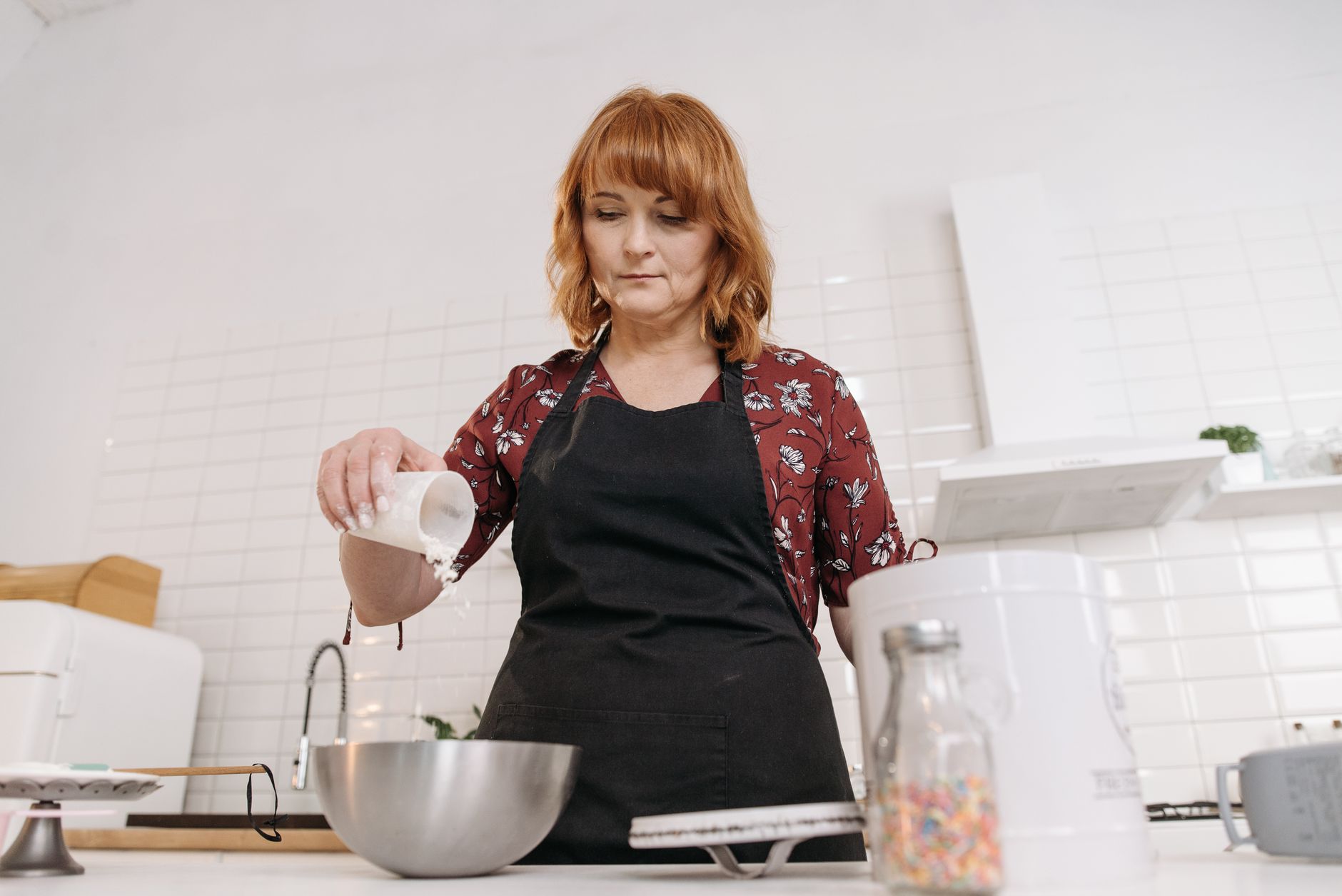
Tips for Consistent Baking
- Always weigh ingredients when possible for higher accuracy.
- Read the full recipe before starting, including notes on temperature and special instructions.
- Use the correct tool for the ingredient typeliquid or dry.
- Practice spoon and level for flour and sugar.
- Keep measuring tools clean and store them properly.
- Measure ingredients at room temperature unless otherwise stated.
- Understand the difference between weight and volume units to avoid confusion.
With these fundamentals, your baking will be more consistent and enjoyable. Dont hesitate to upgrade your toolkit with digital scales or new measuring cups certified by trusted bodies like JAKIM for Halal assurance, ensuring your ingredients uphold your dietary values.
When is the best time to measure ingredients for baking?
Measuring ingredients right before use ensures freshness and accuracy. For dry goods like flour or sugar, measure after sifting or fluffing. For liquids and butter, use them at room temperature unless specified otherwise. Avoid measuring too early to prevent ingredient clumping or moisture absorption.
Is weighing ingredients more accurate than using cups?
Yes, weighing ingredients provides much more precision because weight doesnt vary based on ingredient settling or packing. Weight measures the actual mass, reducing inconsistencies common with measuring by volume.
Can using cold butter affect the amount needed in baking?
Yes, cold butter takes up less space and is denser, so measuring it cold might give you more fat than the recipe calls for. Recipes often request softened butter to ensure the correct volume and proper mixing with other ingredients.
How does overpacking flour impact the final baked product?
Overpacked flour can make your baked goods dense, dry, and tough. It increases the flour-to-liquid ratio, reducing moisture content, which can ruin the crumb and texture.
What measuring tool should I choose for sticky ingredients?
Use plastic or metal measuring cups lightly sprayed with cooking oil or non-stick spray to prevent sticky ingredients from clinging. This allows you to level off the ingredient accurately without losing quantity.
Are digital kitchen scales affordable and easy to use?
Yes, digital scales are affordable and straightforward. They provide grams or ounces readings and often have tare functions to subtract container weight, making them beginner-friendly and highly reliable for baking.
What Halal certifications should I look for on baking ingredients?
Look for credible Halal certification logos such as JAKIM (Malaysia), HMC (Halal Monitoring Committee UK), or IFANCA (USA). These organizations ensure that the ingredients and manufacturing processes meet Halal standards.
Pro Tips for Precise Measuring
One of the most overlooked mistakes is ignoring ingredient temperaturealways follow recipe guidance for softening or chilling. Also, calibrate your digital scale regularly using known weights to maintain accuracy. Replace damaged tools promptly; even tiny nicks in measuring spoons affect volume.
Expert bakers suggest labeling your measuring cups and spoons clearly and dedicating specific sets to dry and wet ingredients to prevent cross-contamination and enhance precision.

More You Might Like
Discover how a trusted Bakery in highlands, nj ensures its products meet strict quality standards, perfect for Halal-conscious bakers.
Explore quality control tips from the Walmart bakery experts that make their baked goods consistent and delicious every time.
Conclusion
Mastering baking measuring mistakes transforms your kitchen from a trial zone to a triumph zone. Paying attention to details like tool choice, ingredient temperature, and measurement technique makes all the difference in your final baked goods. Next time you bake, measure with confidence and enjoy sweeter, more consistent results. Share your baking stories or questions in the comments we love hearing from you!
FAQs
Is baking measuring mistakes actually Halal — what should I check on the label?
Baking measuring mistakes refer to errors in measuring ingredients, which aren't related to Halal status. However, when buying ingredients, check for credible Halal certifications like JAKIM, HMC, or IFANCA to ensure products meet Halal standards.
When is the best time to measure ingredients for baking?
Measure ingredients right before use to ensure accuracy and freshness. For dry ingredients, fluff or sift before measuring. For liquids and butter, use at room temperature unless the recipe specifies otherwise to maintain volume accuracy.
What is the difference between weighing and measuring by volume?
Weighing measures the actual mass of ingredients in grams or ounces, offering high precision. Measuring by volume (cups, tablespoons) estimates space occupied, which can vary with packing and density, causing inconsistencies in your bake.
How should I handle sticky ingredients when measuring?
Lightly spray measuring cups with non-stick spray or oil before filling sticky ingredients like peanut butter or honey. This prevents clinging and helps you level off the exact amount without losing quantity to residue.
Are digital kitchen scales affordable and easy to use for baking?
Yes, digital kitchen scales are generally affordable, beginner-friendly, and highly accurate. They often include tare functions to subtract container weight, making precise ingredient measurement simple and efficient for consistent baking.