Alright, lets cut right to the chase youve probably seen capicola and prosciutto side-by-side on a gorgeous Italian charcuterie board and thought, Arent these just fancy names for the same thing? Honestly? Yeah, they might look pretty similar, but those two cured meats actually couldnt be more different once you get down to the juicy details.
Think of it like this: prosciutto is that elegant, whisper-light hug of flavor, slow and smooth, while capicola hits you with a spicy little punch a bit bold, a bit rustic, and full of personality. So, if youve ever wondered what makes these iconic Italian cured meats tick, or how to pick between them, youre in the right place. Lets break down the capicola vs prosciutto story, piece by tasty piece.
What Is Capicola?
First off, capicola (sometimes called coppa) is a cured meat that comes from the neck or shoulder of the pig. Unlike prosciutto, which uses the hind leg, capicola is made from a cut thats a bit fattier and has more marbling, giving it that juicy, melt-in-your-mouth quality.
One cool thing about capicola meat types is how they vary regionally. For instance, Calabrese capicola tends to be spicy with lots of black pepper and chili flakes, while other versions might lean toward a sweeter or more herbal flavor. No matter the style, capicola usually gets a seasoning blend that includes garlic, wine, and spices making it much bolder and punchier than prosciutto.
A little secret from the curing world: traditional capicola is dry-cured and aged for weeks or even months to develop its flavor, but what really sets it apart is that spicy rub its like the difference between a casual chat and an exciting story you just cant stop listening to.
What Is Prosciutto?
Now, prosciutto needs no big intro; its the superstar of Italian cured meats. Sourced from the hind leg, this meat is leaner compared to capicola but aged for a long time (often up to a year or more). Prosciuttos magic lies in its delicate, silky texture and subtly sweet, salty taste.
There are different types, too. Youve probably heard of Prosciutto di Parma or Prosciutto di San Daniele. These varieties come with Protected Designation of Origin (PDO) status, which means theyre regulated to strict standards to maintain authenticity and quality. Fun fact: those regulations cover everything from what pigs are used to how the curing happens its almost like a sacred ritual!
| Prosciutto Type | Region | Flavor | Curing Time |
|---|---|---|---|
| Prosciutto di Parma | Parma | Sweet, delicate | 12-18 months |
| Prosciutto di San Daniele | Friuli Venezia Giulia | Rich, slightly nutty | 13-24 months |
So, if capicola is the flavorful storyteller, prosciutto is the elegant poet, and both have their unique charm.
Capicola vs Prosciutto Whats the Big Difference?
Alright, now that you know what these meats are separately, lets look at their differences side by side, because this is the heart of your question. Heres what really sets them apart:
| Feature | Capicola | Prosciutto |
|---|---|---|
| Cut of Meat | Neck or shoulder | Hind leg (ham) |
| Texture | Juicy, slightly fatty, firm | Silky, delicate, thinly sliced |
| Flavor | Spicy, savory, robust | Mild, sweet, salty |
| Curing Time | Weeks to months | Months to over a year |
| Seasoning | Garlic, black pepper, chili, wine | Minimal seasoning (mostly salt) |
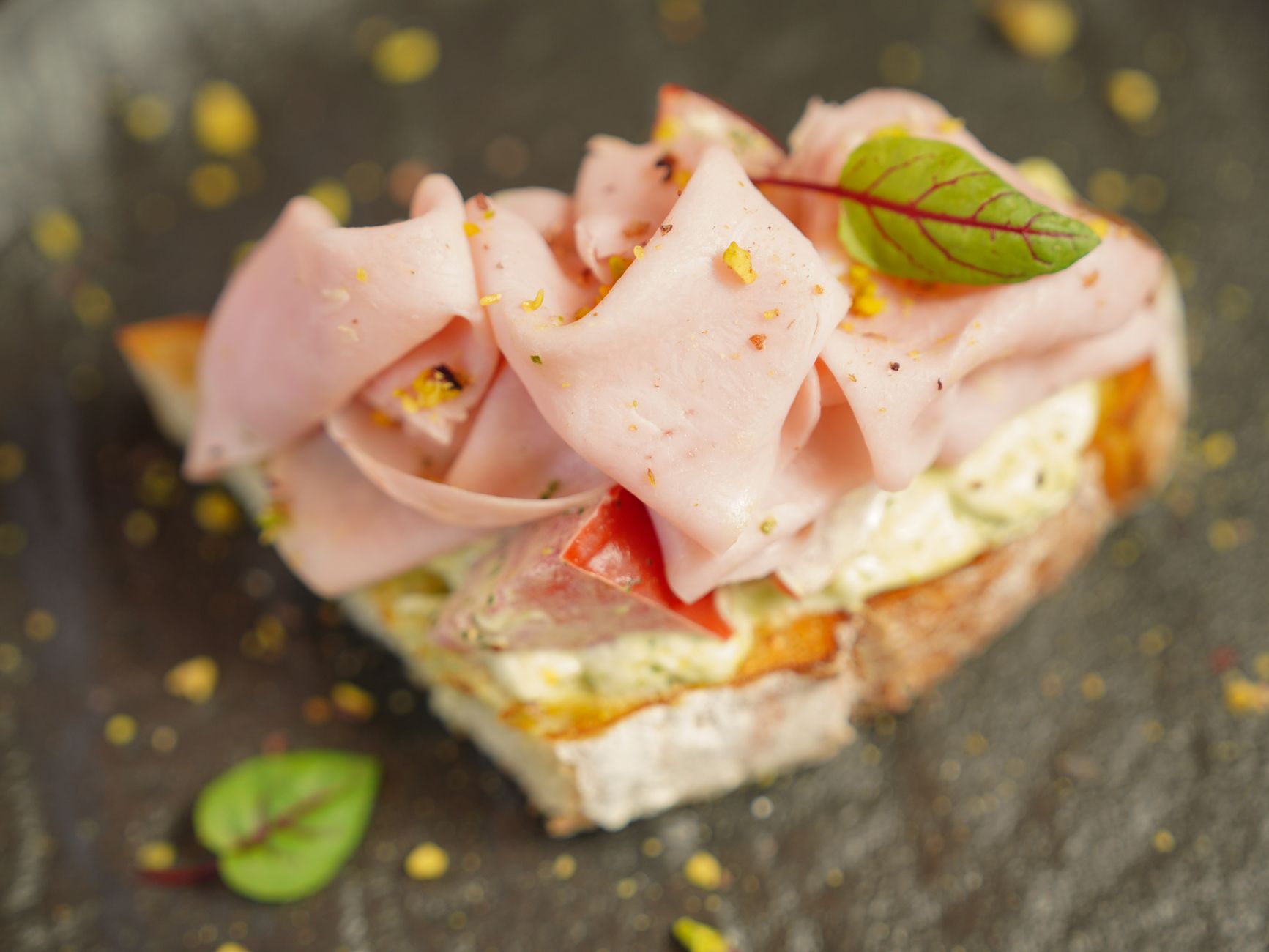
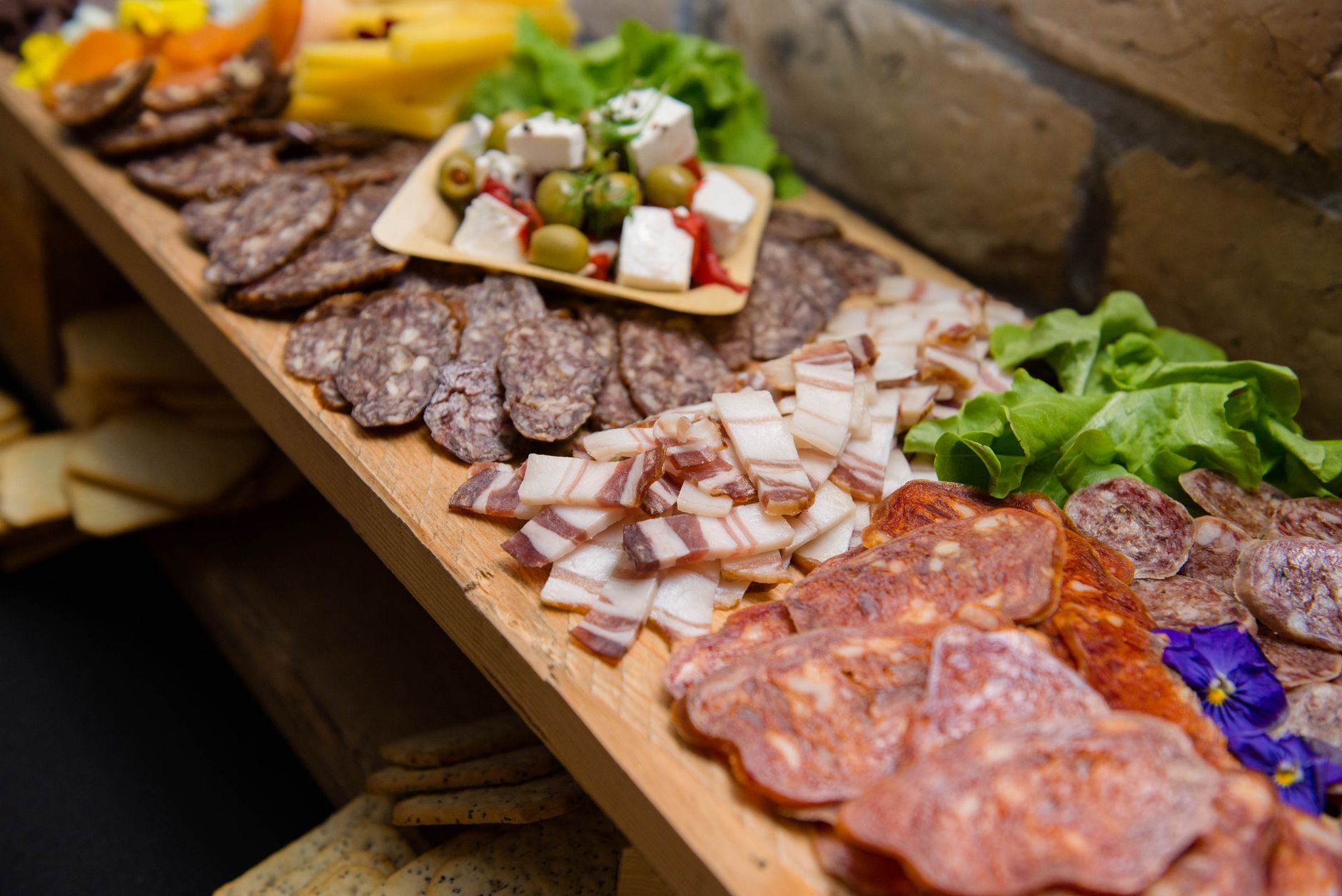
People often ask: when should I reach for capicola over prosciutto? The answer really depends on your mood and how you want to enjoy your meat. Capicolas boldness makes it perfect for a spicy sandwich or a punchy antipasto platter. Prosciuttos subtle sweetness shines when paired with melon, figs, or just draped over fresh bread.
Speaking of slicing if you happen to cut your own meats at home, using a meat slicer can really make a difference in getting those perfect thin slices that prosciutto demands.
How to Eat Capicola and Prosciutto
If youre wondering how to eat capicola, heres a little tip: it can be enjoyed just as is on its own or tossed into a sandwich for that extra kick. Capicola loves bold flavors think sharp provolone or a slather of grainy mustard. Try it with crusty Italian bread and a glass of red wine and youre basically in food heaven.
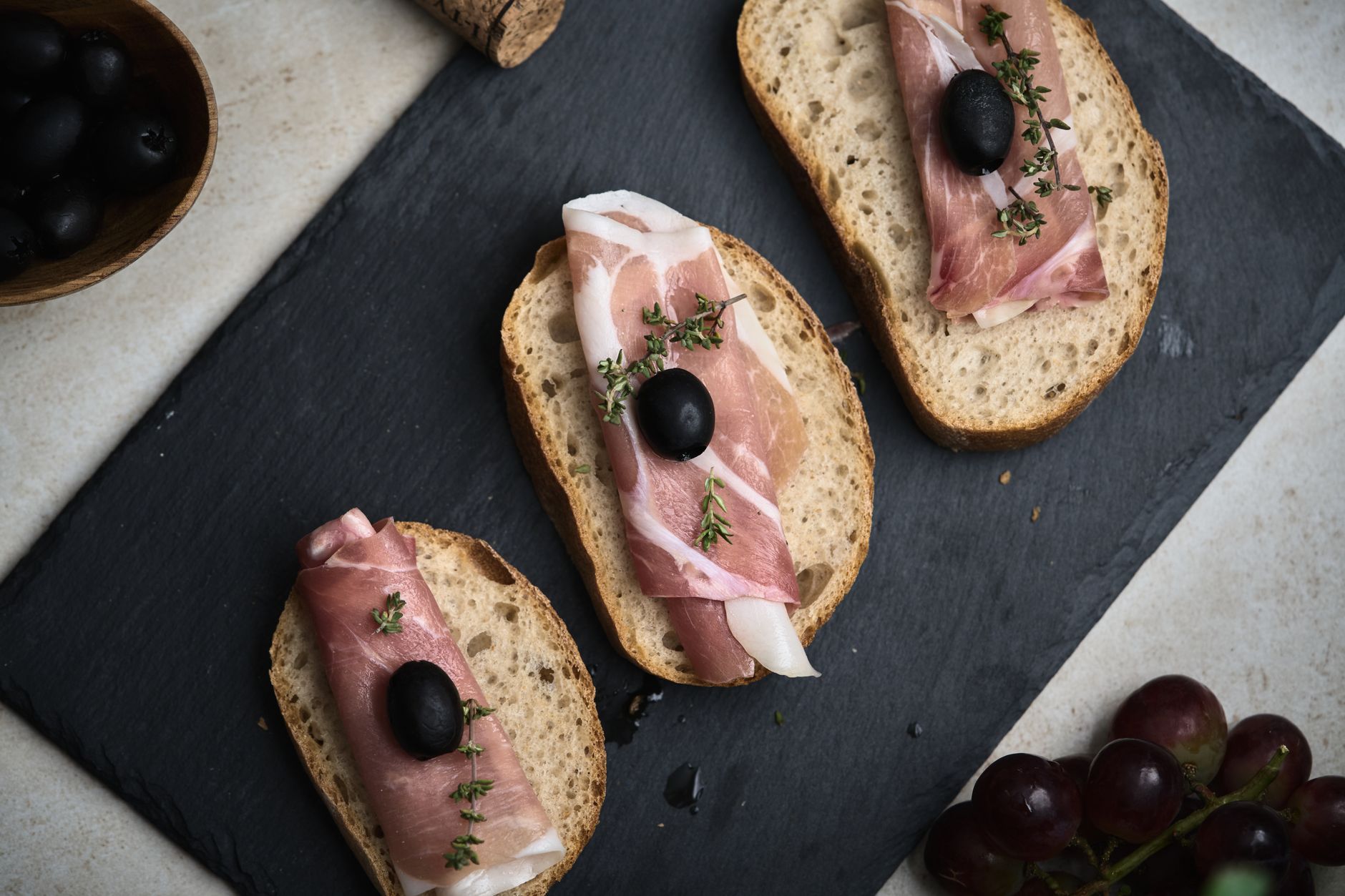
Prosciutto, on the other hand, is a bit more delicate, so it pairs beautifully with fruits like melon or figs, or layered thin over slices of fresh mozzarella. Drizzle a little olive oil on top, and it feels like a celebration in your mouth. If you ever get the chance, try wrapping prosciutto around asparagus or figs for a fancy appetizer youll see what I mean.
By the way, if youre feeling under the weather but still craving something nourishing and easy, check out some of the best foods to eat when sick sometimes a few slices of prosciutto or capicola can boost your spirits in a surprising way.
Capicola Nutrition vs Prosciutto Nutrition
Okay, I know what youre thinking: cured meats are they good for you or not? Well, like most things, its all about balance and knowing what youre eating.
Capicola nutrition tends to be richer in fat because of where it comes from that shoulder and neck have more marbling than the lean leg used for prosciutto. Its got a good protein kick, but it can also have a fair amount of sodium and saturated fat due to the curing process and seasoning.
Prosciutto nutrition leans leaner and lower in fat, although its still got quite a bit of sodium because of the salt curing. So, if youre watching salt intake, portion control with either meat is key. But both can be enjoyable parts of a balanced diet when consumed thoughtfully.
Heres a rough comparison per 1 ounce (28g) serving:
| Nutrient | Capicola | Prosciutto |
|---|---|---|
| Calories | 100-120 | 70-80 |
| Protein | 8-10g | 8g |
| Fat | 7-9g | 4-5g |
| Sodium | 500-700mg | 600-700mg |
So, both have their perks but neither is really a health food. That said, for those who love Italian cured meats and want to enjoy them guilt-free, moderation and quality over quantity are the way to go!
Buying, Storing, and Using Capicola & Prosciutto
When youre on the hunt for good capicola or prosciutto at the store, heres what to watch out for to make sure youre getting the real deal:
- Check the label. Is it labeled as PDO or DOP? That means its made according to traditional standards and is probably authentic.
- Look for color and marbling. Capicola should have visible fat streaks; prosciutto should be a rosy pink with slight fat edges.
- Smell it. A clean, slightly sweet aroma means fresh meat; if it smells sour or off, pass on it.
Both meats should be stored refrigerated, ideally vacuum-sealed or tightly wrapped to keep them from drying out. Capicola tends to hold up a bit longer once opened because of its seasoning, but prosciutto? Use up faster its a delicate flower.
Oh, and when youre slicing at home, getting the thickness just right is crucial. Too thick and you miss that melt-in-your-mouth magic; too thin and it falls apart. If you want to up your game, investing in a quality meat slicer can make all the difference trust me on this.

Why It Pays to Know the Difference
Heres the truth: understanding the capicola vs prosciutto difference isnt just a fun food trivia fact it actually helps you pick the right ingredient for your meals and avoid disappointment.
Grab capicola when you want a little spice and full flavor that stands up to bold cheeses and rustic bread. Choose prosciutto if youre craving something smooth, mild, and a little sweet perfect for a summer salad, melon wrap, or just a fancy snack.
Also, knowing this stuff gives you street cred at dinner parties (yes, that matters), and opens the door to exploring the rich, delicious world of Italian cured meats in general. Theyre all a little adventurous and very worth the discovery.
What about you? Have you ever tried both? Or maybe have a favorite way to enjoy capicola or prosciutto? Id love to hear your stories or answer any questions youve got just drop a comment or get in touch!

FAQs
What is the main difference between capicola and prosciutto?
Capicola comes from the neck or shoulder of the pig and is typically spicier and fattier, while prosciutto is from the hind leg, leaner, and has a delicate, sweet flavor.
How long is capicola cured compared to prosciutto?
Capicola is generally cured for weeks to a few months, whereas prosciutto is aged much longer, often from 12 months up to 2 years.
Can capicola and prosciutto be used interchangeably in recipes?
They can sometimes substitute for each other, but capicola’s bold and spicy flavor contrasts with prosciutto’s mildness, so the choice depends on the flavor profile desired.
What is the best way to slice prosciutto and capicola?
Prosciutto should be sliced very thinly to enhance its silky texture, while capicola can be sliced slightly thicker to enjoy its firmer, fattier bite.
Are capicola and prosciutto healthy options?
Both are rich in protein but also contain high sodium and fat. Moderation is key when including them in a balanced diet.