If youve ever wondered about the difference between gumbo vs jambalaya, youre not alone. Both are beloved Louisiana dishes packed with bold flavors and a rich history. But while they share some common ingredients, their textures, cooking methods, and serving styles set them worlds apart. Understanding this difference can take your appreciation for southern cuisine to the next level and guide you toward your new favorite meal.
What Is Gumbo?
Gumbo is a quintessential Louisiana stew with a thick, velvety texture, usually served over plain white rice. It‘s a carefully simmered dish that develops deep, rich flavors over time, anchored by a dark roux made from flour and oil or fat. This thickening base makes gumbo more like a stew than a soup, with a luscious mouthfeel that distinguishes it from other brothy dishes.
The foundation of gumbo includes the "holy trinity"onions, celery, and bell peppersalongside proteins such as chicken, sausage, or seafood, depending on regional preferences. Creole gumbo might lean toward tomato-based roux and include crab or shrimp, while Cajun gumbo often relies on a darker roux with an earthy, smoky profile and less or no tomato. Herbs and spices like bay leaves, thyme, and cayenne pepper provide complexity and warmth.

What Makes a Gumbo Recipe Unique?
One key to authentic gumbo lies in the roux, which must be cooked low and slow until it reaches a deep brown or chocolate color without burning. This process takes patience but builds a nutty, roasted flavor that defines gumbos character. The holy trinity vegetables soften into the roux, enriching the stews body and digestibility.
Gumbo recipes vary by proteinsome feature spicy Andouille sausage and tender chicken, while others highlight fresh Gulf seafood. The dishs thickness comes from the roux and slow-simmering broth, which melds the ingredients into a harmonious whole. When served, gumbo is ladled generously over steamed rice, soaking up the rich juices in every bite.
How to Prepare Gumbo Step-by-Step
- Start by making the roux: Combine equal parts flour and oil in a heavy pot over medium heat.
- Stir constantly with a wooden spoon for 20-30 minutes until the roux turns a deep brown color, similar to chocolate.
- Add diced onions, celery, and green bell peppers (holy trinity) and cook until softened, about 5-7 minutes.
- Incorporate garlic, then your choice of proteinchicken thighs, sliced Andouille sausage, or seafoodand brown lightly.
- Add stock (chicken or seafood) and bring to a simmer; season with bay leaves, thyme, cayenne, salt, and pepper.
- Simmer gently for at least 45 minutes to develop flavor, stirring occasionally.
- Serve hot over steamed white rice and garnish with chopped green onions or parsley.
Understanding Jambalaya
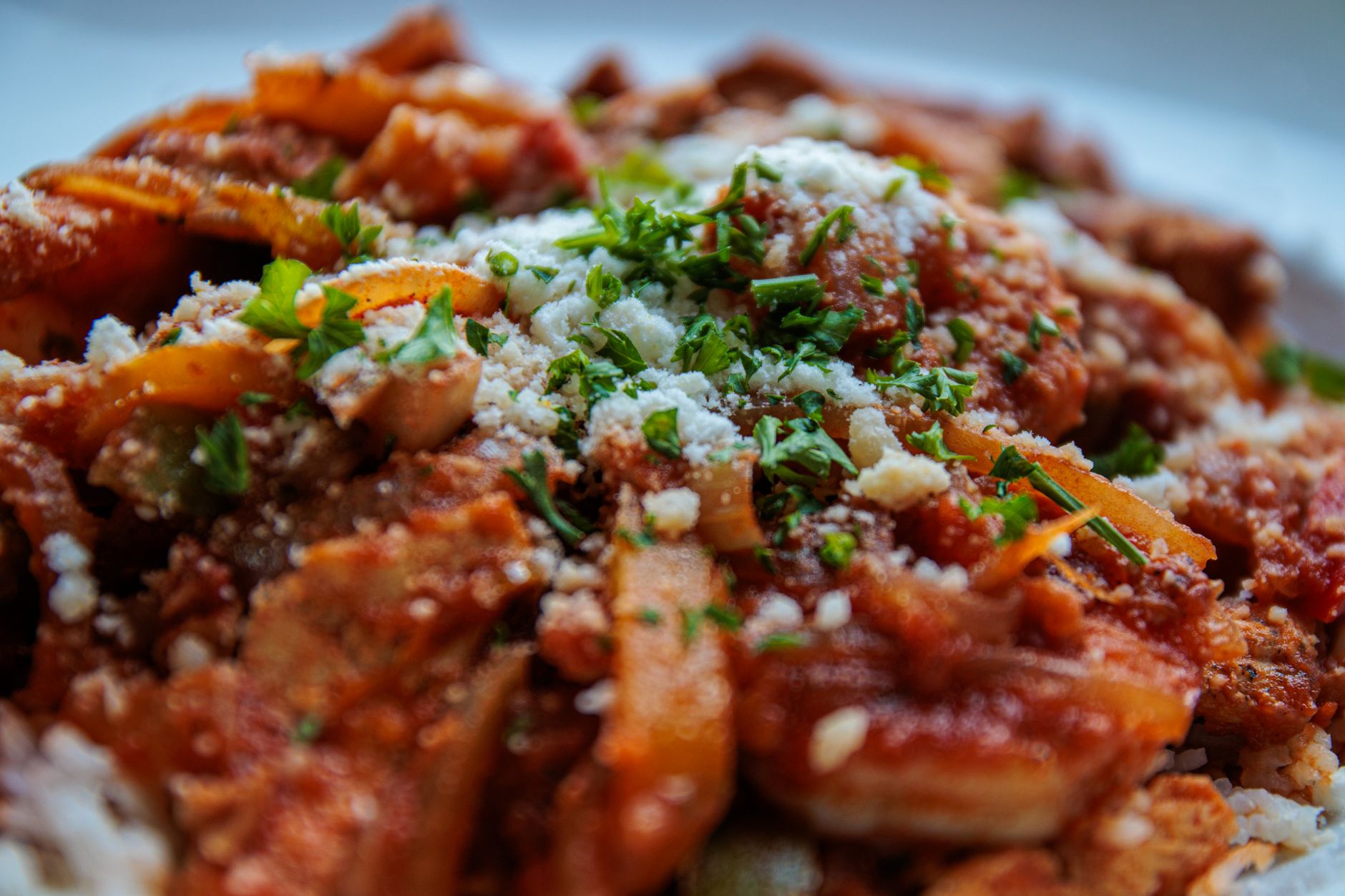
Unlike gumbo, jambalaya is a vibrant, one-pot rice dish where the rice cooks directly with the meats, vegetables, and stock. Its hallmark is a hearty, slightly dry texture where the rice absorbs nearly all the flavorful broth, resulting in a dish thats both filling and intensely savory.
Jambalaya comes in two main types: Cajun (sometimes called brown jambalaya) and Creole (red jambalaya). Cajun jambalaya typically skips tomatoes, relying on dark roux, smoked sausage, chicken, and a robust seasoning blend. Meanwhile, Creole jambalaya adds tomatoes, giving it a tangy, red sauce that brightens the dish.

How Does Jambalaya Differ From Gumbo in Cooking and Flavor?
The biggest difference is in preparation. Jambalaya cooks everything together in the same potmeats are browned, vegetables sauted, and rice added last with liquid to absorb all the cooking essences. In contrast, gumbo ingredients cook separately with a roux and broth, served atop rice thats prepared independently.
Texture-wise, gumbo is a thick stew thats spooned over rice, while jambalaya is drier, more like a flavorful pilaf or paella. Flavor layering in jambalaya is direct: the rice soaks in spices, stock, and fat from meat, creating a cohesive bite that blends heat, smokiness, and acidity in Creole versions.
Classic Jambalaya Recipes and Variations
| Recipe Type | Main Ingredients | Flavor Profile | Typical Spices |
|---|---|---|---|
| Cajun Jambalaya | Smoked sausage, chicken, onion, celery, bell pepper, dark roux | Smoky, hearty, spicy | Paprika, cayenne, thyme, bay leaves |
| Creole Jambalaya | Sausage, chicken, tomatoes, onion, celery, bell pepper | Bright, tangy, slightly sweet | Thyme, oregano, cayenne, bay leaves |
To adjust spice levels, reduce cayenne and paprika for a milder experience or add hot sauce at the table for custom heat. Serve jambalaya with a green salad or crusty bread to complement its bold flavors.

Gumbo vs Jambalaya Comparison
| Feature | Gumbo | Jambalaya |
|---|---|---|
| Cooking Method | Stew with thick roux, simmered separately, served over rice | One-pot; rice cooked with ingredients and liquid |
| Texture | Thick, stew-like, saucy | Dry, fluffy, rice-centered |
| Main Ingredients | Roux, holy trinity, seafood/meat, stock | Rice, meats, holy trinity, tomato (Creole) |
| Serving Style | Over plain white rice | All mixed together in one dish |
| Flavor Notes | Nutty, smoky, rich stew | Spicy, smoky, savory rice |
Which Should You Try First?
Choose gumbo when you crave a comforting stew that feels like a warm hug on a chilly day. Its richness and depth make it ideal for leisurely meals. Jambalaya is perfect when you want a hearty, no-fuss one-pot meal that packs bold flavors with minimal cleanup. Both deliver unique spice profiles that highlight Louisianas culinary heritage beautifully.
Common Misconceptions About Gumbo and Jambalaya
Many mistake gumbo for a soup because of its liquid nature, but gumbo is thicker and more stew-like. Others think jambalaya is just spicy rice, missing the intricate layering of meat and spice-infused stock that defines it. Neither dish is "soupy" in the way broth-based soups are, and both rely heavily on the holy trinity for their flavor foundations. Recognizing these details helps when ordering in restaurants or following recipes.
Cultural Roots of Gumbo and Jambalaya
Both dishes reflect the melting pot of cultures in Louisiana, blending influences from French, African, Spanish, and Native American cuisines. Gumbos name itself derives from a West African word for okra, a popular thickener. Jambalaya traces its roots to Spanish paella. This fusion reflects centuries of tradition, adaptation, and shared community around food.
According to Louisiana culinary historian Harry East, these dishes tell a story of survival, celebration, and sharing, representing not just recipes but cultural identity. Families often pass them down through generations, with each adding their personal touch. These dishes arent just meals; theyre cultural experiences that nourish both body and soul.
When is the Best Time to Eat Gumbo or Jambalaya?
Both gumbo and jambalaya shine during cooler months when their hearty, warming qualities are especially satisfying. Gumbo, with its slow-cooked richness, pairs perfectly with winter evenings or family gatherings. Jambalayas one-pot convenience and bold spices make it a great choice for casual dinners or festive occasions year-round.
Are Gumbo and Jambalaya Suitable for Halal Diets?
They can be, as long as the proteins and other ingredients are Halal-certified. Look for meats certified by trusted bodies like JAKIM or IFANCA, ensuring no non-Halal additives or cross-contamination. Many recipes use chicken, seafood, and sausage alternatives that meet Halal standards, making these dishes accessible and enjoyable for Halal-conscious eaters.
Can I Make Gumbo or Jambalaya Gluten-Free?
Traditional gumbo relies on a roux made with wheat flour, so it‘s not naturally gluten-free. However, you can prepare gluten-free variants using rice flour or cornstarch for thickening. Jambalaya is inherently gluten-free if you use pure rice and unprocessed meats. Always verify seasoning blends and sausage ingredients to avoid hidden gluten.
What Are Common Allergens in These Dishes?
Seafood gumbo contains shellfish, a major allergen. Both dishes may include sausage with added preservatives, which can trigger sensitivities. Spices are usually safe but watch for specific blends containing mustard or nuts. Always check ingredient labels or source from reputable brands to maintain a clean label approach.
What Should I Look for When Buying Ingredients?
Freshness is keychoose fresh vegetables, Halal-certified meats, and pure stock or broth without additives. Smoked sausage from trusted sources adds authentic flavor. For hallmark smoky taste, authentic seasoning blends or fresh herbs like thyme make a difference. If you want convenience, explore certified prepared foods; for example, Simmons prepared foods offer Halal options suitable for these dishes.
Any Tips for Cooking Gumbo Without Burning the Roux?
Stir continuously and use a heavy-bottomed pot to distribute heat evenly. Cook roux over medium to medium-low heat, never rushing the process. Patience yields a deep, nutty flavor; rushing risks bitterness. If you fear burning, remove the pot occasionally from heat and keep stirring.
Can I Freeze Gumbo or Jambalaya?
Yes, both freeze well. Cool completely, then store in airtight containers. Gumbo keeps safely for up to 3 months in the freezer, while jambalaya maintains flavor for approximately 2-3 months. Thaw in the fridge for 24 hours before reheating gently on the stove.
Pro Tips for a Flavorful Gumbo and Jambalaya
Balance heat and richness carefully; adding spicy heat gradually allows customizing to taste. For gumbo, emphasis on slow, precise roux development is crucial. In jambalaya, toasting rice lightly before adding liquid improves texture and nuttiness. Avoid overcrowding the pan to brown meats properly for deeper flavor. Using fresh herbs like thyme and bay leaves freshens the overall taste without overwhelming it.
Also, try sourcing sausages with clear Halal certification marks to maintain dietary compliance. Remember, a well-made gumbo or jambalaya is less about rushing and more about layering flavors thoughtfully over time.
If youre looking for fantastic deals on fresh baked goods or pantry staples to complement your Cajun meals, dont miss the Corner bakery coupons for great savings.
Recipe: Classic Chicken and Sausage Jambalaya
| Prep time | 15 minutes | Cook time | 45 minutes |
|---|---|---|---|
| Total time | 60 minutes | Servings | 6 |
| Calories | 380 per serving | Diet tags | Halal, Gluten-Free |
Ingredients
- 2 tbsp vegetable oil
- 1 lb Halal chicken thighs, trimmed and cut into chunks
- 1 lb Halal smoked sausage, sliced
- 1 large onion, diced
- 1 green bell pepper, diced
- 2 celery stalks, diced
- 3 cloves garlic, minced
- 1 1/2 cups long-grain white rice
- 1 can (14 oz) diced tomatoes (optional for Creole version)
- 3 1/2 cups chicken broth (low sodium)
- 2 tsp paprika
- 1 tsp dried thyme
- 1/2 tsp cayenne pepper (adjust to taste)
- Salt and black pepper to taste
- 2 bay leaves
- Fresh parsley for garnish
Instructions
- Heat oil in a large Dutch oven over medium-high heat.
- Add sausage slices; cook 5 minutes until browned. Remove and set aside.
- Add chicken pieces; cook 7 minutes until golden but not fully done. Remove and set aside.
- Reduce heat to medium, add onions, bell pepper, celery; saut 5 minutes until soft.
- Add garlic, paprika, thyme, cayenne; cook 1 minute until fragrant.
- Stir in rice and toast for 2 minutes, stirring constantly.
- Return sausage and chicken to pot. Pour in broth and tomatoes (if using).
- Add bay leaves, salt, and pepper. Bring to boil.
- Reduce heat to low, cover tightly, and simmer for 25 minutes, or until rice is tender and liquid absorbed.
- Remove from heat; let rest covered for 5 minutes.
- Fluff with fork, garnish with parsley, and serve hot.
Storage
Leftovers keep fresh in the refrigerator for 4-5 days in a sealed container. Reheat gently with a splash of water or broth to maintain moisture.
For other quality protein options for your jambalaya, check out halal sources through Simmons prepared foods, renowned for their traceable Halal-certified meats.
More You Might Like
Discover savvy tips for stocking your pantry with Halal-friendly and healthy snacks that pair well with hearty meals.
Explore recipes that showcase nutritious dairy and confectionery items to balance savory flavors.
Learn about maintaining a clean-label diet with trusted Halal-certified grocery products.
Whats the Most Overlooked Mistake When Making Gumbo?
Not giving enough time for the roux to develop its deep color and flavor. A rushed roux often tastes raw or burnt, ruining the gumbos foundation. Patience is key to achieving that signature nutty depth.
Why Do Some Jambalaya Recipes Fail to Fully Cook the Rice?
Inadequate liquid or sealing during cooking causes uneven rice texture. Always measure broth carefully and cover tightly during simmering. Fluff gently after resting to avoid mushy grains.
Can I Substitute Ingredients to Make These Dishes Healthier?
Yes. Use skinless chicken breasts or turkey sausage for lean protein. Lower sodium broth and reduce added salt. Increase vegetable content with okra or tomatoes for fiber boost.
What Certification Logos Ensure Halal Meat for These Dishes?
Look for recognized marks like JAKIM, HMC, or IFANCA on packaging to confirm Halal compliance, according to JAKIM Halal certification standards.
Are These Dishes Suitable for Meal Prep?
Absolutely. Both gumbo and jambalaya freeze well and reheat easily. Use airtight containers and consume within 3 months for peak flavor.
How Can I Boost the Flavor Without Increasing Spiciness?
Incorporate smoked paprika or use a dash of Worcestershire sauce (check for Halal certification). Fresh herbs and a squeeze of lemon can brighten without heat.
Is Cooking with Fresh vs Dried Herbs Better for Authentic Taste?
Fresh herbs provide a brighter, more vibrant flavor, especially when added at the end. Dried herbs work well in long-simmering dishes but use about one-third the amount of fresh.
Whether youre craving the slow-cooked comfort of gumbo or the bold, one-pot magic of jambalaya, knowing their key differences makes choosing easier. Next time you shop, check labels for Halal certification and fresh ingredients. Try these recipes yourself and share your favorite twists in the comments below.
FAQs
When is the best time to eat or drink gumbo vs jambalaya?
Both gumbo and jambalaya are ideal during cooler months when their hearty, warming nature is most satisfying. Gumbo suits leisurely meals on chilly evenings, while jambalaya’s one-pot convenience and bold flavor make it great year-round for casual dinners or festive occasions.
How long do gumbo and jambalaya keep after cooking?
Cooked gumbo lasts up to 4-5 days refrigerated and freezes well for about 3 months. Jambalaya keeps fresh refrigerated for 4-5 days and maintains flavor for 2-3 months when frozen. Always store in airtight containers and reheat gently.
What is the main difference between gumbo and jambalaya?
Gumbo is a thick stew served over separately cooked rice, using a dark roux and simmered broth, while jambalaya is a dry, one-pot rice dish where rice cooks with the meat, vegetables, and stock together, resulting in distinct textures and flavor layers.
Is it safe to eat gumbo or jambalaya every day?
Yes, in moderation gumbo and jambalaya can be part of a balanced diet. Choose lean proteins, control spice and sodium levels, and add extra vegetables to increase nutrition. Variety is key to daily meal safety and health.
Where can I buy Halal-certified ingredients for gumbo and jambalaya?
Halal-certified meats and ingredients can be found through trusted suppliers and specialty Halal grocers. Look for certification logos like JAKIM, IFANCA, or HMC on products. Online Halal markets and brands like Simmons prepared foods also offer Halal options suitable for these dishes.