Have you ever heard the term deckle of beef and wondered what it actually means? It sounds like a fancy or old-fashioned cut, but deckle beef is a flavorful and unique portion prized by chefs and home cooks alike. While not as common as ribeye or brisket, this cut delivers rich taste and texture that deserve attention, especially when choosing Halal-certified beef. Lets clarify where it comes from, what makes it special, and how you can enjoy it in your kitchen.
What Is a Deckle of Beef?
A deckle of beef is a specific cut taken from the upper section of the brisket, closely associated with the ribeye cap region. This cut is valued for its marbling and texture, offering a balance of tenderness and robust beef flavor. The term "deckle" originally referred to the fatty, outer part trimmed from tougher cuts to enhance quality.
Deckle Beef Location Where Exactly Is It?
The deckle sits atop the brisket, near the chuck and rib primal cuts. It is an off-cutmore like a cap or flapthat butchers separate when trimming whole briskets or ribs. Think of it as the outer, fattier layer that wraps around the leaner brisket muscle underneath. This location puts the deckle near luxury cuts like the ribeye cap, which shares a similar texture and mouthfeel.
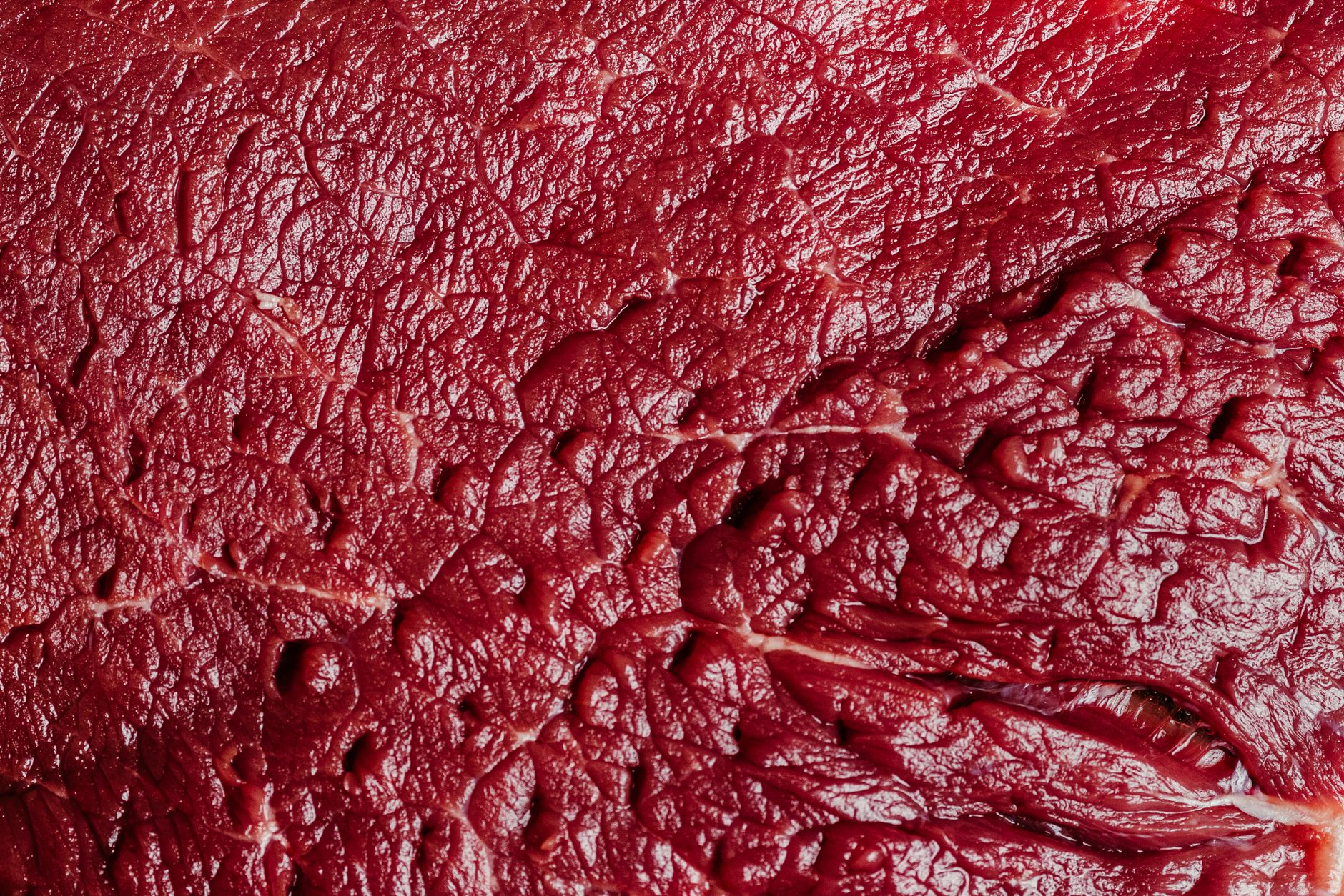
In relation to other beef cuts, the deckle is often mistaken for brisket or chuck, but it has more marbling and a softer texture that makes it ideal for slow cooking or smoking.
Beef Deckle Explained What Makes It Different?
The deckle of beef stands out because of its distinctive fat distribution and grain structure. It has a higher fat content than the central brisket point, resulting in a fuller flavor and a tender bite when cooked properly. This fat also helps keep the meat moist during slow cooking methods.
Compared to adjacent cuts like the ribeye capwhich is prized for tendernessthe deckle is a bit firmer but still supple. Its less known but offers similar culinary qualities for those who appreciate deep beef flavor combined with a pleasing texture.
Why Is the Deckle Cut Important?
Chefs prize the deckle for its ability to deliver flavor that stands up in bold recipes. Its rich marbling and body make it well-suited for braising, smoking, or slow roasting, where the fat slowly renders and flavors the meat. Beyond taste, the deckle is often a more affordable alternative to premium ribeye or chuck cuts but still delivers exceptional quality if trimmed and cooked right.
Types of Beef Cuts Including Deckle How It Fits In
Understanding deckle beef starts with knowing how beef cuts are generally classified. The primary sections include chuck, rib, loin, brisket, flank, and round. The deckle is part of the brisket category, specifically the fatty top section thats trimmed off or separated for specialized uses.
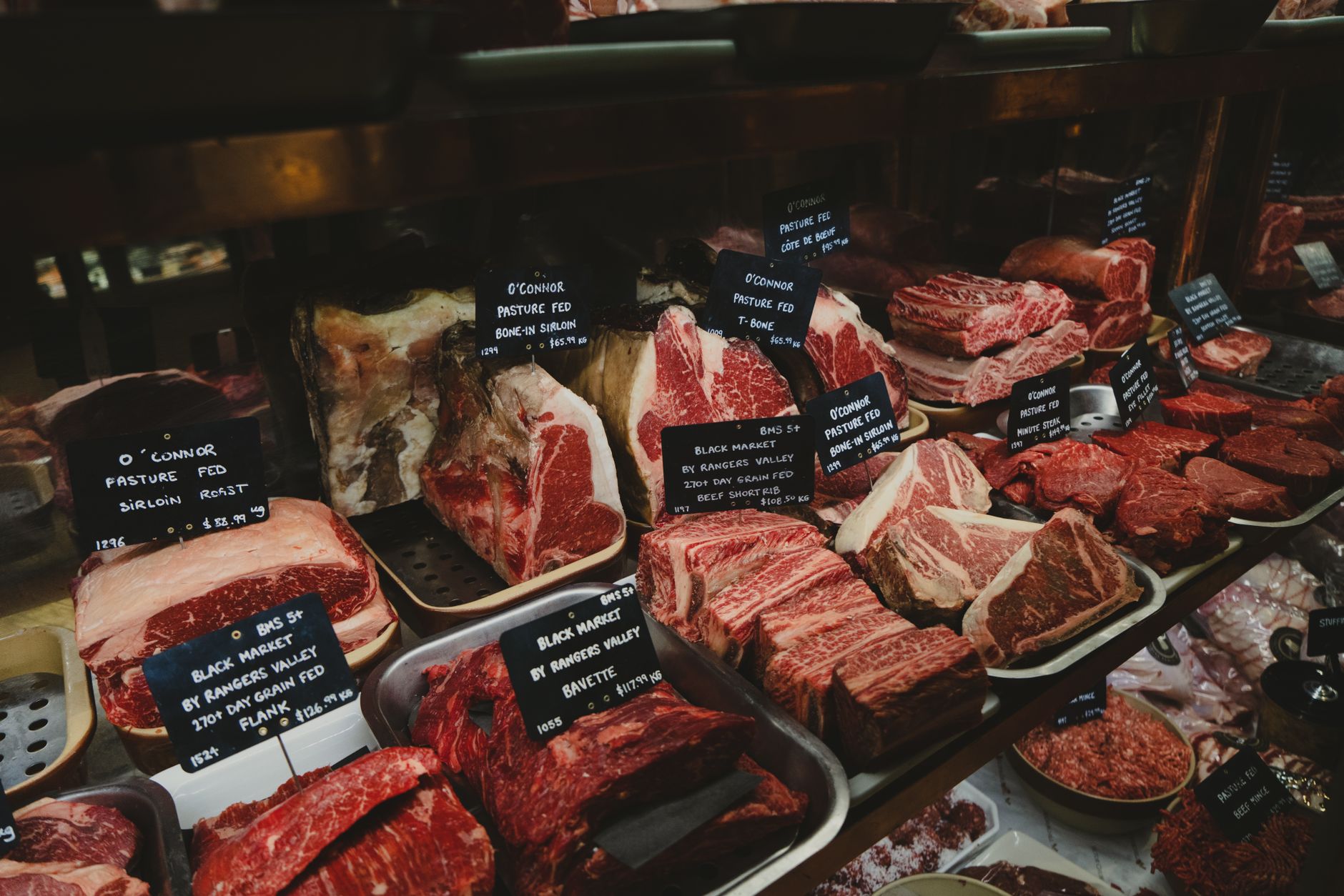
This cut is sometimes sold as deckle trim or simply included with brisket point cuts. Knowing this helps you identify deckle in markets or when discussing with your butcher. For Halal consumers, its ideal to select cuts that come with reliable certification, such as JAKIM or HMC logos, ensuring the beef meets strict practices and health standards.
Benefits vs. Risks of Cooking with Deckle of Beef
The deckles benefits come from its balanced fat content, leading to juicy and tender results. Its excellent in dishes requiring long, slow heat but can be a challenge for quick cooking due to connective tissue. Fat content means its naturally flavorful but also higher in calories, which might be a consideration for health-conscious eaters.
Cooking risks include improper trimming or overcooking, which can toughen the fibers or leave an overly fatty texture. However, with the right technique, these issues can turn into strengths, giving a rich eating experience.
For those interested in comparing similar rich beef cuts, the distinctions between T-bone vs porterhouse beef cuts provide interesting contrasts on how cut location influences flavor and texture.
How to Identify, Trim, and Cook Deckle of Beef
Deckle can be tricky to find in usual grocery stores, but trusted butchers and Halal-certified meat suppliers often carry it or can order it for you. Look for marbled meat with a noticeable fatty layer and ask if it comes from the brisket point or ribeye cap area.
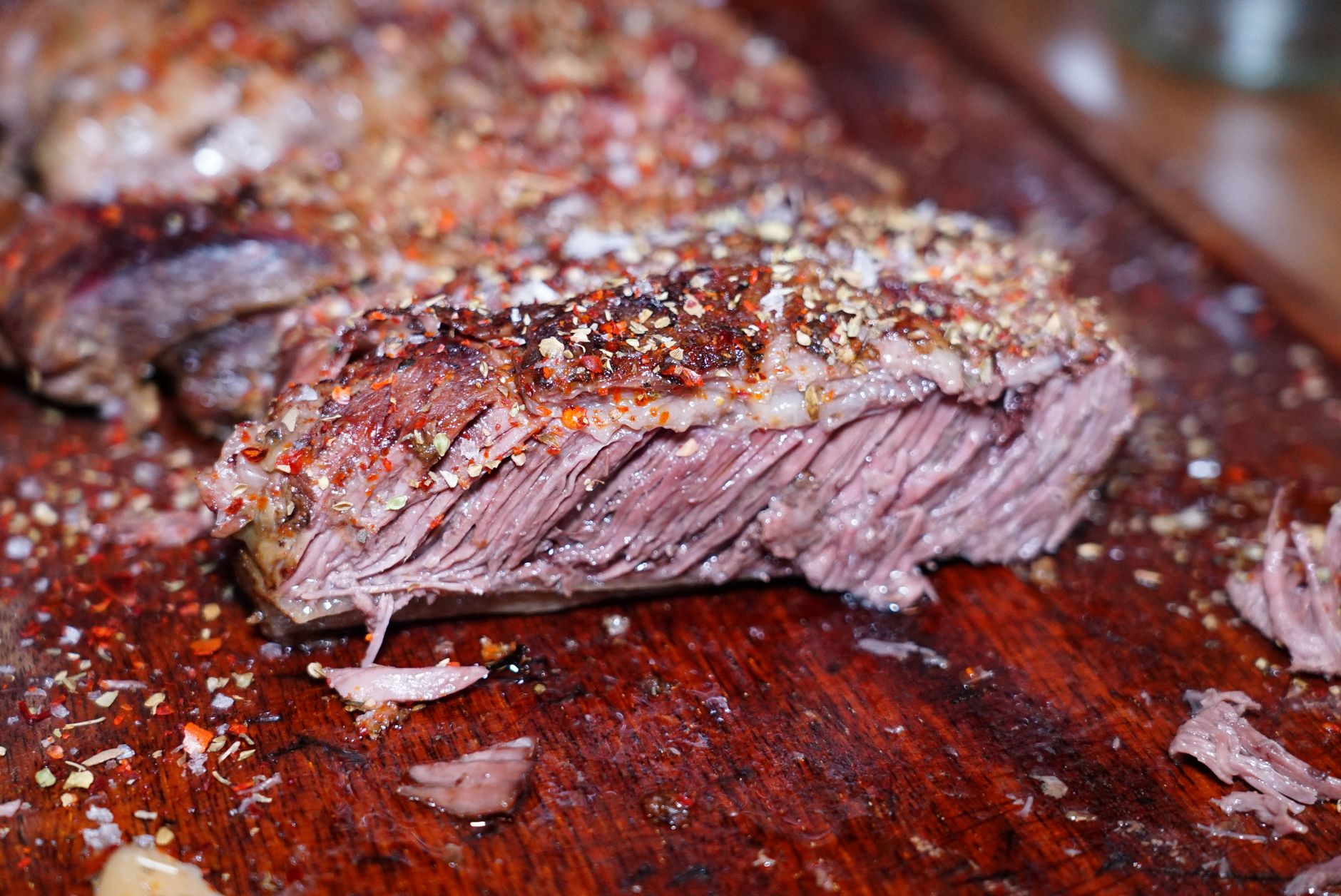
Step-By-Step Guide to Preparing Deckle Beef
- Trimming: Remove any thick silver skin or excessively hard fat but keep the marbling intact. Aim to keep a thin fat cap that will melt during cooking.
- Seasoning: Use simple salt and pepper or a dry rub with garlic powder, paprika, and herbs to enhance natural beef flavors.
- Cooking: Braise deckle at 275F (135C) for about 34 hours until tenderness is achieved. Alternatively, smoke at low heat (225F/107C) for 6 hours for a smoky layer.
- Resting: Let the meat rest for 15 minutes before slicing across the grain for best texture.
Recipe Ideas Using Deckle of Beef
If you like experimenting with rich beef cuts, try a simple braised deckle recipe:
| Prep time | Cook time | Total time | Servings | Calories | Diet tags |
|---|---|---|---|---|---|
| 15 minutes | 3 hours 30 minutes | 3 hours 45 minutes | 4 | 460 kcal | Halal, Gluten-Free |
Ingredients:
- 1.5 kg deckle of beef
- 2 tbsp olive oil
- 1 large onion, sliced
- 4 garlic cloves, crushed
- 2 cups beef broth (Halal-certified)
- 1 cup red wine (optional)
- Salt, pepper, thyme, bay leaves
Instructions:
- Preheat oven to 275F (135C).
- Heat olive oil in a Dutch oven over medium heat. Sear deckle on all sides for about 4 minutes per side.
- Remove beef and saut onions and garlic until softened, about 5 minutes.
- Return beef to pot, add broth, wine, herbs, salt, and pepper.
- Cover and place in oven. Cook for 3 to 3.5 hours until tender.
- Remove beef, let rest 15 minutes, then slice thin.
- Serve with braising liquid or gravy made from pan drippings.
This recipe highlights the deckles rich flavor and tenderness after slow cooking, making it a rewarding choice for Halal-conscious cooks aiming for robust taste without sacrificing dietary needs.
Is Deckle Beef Expensive or Hard to Find?
Deckle cuts tend to be less costly than premium steaks like ribeye or filet. However, they are occasionally harder to find due to their niche usage and smaller market demand. Locating a Halal-certified butcher or supplier who can provide fresh deckle with proper certification (such as IFANCA or JAKIM) increases chances of a quality purchase. Pricing varies by region but expect moderately priced beef thats great for slow cooking recipes.
Can You Substitute Deckle with Another Cut?
If deckle isnt available, consider brisket point or ribeye cap as good substitutes due to similar fat and muscle composition. Both provide comparable tenderness and flavor profiles, though cooking times may vary slightly. Avoid leaner cuts like sirloin if you want to replicate deckles rich fat content.
How Is Deckle Different From Deckle Trim or Other Similar Terms?
Deckle trim usually refers to the pieces cut off from the main deckle muscle, often used for ground beef or stew meat. The full deckle is a solid, more uniform piece ideal for roasting or braising. Misunderstanding these terms can lead to different cooking results, so always clarify with your butcher what you are purchasing.
Is Deckle Beef Actually Halal What Should I Check?
To ensure your deckle of beef is Halal, always look for certification logos from reputable bodies such as JAKIM, HMC, or IFANCA on packaging or at the butcher counter. These certifications confirm the animal was slaughtered according to Islamic dietary laws, and the meat is free from contamination with non-Halal products. When in doubt, ask your supplier about their sourcing and certification.
What Makes Deckle Beef Suitable for Halal and Health-Conscious Diets?
Deckle beef can fit well within Halal diets as long as properly certified and sourced. Its moderate fat content offers natural flavors without artificial additives. Always read labels or ask butchers to ensure no non-Halal ingredients or processing aids were used. Opt for lean trimming to reduce saturated fat intake for a balanced health-conscious meal.
Can Deckle Beef Be Used in Asian-Style Recipes?
Absolutely. Deckles texture and flavor make it adaptable to many cuisines, including Asian dishes. Slow braised deckle with soy sauce, ginger, and star anise yields tender, aromatic results. For inspiration, check out guides on Asian street meat styles that highlight beef cuts you might not have considered before.
How Should Deckle Beef Be Stored for Freshness?
Raw deckle beef should be kept refrigerated at 4C or below and used within 34 days. For longer storage, freeze tightly wrapped in vacuum or freezer bags at -18C for up to 6 months. When reheating cooked deckle, do so gently to prevent drying out, ideally with moisture or in a covered dish.
Can You Cook Deckle Beef for Quick Meals?
Deckle is best suited for slow cooking due to its connective tissue and fat content. Quick frying or grilling can leave it tough and chewy. However, thin slices can sometimes be stir-fried quickly after marinating to help break down fibers. If you want fast cooking, consider leaner cuts instead.
What Are Common Mistakes When Cooking Deckle Beef?
One common error is skipping the trimming step, which leaves excessive fat or hard silver skin that affects texture. Another is cooking at too high heat, which toughens connective tissue instead of breaking it down. Patience is key: low and slow ensures the best results.
Pro Tips for Cooking Deckle Beef
Dont rush trimming! Careful removal of excess fat and sinew will improve texture without sacrificing flavor. Use a meat thermometer to monitor internal temperatureaim for 195F (90C) in braising for ideal tenderness. Resting after cooking redistributes juices, making the beef more succulent.
Pair deckle with acidic sides or sauces, like pickled vegetables or a tangy chimichurri, to balance its richness. This approach enhances overall flavor harmony.
What to Look for When Buying Deckle Beef
| Certification | Price Range | Common Formats | Shelf Life | Key Allergens |
|---|---|---|---|---|
| JAKIM, HMC, IFANCA Halal certified | Moderate ($15$25/kg) | Whole cut, trimmed | 34 days refrigerated; 6 months frozen | None naturally; check seasoning labels |
More You Might Like
Explore the differences in classic beef steaks with our guide on T-bone vs porterhouse. Perfect if you want to deepen your understanding of beef primal cuts.
If you‘re curious about diverse cooking styles, our article on Asian street meat offers fascinating insights into how different cultures utilize similar beef portions.
Conclusion
Understanding the deckle of beef uncovers a hidden gem among Halal-friendly cuts. Its flavorful fat and tender texture reward gentle preparation and slow cooking. Next time you visit your butcher, consider asking for deckle and enjoy experimenting with this rich, yet affordable option. If you try cooking with it, wed love to hear how it turned outfeel free to leave a comment below!
FAQs
Is deckle of beef actually Halal — what should I check on the label?
To ensure deckle of beef is Halal, look for certification logos from recognized bodies like JAKIM, HMC, or IFANCA. These confirm the meat is slaughtered according to Islamic law and free from contamination with non-Halal products. Always ask your butcher or supplier about the source and certification if unsure.
What is the shelf life of deckle of beef after opening?
Raw deckle beef should be refrigerated at 4°C or below and consumed within 3 to 4 days after opening. For longer storage, freeze it tightly wrapped at -18°C for up to 6 months. Proper storage preserves freshness and flavor.
How does deckle of beef differ from brisket or ribeye cap cuts?
Deckle comes from the fatty outer layer of the brisket and has more marbling than the central brisket. It’s richer and more tender than brisket but firmer than ribeye cap. This makes deckle ideal for slow cooking, offering a unique balance of flavor and texture.
Is it safe to eat deckle of beef daily due to its fat content?
Deckle has a higher fat content, so it’s flavorful but also higher in calories. Eating it daily is safe when balanced with a healthy diet and lean protein sources. Trim excess fat and practice portion control for a balanced nutritional approach.
Where can I buy quality deckle of beef, especially Halal-certified?
Quality deckle of beef is available at trusted butchers and Halal-certified meat suppliers. Look for stores that display JAKIM, HMC, or IFANCA certification. Some may also offer pre-order options if deckle is not regularly stocked.