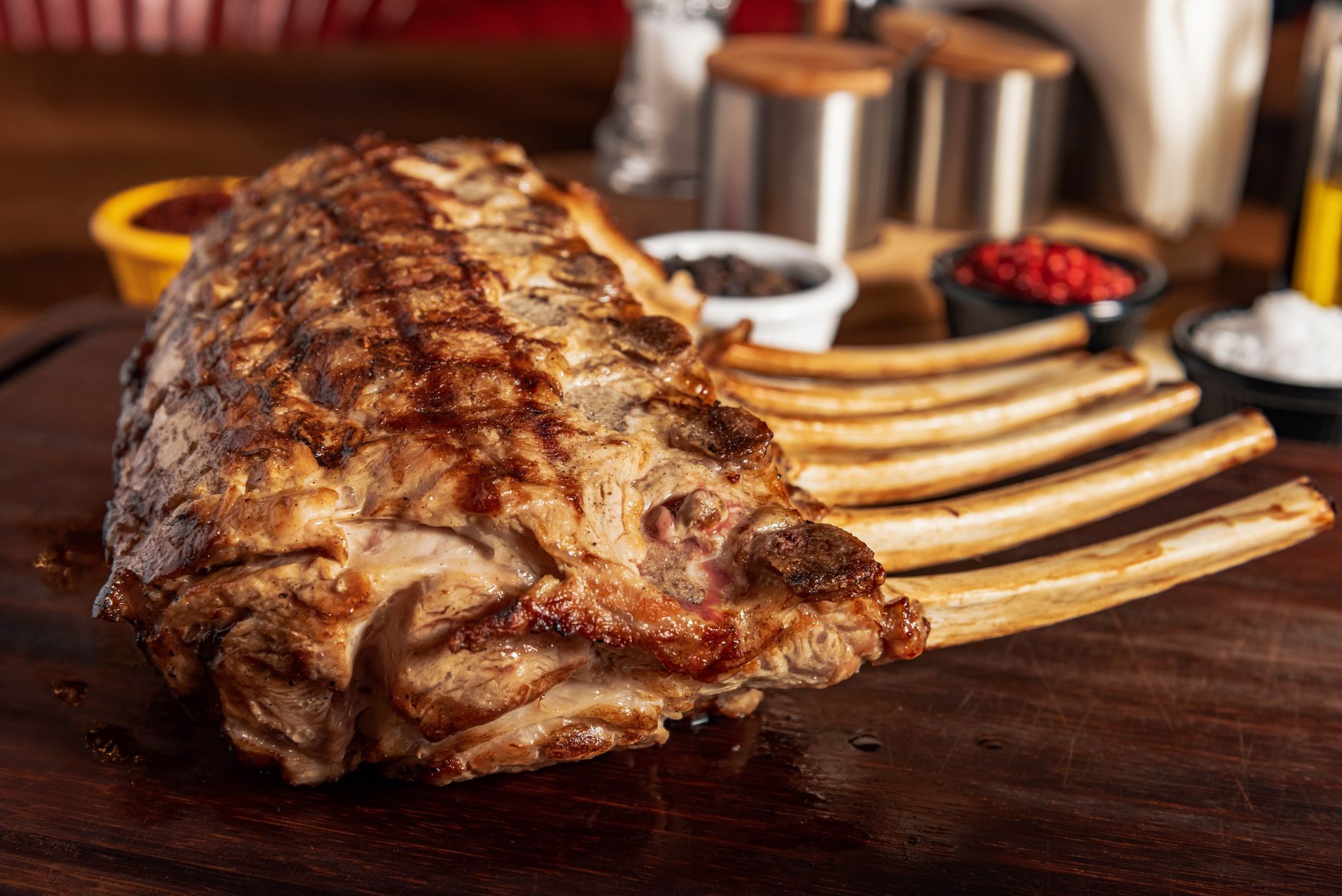
Reheating prime rib can be tricky. You want to enjoy those tender, juicy slices againnot a dry, tough mess. Thankfully, there are simple ways to reheat prime rib so it stays flavorful and moist. Whether youre serving leftovers for a special occasion or just craving a second helping, knowing how to reheat prime rib properly makes all the difference in taste and texture.
Reheating Challenges
Prime rib is a beautifully marbled, tender cut that youve likely spent time cooking to perfection. Reheating this cut requires gentle handling. When exposed to high heat or rushed methods, the delicate juices evaporate, and the meat becomes overly firm or dry.
What Happens When You Reheat Prime Rib Incorrectly?
The main issue when reheating prime rib incorrectly is moisture loss. Drying out causes the meat to lose its signature tenderness. The pink, medium-rare center can turn gray and tough. Uneven heating may also create cold spots or overcooked edges.
On top of texture, flavor suffers. Overheated prime rib loses its savory richness and can taste dull. Additionally, improper reheating can raise food safety concernsalways ensure the meat reaches a safe temperature internally without overcooking.
Keeping these risks in mind helps you choose the best reheating techniques to restore juicy prime rib.
Effects of Different Reheating Methods
Common reheating methods include oven, stovetop, and microwave. Each has pros and cons:
- Oven: Low and slow heating allows even warming and moisture preservation.
- Stovetop: Quick but risks uneven heating unless carefully monitored.
- Microwave: Fastest but tends to dry meat quickly and heat inconsistently.
Among these, the oven method typically offers the best balance of juiciness and convenience.
Best Oven Reheating Method
Reheating prime rib in the oven is a reliable, gentle approach to keep your meat tender and flavorful.
How to Reheat Prime Rib in the Oven
Start by preheating your oven to a low temperature of 250F (120C). Place the prime rib slices or whole piece on a baking sheet lined with aluminum foil or in a roasting pan. Cover the meat loosely with foil to lock in moisture but allow some circulation.
For slices about inch thick, heat for 2025 minutes. Thicker cuts may take 3040 minutes. The goal is to warm the meat evenly without cooking it further.
To retain juiciness, add a splash of beef broth or au jus around the meat before wrapping. This boosts moisture during reheating. After warming, let the prime rib rest for 510 minutes covered. This helps redistribute the juices for more consistent tenderness.
Can You Reheat Prime Rib on the Stovetop?
Reheating prime rib on the stovetop is possible but requires extra care. Use a heavy skillet over low heat. Add a bit of beef broth, butter, or olive oil to create steam and prevent drying. Cover the skillet with a lid while warming.
Stir gently or flip slices every 2 minutes for even heat distribution. Stovetop reheating is faster, roughly 812 minutes for medium-thick slices, but can easily overcook the edges if left unattended.
This method suits those needing quicker reheating, but watch the heat closely to avoid toughness.
Why Avoid the Microwave for Reheating Prime Rib?
Microwaves heat unevenly, often causing cold spots and dry edges. The quick bursts of heat toughen meat fibers, squeezing out moisture and drying out prime rib. Although convenient, microwaving should be a last resort.
If microwaving is necessary, cover your meat with a microwave-safe lid or damp paper towel. Use 50% power, heating in 30-second bursts, checking frequently to avoid overheating.
Tips to Keep Prime Rib Moist
- Add moisture: Pour 12 tablespoons beef broth or au jus over meat before reheating.
- Wrap well: Use aluminum foil or covered baking dishes to trap steam.
- Slice or whole: Slices heat faster but dry more easily; reheating whole roasts retains juiciness better.
- Rest: After reheating, let meat rest covered for 510 minutes to redistribute juices.
Serving Tips for Reheated Prime Rib
Reheated prime rib is delicious when served with complementary sauces and sides. Consider horseradish cream, rich mushroom gravy, or a classic au jus to enhance flavor and moisture.
Sides like roasted vegetables, mashed potatoes, or freshly baked bread enhance the experience. For balanced meals, opt for healthy vegetables to keep the dish light yet satisfying.
Judge doneness by gently pressing meat; it should feel warm but still tender, not dry or overly firm. If it feels stiff, it might be over-reheated.

If you enjoy slicing your prime rib thinly, consider investing in a quality meat slicer to get even, delicate cuts every time.
How Long Can You Keep Prime Rib Leftovers Before Reheating?
Store cooked prime rib in an airtight container in the refrigerator. Leftovers remain safe for 35 days if kept at or below 4C (40F). Use within this timeframe to ensure quality and avoid spoilage.
Can You Freeze Reheated Prime Rib?
Freezing prime rib after reheating is not recommended. Each freeze-thaw cycle degrades texture and moisture, leading to dry, tough meat. Instead, freeze prime rib immediately after cooking if you plan to store long-term, then reheat once when ready to serve.
Is It Better to Reheat Prime Rib Cold or at Room Temperature?
For best results, allow refrigerated prime rib to sit out for 1520 minutes to reach near room temperature before reheating. This helps heat the meat evenly and reduces reheating time, minimizing moisture loss.
What Certification Should I Check for Halal Prime Rib?
Look for recognized Halal certification logos like JAKIM (Malaysia), HMC (UK), or IFANCA (USA) on the packaging. These ensure the prime rib meets Halal standards, confirming ethical sourcing and processing practices.
Can Prime Rib Be Reheated with Its Bone In?
Yes, reheating prime rib with the bone still attached helps retain moisture and flavor. The bone acts as a heat conductor, promoting even warming. Just allow for longer reheating time if the roast is thick.
Does the Thickness of Prime Rib Affect Reheating?
Absolutely. Thicker cuts or whole roasts require longer gentle reheating at lower temperatures to avoid overcooking edges while warming the center. Thin slices warm quickly but risk drying out faster.
What Sauces Pair Best with Reheated Prime Rib?
Horseradish sauce, creamy mustard, beef au jus, or mushroom gravy complement prime ribs rich flavor and add moistness. These sauces also elevate the overall dining experience.
How Do I Prevent Reheated Prime Rib from Smelling Strong?
Proper storage is key. Wrap prime rib tightly and refrigerate promptly after cooking. Reheat gently without overcooking to preserve fresh, mild aromas. Adding fresh herbs or light sauces can mask any subtle reheated meat odors.
Expert Techniques to Upgrade Your Reheated Prime Rib
- Slow Oven Warm-Up: Preheat oven fully to 250F, then place meat inside. Dont open oven often, traps moisture.
- Use a Thermometer: Remove prime rib once internal temperature reaches 130F (54C) for medium-rare warmth.
- Inject Moisture: Lightly brush beef broth or melted butter before sealing in foil.
- Reheat Sous Vide: For precision, warm prime rib sous vide at 130F for 45 minutes for perfect texture; requires special equipment.
- Slice Freshly: If you plan to reheat whole, slice after reheating for uniform heat and moisture retention.
Remember, patience and gentle heat will keep your prime rib juicy every time.
More You Might Like
If youre interested in more specialty deli meats, check out our detailed guide to head cheese. Its a unique Halal-friendly option with rich flavors and tradition.
For those looking to perfect their kitchen tools, explore our review of the best meat slicer models to get consistent cuts for your prime rib and other meats.

Summary
Reheating prime rib without drying it out is easy when you use the right approach. The oven method at 250F, wrapped with broth and rested properly, delivers moist and tender results. Slow, gentle warming preserves flavor and keeps the pink center intact. Remember these tips and your leftover prime rib will taste just as delightful the second time around. Enjoy your next meal, and feel free to share your reheating successes or questions below!
FAQs
Is reheat prime rib actually Halal — what should I check on the label?
To ensure reheat prime rib is Halal, look for recognized certification logos such as JAKIM, HMC, or IFANCA on the packaging. These certifications guarantee that the meat follows Halal slaughter and processing standards, ensuring ethical sourcing and compliance with dietary laws.
How long can you keep prime rib leftovers before reheating?
Cooked prime rib leftovers should be stored in an airtight container in the refrigerator and can be safely kept for 3–5 days at or below 4°C (40°F). Use within this timeframe to maintain quality and prevent spoilage before reheating.
What is the difference between reheating prime rib and other beef cuts?
Prime rib requires gentler reheating due to its marbling and tenderness to preserve moisture and pink center. Other beef cuts may tolerate higher heat or faster methods, but prime rib benefits from low, slow warming to avoid drying or toughness.
Is it safe to reheat prime rib every day?
It’s safe to reheat prime rib once after cooking, but repeated reheating and cooling cycles increase the risk of bacterial growth and degrade quality. For food safety and best texture, avoid reheating leftovers multiple times.
Where can I buy quality prime rib suitable for Halal reheating?
Quality Halal prime rib can be purchased at certified Halal butcher shops, specialty grocery stores, or reputable online Halal meat suppliers. Always check for proper certification and freshness to ensure safe and flavorful reheating.