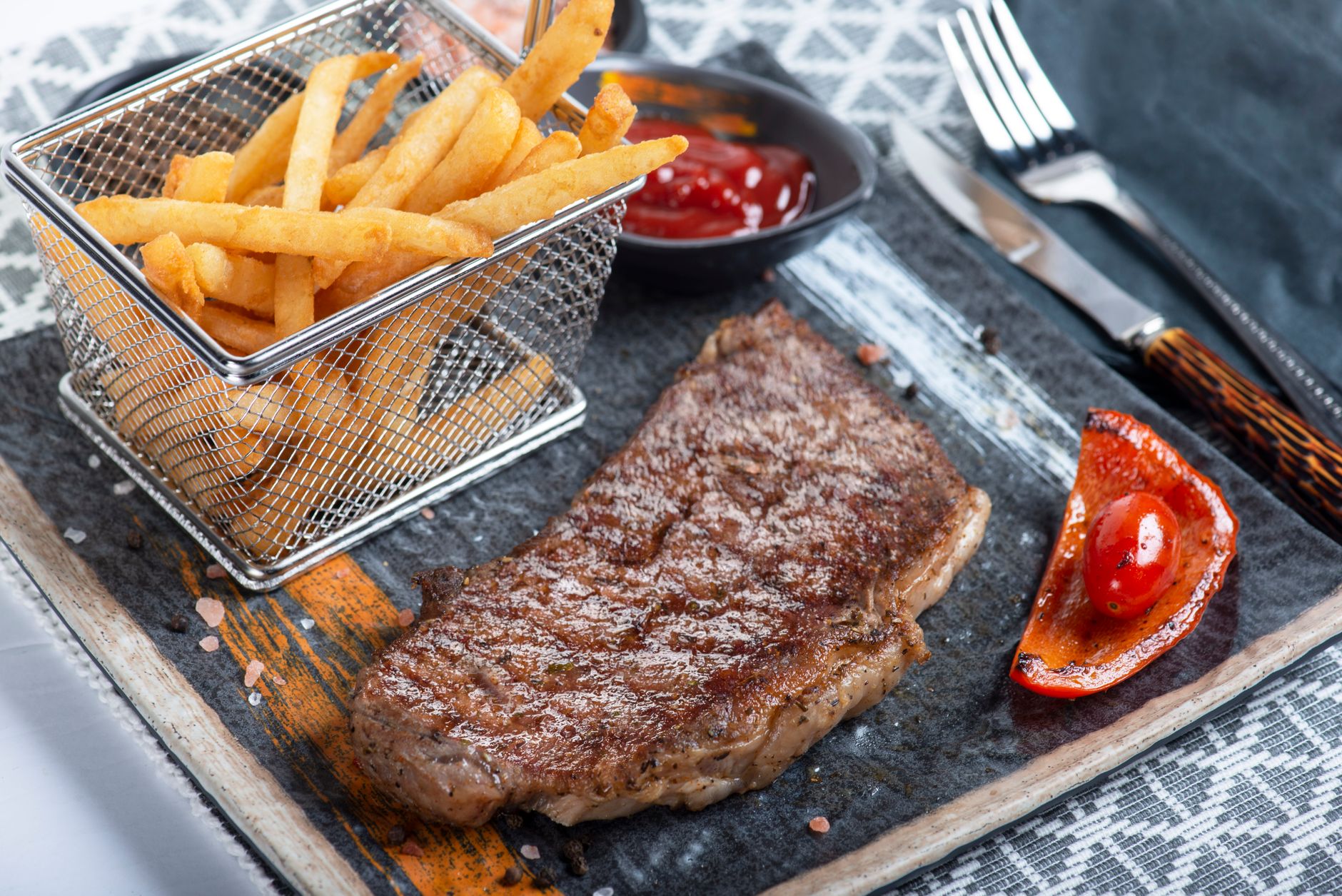
Okay, lets be real for a secondif youve ever made homemade french fries only to end up with soggy, limp sticks of disappointment, you know the frustration. Like, you put in the effort, you follow some simple recipe, and yet your fries just dont have that snap, that golden crunch, or the rich, almost meaty flavor that makes fast-food fries so addictive. So, whats the secret? Well, heres the quick answer: ditch the usual vegetable or canola oil and swap it out for beef tallow. Yep, that old-school, savory fries fat is where the magic really happens.
Beef tallow fries deliver a crispy crust and a deep, mouthwatering flavor thats tough to beat. But before you rush out and dunk your potatoes in the first batch of rendered fat you find, let's dig into why this works, when its best to use it, and how to get it rightso your homemade french fries can finally live up to their crispy, golden promise without leaving you wondering if you just wasted a pile of potatoes.
What Is Beef Tallow?
What Exactly Is Beef Tallow?
Lets break it down. Beef tallow is basically the rendered fat from cowspure, animal fat thats been carefully melted down and strained to a smooth, solid cooking fat. Think of it like butters less dairy-ish cousin. Its been prized for centuries as one of the best frying fats around because it has a high smoke point (which means it wont break down or burn easily) and a composition full of saturated and monounsaturated fats, perfect for that golden, crunch-creating sizzle.
Unlike typical vegetable oils, beef tallow isnt just a neutral cooking mediumit brings a rich, savory depth that your run-of-the-mill crispy fries oil just cant match. Its like comparing a symphony to a single violin playing alone. The flavor from tallow coats the fries with something warm and hearty, almost like its sharing a secret with your taste buds.
How Does Beef Tallow Affect the Flavor of French Fries?
If youve ever had fries cooked in beef fat, you know its almost addictive. That rich, meaty savoriness comes because beef tallow carries subtle compounds from the meat itselfflavors lost in most vegetable oils. So, when you fry potatoes in it, it doesnt just crisp the outside; it infuses that cooking fats unique personality into every bite.
This savory fries fat creates a flavor you wont find in fries cooked with neutral oils like canola or sunflower. Its deeper, more resonant, and its a big part of why classic fast-food fries from the early 20th century are still remembered so fondly. Plus, its perfect for homemade french fries if you crave that old-school taste.
Nutritional Overview: Benefits and Drawbacks of Using Beef Tallow
Now, I get itsome of you are thinking, But isnt beef tallow super unhealthy? Its a fair question, and yes, it contains saturated fats, which traditionally get a bad rap. But the story isnt so black and white. Saturated fats impact can vary depending on the bigger picture of your overall diet and lifestyle. Several recent studies suggest moderate consumption of natural animal fats isnt the villain we once thought it was, especially when balanced with nutrient-rich foods.
Plus, beef tallow is more stable when heated compared to many vegetable oils, which break down into harmful compounds when overheated. So from a chemical standpoint, its actually a safer choice for frying at least if youre aiming for fewer burnt bits in your crispy fries oil.
That said, balance is key. Like anything rich and indulgent, enjoying beef tallow fries in moderation is the way to go, especially if youre tracking saturated fat intake for health reasons. But hey, a crispy, golden fry now and then wont wreck your healthpromise.
The Science of Perfect Crispy Fries
How Does Beef Tallow Create Crispy Fries?
Heres the fun science bit thatll make your next french fries recipe even more thrilling: the Maillard reaction. Sounds fancy, but its just the chemical process where heat causes proteins and sugars to react, browning the food and producing all those wonderful aromas and flavors we love.
Beef tallow is the best frying fat here because its saturated fat content holds up well under heat, creating a stable, hot environment for fries to brown evenly and crisp up without greasing out or sogging down. It basically acts like a perfect crunchy shield around the potato, locking moisture inside while forming a crackling golden shell on the outside.
Optimal Cooking Temperatures for Beef Tallow Fries
Cooking with beef tallow isnt rocket science, but temperature control is your secret weapon here. The sweet spot for frying your fries is around 350-375F (175-190C). Too low and your fries absorb too much fat and turn greasy; too high, and the fat breaks down, and the fries burn before cooking through.
A two-step frying process works wondersfirst, fry the potatoes at a lower temperature (around 325F/160C) to cook the insides gently. Then raise the heat to that golden zone to crisp them up. Its a game changer.
Step-by-Step Homemade French Fries Recipe Using Beef Tallow
Ready to get started? Heres a simple recipe that will bring those crispy beef tallow fries into your kitchen reality:
- Ingredients: 4 large russet potatoes, peeled (or not, for rustic lovers), 4 cups beef tallow, sea salt, optional: pepper or garlic powder
- Step 1: Cut potatoes into sticks about to inch thick.
- Step 2: Soak cut fries in cold water for at least 30 minutes (or up to overnight) this removes excess starch, helping achieve that perfect crunch.
- Step 3: Drain and dry fries thoroughly with a clean towel (seriously, dry! Moisture spitting into hot fat is no fun).
- Step 4: Heat beef tallow in a heavy pot or deep fryer to 325F (use a fry thermometer).
- Step 5: Fry fries in batches for 4-5 minutes (theyll be pale and soft), then remove and drain on paper towels.
- Step 6: Increase heat to 375F and fry fries again for 2-3 minutes until golden, crispy, and delicious.
- Step 7: Drain again, toss with salt (and seasonings if you want), and serve immediately.
This method is how you get those legendary restaurant-quality fries at home. Trust meonce you taste fries cooked in beef tallow, youll swear off oils forever. And if you need ideas for what to nibble on alongside your fries, dont forget to check out this handy guide on Best snacks.

Beef Tallow vs. Other Frying Fats
Beef Tallow vs. Vegetable Oil: Which Makes Better Fries?
So how does beef tallow hold up against the oils we usually grab at the store? Lets look at them side by side:
| Factor | Beef Tallow | Vegetable Oil (Canola, Sunflower) |
|---|---|---|
| Flavor | Rich, savory, meaty | Neutral, bland |
| Smoke Point | High (around 400F) | Medium-high (350-400F) |
| Stability During Frying | Very stable, less breakdown | More prone to oxidation at high heat |
| Health Considerations | High in saturated fat, natural animal fat | Usually higher in polyunsaturated fats, sometimes processed |
| Cost & Availability | Sometimes pricier, less common | Generally cheap and available |
For pure crispy french fries flavor and texture, beef tallow wins hands down. But if youre looking for a more neutral flavor or cooking for those avoiding animal fats, vegetable oils are the usual pick. That said, there are other savory fats worth trying tooduck fat and pork lard, for example, bring their own rich characters to the party.
Are There Other Savory Fats Worth Trying?
Dont want to jump straight into beef land? Totally fair. Duck fat fries, for instance, have a beautiful golden crisp and buttery flavor thats a little more delicate but still full of richness. Pork lard is similar to beef tallow in that it packs a punch of flavor and great frying properties. Its all about experimenting and finding your personal crispy fries oil soulmate.

Balancing Benefits and Risks
How Often Should You Eat Fries Fried in Beef Tallow?
I wont pretend beef tallow fries are a health foodyou dont want to inhale them every single day. But if youre someone who loves rich, hearty flavors and wants to enjoy the best homemade french fries, there's no need to guilt-trip yourself. Like most indulgences, moderation is your best friend.
If youre curious about balancing treats with overall wellness, theres plenty of ways to keep your diet diverse and nourishing. Oh! Heres a topic you might want to explore sometime: Best foods to eat on your perioddefinitely worth a read!
What Should You Watch Out For?
One thing to keep in mind is sourcing quality beef tallowif possible, buy from grass-fed or pasture-raised cattle, because the fat quality and flavor will be better and the production more sustainable. Also, be mindful of allergies and personal sensitivities.
Finally, always be cautious with reuse of frying fat. Reusing oil or tallow multiple times can degrade its quality and produce harmful compounds, so always strain well and refresh your fat regularly. Your body (and your taste buds) will thank you for it.
Final Thoughts on Beef Tallow Fries
So, there you have it. Beef tallow fries arent just about nostalgia or fancy food trendstheyre backed by science, texture magic, and flavor that just straight-up works. They give your homemade french fries the crispy crunch and savory depth many oils simply can't match.
Sure, theyre not an everyday thing if youre watching your fat intake, but when you want fries that bring serious joyand maybe a little food nostalgiatheyre the best frying fat you can grab. Try out the recipe above and see if you dont fall a little bit in love with fries again.
What about you? Have you tried frying fries in beef tallow before? Or maybe you have a secret favorite frying fat? Id love to hear your thoughts and storiesfeel free to share or ask below!
FAQs
Why does beef tallow make fries crispier than vegetable oil?
Beef tallow has a high smoke point and saturated fat structure that creates a stable, hot frying environment, allowing fries to develop a crispy outer crust without becoming greasy or soggy.
Is beef tallow healthier than other frying oils?
Beef tallow contains saturated fats but is more stable under high heat, producing fewer harmful compounds compared to many vegetable oils. Moderation is key for health.
What is the best frying temperature for beef tallow fries?
The ideal range is between 350-375°F (175-190°C), using a two-step frying method where fries are first cooked at a lower temp to soften inside, then crisped at higher heat.
Can beef tallow fries be made with regular potatoes?
Yes, russet potatoes are preferred for fries due to their starch content, but the beef tallow will enhance the flavor and texture no matter what potato you use.
Are there alternatives to beef tallow for frying fries?
Yes, duck fat and pork lard are flavorful, savory fats with similar properties and offer delicious alternatives if you want to experiment beyond beef tallow.