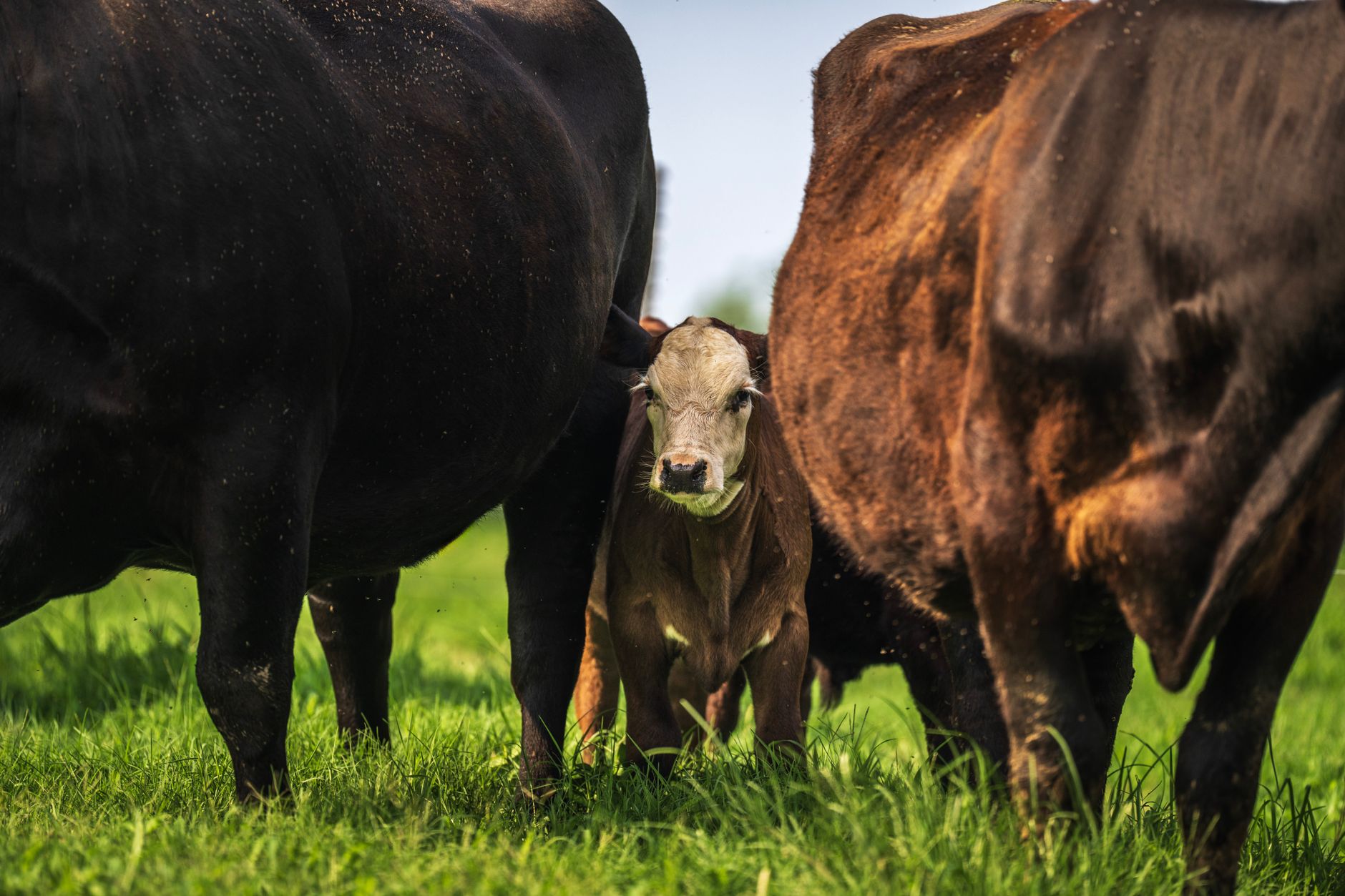
If youve ever passed by a jar of beef tallow and wondered what its good for, youre not alone. Beef tallow uses may seem limited or outdated, but this animal fat once a kitchen staple, is finding its way back into households and health-conscious diets. While some avoid beef tallow due to its reputation as a saturated fat, others appreciate its unique cooking qualities and traditional benefits. Lets explore what beef tallow really is, how to use it safely, and why it deserves a place in your pantry and beyond.
What Is Beef Tallow?
What Exactly Is Beef Tallow?
Beef tallow is rendered fat from beef, mostly derived from suet found around the kidneys and loins. It is a solid animal fat prized for its high smoke point (around 400F/204C) and long shelf life when stored properly. Chemically, beef tallow is primarily composed of saturated and monounsaturated fatty acids, including stearic acid and oleic acid. This sets it apart from liquid vegetable oils and even softer animal fats like lard.
Unlike processed oils, tallow can be rendered cleanly at home, producing a rich, creamy fat used in multiple ways. Compared to butter or vegetable oils, beef tallow has a more neutral flavor and withstands high heat without breaking down.
The History of Beef Tallow Use
Before vegetable oils flooded markets in the 20th century, beef tallow was everywherein the kitchen, candle making, and skincare. It was a reliable source of cooking fat for frying and roasting because of its stability and rich flavor. Many traditional cultures valued beef tallow not just for taste but also for its nourishing properties.
Beef tallow candles provided a warm, steady light and were cheaper than beeswax alternatives. People also used tallow-based salves to soothe dry, cracked skin and minor wounds, showcasing its practical versatility.
Comparison Table: Beef Tallow vs Other Fats
| Fat Type | Smoke Point (F) | Fatty Acid Profile | Shelf Life |
|---|---|---|---|
| Beef Tallow | ~400 | High saturated & monounsaturated (stearic, oleic) | 6-12 months (cool, airtight) |
| Lard | 370 | More unsaturated than tallow | 3-6 months refrigerated |
| Butter | 325 | Higher milk solids, saturated fat | 1-2 months refrigerated |
| Vegetable Oil | Varies (320-450) | Mostly unsaturated fats | 6-12 months unopened |
Common Uses for Beef Tallow
Beef Tallow in Cooking
Cooking with beef tallow offers a rich, satisfying flavor experience. Its high smoke point makes it a top choice for fryingespecially for dishes like French fries, roasted vegetables, and seared meats. Chefs praise beef tallow for imparting a velvety texture without overpowering the natural flavors of food.
Because of its stability at high heat, it doesnt oxidize as quickly as many vegetable oils. This makes it preferable for deep frying or sauting, providing a clean, crisp finish.
Whether youre roasting chicken or baking savory pies, substituting butter or vegetable oil with beef tallow could enhance taste and durability, especially in Halal-certified kitchens that value pure, trusted animal fats. Look for beef tallow products with JAKIM or HMC Halal certification for authenticity and quality assurance.

Beyond the Kitchen: Skin and Candle Uses
Outside cooking, beef tallow is celebrated in natural skincare for its moisturizing and healing benefits. Rich in fat-soluble vitamins A, D, E, and K, well-rendered tallow closely matches the fatty acids in human skin, making it effective for hydrating dry or sensitive skin.
Homemade salves and balms use tallow as a base, offering an all-natural alternative to commercial creams full of additives. Additionally, making candles from beef tallow yields slow-burning, stable candles with a subtle, comforting aroma.
These traditional uses are gaining renewed interest among those seeking sustainable, chemical-free personal care and home goods.
How to Render Beef Tallow at Home
- Cut beef suet or fat into small chunks or grind it.
- Place fat in a heavy pot on low heat; slowly melt without browning or burning.
- Simmer for 12 hours, stirring occasionally.
- Strain melted fat through cheesecloth into a clean jar.
- Allow to cool and solidify; store in an airtight container in a cool place.
Properly rendered beef tallow can last up to a year if kept away from heat and light.
Health Benefits and Risks
Benefits of Beef Tallow
Beef tallow contains essential fat-soluble vitamins (A, D, E, and K), vital for immune function and skin health, according to the USDA FoodData Central. It also includes conjugated linoleic acid (CLA), a fatty acid noted for its possible anti-inflammatory and antioxidant properties.
Unlike partially hydrogenated vegetable oils, tallow contains no trans fats, which are harmful to heart health. Its saturated fat content is balanced by stearic acid, which some research suggests does not raise cholesterol levels as much as other saturated fats.
Those following traditional or low-carb diets, like paleo or keto, often use beef tallow as a clean fat source supporting energy and satiety.
Potential Risks and Concerns
Beef tallow is high in saturated fats, the consumption of which remains debated within nutritional science. Some health experts caution excessive intake may affect heart health negatively especially when combined with a diet high in processed foods.
Another concern lies in sourcing: mass-produced tallow extracted from grain-fed or industrial beef can carry residual chemicals or antibiotics. Choosing grass-fed, Halal-certified beef tallow ensures better quality and traceability.
What Does Science Say?
Recent studies suggest moderation is key with any saturated fat. According to nutrition reviews, incorporating stable animal fats like beef tallow in balanced diets could be less harmful than heavily processed oils. However, evidence continues to evolve.
For anyone unsure, consulting a nutritionist or dietitian, especially when managing health conditions, is wise.
Safe Use Tips
- Choose tallow from reputable Halal-certified sources.
- Use beef tallow as a complement, not the sole fat source.
- Limit frying frequency; pair with vegetables and lean proteins.
Why Beef Tallow Lost Popularity
Rise of Vegetable Oils
By the mid-20th century, vegetable oils like soybean and corn oil became cheaper and easier to mass-produce. Governments and health organizations promoted these oils as heart-healthy alternatives to animal fats, revolutionizing cooking trends worldwide.
Public Perception and Industry Influence
Influential campaigns highlighted saturated fat as the enemy, pushing beef tallow to the sidelines. Additionally, aggressive marketing from vegetable oil companies shaped consumer preferences for decades, often overshadowing traditional fats.
Industrial Production Factors
The food industry favored liquid oils for ease of processing and shelf life. Tallows solid form required different handling and could impart flavor changes in baked goods or processed foods.
Decline Timeline
| Year | Event |
|---|---|
| 1900s | Widespread traditional use of animal fats including tallow |
| 1950s-60s | Vegetable oils promoted for heart health; tallow sales decline |
| 1980s | Processed foods adopt cheap vegetable oils, further sidelining tallow |
| 2000s-present | Resurgence of interest in traditional fats for cooking and skincare |
Should You Use Beef Tallow Today?
Who Benefits Most?
Beef tallow suits those committed to whole, traditional foods and diets focused on quality fats, such as paleo or ketogenic lifestyles. Halal consumers may prefer certified beef tallow for trusted, wholesome animal-derived fat. It also appeals to home cooks seeking authentic flavor and texture in frying and roasting.
If you enjoy exploring healthy foods to eat everyday, adding moderate amounts of beef tallow can diversify your fat intake sensibly.
Choosing Quality Tallow
Look for grass-fed or pasture-raised beef tallow sourced from animals raised without hormones or antibiotics. Verify Halal certification logos like JAKIM, HMC, or IFANCA for assured compliance with dietary needs.
Raw or minimally processed tallow offers the best nutritional profile and flavor. Avoid products with added preservatives or hydrogenation.
| Certification | Price Range | Common Formats | Shelf Life | Key Allergens |
|---|---|---|---|---|
| JAKIM, HMC, IFANCA | $10$25 per lb | Blocks, jars, tubs | 612 months (cool storage) | None (pure beef fat) |
Alternatives to Beef Tallow
If you want to avoid beef tallow, options include lard, coconut oil, or olive oil depending on cooking needs. Each has a different smoke point and flavor profile, so match fats to recipes carefully. Products designed specifically for Halal diets ensure your dietary guidelines are respected.
Buyer‘s Checklist for Beef Tallow
- Confirm Halal certification (JAKIM, HMC logos)
- Prefer grass-fed, organic sources
- Check for minimal processing, no additives
- Verify packaging date and storage instructions
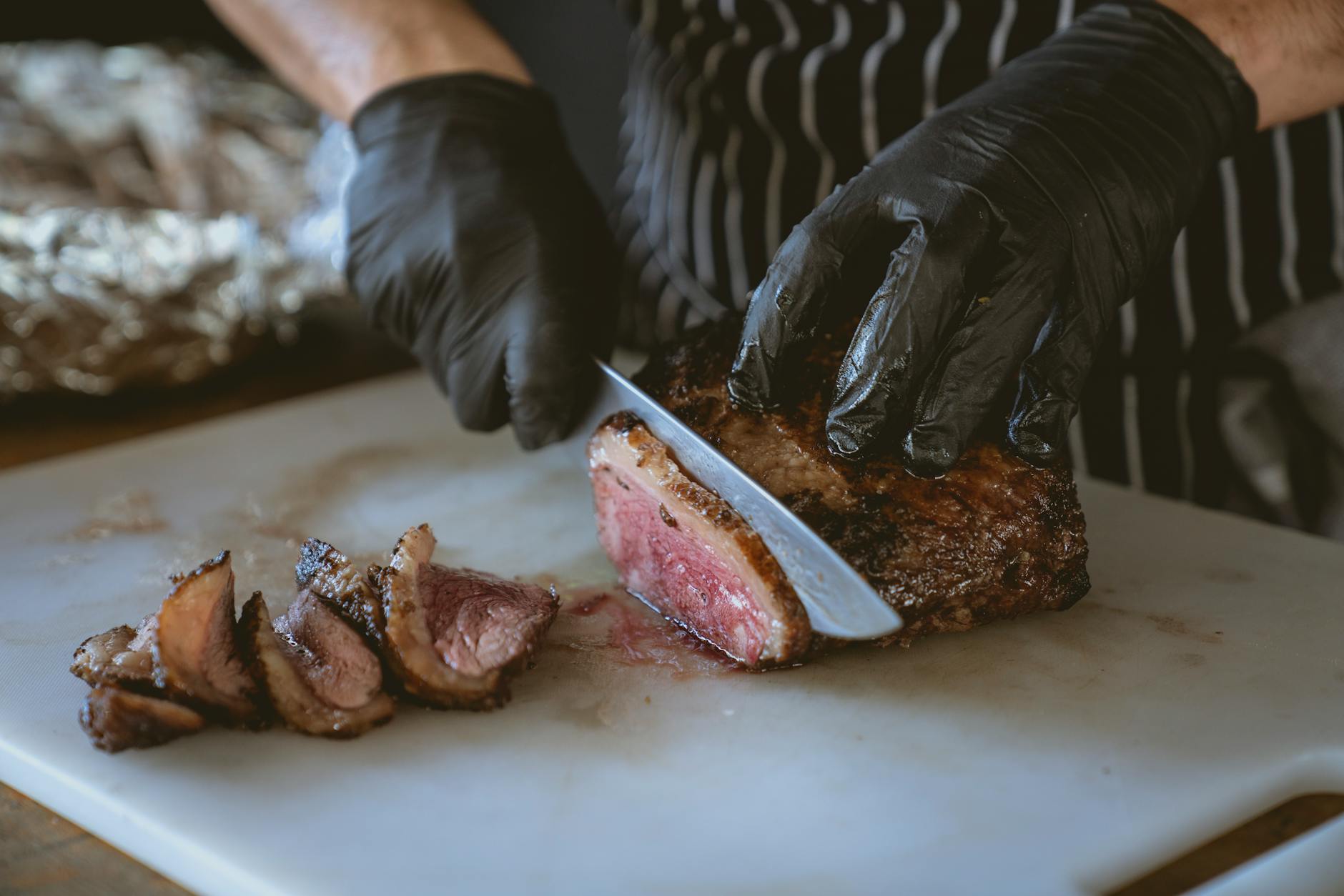
Beef Tallow User Tips
- Use for frying at medium-high heat (350400F) for best results.
- Store in a dark, cool place or refrigerate after opening.
- Introduce gradually if new to animal fats for digestion comfort.
If you appreciate foods high in protein low in fat, beef tallow can add flavor without excess carbohydrates. Just balance intake with lean proteins and fresh produce.
Is beef tallow actually Halal what should I check?
To confirm beef tallow is Halal, check for certification from recognized bodies like JAKIM in Malaysia, HMC in the UK, or IFANCA in the US. Labels should clearly state this with official logos. Also, ensure the source animal was slaughtered according to Islamic law, with no cross-contamination during processing.
When is the best time to use beef tallow?
Beef tallow works best for high-heat cooking such as frying or roasting. It can be used any time you want to impart rich flavor and a crispy texture, especially for weekend cooking or special meals. It also suits winter months in skincare, helping combat dryness.
Can beef tallow be used in baking?
Yes, you can use beef tallow in baking savory items like pie crusts or biscuits. It offers a different flavor and texture than butter or shortening, creating flakier pastries. Test small batches first to adjust taste preferences.
How long does beef tallow last once opened?
Stored sealed in a cool, dark place or refrigerator, beef tallow can last 6 to 12 months. Exposure to air or heat accelerates spoilage, so use airtight containers and avoid direct sunlight.
Is homemade beef tallow better than store-bought?
Homemade tallow allows control over quality and purity, ensuring no additives or preservatives. However, high-grade commercial Halal-certified tallow can be equally good if sourced from trusted producers.
How can I incorporate beef tallow into a healthy diet?
Use small amounts as a cooking fat along with plenty of vegetables, lean meats, and whole grains. Avoid excess frying and balance with other oil types. Moderation is the key.
Can beef tallow cause allergies?
Pure beef tallow does not commonly cause allergies but ensure no added ingredients or cross-contamination. Check labels especially if sensitive to animal fat derivatives.
Pro Tip: Avoid cheap versions that come from industrial feedlots. Why?
Lower-quality beef tallow often comes from grain-fed, conventionally raised cattle exposed to antibiotics or hormones. These fats may carry off-flavors or less desirable nutrient profiles. Choosing grass-fed, Halal-certified tallow ensures a cleaner, purer product with a better fatty acid balance and traceability.
Pro Tip: Rendering your own tallow ensures freshness and control
Homemade tallow lets you decide exactly what parts of the fat to use and how long to render it, resulting in smoother texture and milder flavor. Use low heat and strain carefully to preserve quality.
More You Might Like
Discover more about healthy foods to eat everyday to complement your use of wholesome fats like beef tallow.
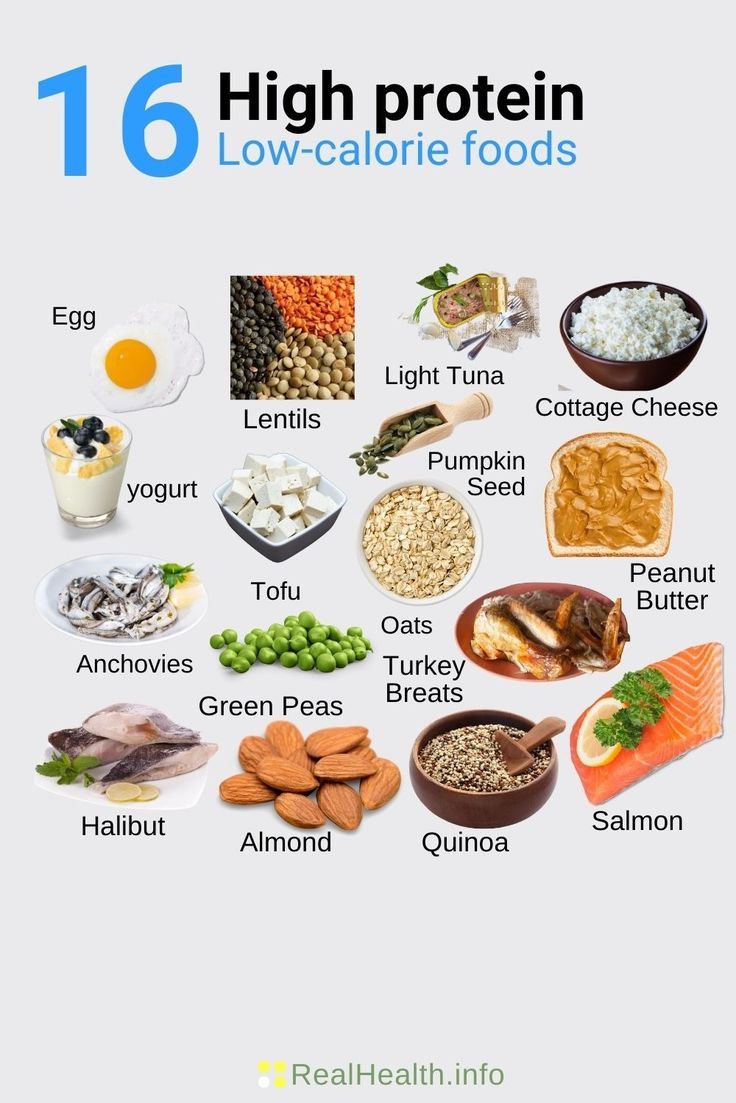
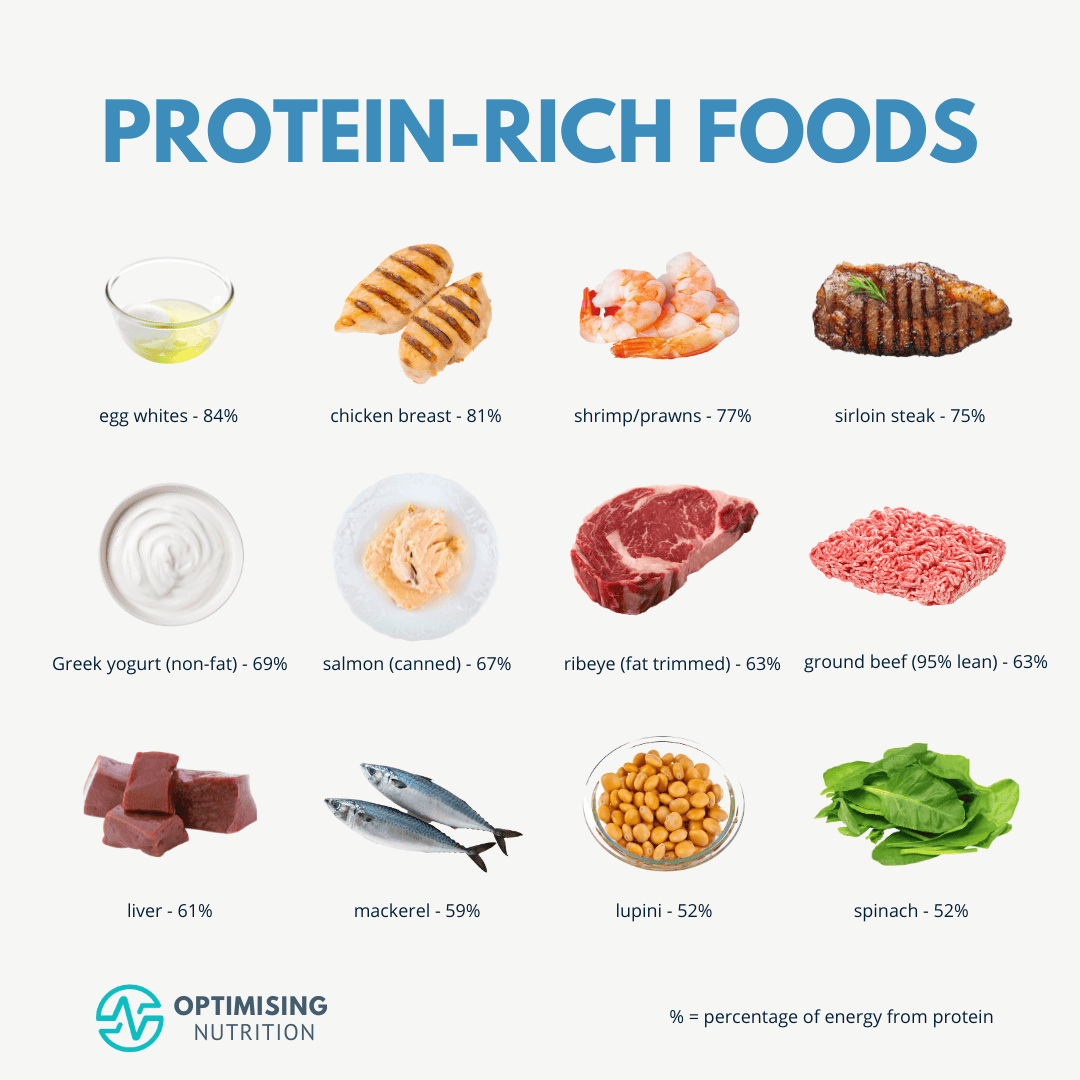
Explore a variety of foods high in protein low in fat, perfect for balanced nutrition alongside traditional cooking fats.
Conclusion
Beef tallow uses are wider than you might expectfrom cooking and baking to skincare and candle making. While it fell out of favor due to shifting dietary advice and industry changes, it offers stable cooking performance and traditional benefits when chosen carefully. Keep an eye out for authentic Halal certification and quality sources as you consider trying beef tallow. Next time you shop or cook, give some thought to this versatile fat and perhaps share your experiences with others.
FAQs
Is beef tallow uses actually Halal — what should I check on the label?
To confirm beef tallow is Halal, look for certifications from recognized bodies like JAKIM, HMC, or IFANCA on the label. Ensure the source animal was slaughtered according to Islamic law and processing avoided cross-contamination.
How long does beef tallow last once opened?
When stored in a cool, dark place or refrigerated in an airtight container, beef tallow can last 6 to 12 months. Avoid exposure to heat or air to prevent spoilage.
What is the difference between beef tallow and lard?
Beef tallow is rendered beef fat with a higher smoke point (~400°F) and more saturated and monounsaturated fats, while lard is pork fat with a lower smoke point (~370°F) and more unsaturated fats. Both have distinct flavors and culinary uses.
Is it safe to use beef tallow daily in cooking?
Using beef tallow in moderation is generally safe when balanced with vegetables and lean proteins. Choose grass-fed or Halal-certified sources and avoid excessive frying or overconsumption of saturated fats.
Where can I buy quality Halal beef tallow?
Quality Halal beef tallow can be purchased from specialty halal food stores, trusted online retailers, or local butchers offering grass-fed options with proper Halal certification logos like JAKIM, HMC, or IFANCA.