Ever found yourself staring at a steak on your plate, wondering, Is this... even cooked? If youre scratching your head over what exactly makes a steak blue rare, you're definitely not alone. Its one of those steak doneness levels that sounds a bit mysterious, maybe even intimidating. But hey, lets clear things up right nowblue rare steak is essentially a super-rare preparation where the outside is lightly seared, and the inside stays almost raw, cold, and deeply red. Its a quick flash of heat that barely touches the inside.
You might be thinking, Why would anyone want to eat steak like that? Well, its about flavors, textures, and the pure love for beef in its fullest, raw form. If youre curious to master the ins and outs of blue rare steak and how it fits into the steak cooking guide, youve come to the right place. Were diving into exactly what this steak is, how to cook it safely, and even when you might want to say, No thanks.
What Blue Rare Means
So, What Exactly is Blue Rare Steak?
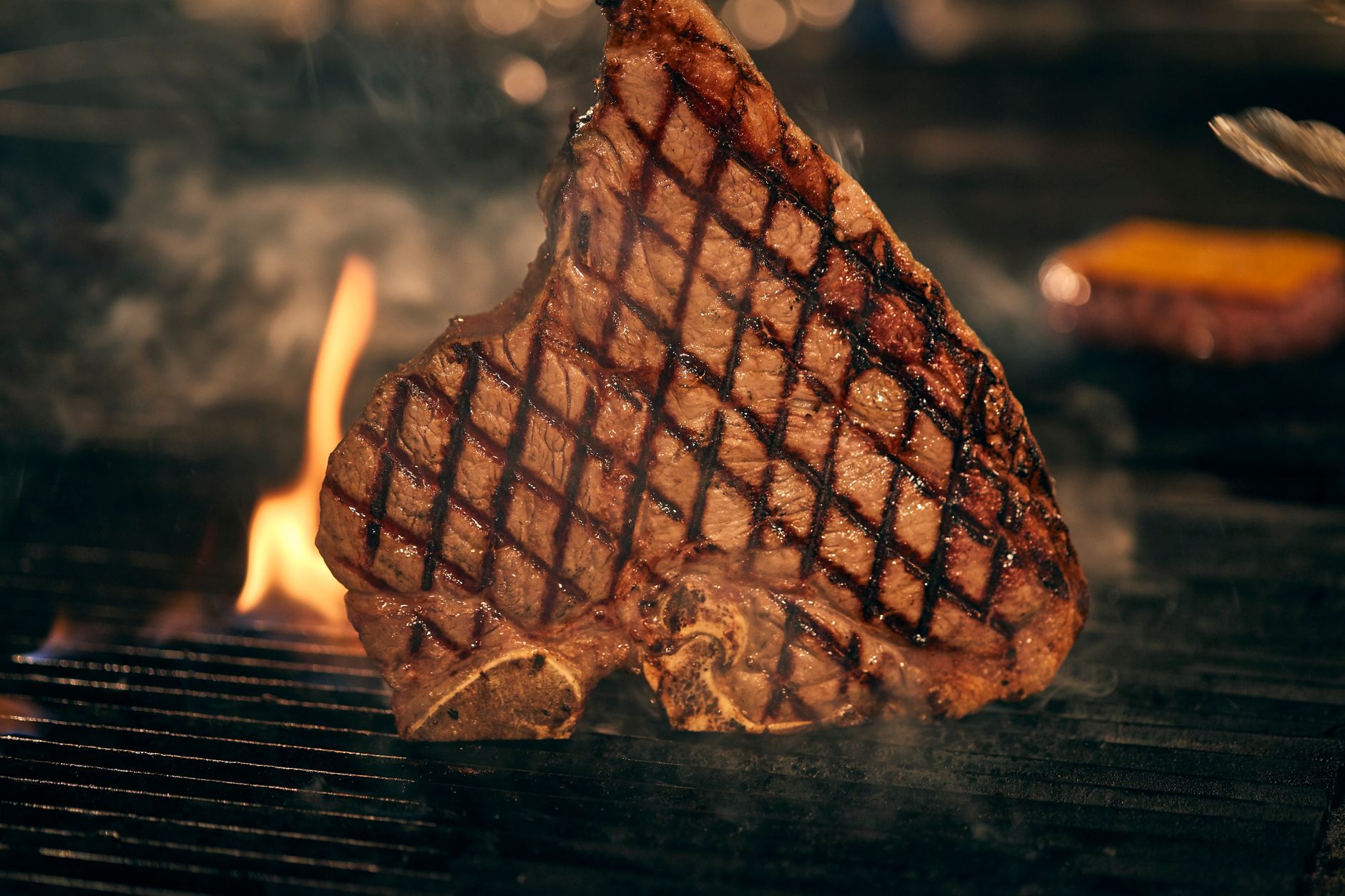
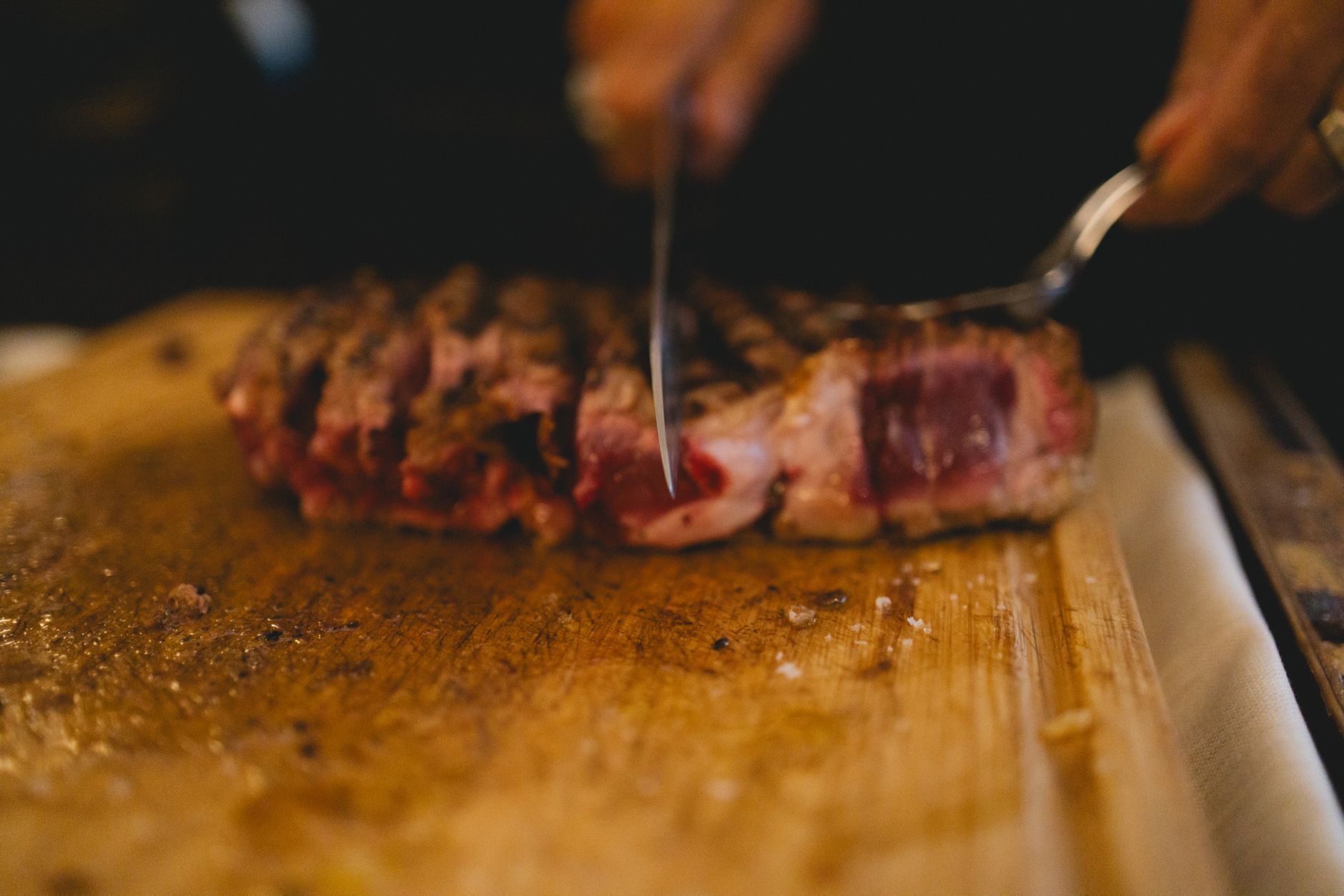
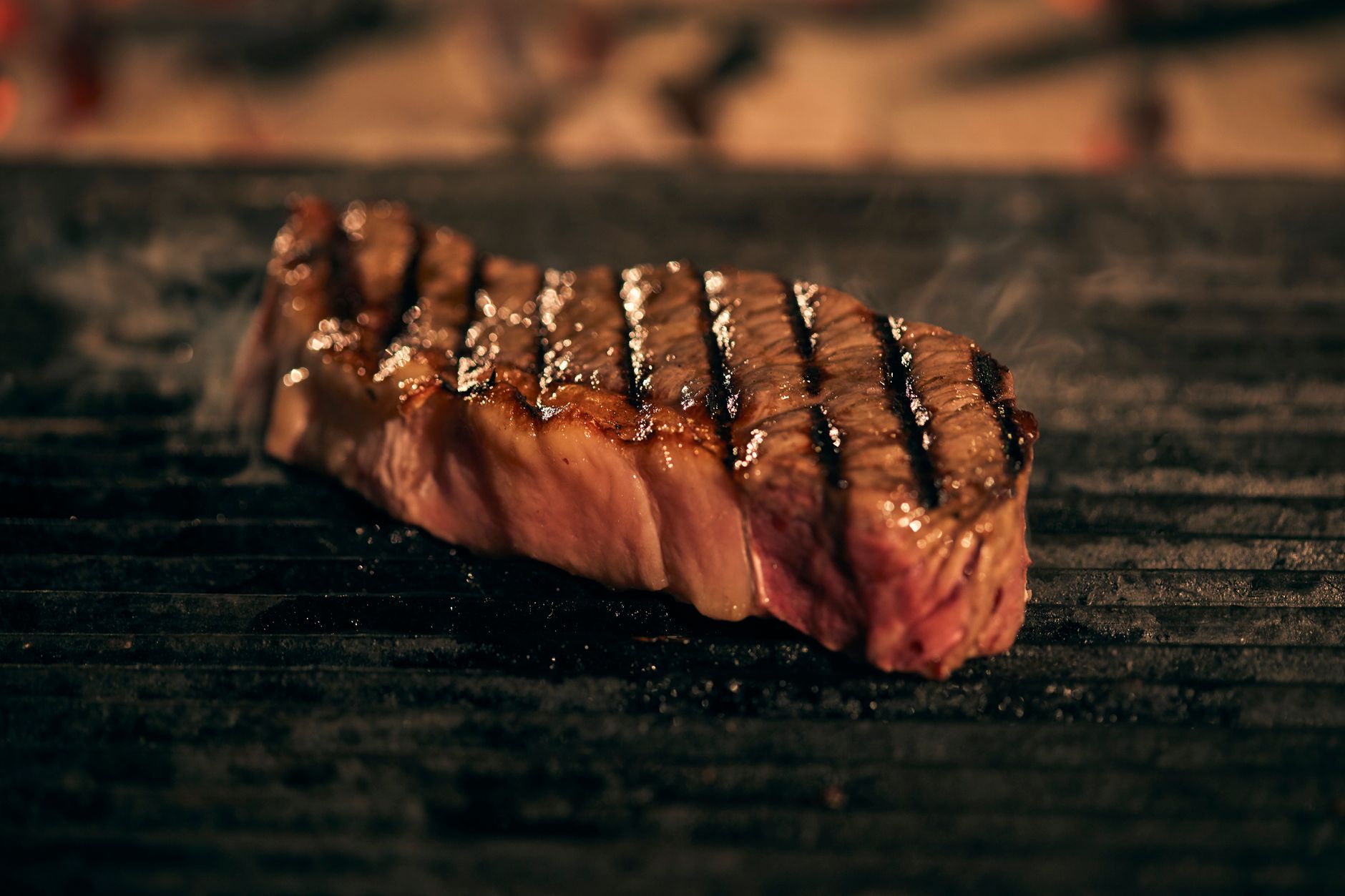
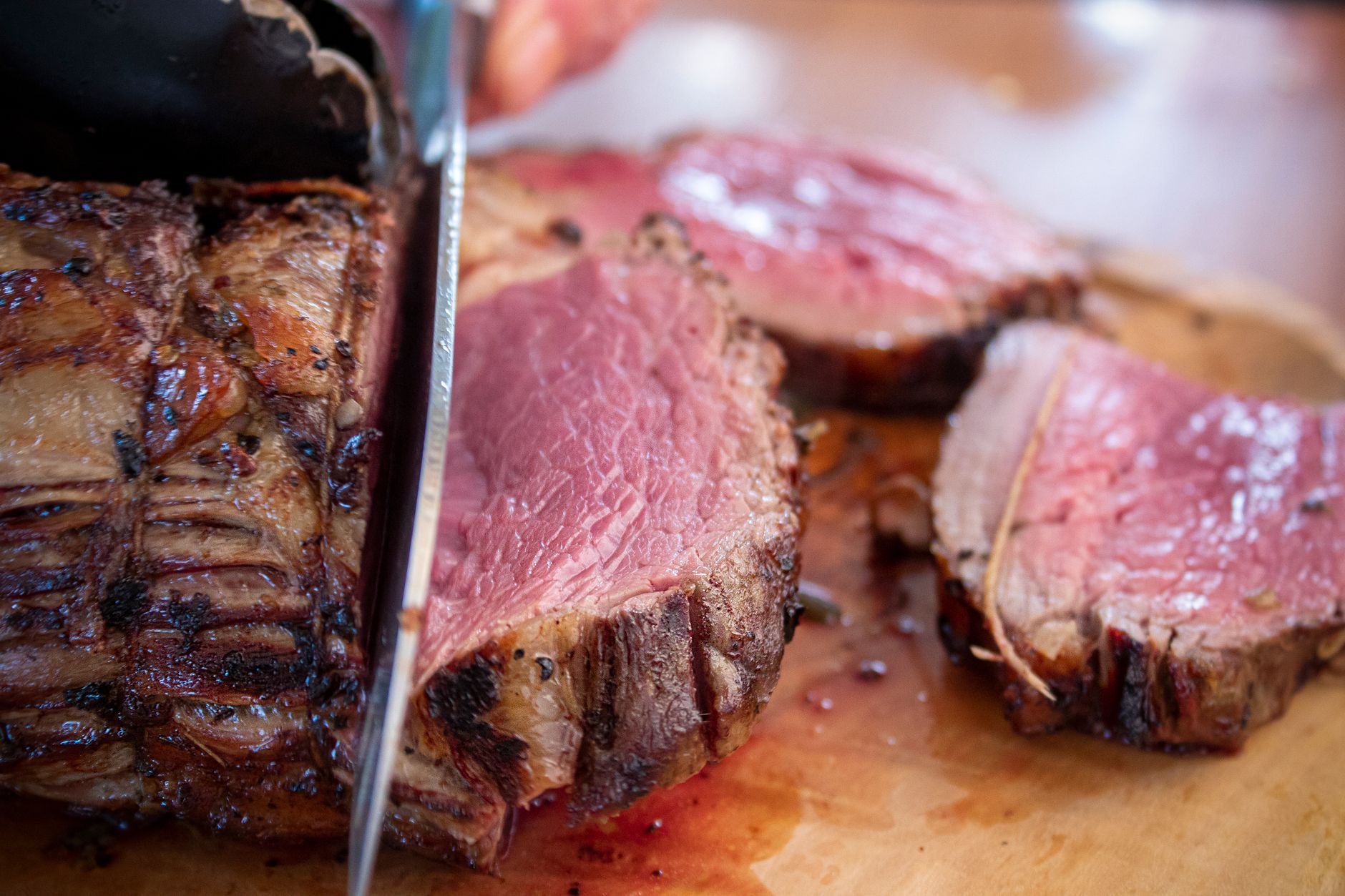
First off, blue rare steak, sometimes called bleu in fancy French kitchens, is that unmistakably undercooked steak where the center is nearly raw. Picture this: a steak snapped on a scorching-hot pan or grill for a very short time. The outside gets a light sear, sealing in the juices, while the inside stays almost cold and redjust barely warmed.
For those who like to geek out on numbers, the internal temperature for blue rare is about 115F (46C) or even lower. To put it simply, its cooked less than what most folks consider rare. Now, before you freak out about safety, stick with mewell get there.
Where Does Blue Rare Fit Among Steak Doneness Levels?
When it comes to steak doneness, think of it like a color gradient from red to brown. Blue rare sits at the very start of this spectrumright before rare, medium rare, medium, and so on. Heres a quick snapshot:
| Doneness Level | Internal Temperature (F / C) | Description |
|---|---|---|
| Blue Rare (Bleu) | 110115F / 4346C | Seared outside, almost raw inside, very cool center |
| Rare | 120130F / 4954C | Warm red center, slightly firm surface |
| Medium Rare | 130135F / 5457C | Warm pink center, firmer texture |
| Medium | 135145F / 5763C | Light pink center, firm texture |
| Well Done | 155F+ / 68C+ | Little to no pink, firm and dry texture |
This handy steak doneness levels table really clarifies how blue rare is just a hair above rawa quick flirt with heat without commitment!
Why Is It Called Blue Rare?
The name blue rare comes from the French term bleu, referring to the steaks cool, bluish-red center that looks almost like it just came off the pasture. This style has its roots in French cuisine and is admired for the pure, unadulterated flavor that minimal cooking preserves.
The Rare Steak Temperature You Need to Know
Since temperature is king when it comes to steak cooking, heres a solid takeaway: blue rare means the steak hits between 110F and 115F inside. At this point, you get just the slightest sear without cooking through the meat.
If you want to get geeky and set yourself up for success when you try cooking steak, investing in a good meat thermometer is a tiny game-changer. (More on this soon!)
How to Cook Blue Rare Steak
Alright, now heres the fun part: making blue rare steak happen right in your own kitchen. Its easier than you think, but man, it does take some care and attention.
What Youll Need
- A thick-cut steak (think about 1.5 inch-plus thickness) the thicker, the better to achieve that rare center.
- A very hot cast iron skillet or grill to get a proper sear.
- A trusty meat thermometer for exact readings.
- High-quality, fresh beef from a trusted butcher or source a MUST for safety and flavor.
- Minimal seasoning: salt and pepper, maybe a touch of garlic or herbs if you want.
Seriously, quality here matters. Cheap or poorly handled meat doesnt play well with blue rare cooking.
Step-by-Step: How to Cook Blue Rare Steak
Heres the skinny on nailing that blue rare steak:
- Let your steak sit out and come to room temperature (about 20-30 minutes). Nobody likes ice-cold meat on a hot panit wont sear evenly.
- Preheat your skillet or grill until its smoking hot. (Yes, smoking hot. This quick sear locks in juices.)
- Brush or pat the steak dry, then season with salt and pepper.
- Place the steak on the pan and sear for about 45 seconds to 1 minute per side. The goal here is a very light crust with barely any cooking inside.
- Quickly check the internal temperature with a meat thermometer. You're aiming for 110115F inside.
- Remove from heat, tent with foil for a minute or two, then serve immediately.
Pro tip: Resist the urge to poke or prod your steak too muchit loses precious juices.
Cooking Tips to Make It Perfect
Quick searing is the name of the game. You want that Maillard reactionthe brown, mouthwatering crust that adds rich flavorwithout overcooking the inside. Using a heavy skillet like cast iron or a blazing-hot grill gives you that magical crust quickly.
Is Blue Rare Steak Safe to Eat?
This is the million-dollar question, right? While blue rare steak is mostly raw inside, its generally considered safe if you follow these rules:
- Buy fresh, high-quality beef from a reputable source.
- Make sure the surface of the steak is properly seared to kill bacteria.
- Keep your meat cold until you cook itdont let it sit out too long.
- Use clean utensils and cooking surfaces to avoid cross-contamination.
If youre hosting a BBQ and want to wow your friends while keeping it safe, this steak cooking guide is your best friend. For more on handling food safely and saving money on your kitchen adventures, check out this practical article on how to save money on groceries. Trust me, every little tip helps!
Why People Love (or Hesitate About) Blue Rare Steak
The Magic in the Taste and Texture
If youve ever had a steak that practically melts in your mouth, you can thank the low cooking time and minimal heat exposure of blue rare preparations. The beef stays juicy, tender, and delivers that intense, almost buttery flavor of raw meat, punctuated by a kiss of sear. Its a carnivores dream come true.
ButThe Possible Risks
Raw or lightly cooked meat always carries a little bit of risk, mostly around bacteria like E. coli. That said, if youre buying from trusted sources and handling the meat properly, that risk drops significantly.
Still, if youre pregnant, elderly, immunocompromised, or serving picky eaters, its best to skip blue rare and aim for at least rare or medium rare.
Who Definitely Should Skip Blue Rare Steak?
- Kids under 5 years old
- Pregnant or breastfeeding women
- People with weakened immune systems
- Anyone prone to foodborne illnesses
Safety first, flavor second, right? You want to enjoy that steak, not regret it.

How to Enjoy Blue Rare Steak Safely
Chef Secrets on Blue Rare Steak
I had a chat recently with a chef friend who swears by blue rare steak when its done right. Their golden rule? Start with the best beef you can find, sear hard and fast, and trust the thermometer. Dont fool around. Chefs embrace the challenge because blue rare steak brings out the true essence of quality beef.
The Meat Thermometer: Your Best Friend
Seriously, dont skip this tool. Trying to eyeball blue rare doneness is like guessing if youve hit the jackpot blindfolded. The thermometer helps you precisely hit that magic rare steak temperature (115F or so) without overdoing it or leaving it too raw.
Pairing Blue Rare Steak Like a Pro
Blue rare steak is rich and bold, so pairing it thoughtfully makes the meal unforgettable. Think fresh, vibrant sides like arugula salad, grilled asparagus, or a light chimichurri sauce that cuts through the meats richness.
And if you want to play it smart with your grocery shopping for these ingredients, heres a handy read on how to order groceries online. Saves you time for cooking and relaxing!
Wrapping It Up: Your Blue Rare Steak Journey
So here we areblue rare steak isn't just a fancy buzzword or a daredevil move for steak lovers. It's a legit doneness level that celebrates the natural tenderness and flavor of the beef. While it requires care, the thrill of biting into that delicate, buttery, sliver of barely cooked steak is worth it for many.
Remember, the key to enjoying blue rare steak safely is good quality meat, the right cooking technique (hello, quick sear!), and a solid meat thermometer. And if youre still feeling unsure, moving one step up to rare or medium rare is always a friendly halfway house.
Whats your take on blue rare steak? Have you tried it, hated it, or loved it? Share your stories or questionsId love to know! Cooking is all about experimenting, learning, and, above all, enjoying every bite.
FAQs
What does blue rare steak look and taste like?
Blue rare steak has a seared outside with an almost raw, cool red center. It tastes tender, very juicy, and has a buttery texture with a light crust.
Is blue rare steak safe to eat?
Yes, if you buy high-quality beef from a trusted source, sear the surface properly, and maintain good hygiene during preparation, blue rare steak is generally safe to enjoy.
What internal temperature should blue rare steak reach?
The internal temperature for blue rare steak is about 110-115°F (43-46°C), which is just enough to lightly sear the outside while keeping the interior almost raw.
Who should avoid eating blue rare steak?
Children under 5, pregnant or breastfeeding women, people with weakened immune systems, and anyone prone to foodborne illnesses should avoid blue rare due to safety concerns.
How can I cook the perfect blue rare steak at home?
Use a thick-cut steak, preheat a cast iron skillet or grill until very hot, sear each side for 45-60 seconds, and use a meat thermometer to ensure the inside reaches 110-115°F.