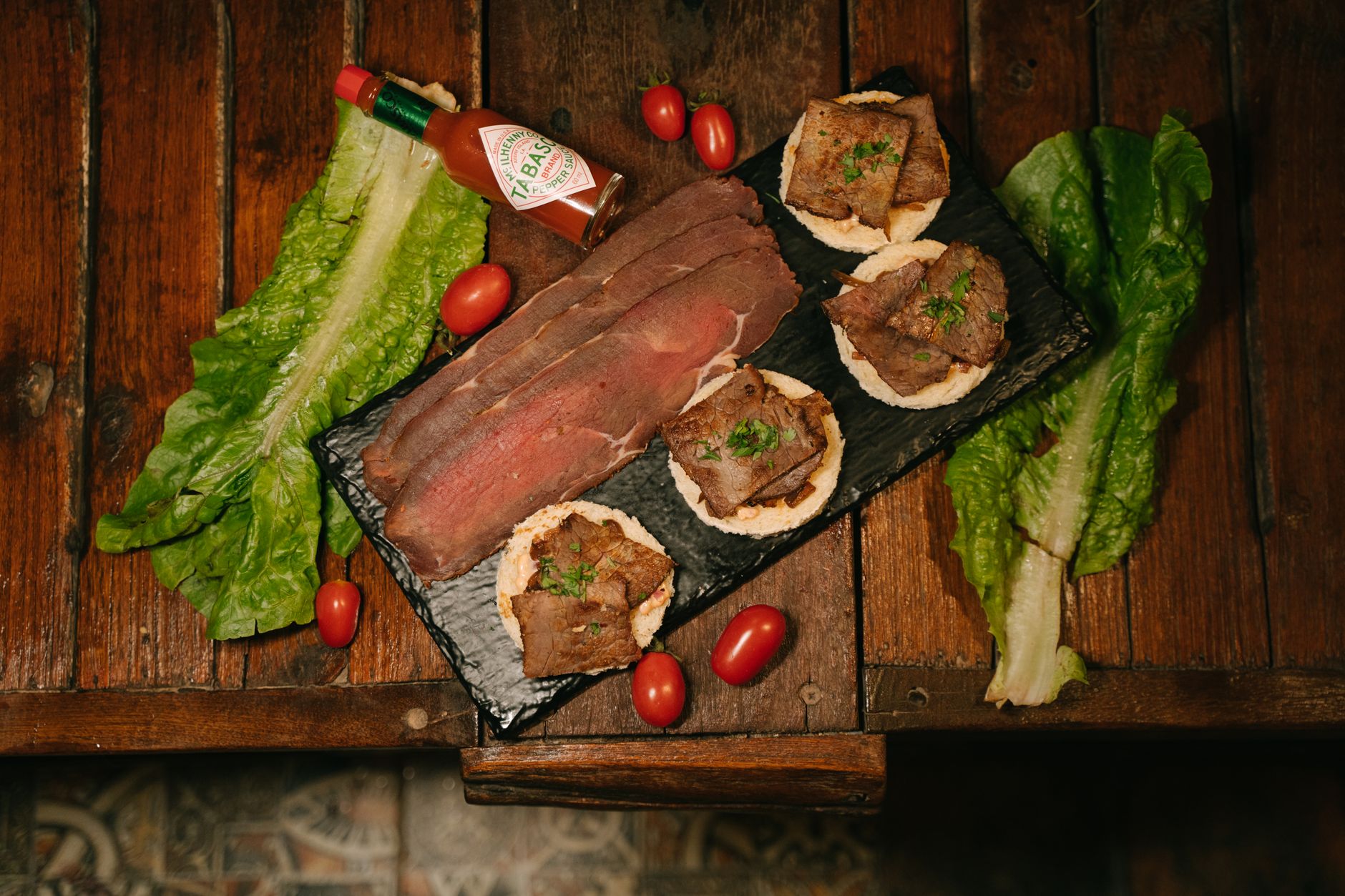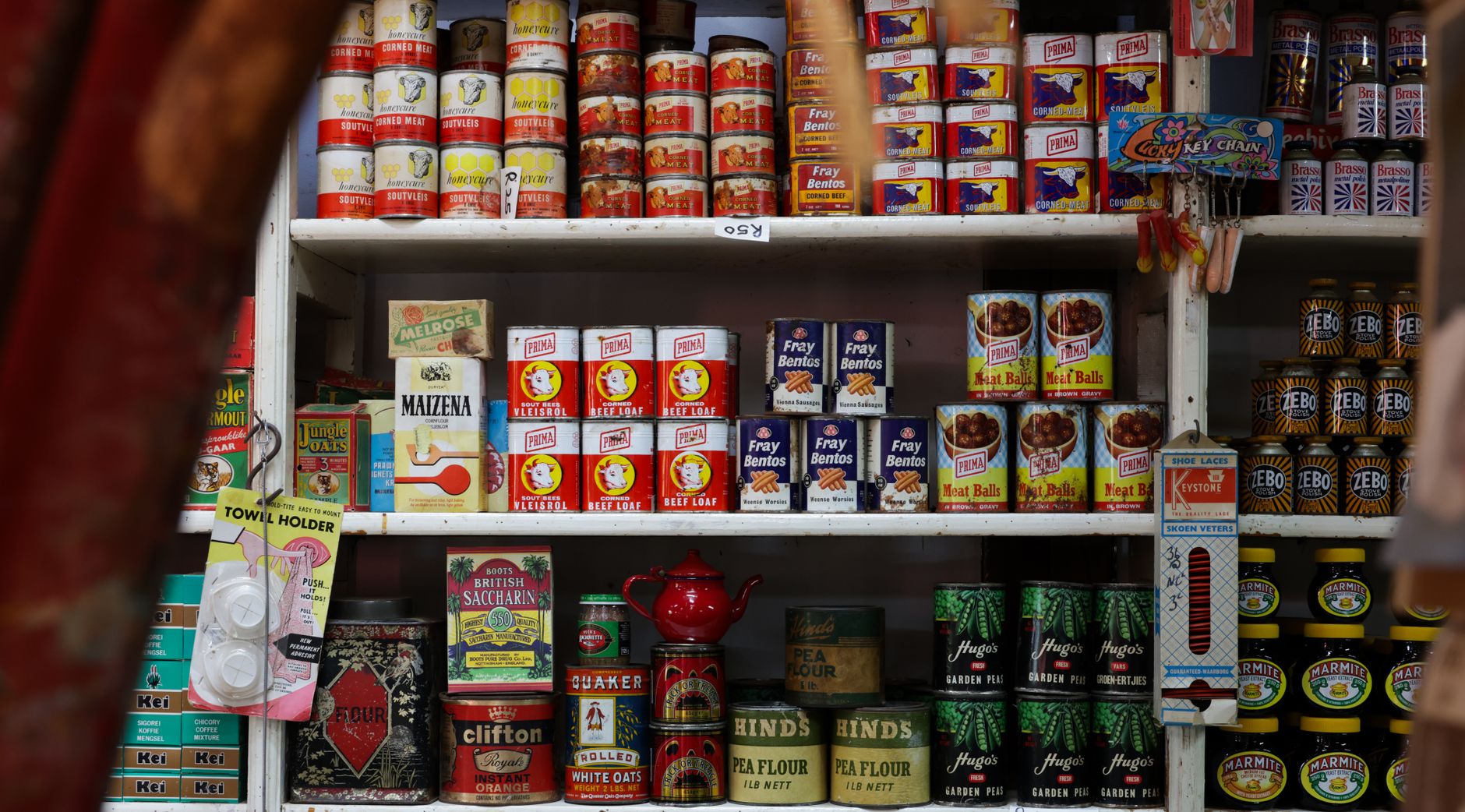
You ever get that weird feeling when you think back to some snacks or treats from the '70s that youve only heard stories about, or maybe even tasted if you were lucky enough? And then, suddenly, you realize you cant find them anywhere anymore. Like, wait what happened? Why did your favorite childhood snack just vanish from the shelves? Well, buckle up. We're diving into some of those banned 70s foods that disappeared for good reasons, and trust me, the stories are as wild as some of those old commercials.
Its kinda funny some of these once-beloved goodies seemed totally harmless back then, even downright delicious. But behind the scenes? Science caught up, health concerns were raised, and regulations just put their foot down. So these banned vintage foods had to go, for safetys sake. But hey, its not all doom and gloom! Understanding why theyre gone helps us appreciate how food safety has evolved, and why sometimes nostalgia needs a reality check.
Why Were These Foods Banned?
Before we get to the goodies (or un-goodies), let's clear up what really put the brakes on these foods. You know how sometimes your doctor tells you to stop eating something because it's bad for you? Well, thats kinda what happened on a bigger scaleonly with entire ingredients or even whole snacks.
What Health Risks Did These Banned Vintage Foods Pose?
A lot of the banned 70s foods were pulling sneaky moves on our bodies. Things like artificial trans fats, harmful dyes, unpasteurized milk, and even preservatives started raising red flags as more research came out. For example, trans fats those nasty little guys often lurking in processed foods were linked to heart disease and clogged arteries. And some kids snacks contained food dyes later found to be possibly carcinogenic or causing behavior issues. Not great, right?
How Did Food Safety Regulations Evolve Since the '70s?
Back then, the rules were way looser manufacturers could put just about anything into their products, as long as the stuff didnt outright kill somebody overnight. But as scientists got wiser and consumers started asking questions, governments stepped in with stricter testing, labeling, and banning of risky ingredients. Agencies like the FDA in the U.S. strengthened their grip, making sure what lands on your plate is safer than ever.
Were Some Bans Controversial or Later Reversed?
Believe it or not, not every ban was universally loved. Some products or ingredients stirred up debateswere they really harmful enough to say goodbye? Take Red No. 2, a food dye banned over health concerns but missed by companies and consumers looking for vibrant colors. Some bans were temporary or replaced with safer alternatives, showing that food safety is an ongoing journey, not a one-and-done deal.
Popular Banned 70s Snacks and Foods
Alright, the moment youve been waiting for what are these snacks and foods that your parents (or maybe you!) used to munch on but cant find today? Let me list a few, and I bet you'll say, Oh yeah, I remember that! or No way, that was banned?
What Are Some Famous Banned 70s Foods Everyone Remembers?
| Food | Reason for Ban | Fun Fact |
|---|---|---|
| Twinkies with Trans Fats | High in artificial trans fats linked to heart disease | You can sometimes find trans fat-free versions today |
| Red No. 2 Colored Candies | Potential carcinogen and behavioral concerns | Colorful, but health came first |
| Unpasteurized Milk | Risk of dangerous bacterial infections | Still popular in some places but heavily regulated |
| Sassafras Beverages | Contains safrole, a possible liver toxin and carcinogen | Used in root beer flavors originally |
| Foie Gras | Animal welfare concerns and import restrictions | Loved delicacy in some circles, hated in others |
These are just the tip of the icebergbut you get the idea. Many items we think of as iconic 70s eats had a dark side tucked away. If you love trivia, check out how these discontinued 70s foods compare to todays snacks in terms of ingredients and safety.

Why Were These Snacks Taken Off Shelves?
Most of the time, these snacks were pulled because science showed they contained stuff harmful to humansoften in ways we didnt expect. Some were loaded with artificial trans fats before anyone knew they were ticking time bombs for heart health. Others used dyes or flavorings that were later linked to cancer or allergies. And then theres unpasteurized milka seeming classic but risky because of germs.
Are There Modern Equivalents?
Lucky for us, food makers learned their lesson. Today, youll find trans fat-free labels flashing on or near snacks that once wouldve been banned. There are also natural dyes replacing synthetic ones. And pasteurization is pretty much standard for milk products now. If youre curious about healthy swaps or food versions inspired by the 70s but safer, its fun to explore.
By the way, if youre interested in learning more about keeping your tummy happy, this post on Best foods for diarrhea is a helpful read that ties in nicelyknowing whats safe and good for digestion is key!
Common Reasons Behind Food Bans
The Trouble with Artificial Trans Fats
Trans fats were everywhere baked goods, fried foods, you name it. Back in the day, nobody blinked an eye. But decades of research (including a 2024 WHO report) have linked these fats to heart disease, strokes, and even diabetes. Thats why many foods loaded with trans fats were banned or reformulated. Its one of those invisible ingredients that caused visible harm.
The Mystery of Food Dyes Like Red No. 2
Remember those brightly colored candies or jello? Some were colored with dyes later found to be toxic or carcinogenic in lab tests. Red No. 2, used widely in the 70s, was banned when studies hinted it could cause cancer in animals. This pushed the food industry to explore better, safer dyes that wouldnt come with such risks.
Other Risks from Preservatives and Contaminants
Some 70s foods got pulled because of preservatives or contaminants we now know are unsafe. Sassafras, once popular in root beer, contains safrolea substance linked to liver damage and cancer. Unpasteurized milk sometimes play host to dangerous bacteria, leading to illness outbreaks. These discoveries helped shape modern food safety practices.

Personal Stories and Cultural Impact
How Did These Foods Shape Childhoods?
Picture this: youre a kid in the 70s, running around with a pack of a popular snack in your hand, blissfully unaware its loaded with trans fats or potentially harmful dyes. For many, these banned 70s foods are tightly woven into memories of birthday parties, school lunches, or family road trips. They were fun, tasty, and part of the cultural fabric, even if their health risks snuck under the radar back then.
Public Reactions to The Bans
Surprisingly, not everyone cheered when big-name snacks or ingredients got banned. Some people felt robbed of their favorites or suspicious of new science meddling in tradition. Media back then often turned bans into headline news, debating whether health was worth giving up those treats you loved so much. Fast forward, and many have accepted the changes for safetys sake.
How Do Younger Generations See These Banned Snacks?
These days, with nostalgia on full blast, younger folks sometimes get curious about what retro snacks tasted like. Theres even a mini-market for recreations of discontinued 70s foods made to be safer and compliant with current standards. What do you think is it cool to revisit these banned vintage foods in a modern way, or better to just keep those memories as sweet yet cautionary tales?
Balancing Enjoyment and Safety
What Made These Vintage Snacks Loved?
Its not just about tastethough, that had a ton to do with it. Convenience, bright packaging, and a sense of fun made these popular 70s snacks big hits. They were affordable and easy to grab. The thrill of colors, sweetness, and texture made them stand out. Theres something undeniably charming about that retro vibe.
Why Should We Keep Risks in Mind?
But, hey, its important to remember why these banned foods disappeared from the shelves. Health matters. Weve learned that certain ingredients, once overlooked, can cause serious harm after long-term exposure. So, while our taste buds might get nostalgic, our brains have to recognize the progress weve made in food safety.
Enjoying Similar Treats Today
If youre hunting for snacks that echo the 70s vibe but without the harmful ingredients, youre in luck. Many modern snacks focus on safer ingredients and better nutrition. Curious about healthy sources of energy or protein while indulging your sweet tooth? Check out this post on Foods that have high protein its a neat way to balance pleasure and health.

Wrapping It Up
So, these banned 70s foods? Theyre a curious mix of tasty nostalgia and cautionary lessons. While we might miss some of the flavors, understanding why they were banned helps us appreciate the leaps food safety has taken. Its like having fond memories of a wild party that got shut down for good reason bittersweet, but necessary.
Next time you feel nostalgic for those classic snacks, remember: its okay to enjoy the memories, but better to enjoy modern treats that keep us well and happy. And hey, what banned snack from the 70s fascinates you the most? Got any fun family stories or favorites you wish were back? Share your thoughts lets keep this food chat going!
FAQs
Why were many popular foods from the 70s banned?
Most were banned due to health concerns discovered later, such as harmful trans fats, toxic food dyes, or unsafe preservatives that posed risks like heart disease and cancer.
What are artificial trans fats and why were they banned in the 70s foods?
Artificial trans fats are unhealthy fats used to preserve texture and shelf life in processed foods; they were banned after being linked to heart disease and other chronic illnesses.
Were all banned 70s foods permanently removed?
Not always. Some bans were lifted or ingredients replaced with safer alternatives, but many original recipes never returned due to proven health hazards.
Do modern snacks replicate banned 70s foods safely?
Yes, many modern snacks are inspired by 70s favorites but use safer ingredients like natural dyes and no trans fats to maintain nostalgic flavors responsibly.
How have food safety regulations changed since the 1970s?
Regulations have become stricter with improved ingredient testing, clearer labeling, and bans on substances proven harmful, ensuring better consumer protection today.