Running out of Parmesan cheese in the middle of cooking can be a real headache. Or maybe youre navigating a Halal diet, vegan lifestyle, or simply want to avoid dairy. Whatever the reason, finding a reliable Parmesan substitute is essential. Luckily, there are plenty of tasty, nutritious options that fit different dietary needs and keep your dishes flavorful and satisfying.
Why Choose a Substitute
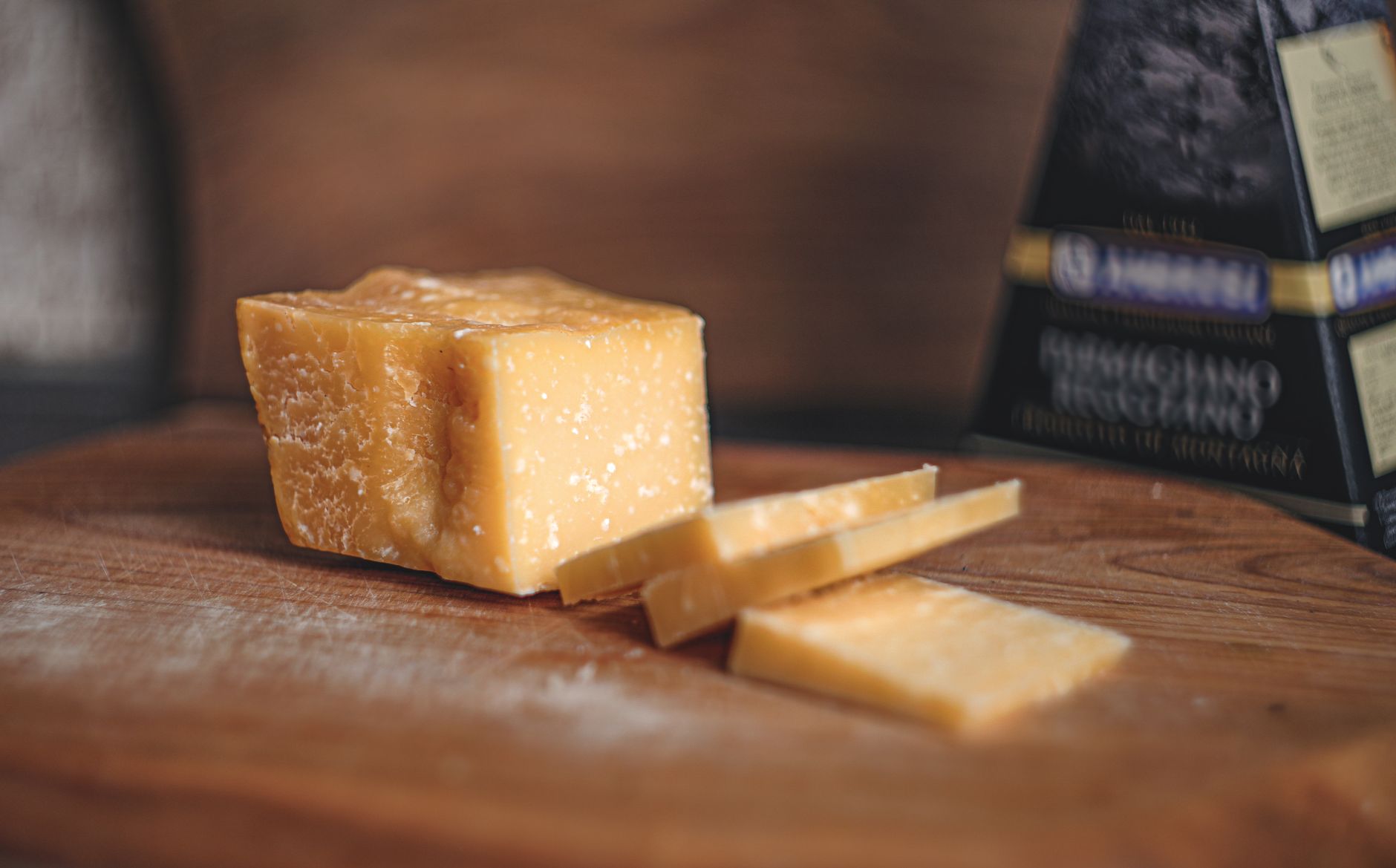
Parmesan cheese, while beloved for its sharp, nutty flavor and crumbly texture, isnt always the ideal choice. Many seek alternatives due to dietary restrictions, religious requirements, or availability challenges. Understanding these reasons helps you pick the best Parmesan substitute for your needs.
Is Parmesan Vegetarian or Vegan?
Traditional Parmesan cheese is made using animal rennet enzymes derived from the stomach lining of calves. This makes it unsuitable for strict vegetarians or vegans. For Halal consumers, its also vital to confirm that the source and processing comply with Halal certification standards such as those from JAKIM or the Islamic Food and Nutrition Council of America (IFANCA).
Common Reasons for Parmesan Substitutes
- Lactose intolerance: Parmesan has very low lactose but may still cause discomfort for sensitive individuals.
- Vegan and vegetarian diets: Excluding animal products or animal-derived enzymes.
- Halal dietary restrictions: Ensuring cheese source and enzymes meet Halal standards.
- Allergies: Dairy allergies necessitate dairy-free options.
- Unavailability: Parmesan can be costly or hard to source in some regions.
| Cheese Type | Vegetarian Friendly | Vegan Friendly | Halal Certified | Flavor Profile |
|---|---|---|---|---|
| Traditional Parmesan | No (contains animal rennet) | No | Varies; check certification | Sharp, nutty, salty |
| Nutritional Yeast | Yes | Yes | Yes, if certified | Cheesy, savory, nutty |
| Vegan Nut-Based Cheese | Yes | Yes | Depends on certification | Rich, creamy, tangy |
| Vegetarian Hard Cheese (Grana Padano) | Yes (if rennet is microbial) | No | Varies | Sharp, salty |
Nutritional Yeast Benefits
Nutritional yeast stands out as the best Parmesan substitute in many ways. What exactly is it? Nutritional yeast consists of deactivated yeast flakes rich in umami flavor, making it a popular cheese alternative for vegans and vegetarians.
What is Nutritional Yeast?
It is a yellow, flaky powder made from Saccharomyces cerevisiae yeast grown on molasses or sugarcane, then harvested, washed, and dried. It has no live cultures, so it wont cause fermentation in dishes, but it offers a strong cheesy, nutty, and savory taste.
Why Nutritional Yeast Works as a Parmesan Substitute
The key to Parmesans flavor is its sharp, salty, umami qualities. Nutritional yeast mimics these with its naturally cheesy taste and granular texture. It sprinkles just like grated Parmesan, melts mildly when heated, and adds depth to many dishes without overpowering other ingredients.
Health Benefits of Nutritional Yeast
Beyond flavor, the USDA FoodData Central notes nutritional yeast is rich in:
- B-complex vitamins like B12, ideal for plant-based diets
- Complete protein, providing all nine essential amino acids
- Fiber to support digestive health
- Low fat and sodium, helping maintain heart health
Many Halal-certified nutritional yeast brands are available, checked by authorities including JAKIM and the Halal Monitoring Committee (HMC), ensuring trust for Muslim consumers.
How to Use Nutritional Yeast
Use it 1:1 in place of grated Parmesan on pastas, salads, soups, or popcorn. Start with 1 tablespoon per serving, adjusting to taste. It also works well blended into sauces, pesto, or vegan cheese recipes to enhance richness without added dairy.
Heres a simple idea: sprinkle 2 tablespoons of nutritional yeast over freshly cooked spaghetti tossed with olive oil and garlic for a quick, satisfying meal.
Other Parmesan Substitutes
While nutritional yeast is a star, other alternatives suit different tastes and dietary needs.
Vegan Parmesan Substitutes
These often combine nuts, nutritional yeast, and seasonings to mimic Parmesans texture and flavor. Cashews and almonds stand out for their mild, creamy profile. Many store-bought vegan Parm powders blend these nuts with sea salt and garlic powder for convenience.
Vegetarian Cheese Alternatives
Hard cheeses like Grana Padano and Pecorino Romano are similar to Parmesan but sometimes use microbial rennet instead of animal rennet. These can be vegetarian-friendly and offer a sharper or saltier flavor, but always check the label for rennet source and Halal certification.
Dairy-Free Cheese Blends
Some commercial dairy-free Parmesan substitutes blend coconut oil, starches, and flavor enhancers into grated powders. These are great for lactose intolerance or allergy cases but usually less natural. Look carefully for clean labels and Halal marks.
| Certification | Price Range | Common Formats | Shelf Life | Key Allergens |
|---|---|---|---|---|
| Halal-certified (JAKIM, IFANCA, HMC) | $5$15 per 100g | Flakes, powders, blocks | 612 months (sealed) | Varies: nuts, soy, gluten-free options |
| Non-certified | Low-cost ($3$7) | Powders, flakes | 36 months | May contain dairy or gluten |
Homemade Parmesan Substitute
Making your own Parmesan substitute is simple, cost-effective, and lets you control ingredients. Heres a popular recipe combining nutritional yeast and nuts that delivers a great balance of sharpness and texture.
| Prep Time | Cook Time | Total Time | Servings | Calories (per 2 tbsp) | Diet Tags |
|---|---|---|---|---|---|
| 5 minutes | 0 minutes | 5 minutes | 8 servings | 60 kcal | Halal, Vegan, Gluten-Free |
Ingredients
- cup raw cashews or almonds (unsalted)
- cup nutritional yeast flakes
- tsp garlic powder
- tsp fine sea salt
Instructions
- Place nuts, nutritional yeast, garlic powder, and salt in a food processor or blender.
- Pulse 20 times, about 1 second each, until a fine, crumbly texture forms. Avoid over-blending into nut butter.
- Transfer to an airtight container and store in the refrigerator for up to 2 weeks.
- Use as a topping on pasta, salads, or roasted vegetables.

Benefits and Risks
Health Benefits
Many Parmesan substitutes are lower in fat, sodium, or lactose compared to traditional Parmesan. Nutritional yeast provides valuable B vitamins and protein, complementing healthy food choices. Homemade nut blends avoid additives and preservatives, offering clean-label benefits.
Potential Allergens
Be cautious of nut allergies when using cashew or almond-based substitutes. Some commercial vegan Parmesan powders may contain soy or gluten. Always check labels carefully, especially if following a Halal dietlook for trusted certification logos such as JAKIM or HMC.
Taste and Cooking Differences
While most substitutes emulate Parmesans tang and salty notes, none match it perfectly. Texture may be creamier or less granular. Adjust seasoning in recipes to compensate. When cooking, some substitutes melt differently, so add them at the end of cooking to retain flavor.

Healthy Foods High in Protein
For those balancing diets with plant-based cheese substitutes, consider pairing with other healthy foods high in protein like legumes, seeds, and Halal-certified lean meats to maintain nutritional balance.
Healthy Food Weight Loss
Low-calorie Parmesan substitutes can fit well into healthy food weight loss plans by reducing saturated fat and sodium without compromising flavor.
Is Parmesan substitute actually Halal what should I check?
Ensure the substitute carries Halal certification logos from bodies like JAKIM, HMC, or IFANCA. Verify ingredients are free from animal rennet or non-Halal additives. When homemade, source all ingredients from trusted Halal suppliers.
When is the best time to eat Parmesan substitute?
Parmesan substitutes can be enjoyed anytime parmesan cheese is usedsprinkled on meals from breakfast omelets to dinner pasta dishes. Their savory taste adds umami, enhancing flavor without waiting for specific times.
Can I use nutritional yeast in baking?
Yes. Nutritional yeast adds a cheesy, umami twist to breads and savory pastries. Use it within 12 tablespoons per recipe to avoid bitterness. Its especially great in savory muffins or crackers.
How long does homemade vegan Parmesan last?
Store homemade Parmesan substitutes in airtight containers in the fridge. They typically last 1014 days before flavor and freshness decline.
Are all Parmesan substitutes lactose-free?
Most vegan substitutes and nutritional yeast are lactose-free. However, some vegetarian hard cheeses may contain trace lactose. Check labels carefully if lactose intolerance is a concern.
Which nut is best for homemade Parmesan substitute?
Cashews produce a mild, creamy texture closest to Parmesans richness. Almonds add a bit more bite and nuttiness. Choose based on flavor preference and possible allergen concerns.
Can I freeze Parmesan substitutes?
Freezing homemade or commercial Parmesan substitutes isnt recommended as moisture changes can alter texture and flavor. Refrigerate instead and consume within recommended timeframes.
Pro Tips for Using Parmesan Substitutes
- Balance saltiness: Many substitutes lack Parmesan‘s salt. Taste your dish as you add and compensate with a pinch of sea salt if needed.
- Keep texture powdery: Pulse nuts briefly when making homemade versions to avoid nut butter consistency.
- Invest in quality: Cheaper store-bought vegan powders sometimes contain fillers or artificial flavors. Opt for trusted brands with clear ingredient lists and Halal certification.
- Add at the end of cooking: To retain flavor notes, sprinkle substitutes just before serving.
More You Might Like
Looking to boost your diet further? Check out our guide on healthy foods high in protein, perfect for complementing plant-based cheese substitutes. For those mindful of their weight, explore smart eating strategies with our tips on healthy food weight loss.
Next time you reach for Parmesan substitute products, check labels carefully for Halal certification and clean ingredients. Experiment with homemade blends to customize flavor and texture. Your meals can stay delicious, nutritious, and Halal-compliant without missing a beat.
FAQs
Is Parmesan substitute actually Halal — what should I check on the label?
To confirm a Parmesan substitute is Halal, look for certification logos from trusted bodies like JAKIM, IFANCA, or HMC. Verify that ingredients exclude animal rennet or non-Halal additives. When homemade, source all components from certified Halal suppliers for assurance.
When is the best time to eat or drink Parmesan substitute?
Parmesan substitutes can be enjoyed anytime Parmesan cheese is typically used, such as on pastas, salads, or breakfast dishes. Their savory, umami taste enhances flavor without needing a specific time, making them versatile additions to any meal.
How long does homemade Parmesan substitute last after opening?
Homemade Parmesan substitutes stored in airtight containers in the refrigerator typically last 10 to 14 days before flavor and freshness start to decline. Keeping it chilled helps maintain texture and taste during this period.
What is the main difference between nutritional yeast and traditional Parmesan?
Nutritional yeast is a vegan-friendly, flaky powder with a natural cheesy, nutty flavor that mimics Parmesan’s sharpness. Unlike traditional Parmesan, it contains no dairy or animal rennet, making it suitable for vegans and those with dietary restrictions.
Where can I buy quality Parmesan substitutes suitable for special diets?
You can find quality Parmesan substitutes at health food stores, specialty grocery shops, and online retailers. Look for trusted brands offering Halal certification and clear ingredient lists to ensure they meet your dietary needs.