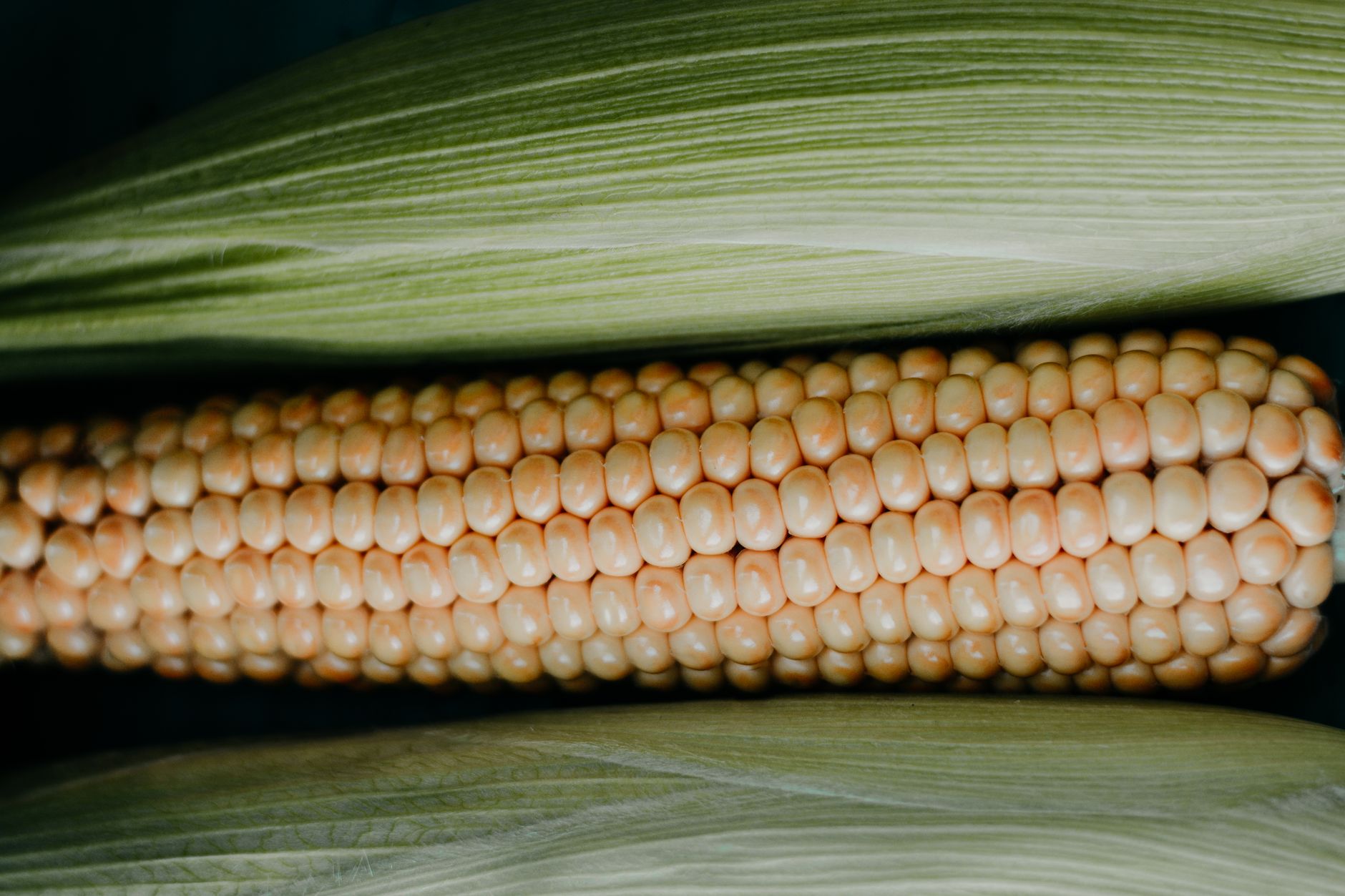
Okay, lets get real for a second freezing corn on the cob sounds easy, right? Just pop it in the freezer and go. But oh no, if you skip a couple of simple steps, you might end up with something that looks and tastes like... well, freezer crap. That icy, shriveled mess nobody wants to eat.
So here's the straight-up truth: to freeze corn on the cob right, you want to keep its sweet, juicy flavor locked in and avoid freezer burn like the plague. That means giving it some love before it hits that cold blast, like blanching it and vacuum sealing it properly. Trust me, once you get this down, youll be enjoying summer corn all winter long, and itll taste just like it did fresh off the stalk.
Why Freeze Corn?
Freezing corn on the cob is one of those game-changers for anyone who loves their veggies on hand without rushing to eat them right away. The best part? You capture the sweetness and freshness of summers peak corn and get to enjoy that goodness well into the colder months. No need to buy the off-season, blah-tasting stuff at the store.
But, heads up: if you dont freeze it right, your corn can suffer in texture and flavor. Have you ever bitten into frozen corn thats bland or freezer burnt? Total bummer.
Freezing slows down natures pesky enzymes and bacteria that turn food bad, but theres more going on beneath the surface. The ice crystals that form when corn freezes are sneaky little culprits that can puncture cell walls, leading to that mushy or tough weirdness once thawed. This is why blanching corn before freezing is often the best move.
What Happens to Corn When Frozen?
Imagine each kernel as a tiny water balloon packed full of flavor and juiciness. When frozen too quickly or left unprotected, ice crystals jab holes in that balloon, and when you thaw, all the good stuff leaks out or gets mushy. Blanching helps by fixing these cells temporarily and making the corn more resilient to freezer drama. Pretty neat, huh?
Whens the Best Time to Freeze Corn?
Fresh is best, no doubt. If you can freeze corn on the cob within a day or two of picking or buying it, youll lock in maximum flavor. Corn thats past its prime wont freeze any better than it tastes fresh. So, if your local farmers market or gardens got some fresh ears, grab em and get ready to freeze!
How To Freeze Corn On The Cob Properly
Alright, grab your corn and listen closely heres how to nail freezing corn so it stays juicy and delicious.
Should You Blanch Corn Before Freezing?
This is where some debate can sneak in, but most pros (and food safety experts) agree that blanching is the way to go. Blanching means briefly boiling the corn, then plunging it into ice water to stop the cooking process. Why bother? It stops those pesky enzymes that make your corn lose flavor, color, and texture over time.
Expert tip: Blanch for about 4 minutes for regular-sized ears. Too short, and you dont inactivate the enzymes enough. Too long, and the corn gets mushy. Balance is key.
How To Blanch Corn Quick & Easy
Heres your simple go-to: Bring a big pot of water to a rolling boil. Toss in the shucked corn ears, boil for 4 minutes, then immediately dunk them into an ice bath for the same amount of time. This shocking step stops the cooking instantly, locking in that bright color and fresh taste.
Tip: If you dont have too much space, steaming corn for about 6 minutes works too, but boiling is the classic for a reason.
Prepping Corn Without Blanching? Heres What You Can Do
No blanching? No problem but just be aware the taste and texture might not be quite as good after months in the freezer. Still, its better than nothing. Clean your ears, shuck well, and dry thoroughly. That last bit is crucial to prevent a wet mess that encourages ice buildup and freezer burn.
Storing Corn Properly to Prevent Freezer Burn
Freezer burn is like the ultimate corn killer it dries out kernels, leaving them tasteless and tough. The biggest offender? Air. Corn exposed to air in your freezer will develop ice crystals that dehydrate the cob and kill the flavor.
This is where vacuum sealing corn really pulls ahead as a star player. Vacuum seal corn removes air, sealing in freshness for a much longer period.
Not got a vacuum sealer? Heavy-duty freezer bags with the air squeezed out as much as possible will do in a pinch but try to avoid just regular zip-lock bags with lots of air inside. Better safe than... freezer burnt!

Vacuum Sealing Is KeyBlanched Or Not
Whether you blanch corn on the cob or not, vacuum sealing is the secret weapon that keeps your corn tasting fresh and free from freezer burn. By pulling out the air, vacuum sealers prevent the moisture loss and cold burn thats responsible for that ugh taste in leftover freezer food.
And guess what? Vacuum sealing isnt just for the pros. You can get user-friendly vacuum sealers for home use that fit right on your kitchen counter.
Also, if you dont have a fancy vacuum sealer, heres a quick little hack: place your corn in a strong freezer bag, submerge it in water (just barely covering the bite of water around the bag), and seal while the water pressure pushes the air out simple and pretty effective for keeping out air!
Why Take the Extra Effort to Vacuum Seal Corn?
Because it dramatically extends shelf life. Expert studies from food preservation research show vacuum packed frozen corn keeps best quality for up to 12 months, compared to 6 months or less with regular bag storage. Thats double the eating pleasure with no icy nastiness!
If you want to check out some ways people order great food and have it delivered fresh, you might be interested in things like Corner bakery delivery options you know, just to see how pros keep their produce fresh. Its always fun to peek behind the scenes!
Tips To Prevent Freezer Burn On Corn
Freezer burn happens when air sneaks into your packaging and sucks moisture out of your corn kernels. Heres how to fight that off:
- Dry completely before freezing. Any extra water turns into ice crystals inside the bag.
- Dont overload your freezer. Too much air circulation cools food unevenly, increasing risk of burn.
- Keep your freezer at steady 0F (-18C) or below. Fluctuating temps encourage thawing and refreezing, a death sentence for texture.
- Label your bags. Know when you froze that corn older items are more at risk.
Recognizing and Handling Freezer Burn
If you notice white, dry patches on your frozen corn... yikes, thats freezer burn. Is it still edible? Safe, yes but the texture and flavor have probably taken a hit. You could try using freezer burnt corn in soups or stews where texture is less obvious, but fresh tasting corn is definitely a better experience.
How Long Can You Freeze Corn On The Cob?
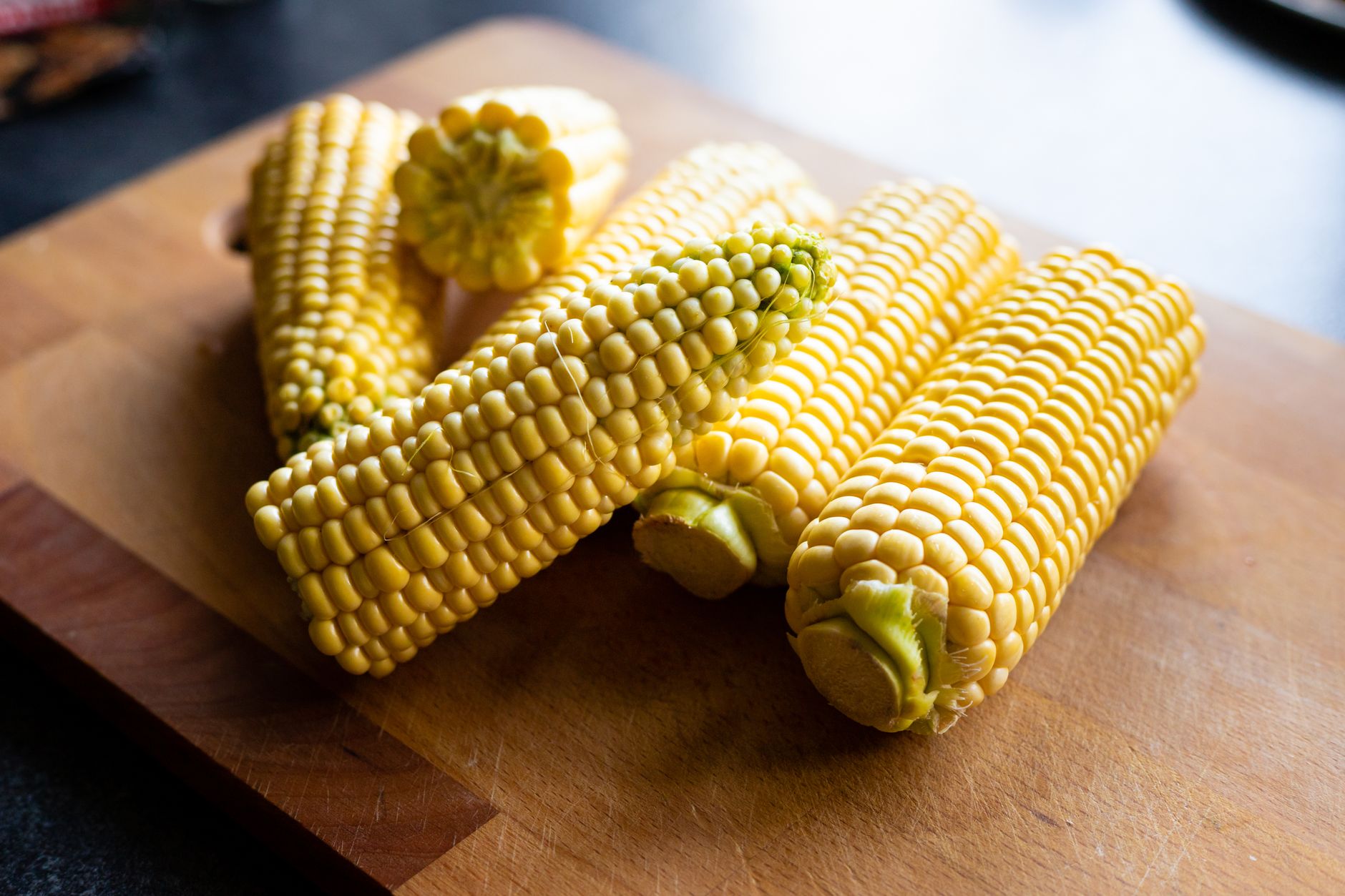
Heres a rough rule of thumb straight from food safety experts: For the best taste and texture, freeze corn on the cob for no longer than 12 months when vacuum sealed. After that, its not unsafe to eat, but it could start to lose flavor and get a little sad.
If youre using regular freezer bags, try to use your corn within 6 months to avoid freeze burn or flavor loss. Thats why good storage techniques pay off big time.
Expert Tips & Real-Life Freezing Wins
I chatted with a few seasoned home cooks and food preservation specialists. They all agreed on one thing: patience and preparation are your best pals.
One friend shared how she learned the hard way after freezing two dozen ears without blanching ended up with a freezer full of tough, tasteless corn. After switching to blanching and vacuum sealing, she swears by the taste and texture being almost as if it was fresh-picked. Makes me think, ya know, these small steps actually make a real difference.
And hey, if you want to enjoy that fresh-corn vibe anytime, consider doing a little kitchen experiment: freeze a batch using different methods and see which one makes your taste buds dance the most. Food adventures like that are the best!

Want to take a break from freezing and talk about other gourmet eats? Check out some great spots like Corner bakery cafe salt lake city for inspiration on fresh, quality food that keeps you craving more.
Wrapping It Up
Honestly, freezing corn on the cob isnt rocket science, but its not something you can wing without paying attention. Blanching before freeze, drying your corn well, and vacuum sealing it properly? Those are the magic ingredients to keeping your corn freezer burn-free and delicious.
So next time youre staring at those gorgeous ears, dont just toss them in the freezer and hope for the best. Give them some prep love and your future self will thank you because biting into that sweet, juicy frozen corn months later is pure joy.
Got your own tried-and-true freeze corn tips? Or maybe some freezer burn horror stories? Lets swap stories Im all ears!
FAQs
How long can I freeze corn on the cob without losing quality?
If vacuum sealed, corn on the cob stays best for up to 12 months in the freezer. With regular freezer bags, try to use it within 6 months to avoid flavor loss or freezer burn.
Is blanching necessary before freezing corn on the cob?
Blanching for about 4 minutes stops enzymes that cause loss of flavor, color, and texture, making it the recommended step before freezing, though it’s possible to freeze without it with some sacrifice in quality.
What is the best way to prevent freezer burn on frozen corn?
Removing air is key—vacuum sealing is ideal. If unavailable, use heavy-duty freezer bags and squeeze out as much air as possible. Also, dry the corn thoroughly before freezing to prevent ice crystal buildup.
Can frozen corn on the cob be eaten safely after freezer burn?
Yes, it’s safe to eat, but freezer burn affects texture and flavor. Using freezer burnt corn in recipes like soups or stews can help mask the quality loss.
What’s a quick vacuum sealing alternative if I don’t have a vacuum sealer?
Submerge the open freezer bag with corn into water up to the seal line to push air out, then seal the bag underwater. This simple hack helps remove air without a vacuum sealer.